About this soil

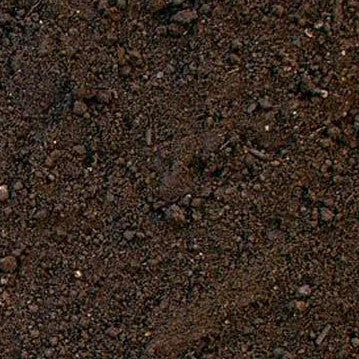
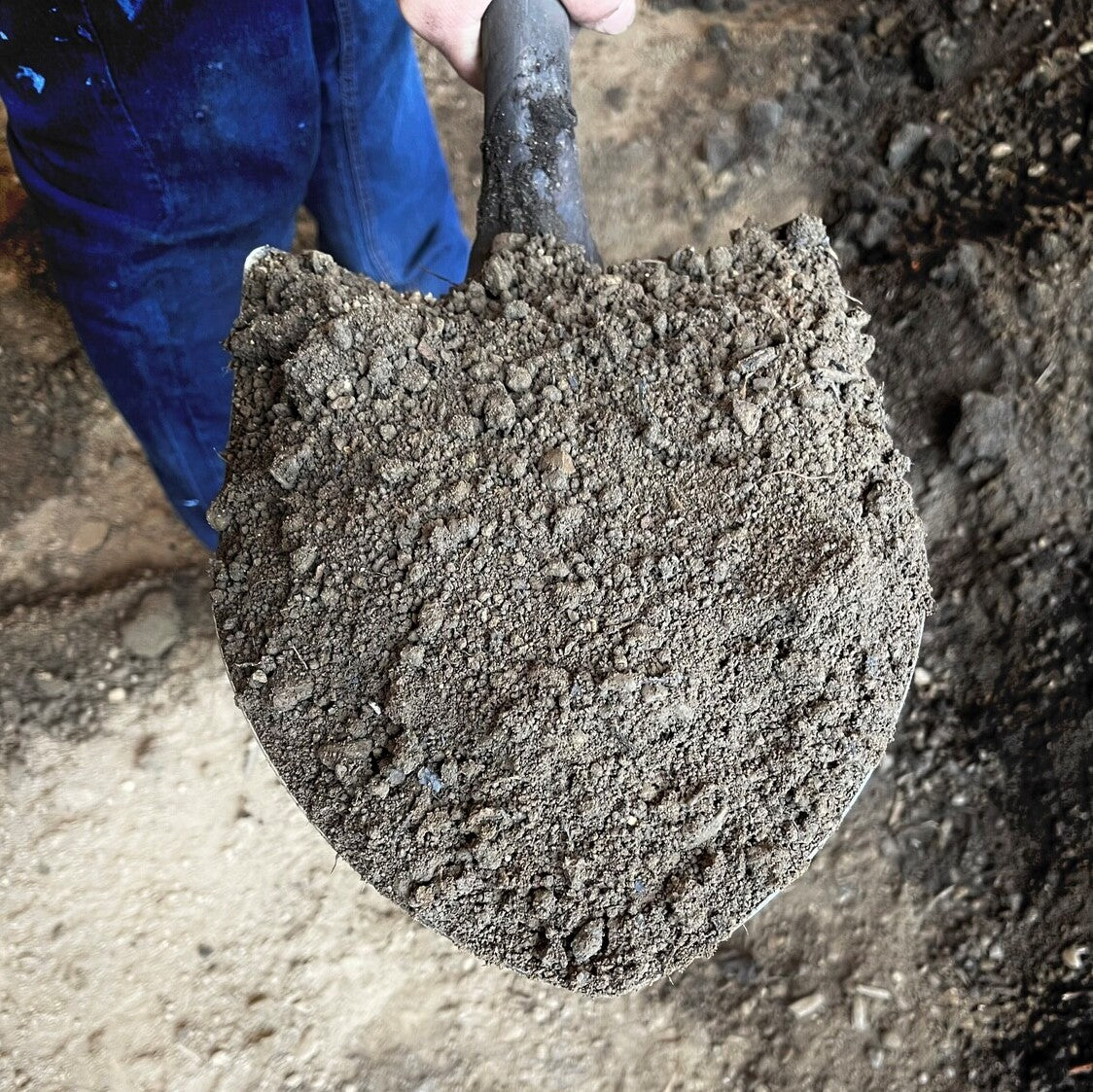
Quality topsoil for lawns, gardens, and landscape projects. Nutrient rich and ready to support strong root development and healthy plant establishment.

My experience with Mulch Mound was great and super easy. I ordered two yards of screened topsoil and was able to get it delivered within 2 days. They came in my requested time frame (afternoon) and dropped it off where I asked on my driveway. The topsoil was exactly what was a...

For new garden beds over Deltona's sandy soil, plan for a minimum of 8 to 12 inches of imported soil depth to give plant roots a productive zone above the native sand. Lawn leveling applications should be kept to a half inch or less per pass to avoid smothering grass during Deltona's active growing season.
Use our free soil calculator

A yard is approximately 27 cubic feet. As a general guideline, one yard of material can cover an area of about 100-160 square feet at a 2-3 inch depth.

Deltona Soil Delivery

Deltona Soil Delivery

4.7
137 reviews
Regular price $60.00 per yard
Regular price Sale price $60.00
Sale Sold out
Type
Style
Minimum of 3 yard
Hand-picked local yards
4,000+ regional deliveries
Dedicated support
Why order through Mulch Mound

The best local soil, without the guesswork.

We hand-pick and partner with the best yards in your region, keep only the ones our buyers rate well, and back each load with our guarantee.

Mulch Mound Guarantee

If your soil isn't the quantity or quality you ordered, we'll make it right.

About this soil

Quality topsoil for lawns, gardens, and landscape projects. Nutrient rich and ready to support strong root development and healthy plant establishment.

My experience with Mulch Mound was great and super easy. I ordered two yards of screened topsoil and was able to get it delivered within 2 days. They came in my requested time frame (afternoon) and dropped it off where I asked on my driveway. The topsoil was exactly what was a...

For new garden beds over Deltona's sandy soil, plan for a minimum of 8 to 12 inches of imported soil depth to give plant roots a productive zone above the native sand. Lawn leveling applications should be kept to a half inch or less per pass to avoid smothering grass during Deltona's active growing season.
Use our free soil calculator

A yard is approximately 27 cubic feet. As a general guideline, one yard of material can cover an area of about 100-160 square feet at a 2-3 inch depth.

View full details

How It Works

Getting started is easy — just follow these simple steps

1

Choose your soil

Make sure you adjust the quantity to your home's needs. You can use our calculator to estimate how much you'll need.

2

Select your delivery date

Select a delivery date you'd like for the product to be dropped off at your home

3

Sit back and wait

Sit back, wait, and let us work our magic to make sure the highest quality product is delivered to your driveway.

What Deltona Customers Like About Our Soil

4.7
out of 5 based on 137 reviews
Google Reviews

Need Help Calculating How Much Soil You Need?

Use our NEW Trace from Satellite tool to get an estimate for your project based on an aerial view of your property

Try Our Calculator
📍

Measure the length, width, and intended depth of each area you plan to fill in feet, then multiply all three numbers together to get cubic feet and divide by 27 to convert to cubic yards. For raised beds and planting areas in Deltona, remember to account for settling, since soil placed over a sandy base will compress somewhat after the first few heavy rainfalls, and ordering 10 to 15 percent more than your calculated volume is a smart buffer.

Soil Types We Deliver in Deltona

Deltona's sandy, well-draining native soil often needs a boost to support healthy lawns, raised beds, and garden plantings. We make it easy to order bulk topsoil by the yard in Deltona, delivered straight to your driveway or job site. Whether you are filling in low spots, topping off a garden bed, or starting a new landscape from scratch, we bring the material you need in the quantity you need.

Screened Top Soil

Our screened top soil is sifted to remove rocks, roots, and debris, giving you a clean and workable base that blends well with Deltona's sandy ground. It is nutrient rich and ready to support strong root development, making it a reliable choice for lawns, flower beds, and vegetable gardens in Florida's warm growing climate.

Complete Your Outdoor Soil Project

After establishing beds with quality soil in Deltona, topping them with a 3-inch layer of hardwood mulch locks in moisture that sandy ground would otherwise drain away quickly, and adding stone edging helps define bed borders and prevents soil from washing onto hardscape during heavy summer rains.

Map of Deltona, Florida

Areas We Deliver Soil in Deltona, Florida

No cities found for this region.

See All Locations

Frequently Asked Questions

Click a question to see the answer

Answer

Can I just amend my existing Deltona sand instead of bringing in new soil?

Amending native Deltona sand is possible but often frustrating, because the sandy base drains so freely that organic amendments break down and leach away quickly under 54 inches of annual rainfall. For small container plantings or light topdressing, amendment can work well, but for productive vegetable gardens or dense ornamental beds, bringing in purpose-blended soil gives you a reliable growing medium from day one rather than fighting the native soil structure for several seasons.

Answer

How deep of a soil layer do I need for a new garden bed in Deltona?

For most annual vegetables and flowering plants, a minimum of 8 to 12 inches of quality soil over Deltona's sandy native ground gives roots enough of a productive zone to establish and thrive. Perennial plants and shrubs benefit from even deeper soil preparation. Because the native sand drains so aggressively, that depth of better-structured soil acts as a moisture buffer, holding nutrients and water long enough for roots to absorb them before they move downward through the profile.

Answer

What is the best way to use bulk soil for lawn leveling in my Deltona yard?

Deltona's sandy lawns often develop low spots and uneven areas over time as the loose soil settles and erodes under heavy summer rain. Topdressing with a sandy loam mix works best for lawn leveling because it integrates naturally with the existing sandy base without creating a hard boundary layer that can trap moisture at an unnatural interface. Apply no more than a half inch at a time over grass, and water it in well so it settles into the voids without smothering turf during the active growing season.

Answer

Will raised beds with imported soil drain properly during Deltona's rainy season?

Raised beds actually drain extremely well in Deltona precisely because they sit above the native sandy ground, which pulls excess water downward very quickly. The main challenge is not waterlogging but drying out too fast during the gaps between summer storms. Blending your raised bed soil with compost or a quality mix that contains some organic matter helps retain the moisture that plants need between Deltona's frequent but sometimes unpredictable rain events.

Answer

When is the best time of year to add soil to my Deltona landscape?

Late winter is an ideal time for soil work in Deltona. The last frost typically arrives around February 15, so completing soil prep in late February or early March lets you plant beds right as the growing season opens with no remaining frost risk. Doing soil work in this window also means the material has time to settle before the heat of late spring arrives, giving any organic components a chance to begin integrating with the sandy base below.

Answer

How much soil do I need to fill a raised bed that is 4 feet by 8 feet and 12 inches deep?

A 4 by 8 foot raised bed at 12 inches deep needs about 32 cubic feet of soil, which is just under 1.2 cubic yards. For Deltona gardens it is worth filling the bottom few inches with a coarser mix for drainage and the upper portion with a richer growing medium. Ordering at least 1.5 cubic yards for that size bed gives you a buffer to account for settling after the first wet season compacts the material.

Answer

My yard has a low spot that holds water briefly after heavy Deltona storms. Can bulk soil fix that?

A low spot that holds water after storms is a common problem in Deltona given how flat the terrain is at around 33 feet of elevation and how intense the summer rainfall can be. Bringing in fill soil to raise and regrade that area can absolutely resolve it, but it is important to use a compactable fill material and grade the area so water flows toward a drainage outlet rather than just being displaced to a neighboring low spot. Regrading with bulk soil is the most direct solution for minor ponding areas in typical Deltona residential yards.

Mulch Mound Pro Tip

When filling raised beds in Deltona, resist the temptation to use 100 percent native sand as a base layer. While it is freely available and drains well, a pure sand base provides almost no nutrient value and dries out the bed rapidly between Deltona's afternoon summer storms. Blending in a quality topsoil or garden mix for at least the top 8 inches of your bed gives roots something to work with and dramatically reduces how much you need to water during the hot, dry stretches that arrive in spring before the rains return.

Mulch Mound Pro Tip

Grade any freshly placed soil away from your home's foundation before your first rainy season. Deltona gets intense rainfall from roughly June through September, and flat or back-sloping grade around a foundation can direct that water toward the structure. Even a gentle slope of a couple of inches over several feet is enough to keep heavy summer rain moving away from the house and into the landscape where it belongs, protecting your foundation through years of heavy seasonal storms.

Mulch Mound Pro Tip

Plan your major soil work to happen after Deltona's last expected frost date around February 15. Working soil during late February and early March gives you a comfortable window of mild temperatures before the heat and afternoon storms of late spring arrive. Soil placed and lightly watered during this window settles naturally and is ready for planting just as Zone 9b's peak growing conditions begin, giving transplants and seeds the best possible start in the new growing season.

The Unique Landscape of Deltona

Deltona is built on a foundation of fine, loose sandy soil that is excellent for drainage but falls short when it comes to supporting robust plant growth, holding nutrients, or sustaining garden beds without significant amendment. The same sandy composition that prevents standing water issues also means that fertilizers, compost, and organic inputs leach downward quickly with every rain, making it difficult to build up the rich growing medium that vegetables, ornamentals, and lawns prefer. Whether you are establishing a new garden bed, leveling a low spot in a lawn, or building a raised bed to grow food, bringing in quality bulk soil gives you direct control over the growing medium in a way that amending native Deltona sand alone rarely achieves. With Zone 9b's long growing season running almost year-round, the soil in active beds is constantly being drawn down of nutrients and structure, and periodic topdressing or bed replenishment is a practical part of maintaining a productive landscape. The heavy summer rainfall that Deltona receives also compacts and displaces soil over time, especially in beds that are frequently saturated, making soil replenishment and grade correction a recurring maintenance need for local homeowners.