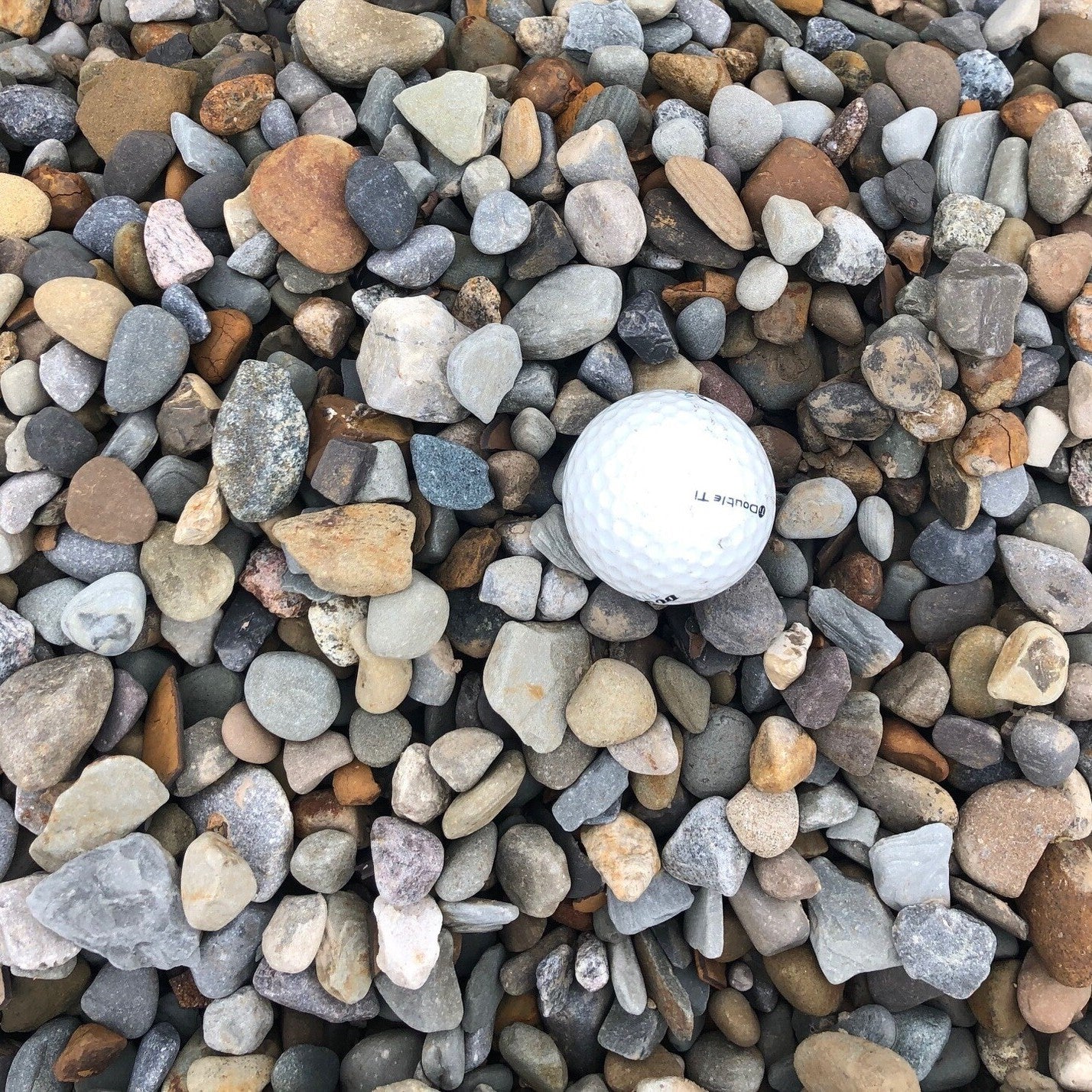
Number 57 crushed stone, angular limestone graded to about three quarters of an inch. The standard driveway, base and drainage gravel, it locks together under traffic and drains fast.
I used Mulch Mound to have 3 cubic yards of garden soil delivered. The process was easy and I love that I didn't have to call anyone. I placed my order online, picked my delivery date, laid out my tarp and the dirt was delivered. My delivery had to be pushed back, but I was ke...
Tell us what you're looking for
Thanks! We received your request.
Something went wrong. Please try again.
How Much Material Do I Need?
For pathways and bed borders in Deltona, a 2 to 3 inch depth is the standard recommendation to achieve good coverage over landscape fabric and hold position through heavy summer rain. Drainage channels and swales may need a 4 to 6 inch depth of clean stone to provide adequate flow capacity for the intense rainfall events that are common in Deltona's summer storm season.
Use our free gravel calculator
What is a yard?
A yard is approximately 27 cubic feet. As a general guideline, one yard of material can cover an area of about 100-160 square feet at a 2-3 inch depth.
We can't take orders for this right now. Tell us what you need and we'll get back to you.
What do you need?
Thanks! We received your request.
Something went wrong. Please try again.
Hand-picked local yards
4,000+ regional deliveries
Dedicated support
Why order through Mulch Mound
The best local stone, without the guesswork.
We hand-pick and partner with the best yards in your region, keep only the ones our buyers rate well, and back each load with our guarantee.
Mulch Mound Guarantee
If your stone isn't the quantity or quality you ordered, we'll make it right.
About this stone
Number 57 crushed stone, angular limestone graded to about three quarters of an inch. The standard driveway, base and drainage gravel, it locks together under traffic and drains fast.
I used Mulch Mound to have 3 cubic yards of garden soil delivered. The process was easy and I love that I didn't have to call anyone. I placed my order online, picked my delivery date, laid out my tarp and the dirt was delivered. My delivery had to be pushed back, but I was ke...
How Much Material Do I Need?
For pathways and bed borders in Deltona, a 2 to 3 inch depth is the standard recommendation to achieve good coverage over landscape fabric and hold position through heavy summer rain. Drainage channels and swales may need a 4 to 6 inch depth of clean stone to provide adequate flow capacity for the intense rainfall events that are common in Deltona's summer storm season.
Use our free gravel calculator
What is a yard?
A yard is approximately 27 cubic feet. As a general guideline, one yard of material can cover an area of about 100-160 square feet at a 2-3 inch depth.
I used Mulch Mound to have 3 cubic yards of garden soil delivered. The process was easy and I love that I didn't have to call anyone. I placed my o...
Read full review
I used Mulch Mound to have 3 cubic yards of garden soil delivered. The process was easy and I love that I didn't have to call anyone. I placed my order online, picked my delivery date, laid out my tarp and the dirt was delivered. My delivery had to be pushed back, but I was kept informed via text, which was great. So why not 5 stars? The description of garden soil on the website is "A balanced mix of topsoil and organic amendments ready for raised beds, flower gardens, and new planting areas. Good drainage, solid nutrients, easy to work with." What I got was more like fill dirt. It had a lot of gravel, a lot of clay, and random trash mixed in. I didn't test the soil to see if it actually had "amendments" because I already have compost and alpaca manure ready to add, but if I'd known the quality of the dirt was going to be the same as the bagged dirt I bought last year, I probably would have gotten 2 yards of top soil and a yard of leaf compost for better quality, especially since the leaf compost is cheaper. Photo of my mountain of dirt and just some of the trash I found in it.
Really appreciate the care and follow thru that this company had with our order. A hiccup came up but they were quick to respond and address all co...
Read full review
Really appreciate the care and follow thru that this company had with our order. A hiccup came up but they were quick to respond and address all concerns, which made our garden day a success! Thank you for your prompt care.
Measure your project area in length and width, multiply for square footage, then plan for a 2 to 3 inch depth for most decorative and border applications in Deltona. One cubic yard of stone covers approximately 100 to 160 square feet depending on the depth you choose, so divide your square footage by that range to get your starting estimate. Because stone does not compress or settle as much as organic material, your estimate is generally close to your actual need, though a small buffer ensures you can fill any thin spots after spreading.
Stone Types We Deliver in Deltona
Mulch Mound delivers bulk stone by the cubic yard directly to your driveway or job site, so you can tackle any landscaping project without hauling material yourself. If you have been searching for bulk gravel by the yard in Deltona, we offer reliable drop-off service with quantities suited to both small weekend jobs and larger installs. Florida's sandy soil and warm subtropical climate make drainage a top priority, and choosing the right stone keeps your outdoor spaces clean and functional year round.
Pea Gravel
Pea gravel is a popular choice for Central Florida yards, where its smooth, rounded shape and warm earth tones complement the relaxed, open landscape styles common throughout this region. It moves water away freely through sandy soil and works equally well for garden pathways, patio borders, and low-maintenance decorative ground cover.
Complete Your Outdoor Stone Project
Stone borders and pathways pair naturally with a quality mulch layer in adjacent planting beds to give Deltona landscapes a clean, finished look, and combining stone drainage channels with properly graded imported soil helps manage the water movement that Deltona's 54 inches of annual rainfall generates across low-lying yards.
Use a quality woven geotextile fabric beneath all decorative stone installations in Deltona rather than cheaper plastic sheeting options. Deltona's sandy soil, combined with heavy seasonal rainfall, creates conditions where fine particles can migrate upward into stone layers over time, slowly filling the voids and making stone look dirty and thin. A woven fabric allows water to drain freely downward while blocking the upward migration of sand, keeping your stone looking clean and full for years longer than it would without proper underlayment.
Mulch Mound Pro Tip
For foundation borders around Deltona homes, stone is a smarter choice than mulch from a pest management perspective. The warm, moist conditions created by organic mulch against a foundation in Central Florida's climate provide comfortable habitat for termites, ants, and moisture-loving pests that can find their way into structures. Stone keeps that zone dry, exposed, and unattractive to insects, while still providing a finished look that holds up through Deltona's long, hot summers without decomposing or requiring annual replacement.
Mulch Mound Pro Tip
When installing stone drainage channels to manage stormwater in Deltona, size your stone channel wider and deeper than you think you need. The heavy afternoon thunderstorms that roll through Deltona from late May through early October can deliver a significant volume of water in a very short period, and undersized drainage stone channels become overwhelmed quickly. A channel designed for the biggest storms you have seen in your yard rather than the average event gives you a system that actually protects your property when the weather is at its most intense.
The Unique Landscape of Deltona
In Deltona's high-rainfall environment, stone is one of the most practical landscape materials a homeowner can choose for areas where ongoing maintenance needs to be minimal and drainage needs to be reliable. With 54 inches of rain falling each year and much of it arriving in heavy summer bursts, ground cover that allows water to pass through quickly helps prevent the ponding and erosion that bare soil and even turf can develop over time on Deltona's sandy base. The flat terrain around Deltona at roughly 33 feet of elevation means that water movement through the landscape depends heavily on surface materials, and stone-covered areas direct runoff far more predictably than organic ground covers that shift and compact under heavy rain. Stone also holds up to the relentless Central Florida sun without fading, decomposing, or requiring seasonal replacement the way organic mulch does, making it a long-term investment for high-visibility areas of the yard. For pathways, drainage swales, foundation borders, and decorative accents, stone delivers a durable and attractive solution that handles Deltona's demanding climate without the constant upkeep that other ground cover options require.
Frequently Asked Questions
Click a question to see the answer
Answer
What type of stone works best for drainage in Deltona's rainy season?
For drainage channels and swales in Deltona, a clean crushed granite or washed river gravel in the half-inch to one-inch size range works extremely well. The void space between individual stones allows the heavy summer rain that Deltona regularly receives to move through quickly without pooling. Avoid finer stone dust or decomposed granite in drainage applications because the fine particles compact over time and eventually behave more like a solid surface than a permeable one.
Answer
Will stone get too hot to walk on during a Deltona summer?
Some stone types, particularly dark-colored stones like black lava rock or charcoal-toned gravel, can become quite hot in direct Central Florida sun during July and August when temperatures are at their peak. For walking paths and areas where barefoot use is expected, lighter-colored stones like white marble chips or buff limestone reflect more heat and stay at a more comfortable temperature. Stone in shaded areas under Deltona's tree canopies stays noticeably cooler regardless of color.
Answer
How do I keep stone from sinking into Deltona's sandy soil over time?
Sandy soil is known for allowing stones to gradually work their way downward, especially in high-traffic areas or spots that get saturated during Deltona's rainy season. Installing a layer of quality woven geotextile fabric beneath the stone before placing it creates a separation layer that prevents sinking while still allowing water to pass through freely. For pathways, compacting the sandy base first and adding a thin layer of crushed stone dust as a setting bed before the decorative stone goes down also helps maintain a stable, level surface over time.
Answer
Can I use stone instead of mulch around my trees and planting beds in Deltona?
Stone can replace mulch around trees in Deltona, but there are some important trade-offs to consider. Unlike hardwood mulch, stone does not decompose and feed organic matter back into Deltona's nutrient-poor sandy soil, so beds ringed with stone will need more regular fertilization to compensate. Stone also retains heat and can raise soil temperatures around roots during Deltona's hot summers, which can stress certain plants. For trees and shrubs that prefer cooler root zones, organic mulch is usually the better choice, while stone works well in low-planting or purely decorative areas.
Answer
What is the best stone for a pathway that holds up through Deltona's frequent afternoon rain?
Pea gravel and crushed granite are two of the most popular pathway materials in Central Florida specifically because they drain instantly when rain hits and do not become slippery the way smooth stepping stones or compacted materials can. Both hold their position well under foot traffic and the heavy rainfall that Deltona receives from June through September. Pea gravel has a softer, rounded feel underfoot while crushed granite packs slightly and provides a firmer walking surface, so the best choice depends on your preference for feel and the formality of the space.
Answer
How deep should I lay stone for a decorative planting bed border in my Deltona yard?
For decorative stone in planting beds and border areas, a 2 to 3 inch depth is generally sufficient to cover the ground, suppress weed growth through the fabric beneath, and create a finished appearance. Going deeper than 3 inches in a border application uses more material than the project typically warrants. Because Deltona's sandy soil is already well-draining, even a relatively shallow stone layer over landscape fabric does an excellent job of preventing weed growth without impeding the downward movement of rainwater.
Answer
Will stone help control erosion along the edges of my Deltona yard during heavy storms?
Stone is one of the most effective erosion control materials available for Deltona homeowners dealing with edge washout from heavy summer storms. The 54 inches of annual rainfall that Deltona receives can gradually erode bare sandy soil along driveway edges, bed borders, and low areas of the yard over time. A layer of larger stone such as 2 to 3 inch river rock or rip rap along exposed edges absorbs the energy of heavy rain and sheet flow before it can displace soil, and it stays securely in place through the intense downpours that are a regular feature of Deltona summers.
Answer
Is crush and run the same as crusher run?
Crush and run refers to crushed stone blended with stone dust that compacts into a firm, solid base, often used under driveways and pavers. With Deltona's heavy seasonal rainfall and sandy soil, our clean Crushed Stone #57 is a better fit since its washed fines allow water to drain freely instead of holding moisture near the surface.