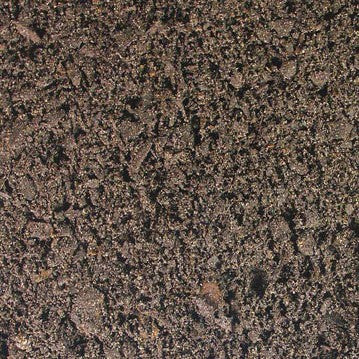
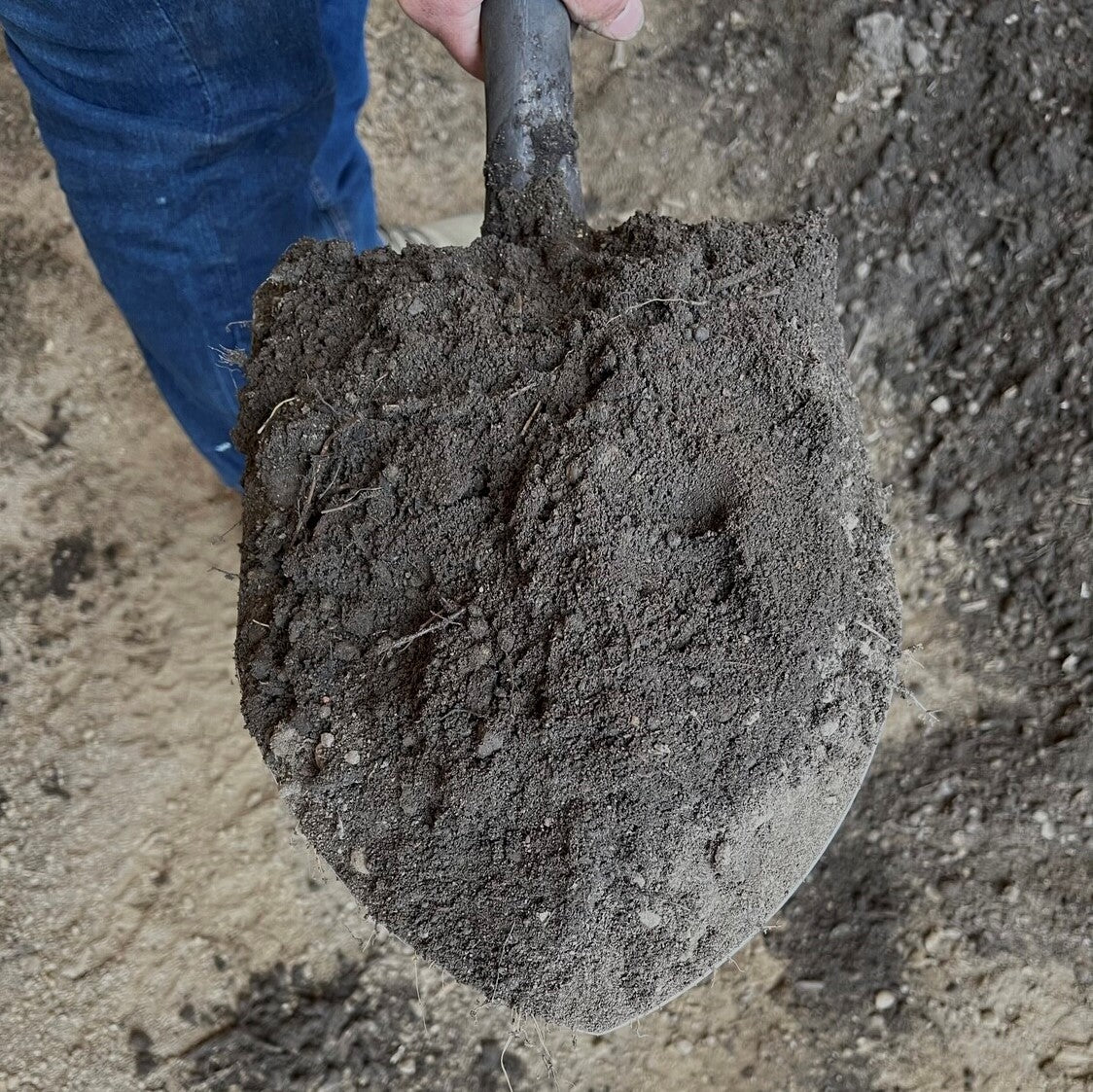
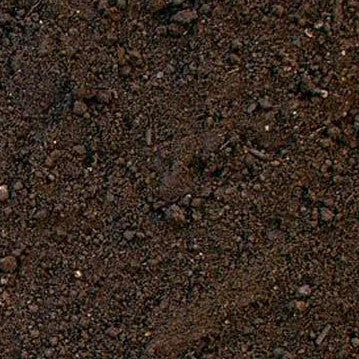
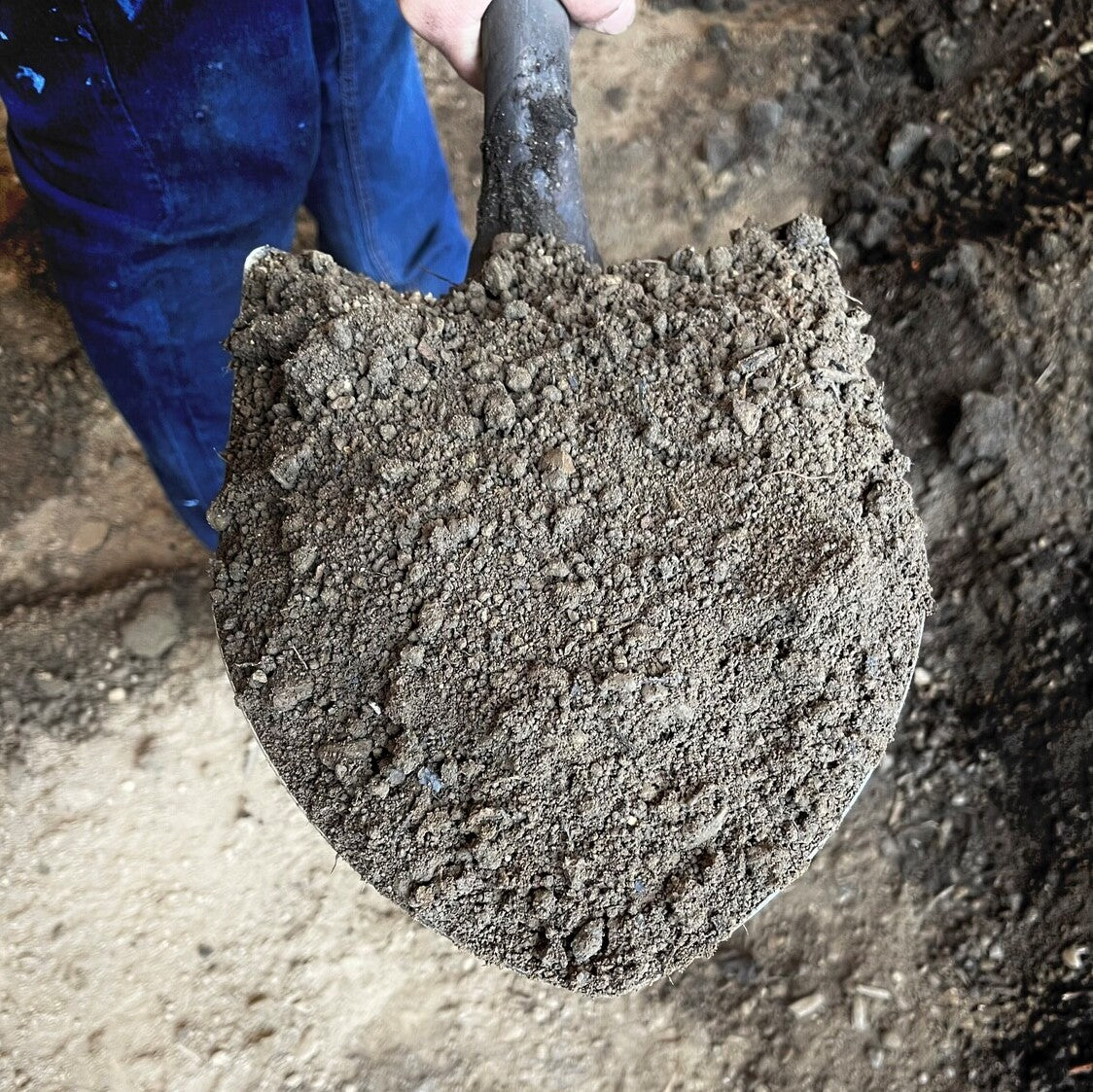
A balanced mix of topsoil and organic amendments ready for raised beds, flower gardens, and new planting areas. Good drainage, solid nutrients, easy to work with.
Ordered the planting mix with an early Saturday delivery. Super easy ordering experience. Dirt was delivered on time and delivery driver was kind enough to let us know I would take up more room than we though so we could pull cars out of the garage. Will be ordering again
Tell us what you're looking for
Thanks! We received your request.
Something went wrong. Please try again.
How Much Material Do I Need?
For lawn topdressing and leveling work in Denton a quarter to half inch layer is usually sufficient to correct minor low spots without smothering existing grass crowns or creating drainage problems at the surface. Garden bed builds and raised planters generally need eight to twelve inches of quality soil to give roots enough growing depth before they encounter the dense clay loam layer that sits below most Denton residential lots.
Use our free soil calculator
What is a yard?
A yard is approximately 27 cubic feet. As a general guideline, one yard of material can cover an area of about 10 feet by 10 feet at a few inches deep.
What is a yards?
A yard is approximately 27 cubic feet. As a general guideline, one yard of material can cover an area of about 10 feet by 10 feet at a few inches deep.
We can't take orders for this right now. Tell us what you need and we'll get back to you.
What do you need?
Thanks! We received your request.
Something went wrong. Please try again.
Hand-picked local yards
4,000+ regional deliveries
Dedicated support
Why order through Mulch Mound
The best local soil, without the guesswork.
We hand-pick and partner with the best yards in your region, keep only the ones our buyers rate well, and back each load with our guarantee.
Mulch Mound Guarantee
If your soil isn't the quantity or quality you ordered, we'll make it right.
About this soil
A balanced mix of topsoil and organic amendments ready for raised beds, flower gardens, and new planting areas. Good drainage, solid nutrients, easy to work with.
Ordered the planting mix with an early Saturday delivery. Super easy ordering experience. Dirt was delivered on time and delivery driver was kind enough to let us know I would take up more room than we though so we could pull cars out of the garage. Will be ordering again
How Much Material Do I Need?
For lawn topdressing and leveling work in Denton a quarter to half inch layer is usually sufficient to correct minor low spots without smothering existing grass crowns or creating drainage problems at the surface. Garden bed builds and raised planters generally need eight to twelve inches of quality soil to give roots enough growing depth before they encounter the dense clay loam layer that sits below most Denton residential lots.
Use our free soil calculator
What is a yard?
A yard is approximately 27 cubic feet. As a general guideline, one yard of material can cover an area of about 10 feet by 10 feet at a few inches deep.
What is a yards?
A yard is approximately 27 cubic feet. As a general guideline, one yard of material can cover an area of about 10 feet by 10 feet at a few inches deep.
Ordered the planting mix with an early Saturday delivery. Super easy ordering experience. Dirt was delivered on time and delivery driver was kind e...
Read full review
Ordered the planting mix with an early Saturday delivery. Super easy ordering experience. Dirt was delivered on time and delivery driver was kind enough to let us know I would take up more room than we though so we could pull cars out of the garage. Will be ordering again
Measure the length and width of your project area in feet, multiply them together for square footage, then decide on your target depth in inches and divide that number by 12 to convert to feet before calculating cubic yards. In Denton it is wise to build in a ten percent overage on your estimate because newly placed soil compresses against the clay loam base as rainfall cycles work through the material during the first wet season. For raised beds being filled from scratch with no existing native soil, calculate the full interior volume of the frame and add ten percent to account for the settling that typically occurs after Denton's first significant spring rain.
Soil Types We Deliver in Denton
Mulch Mound delivers bulk topsoil by the yard in Denton and throughout the surrounding area, bringing the right soil straight to your door. North Texas clay can make growing difficult, so having quality soil on hand makes a real difference for lawns, gardens, and grading projects.
Screened Top Soil
Our screened topsoil is a popular choice for lawn repairs, garden bed prep, and landscaping throughout Denton. Finely processed to remove rocks and debris, it delivers a smooth texture that supports strong root development and works well for topdressing turf or building up planting areas.
Fill Dirt
Unscreened and affordable, fill dirt is the practical choice for grading low spots, building up yard elevation, or preparing a base before adding finer materials. Not intended for planting, it handles rough leveling and structural fill on residential lots across the area.
Gardening Blend
A balanced mix of topsoil and organic amendments, our gardening blend comes in standard and premium styles to suit different budgets. It drains well, holds nutrients, and is ideal for raised beds and new planting areas where the native clay soil needs improvement.
Garden Compost
Packed with organic matter, this finished compost is a strong amendment for North Texas gardens where clay soils limit drainage and nutrients. Work it into existing beds or new planting areas to improve soil structure, boost water retention, and give plants a better foundation to grow from.
Complete Your Outdoor Soil Project
Finishing your soil project with a layer of hardwood mulch over new garden beds locks in the moisture and nutrients your fresh soil provides through Denton's dry summer months when evaporation rates are at their peak. Adding decomposed granite or river stone borders around raised beds and graded areas also prevents soil erosion along the edges when spring storms send sheets of water across exposed yard sections.
Can I use bulk soil to fix the low spots in my Denton lawn before the growing season kicks off?
Absolutely, and the ideal window for that work in Denton is the few weeks just before and after the last frost around March 15. Applying a thin layer of quality soil over low spots at that time gives grass crowns a chance to grow through the new material as warm-season turf begins its active growth phase in April and May. Applying too thick a layer at once can smother existing grass, so work in increments of no more than a half inch at a time if you are topdressing over living turf.
Answer
How much bulk soil do I need to fill raised garden beds in my Denton backyard?
For most raised bed frames in Denton, you want a minimum of ten to twelve inches of quality soil depth to give plant roots room to develop without hitting the dense clay loam layer below. Calculate your cubic footage by multiplying length by width by depth in feet, then convert to cubic yards by dividing by 27. It is worth adding a small overage to your order because quality soil compresses slightly after the first few rainfall cycles work their way through a new bed.
Answer
Will adding bulk topsoil actually help with the drainage issues caused by Denton's heavy clay base?
Adding quality topsoil improves drainage in the upper zone of your beds and lawn areas, but it works best when combined with proper grading so water has a path to move rather than pool. Simply mounding soil on top of clay loam without attention to slope can create a perched water table effect where moisture sits at the interface of the two materials during Denton's wet spring months. Grading the new soil at a gentle slope away from structures and plant crowns makes a significant difference in how fast your yard sheds water after a heavy storm.
Answer
What is the best time of year to do major soil grading work in Denton?
The window between Denton's last frost around March 15 and the onset of consistently high heat in June is the most practical time for grading and bed-building projects. Soil placed during that spring period has time to settle, bind with the native clay loam base, and receive natural rainfall that helps the two materials integrate. Doing major earthwork in the heat of a Denton July or August is possible but much harder on equipment and labor, and the dry soil can be difficult to shape and compact properly.
Answer
Can I just mix bulk soil into Denton's native clay loam, or do I need to remove the clay first?
For most residential projects in Denton you can work with the native clay loam as a base without removing it. Tilling the top four to six inches of clay before adding new soil helps the two materials blend rather than sitting in distinct layers, which improves drainage performance and root penetration over time. For raised beds and garden areas where you want maximum control over soil quality, filling entirely with quality bulk soil above the native clay gives you the cleanest result and the most predictable growing conditions.
Answer
How do I keep freshly delivered bulk soil from washing away during Denton's spring storm season?
The fastest protection is to cover newly spread soil with a layer of mulch or seed it with grass as quickly as possible after delivery. Bare topsoil is vulnerable to the intense raindrop impact that accompanies North Texas spring storms, which can move surprising amounts of fine material in a single heavy event. Stone or edging borders around freshly soiled beds also act as physical barriers that keep material in place while the soil settles and plant roots begin to establish.
Answer
Does Denton's dry summer heat affect how quickly new bulk soil settles and stabilizes?
Yes, summer heat in Denton dries and firms up freshly placed soil relatively quickly, which can be an advantage for grading projects but creates challenges if you are trying to establish plants at the same time. Soil delivered and spread during July or August will need consistent irrigation to stay workable and to support plant establishment through the heat. Timing major soil projects for spring or fall whenever possible takes advantage of Denton's moderate temperatures and natural rainfall to help the material settle and support plant growth with less supplemental watering.
Mulch Mound Pro Tip
The window between Denton's last frost around March 15 and the start of triple-digit heat in June is the most productive time to complete major soil grading and bed-building projects in this area. Soil placed during that spring period settles and binds with the native clay loam below before summer dryness causes the clay to contract and pull away from the new material. Working during spring also lets natural rainfall do much of the initial watering and settling work, reducing the irrigation burden on a newly completed project.
Mulch Mound Pro Tip
Denton's clay loam drains poorly enough that simply adding bulk soil on top without addressing grade can create persistent moisture problems rather than solving them. Grading the new material so it slopes gently away from foundations, planting beds, and low-lying lawn areas at roughly one inch of drop per linear foot gives water a clear path to move across the surface rather than pooling against structures or plant crowns. This attention to grade is one of the most cost-effective improvements a Denton homeowner can make given how much water clay loam holds during a busy spring storm season.
Mulch Mound Pro Tip
Growing Zone 8a in Denton means a frost-free window that runs from mid-March through mid-November, giving productive raised beds nearly eight full months to generate harvests from both cool-weather spring crops and warm-season summer vegetables. Filling raised beds with quality bulk soil rather than trying to amend Denton's native clay loam gives plant roots the loose, aerated environment they need to take full advantage of that long season. Building beds to a minimum depth of ten to twelve inches ensures roots never hit the compacted clay layer that sits just below the surface of most Denton residential properties.
The Unique Landscape of Denton
Denton's native clay loam is often too dense and poorly aerated for vegetable gardens, raised beds, or lawn repair projects to succeed without significant amendment or replacement. The natural clay content holds nutrients reasonably well but compacts quickly under foot traffic and equipment, squeezing out the air pockets that roots need to push through and establish. Spring rains soak the clay loam to capacity within just a few hours and that saturation lingers well into early summer, leaving lawn areas prone to standing water and root suffocation during the wettest months. As the soil dries out through June and July it contracts and pulls away from itself, leaving surface cracks that damage turf root systems and create uneven ground in beds and lawn areas alike. For grading and leveling projects, native clay loam alone rarely produces a stable, workable surface because its volume shifts noticeably as moisture content changes through Denton's alternating wet and dry seasons. Bringing in quality bulk soil gives you direct control over composition, drainage characteristics, and organic content from the very beginning of your project.