







About this mulch

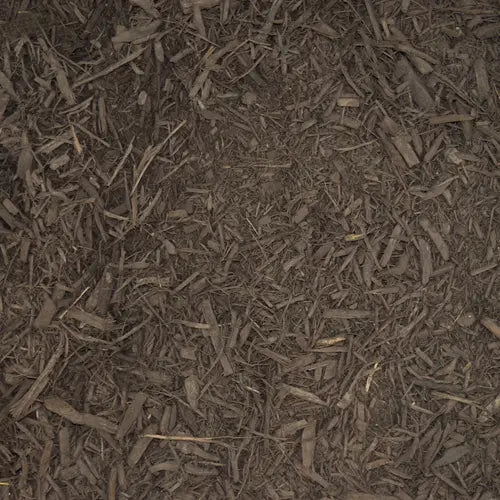
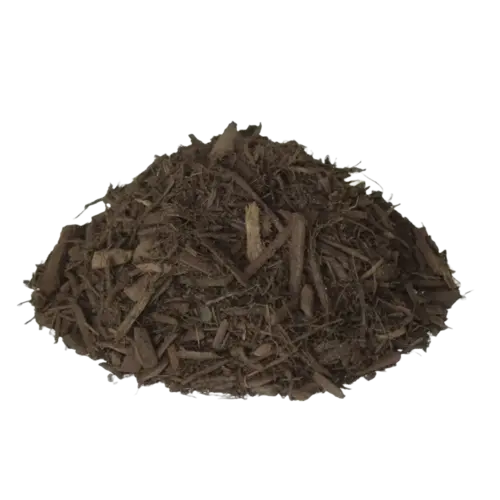
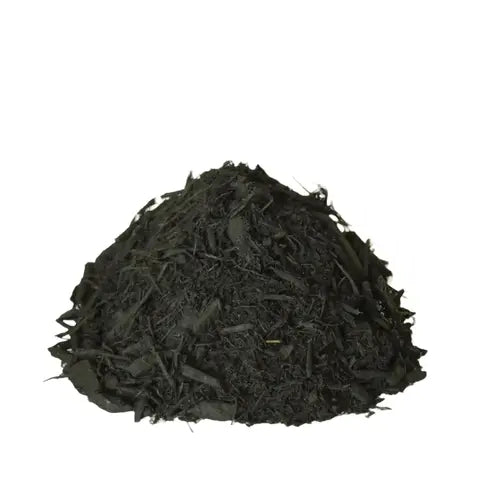
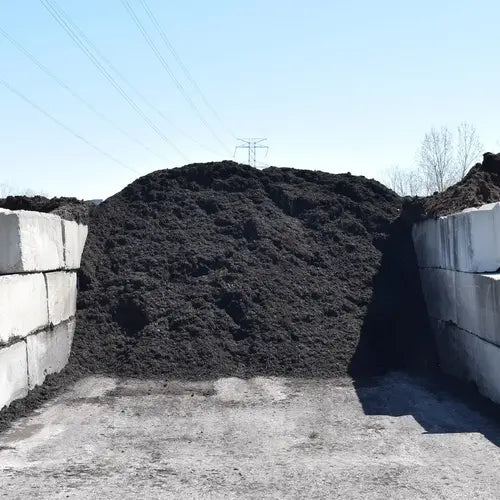
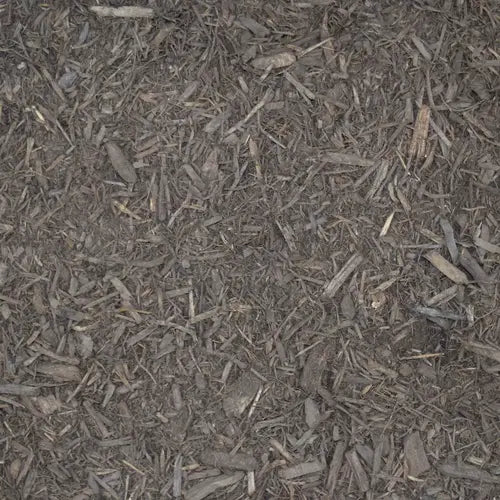
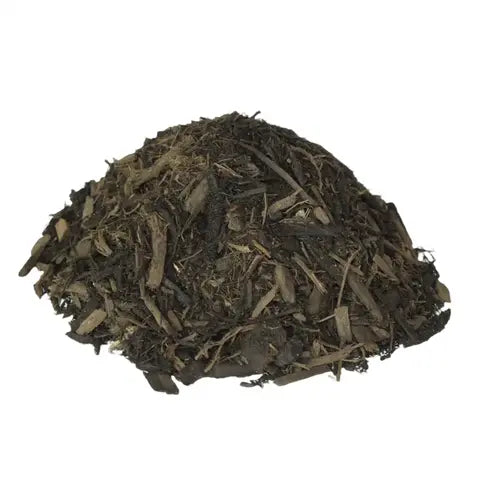
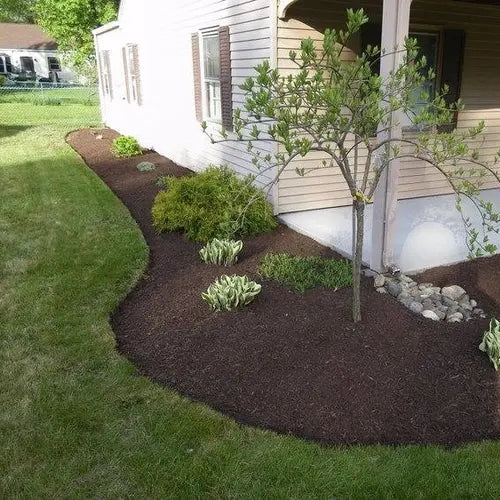
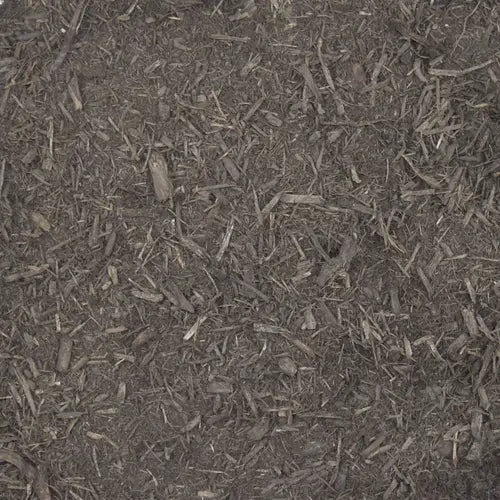
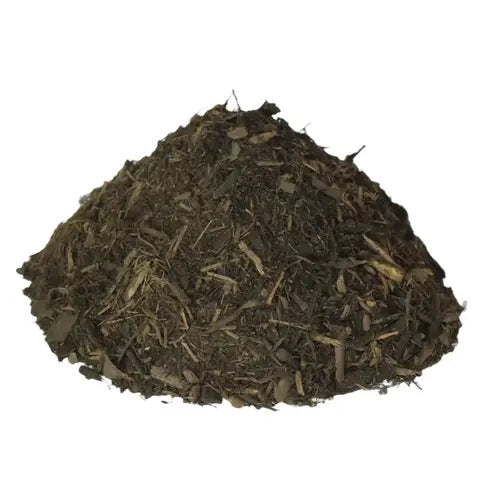
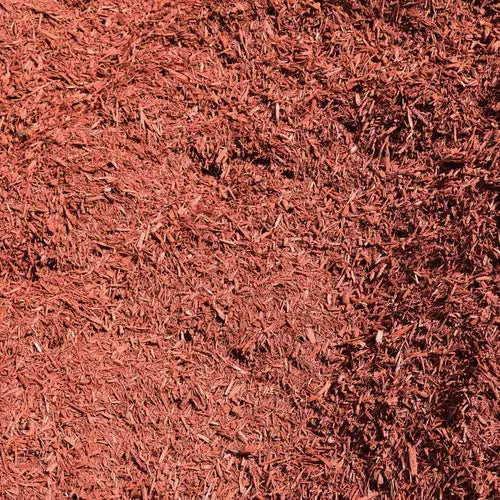
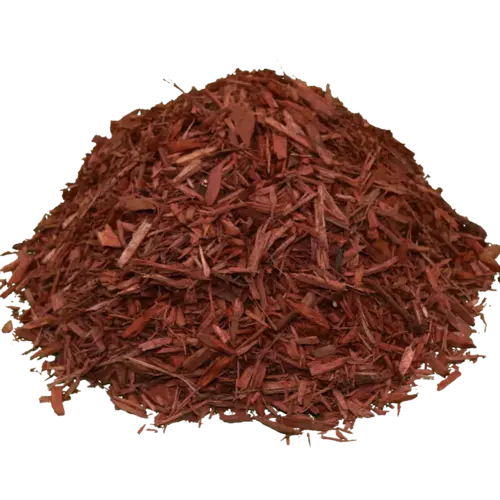
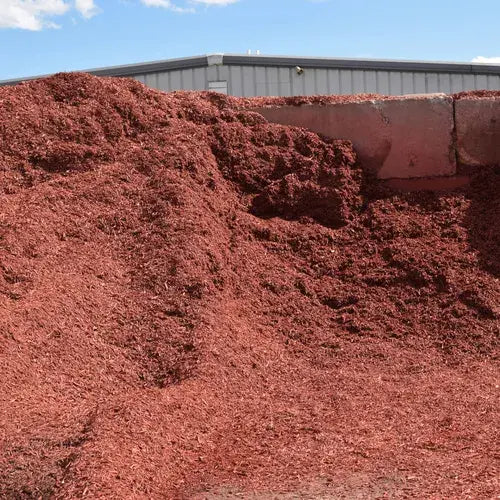
Warm brown double shredded mulch with lasting color that looks freshly applied for weeks. Spreads smooth, stays put, and gives beds a natural, polished appearance.

We had a great experience today. This was our first time using Mulch Mound, and I found the price competitive and the online ordering very easy. We are impressed with the quality of the mulch, too! It is covering well - a great value!

Two to three inches of mulch hits the sweet spot for most Denton planting beds, deep enough to suppress weeds and hold moisture in clay loam without blocking the slow natural drainage that the soil provides during wet spring periods. Avoid piling more than four inches around plant crowns and root zones, as overly thick applications can trap humidity and heat against stems during Denton's warm, muggy summer nights.
Use our free mulch calculator

A yard is approximately 27 cubic feet. As a general guideline, one yard of material can cover an area of about 100-160 square feet at a 2-3 inch depth.

Denton Mulch Delivery

Denton Mulch Delivery

4.7
137 reviews
Regular price $64.00 per yard
Regular price Sale price $64.00
Sale Sold out
Color
Style
Minimum of 3 yard
Hand-picked local yards
4,000+ regional deliveries
Dedicated support
Why order through Mulch Mound

The best local mulch, without the guesswork.

We hand-pick and partner with the best yards in your region, keep only the ones our buyers rate well, and back each load with our guarantee.

Mulch Mound Guarantee

If your mulch isn't the quantity or quality you ordered, we'll make it right.

About this mulch

Warm brown double shredded mulch with lasting color that looks freshly applied for weeks. Spreads smooth, stays put, and gives beds a natural, polished appearance.

We had a great experience today. This was our first time using Mulch Mound, and I found the price competitive and the online ordering very easy. We are impressed with the quality of the mulch, too! It is covering well - a great value!

Two to three inches of mulch hits the sweet spot for most Denton planting beds, deep enough to suppress weeds and hold moisture in clay loam without blocking the slow natural drainage that the soil provides during wet spring periods. Avoid piling more than four inches around plant crowns and root zones, as overly thick applications can trap humidity and heat against stems during Denton's warm, muggy summer nights.
Use our free mulch calculator

A yard is approximately 27 cubic feet. As a general guideline, one yard of material can cover an area of about 100-160 square feet at a 2-3 inch depth.

View full details

How It Works

Getting started is easy — just follow these simple steps

1

Choose your Mulch

Make sure you adjust the quantity to your home's needs. You can use our calculator to estimate how much you'll need.

2

Select your delivery date

Select a delivery date you'd like for the product to be dropped off at your home

3

Sit back and wait

Sit back, wait, and let us work our magic to make sure the highest quality product is delivered to your driveway.

What Denton Customers Are Saying

4.7
out of 5 based on 137 reviews
Google Reviews

Calculate mulch for your Denton project

For Denton's Clay Loam type of soil, we recommend 2-3 inches for best weed suppression and moisture retention

Try Our Calculator
📍

Measure the length and width of each bed in feet and multiply to get square footage, then plan on two to three inches of depth for most Denton applications and divide by 12 to convert to a footage depth before calculating cubic yards. If your yard has multiple separate beds divided by lawn, sidewalk, or stone edges, calculate each area individually and add the totals together before placing your order. Ordering about ten percent more than your calculation suggests is a smart habit in Denton because the hot, dry stretches from June through August break down surface mulch faster than in cooler climates, leaving thin spots sooner than you might expect.

Mulch vs. No Mulch: The Difference

Denton's intense summer sun and long Zone 8a growing season accelerate the breakdown of natural, undyed mulch products, meaning hardwood and cedar options will need refreshing more frequently than they would in a climate with cooler summers or a shorter frost-free window. Dyed and color-enhanced mulches use a binding process that slows decomposition and holds visual appeal through months of Texas heat, making them a practical choice for high-visibility beds that face direct western afternoon sun. Both options deliver real moisture retention and weed suppression benefits, but the right choice depends on how much seasonal upkeep you want to commit to across Denton's demanding eight-month growing season.

Before image
After image
Slider handle
Before
After

Mulch Types We Deliver in Denton

Ordering bulk mulch delivery in Denton is the simplest way to cover large beds, tree rings, and landscape borders without multiple trips to the store. We deliver by the cubic yard so you get exactly the volume your yard needs. Our selection includes dyed, natural, and specialty mulches suited to the heat and conditions that come with a North Texas summer.

Dyed Black Mulch

Bold and dark against the warm-toned brick and stone common across North Texas homes, dyed black double shredded mulch instantly refreshes flower beds and borders. The rich color holds up through hot Texas summers and heavy spring rains, giving landscapes a clean, polished look that lasts through the season.

Dyed Brown Mulch

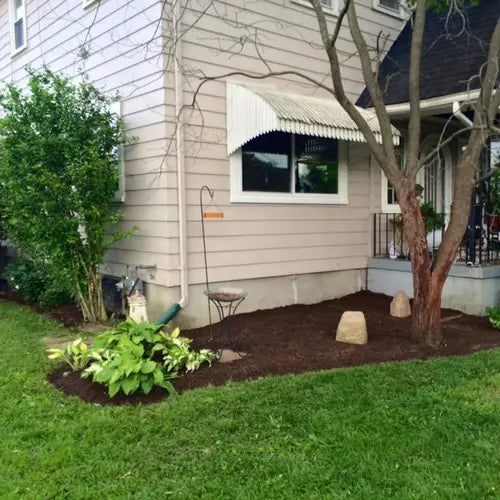
Warm brown double shredded mulch suits the natural look that pairs well with native plants and traditional North Texas landscaping. It spreads smoothly over clay-heavy soil, holds moisture through the summer heat, and keeps its color for weeks without looking faded or washed out.

Natural Brown Mulch

Available in double shredded and triple shredded styles, natural brown mulch delivers an honest earthy tone without added dye. The finer triple shredded cut stays put on sloped beds where wind and rain are a concern in Denton, while double shredded works well for large open areas.

Cedar Mulch

Double shredded cedar is a practical choice for North Texas yards where warm seasons invite insects and promote decay. Natural oils in the cedar deter pests, slow moisture loss, and keep beds smelling fresh long after the initial install.

Complete Your Outdoor Mulch Project

Pairing mulch with a quality bulk garden soil amendment can dramatically improve the dense clay loam that sits beneath your beds, giving roots room to spread after Denton's wet spring seasons loosen the surface. Decorative stone borders and pathway gravel also complement mulched beds beautifully and help define clean edges that stay put through North Texas wind events and heavy spring storms.

Mulch Mound Pro Tip

Denton's clay loam holds water naturally but becomes compacted and nearly water-repellent when it dries out during long stretches of summer heat. Applying mulch before the heat sets in, ideally in late March or early April, prevents the soil surface from baking into the hard, cracked crust that sheds irrigation water rather than absorbing it. This keeps the ground receptive to moisture when summer storms do arrive, so both rainfall and irrigation actually reach plant roots instead of running off the surface.

Mulch Mound Pro Tip

With Denton's growing season running from mid-March through mid-November, weed pressure is nearly continuous and a thin layer simply cannot keep up with the germination cycles that play out across eight months. Committing to a full three inches in your ornamental beds before the last frost date passes gives you a meaningful head start on the cool-season weed seeds that sprout aggressively in April. Checking for thin spots in midsummer and topping those areas off is one of the highest-return maintenance tasks a Denton homeowner can do to reduce hand weeding through the rest of the season.

Mulch Mound Pro Tip

Denton's 39 inches of annual rainfall sounds manageable on paper, but it tends to arrive in short, intense bursts during spring storm season rather than gentle and steady showers that soil can absorb gradually. Those downpours hit bare soil hard, splashing clay particles onto plant foliage and carving small runoff channels that erode the edges of your planting beds over time. A well-settled layer of shredded hardwood mulch absorbs the kinetic energy of heavy raindrops before they reach the soil surface, slowing runoff and keeping your bed edges defined even after an overnight storm drops two inches or more.

Frequently Asked Questions

Click a question to see the answer

Answer

How thick should I apply mulch given that Denton has clay loam soil underneath my beds?

Two to three inches is the ideal range for most Denton planting beds. Clay loam already holds moisture naturally, so going much deeper than three inches can trap excess humidity against plant crowns during the humid summer nights that North Texas is known for. At two to three inches you get strong weed suppression and solid moisture retention without interfering with the slow drainage that clay loam provides on its own.

Answer

Will mulch actually help with weed pressure through Denton's long growing season?

Yes, and weed pressure in Denton is genuinely relentless because the growing season runs from mid-March all the way through mid-November. A consistent three-inch layer blocks sunlight from reaching the weed seeds that germinate aggressively once soil temperatures climb in April. Refreshing thin spots in midsummer is also worthwhile because a second wave of weed germination often catches Denton gardeners off guard in August when heat-loving summer annuals are just hitting their stride.

Answer

Does Denton's heavy spring rainfall wash mulch out of my beds during storm season?

It can, especially in beds along slopes or near downspouts where spring storms concentrate runoff. Shredded hardwood mulch interlocks as it settles and resists displacement much better than chunk-style products during heavy downpours. Keeping a defined border of stone or edging around your beds also helps hold mulch in place when Denton gets one of those overnight two-inch rain events that hit fast and move on quickly.

Answer

What is the best time of year to put fresh mulch down in Denton?

Late March to early April is the prime window for Denton homeowners. Applying mulch right after the last frost date around March 15 locks in spring soil moisture before summer heat arrives and gives you a head start on the weed seeds that germinate quickly as soil temperatures rise through April. A light refresh in early October before the first frost around November 16 can also help moderate soil temperature swings during the transition into winter.

Answer

Is natural hardwood mulch or dyed mulch a better choice for Denton's intense summer sun?

Both perform well on moisture retention and weed suppression, but the choice comes down to how much maintenance you want to do. Denton's intense sun and long growing season accelerate the breakdown of natural hardwood mulch, meaning you may need to refresh it more often than you would in a cooler climate. Dyed mulch uses a color-binding process that slows decomposition and holds its appearance through the summer, making it a practical option for high-visibility beds that face full western sun through long Texas afternoons.

Answer

How often do I need to replace or top off mulch in Denton's climate?

Plan on refreshing natural mulch once a year in Denton, typically each spring before temperatures climb into the 90s. The combination of high summer heat, soil microbe activity in the clay loam, and the long eight-month growing season breaks organic mulch down faster here than in cooler zones. If you chose a dyed or color-stabilized product you may get 18 months before coverage thins enough to warrant topping off.

Answer

Can mulch help protect my plants if a late frost sneaks in after March 15 in Denton?

A layer of mulch over the root zone does provide some insulation against late cold snaps, which are not uncommon in Denton's Zone 8a even after the average last frost date passes. The thermal mass of moist clay loam beneath the mulch holds heat overnight and releases it slowly, which can keep root zone temperatures a few degrees warmer than bare soil. Mulch will not protect above-ground foliage from a hard freeze, but it does give roots a buffer that improves plant recovery after an unexpected late-season frost.

The Unique Landscape of Denton

Denton's clay loam soil drains slowly and tends to hold moisture near the surface for days after heavy spring storms, creating conditions where plant roots can swing between waterlogged and bone dry within a matter of weeks. A consistent layer of mulch acts as a buffer at the soil surface, regulating moisture so beds do not experience those extreme swings that stress plants through the long North Texas summer. With temperatures routinely climbing past 100 degrees between June and August, bare clay loam bakes into a hard, cracked crust that sheds water rather than absorbing it, making irrigation far less effective. Mulch slows that surface evaporation dramatically and keeps the ground receptive to rainfall even during the driest stretches of the season. Denton's growing season runs from the last frost around March 15 through the first frost around November 16, giving landscape beds a demanding eight-month window that rewards consistent bed preparation and coverage. Keeping mulch refreshed each spring gives your plants the stable, protected root environment they need to thrive from cool spring mornings straight through the heat of a North Texas August.