About this stone

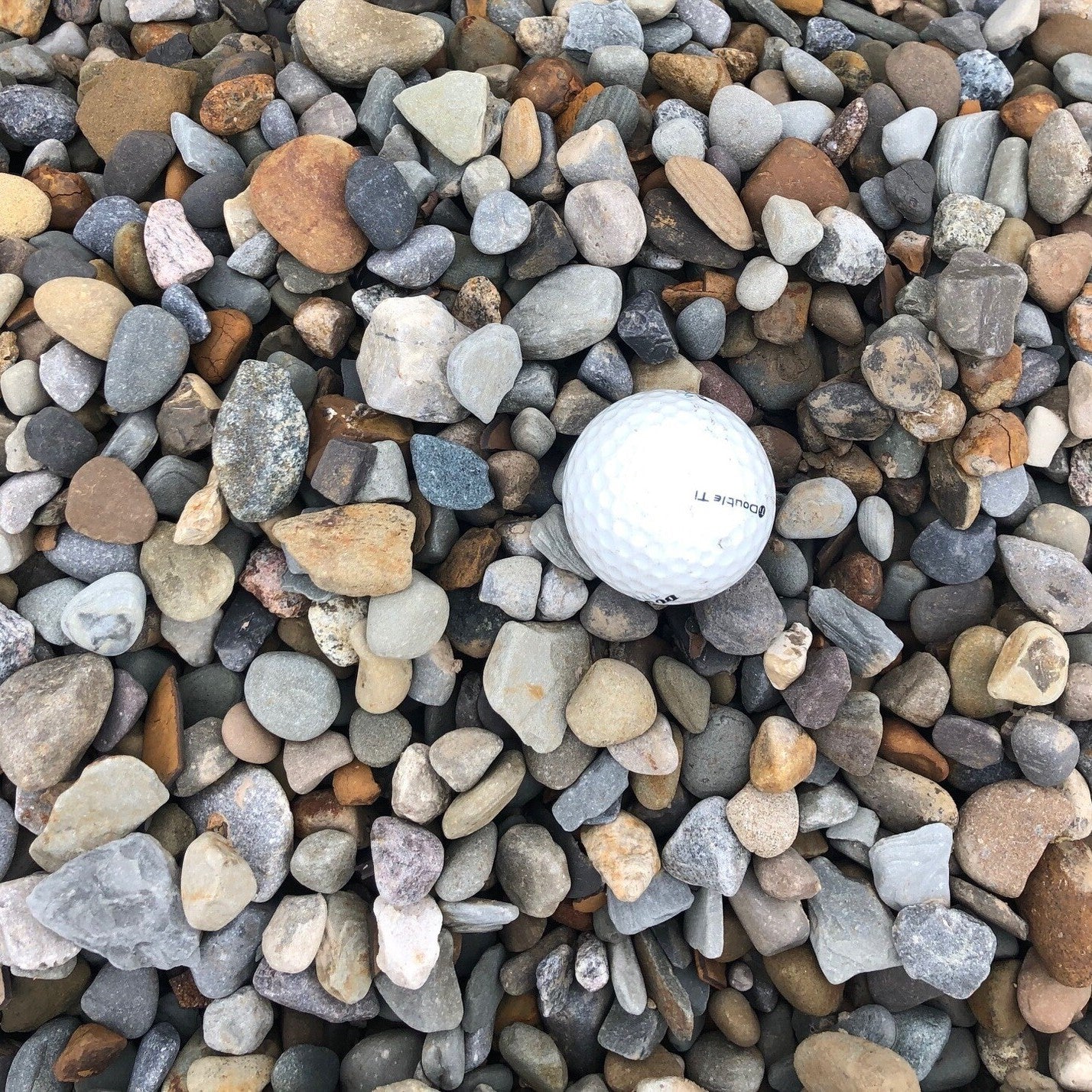
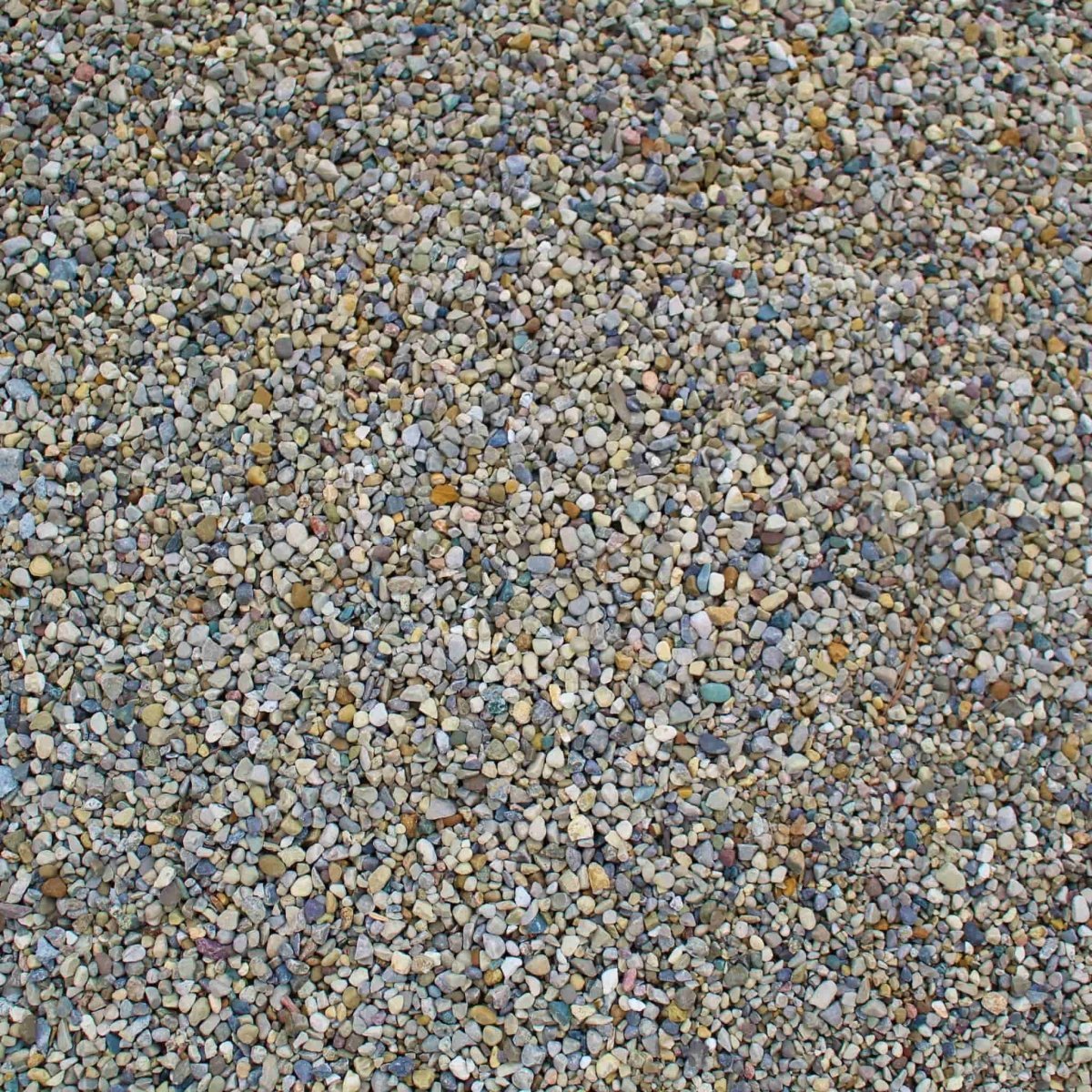
Classic pea gravel with smooth, rounded edges and natural earth tones. A versatile favorite for pathways, patios, drainage, and decorative ground cover.

I contacted Mulch Mound for #57 river rocks and it was easy and fast to get a delivery right before the holiday weekend. Stone was delivered as promised and place exactly where I asked. Excellent service! I will be ordering mulch next!

For decorative ground cover and pathway applications in Denton, two to three inches of stone provides solid coverage that resists displacement during the intense spring rainfall events that North Texas clay loam sheds quickly. Drainage channels, dry creek beds, and functional drainage trenches typically need four to six inches of stone depth to manage the volume of water that flows across clay loam surfaces during heavy spring storms.
Use our free stone calculator

A yard is approximately 27 cubic feet. As a general guideline, one yard of material can cover an area of about 100-160 square feet at a 2-3 inch depth.

A ton is approximately 2,000 pounds. Coverage varies by stone type and depth, but as a general guideline, one ton covers roughly 80-100 square feet at 2 inches deep.

Denton Stone Delivery

Denton Stone Delivery

4.7
137 reviews
Regular price $133.00 per yard
Regular price Sale price $133.00
Sale Sold out
Type
Size
Minimum of 3 yard
Hand-picked local yards
4,000+ regional deliveries
Dedicated support
Why order through Mulch Mound

The best local stone, without the guesswork.

We hand-pick and partner with the best yards in your region, keep only the ones our buyers rate well, and back each load with our guarantee.

Mulch Mound Guarantee

If your stone isn't the quantity or quality you ordered, we'll make it right.

About this stone

Classic pea gravel with smooth, rounded edges and natural earth tones. A versatile favorite for pathways, patios, drainage, and decorative ground cover.

I contacted Mulch Mound for #57 river rocks and it was easy and fast to get a delivery right before the holiday weekend. Stone was delivered as promised and place exactly where I asked. Excellent service! I will be ordering mulch next!

For decorative ground cover and pathway applications in Denton, two to three inches of stone provides solid coverage that resists displacement during the intense spring rainfall events that North Texas clay loam sheds quickly. Drainage channels, dry creek beds, and functional drainage trenches typically need four to six inches of stone depth to manage the volume of water that flows across clay loam surfaces during heavy spring storms.
Use our free stone calculator

A yard is approximately 27 cubic feet. As a general guideline, one yard of material can cover an area of about 100-160 square feet at a 2-3 inch depth.

A ton is approximately 2,000 pounds. Coverage varies by stone type and depth, but as a general guideline, one ton covers roughly 80-100 square feet at 2 inches deep.

View full details

How It Works

Getting started is easy — just follow these simple steps

1

Choose your stone

Make sure you adjust the quantity to your home's needs. You can use our calculator to estimate how much you'll need.

2

Select your delivery date

Select a delivery date you'd like for the product to be dropped off at your home

3

Sit back and wait

Sit back, wait, and let us work our magic to make sure the highest quality product is delivered to your driveway.

From The Mouths of Denton Folks

4.7
out of 5 based on 137 reviews
Google Reviews

Need Help Calculating How Much Stone & Gravel You Need?

Use our NEW Trace from Satellite tool to get an estimate for your project based on an aerial view of your property

Try Our Calculator
📍

Measure your project area in feet and multiply length by width for square footage, then plan on two to three inches of depth for decorative ground cover and three to four inches for functional pathways or drainage applications in Denton. Clay loam expands and contracts as moisture content changes through the wet spring and dry summer seasons, so a slightly deeper stone layer helps accommodate that ground movement without gaps or bare spots appearing at the surface over time. For drainage trenches and dry creek beds, measure the trench dimensions separately from decorative coverage areas and calculate those volumes independently so you order the right amount of each.

Stone Types We Deliver in Denton

When you need bulk gravel by the yard in Denton, choosing the right stone makes a lasting difference for your landscape. The region's clay-heavy soil and intense summer heat call for materials that hold up, stay in place, and help move water where it belongs. We deliver decorative and functional stone by the cubic yard, dropped right where your project needs it.

Pea Gravel

Pea Gravel is one of the most popular stones for North Texas homeowners looking for a clean, natural appearance at a practical price. Its smooth, rounded shape is comfortable underfoot on pathways and around patios, and its open structure lets water pass through quickly to help offset the drainage challenges that come with local clay soils.

Complete Your Outdoor Stone Project

Combining stone borders and pathways with quality mulch in your surrounding planting beds creates a landscape design that holds up through Denton's spring storm season without constant maintenance or rearrangement. Adding a layer of quality garden soil beneath stone in raised border areas also improves drainage performance at the transition zone where the gravel meets the native clay loam below.

Mulch Mound Pro Tip

Denton's clay loam becomes nearly impermeable when fully saturated, which means the intense spring storm season can leave water sitting on the surface with nowhere to go for hours or even days at a time. Installing a layer of angular crushed stone in low-lying areas or along downspout exit points gives runoff a fast lateral pathway through the gravel layer before it has to work its way through the slow clay below. Even a shallow trench six to eight inches deep and packed tightly with angular stone can make a measurable and immediate difference in how quickly standing water clears from a Denton yard after a heavy overnight storm.

Mulch Mound Pro Tip

With Denton summer temperatures regularly topping 100 degrees and true drought conditions common from July through September, stone mulch in ornamental beds around heat-tolerant native plants dramatically reduces irrigation demands compared to bare soil or organic mulch. Unlike hardwood or cedar mulch, stone does not decompose, blow away during the strong North Texas wind events that accompany spring storm fronts, or require annual refreshing to maintain its coverage and appearance. Choosing light-colored stone and pairing it with heat-adapted plants like agave, salvia, or ornamental grasses is a particularly effective strategy for the south and west-facing exposures that take the full force of Denton's afternoon sun.

Mulch Mound Pro Tip

Denton's 39 inches of annual rainfall sounds modest, but the intensity of individual spring storms creates serious erosion challenges on sloped lots where clay loam has very little capacity to absorb runoff quickly. Stone ground cover absorbs the kinetic energy of heavy raindrops at the surface and prevents the splash erosion that strips topsoil and mulch from unprotected areas during hard downpours. On slopes with a grade greater than roughly five percent, pinning permeable landscape fabric beneath a four-inch stone layer before spreading adds a reliable erosion control layer that holds through even the strongest North Texas thunderstorm cells.

The Unique Landscape of Denton

Denton's clay loam soil and intense summer sun create conditions where turf grass and ground cover plants struggle in high-traffic zones, full-sun exposures, and areas where drainage simply cannot keep up with spring storm runoff. Decorative stone offers a genuinely low-maintenance alternative that holds up through North Texas heat, winter freezes, and the heavy spring rain season without fading, eroding, or requiring replanting each season. With 39 inches of annual rainfall arriving mostly in concentrated spring bursts, stone pathways and gravel drainage channels help direct water away from foundations and low spots where clay loam holds moisture like a sponge. Stone borders and ground cover also eliminate the mulch-washing problem that plagues many Denton homeowners after intense storms scour the edges of their planting beds. The comfortable temperatures Denton enjoys in October and early November before the first frost around the 16th make that period an ideal time to complete stone installation projects before winter arrives. Whether you are installing a dry creek bed, a crushed granite pathway, or a decorative gravel border, bulk stone is one of the most durable and climate-appropriate investments you can make in a Denton landscape.

Frequently Asked Questions

Click a question to see the answer

Answer

What type of stone works best for a gravel pathway on top of Denton's clay loam soil?

Crushed granite or decomposed granite is a popular choice for Denton pathways because its angular edges lock together under foot traffic to create a firm, stable surface that does not shift as dramatically as rounded gravel. Laying a permeable landscape fabric beneath the stone before spreading helps prevent the clay loam below from gradually working up through the material after rain and freeze cycles, which is a common issue on Denton clay-based lots. Plan on at least three to four inches of depth to give the pathway durability through the ground movement that clay loam experiences as moisture levels change.

Answer

Can decorative stone help improve drainage in my Denton yard without major excavation work?

Yes, and it is one of the more practical drainage improvements available to Denton homeowners with clay loam properties. Shallow gravel-filled trenches along fence lines, downspout exits, and low-lying yard edges create a fast drainage path that lets water move laterally through the stone layer before it has to pass through the slow clay below. Even a trench six to eight inches deep packed with angular gravel can measurably reduce the time standing water lingers in a Denton yard after a spring storm.

Answer

How do I keep stone from gradually sinking into Denton's clay loam over time?

Landscape fabric installed beneath your stone layer is the most reliable prevention method for Denton properties where clay loam expands and contracts seasonally with moisture changes. The fabric creates a separation barrier that keeps clay particles from working up into the stone and stone from pressing down into the clay during freeze and thaw cycles or after heavy rains. For high-traffic areas like pathways, edging material along the borders also prevents lateral spread that can make stones migrate into surrounding lawn or bed areas over time.

Answer

Is decomposed granite a practical choice for Denton yards, or does the summer heat cause problems with it?

Decomposed granite works very well in Denton and is one of the most commonly used pathway and patio surface materials in North Texas. The heat actually helps it compact and firm up during dry summer months, creating a surface that feels almost like packed dirt but drains far better than native clay loam. One thing to plan for is that Denton's spring storms can scatter loose decomposed granite from unedged pathways, so installing a firm border on both sides of any path is worth the extra effort.

Answer

How much stone do I need for a dry creek bed project in my Denton backyard?

Measure your creek bed trench length and average width in feet, then decide on a depth of four to six inches for functional water movement during heavy rain events. Multiply those three numbers together to get cubic feet and divide by 27 for cubic yards. For dry creek beds in Denton that need to handle actual storm runoff from clay loam soil, erring on the side of a deeper and wider channel is smart because the volume of water that sheds off clay during an intense North Texas spring storm can be substantial.

Answer

Will stone ground cover get uncomfortably hot in Denton's summer sun for areas where people walk or sit?

Dark-colored stone can get quite hot underfoot during July and August in Denton when afternoon temperatures regularly exceed 100 degrees, so material color matters for pedestrian areas. Light-colored options like white or buff pea gravel and natural tan decomposed granite reflect more heat than dark river rock or lava stone and stay more comfortable during peak summer hours. For patio areas and seating spaces, choosing a lighter stone tone and shading the area with a pergola or shade sail makes the surface far more usable through the longest stretches of North Texas summer heat.

Answer

Can river rock along my foundation help manage the drainage and moisture issues that Denton's clay loam creates near my house?

River rock foundation borders are a smart choice for Denton homes precisely because clay loam holds moisture near structures long after rainfall ends, which can lead to foundation movement and basement or crawl space moisture intrusion over time. A six to twelve inch wide gravel border along the foundation perimeter gives water a fast drainage path away from the structure rather than allowing it to pool and saturate the clay directly against the foundation. Grading the ground beneath the river rock so it slopes away from the house at roughly an inch per foot of distance multiplies the benefit significantly.