


We had a great experience with mulch mound! Our mulch arrived when we requested. The delivery fee was so reasonable. We’ll use them again for sure!
About this firewood
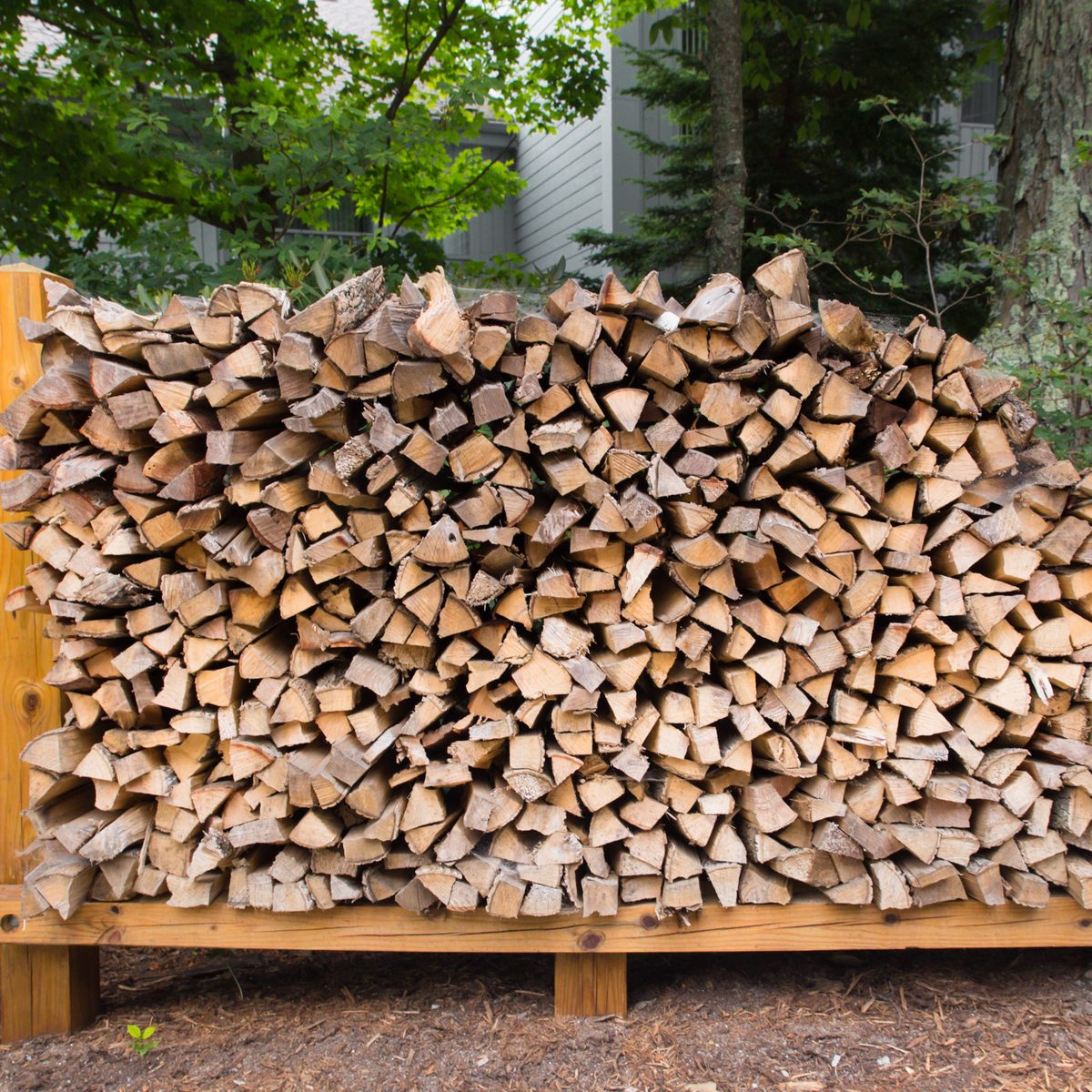
A quarter cord of seasoned hardwood, 32 cubic feet, split and ready to burn. A tidy starter load for occasional fires and fireplace evenings through the season.
We had a great experience with mulch mound! Our mulch arrived when we requested. The delivery fee was so reasonable. We’ll use them again for sure!
Tell us what you're looking for
Thanks! We received your request.
Something went wrong. Please try again.
How Much Firewood Do I Need?
How Much Firewood Do I Need?
For most Denver households, a half cord to one full cord covers a typical fireplace burning season, while full time wood heat users should plan on three to five cords to make it comfortably from the October frost to the May thaw.
What is a 1/4 Cord?
What is a 1/4 Cord?
What is a 1/2 Cord?
What is a 1/2 Cord?
FAQs
FAQs
Denver Firewood Delivery
Denver Firewood Delivery
Regular price
$263.00
per
1/4 Cord
Regular price
Sale price
$263.00
Unit price
per
Shipping calculated at checkout.
Couldn't load pickup availability
Not currently available
We can't take orders for this right now. Tell us what you need and we'll get back to you.
Hand-picked local yards
4,000+ regional deliveries
Dedicated support
Why order through Mulch Mound
The best local firewood, without the guesswork.
We hand-pick and partner with the best yards in your region, keep only the ones our buyers rate well, and back each load with our guarantee.
Mulch Mound Guarantee
If your firewood isn't the quantity or quality you ordered, we'll make it right.
About this firewood
A quarter cord of seasoned hardwood, 32 cubic feet, split and ready to burn. A tidy starter load for occasional fires and fireplace evenings through the season.
We had a great experience with mulch mound! Our mulch arrived when we requested. The delivery fee was so reasonable. We’ll use them again for sure!
How Much Firewood Do I Need?
How Much Firewood Do I Need?
For most Denver households, a half cord to one full cord covers a typical fireplace burning season, while full time wood heat users should plan on three to five cords to make it comfortably from the October frost to the May thaw.
What is a 1/4 Cord?
What is a 1/4 Cord?
What is a 1/2 Cord?
What is a 1/2 Cord?
FAQs
FAQs
Tell us what you're looking for
Thanks! We received your request.
Something went wrong. Please try again.


How It Works
Getting started is easy — just follow these simple steps
1
Choose your cord size
Make sure you adjust the quantity to your home's needs. A full cord suits steady winter heating, and a smaller order suits occasional fires.
2
Select your delivery date
Select a delivery date you'd like for the product to be dropped off at your home
3
Sit back and wait
Sit back, wait, and let us work our magic to make sure the highest quality product is delivered to your driveway.


First time going with this company for mulch and it was an efficient process from start to finish. Website was easy—I told them exactly where I wan...
Read full review
First time going with this company for mulch and it was an efficient process from start to finish. Website was easy—I told them exactly where I wanted the mulch put on my driveway, and it was delivered perfectly when I got home from work the next day. Best deal around when I compared it to competitors and I will definitely be becoming back.
Complete Your Outdoor Project
While you are prepping the property for winter, consider pairing your firewood order with a load of mulch or landscape stone from our Denver page to protect clay soil beds before the ground freezes solid.


Service area
Areas we deliver firewood in Denver, Colorado
- Berkley, Colorado
- Brighton, Colorado
- Broomfield, Colorado
- Columbine, Colorado
- Commerce City, Colorado
- Dakota Ridge, Colorado
- Englewood, Colorado
- Erie, Colorado
- Federal Heights, Colorado
- Firestone, Colorado
- Four Square Mile, Colorado
- Frederick, Colorado
Mulch Mound Pro Tip
Denver's freeze thaw cycles between October and May mean firewood left directly on the ground can wick up moisture from melting snow even in a dry climate. Stack your wood on a pallet or rack a few inches off the ground, keep it away from your house's siding, and cover only the top of the stack so air can still move through the sides and keep everything dry through the winter.
Mulch Mound Pro Tip
Gambel oak burns long and hot, making it a solid choice for overnight coals, while cottonwood lights fast and works well for building a quick bed of heat before adding denser splits. A simple moisture check with an inexpensive meter should read near or below 20 percent before you consider a log truly ready to burn clean in your stove.
Mulch Mound Pro Tip
Order your firewood well before the first frost around October 5, since local seasoned wood supply tends to tighten up once nighttime temperatures start dropping across the Front Range. Buying early also gives freshly split wood extra weeks to finish drying in Denver's low humidity air before you need it for the first cold snap of the season.
Wood Heat in Denver
Denver winters stretch from a first frost around October 5 to a last frost near May 5, which means many homes are running wood stoves or fireplaces for six months or more. At 5,280 feet, the dry high plains air is actually an advantage for firewood because it speeds up seasoning and helps keep split logs from molding in storage. Local suppliers season hardwoods common to the Front Range, like Gambel oak and cottonwood, until moisture content drops low enough to burn hot and clean, which matters more here than in humid climates because green or under seasoned wood smokes heavily in Denver's thin, dry air and produces less heat when you need it most. Buying wood that has already had a proper seasoning period means fewer creosote buildups in your chimney during our long heating season. Given how many nights dip well below freezing between October and May, having a reliable stack of dry, ready to burn hardwood on hand is not a luxury here, it is a necessity.

Local Hardwood Species
Expect dense regional hardwoods like oak, hickory, maple, and ash. These species burn longer and hotter than softwoods, which is what you want when a cold snap settles in and the stove runs all day.

Seasoning and Moisture
Firewood needs 6 to 12 months of drying before it burns well. Properly seasoned wood lights faster, throws more heat, and keeps creosote out of your chimney, which matters most in the coldest weeks of the year.

Buy Local, Burn Local
Firewood that travels long distances spreads invasive pests like the emerald ash borer. Our wood is cut and seasoned close to where it is delivered, which protects local trees and means fresher wood for you.