




We had a great experience with mulch mound! Our mulch arrived when we requested. The delivery fee was so reasonable. We’ll use them again for sure!
About this compost
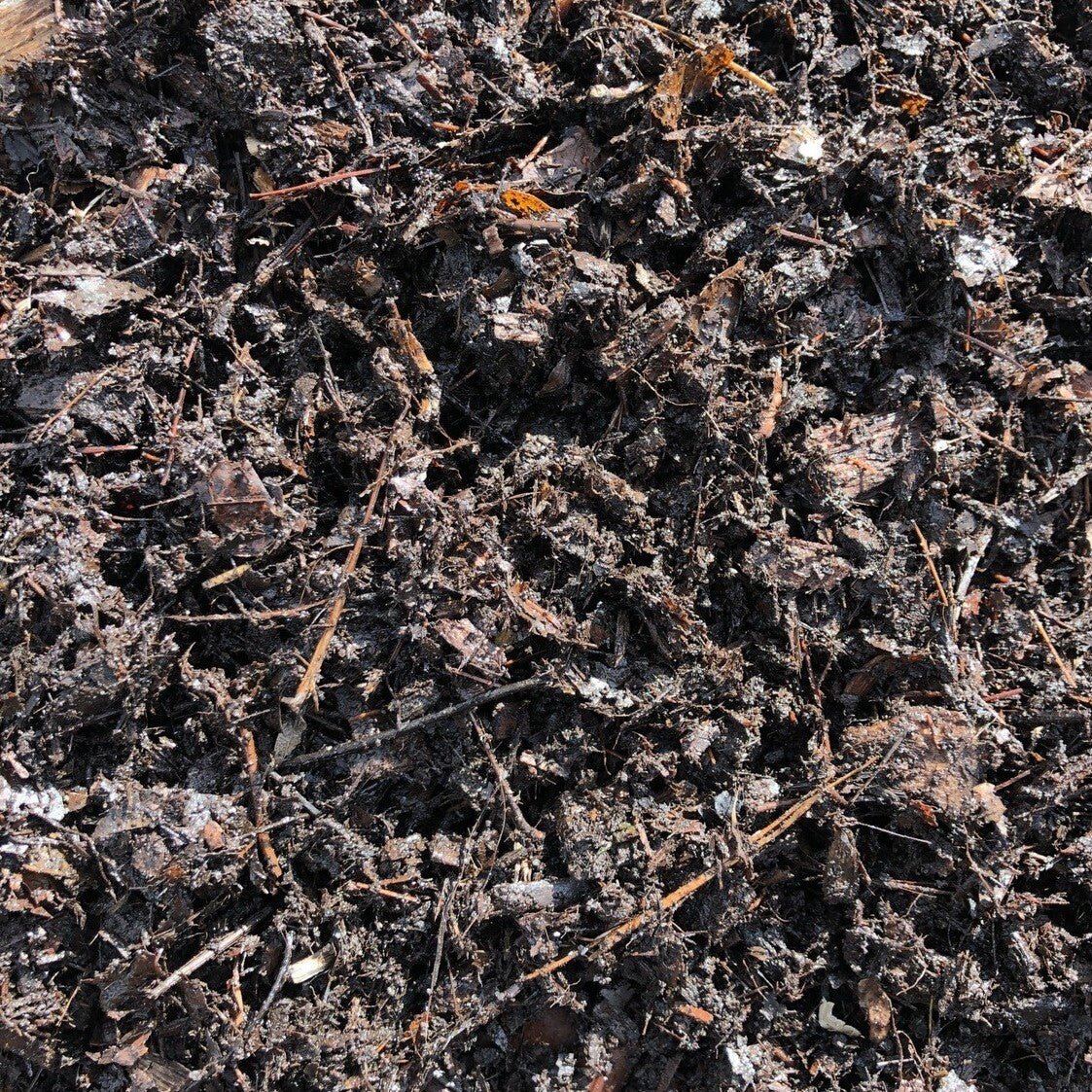
Nutrient rich leaf compost that transforms tired soil. Improves structure, boosts water retention, and feeds the beneficial microorganisms that keep gardens healthy.
We had a great experience with mulch mound! Our mulch arrived when we requested. The delivery fee was so reasonable. We’ll use them again for sure!
Tell us what you're looking for
Thanks! We received your request.
Something went wrong. Please try again.
How Much Compost Do I Need?
How Much Compost Do I Need?
One cubic yard covers about 324 square feet at a 1 inch depth, which is the right rate for lawn top dressing. For bed work at 2 to 3 inches, figure closer to 110 to 160 square feet per yard. Measure your bed or lawn area first, then match it to the depth you actually need, since compost is not a material where more is better.
Use our free compost calculator
What is a yard?
What is a yard?
FAQs
FAQs
Detroit Compost Delivery
Detroit Compost Delivery
Regular price
$30.00
per
yard
Regular price
Sale price
$30.00
Unit price
per
Shipping calculated at checkout.
Minimum of 4 yard
Couldn't load pickup availability
Not currently available
We can't take orders for this right now. Tell us what you need and we'll get back to you.
Hand-picked local yards
4,000+ regional deliveries
Dedicated support
Why order through Mulch Mound
The best local compost, without the guesswork.
We hand-pick and partner with the best yards in your region, keep only the ones our buyers rate well, and back each load with our guarantee.
Mulch Mound Guarantee
If your compost isn't the quantity or quality you ordered, we'll make it right.
About this compost
Nutrient rich leaf compost that transforms tired soil. Improves structure, boosts water retention, and feeds the beneficial microorganisms that keep gardens healthy.
We had a great experience with mulch mound! Our mulch arrived when we requested. The delivery fee was so reasonable. We’ll use them again for sure!
How Much Compost Do I Need?
How Much Compost Do I Need?
One cubic yard covers about 324 square feet at a 1 inch depth, which is the right rate for lawn top dressing. For bed work at 2 to 3 inches, figure closer to 110 to 160 square feet per yard. Measure your bed or lawn area first, then match it to the depth you actually need, since compost is not a material where more is better.
Use our free compost calculator
What is a yard?
What is a yard?
FAQs
FAQs
Tell us what you're looking for
Thanks! We received your request.
Something went wrong. Please try again.


How It Works
Getting started is easy — just follow these simple steps
1
Choose your quantity
Adjust the quantity to match your project. One cubic yard covers about 100 to 160 square feet at a 2 to 3 inch depth.
2
Select your delivery date
Select a delivery date you'd like for the product to be dropped off at your home
3
Sit back and wait
Sit back, wait, and let us work our magic to make sure the highest quality product is delivered to your driveway.


First time going with this company for mulch and it was an efficient process from start to finish. Website was easy—I told them exactly where I wan...
Read full review
First time going with this company for mulch and it was an efficient process from start to finish. Website was easy—I told them exactly where I wanted the mulch put on my driveway, and it was delivered perfectly when I got home from work the next day. Best deal around when I compared it to competitors and I will definitely be becoming back.
Complete Your Outdoor Project
Compost pairs well with a topsoil blend if you're building new beds from scratch, and with mulch on top once it's worked in, since the mulch holds moisture and keeps the compost from drying out too fast. If you're renovating a lawn, a light compost dressing followed by overseeding is a common combination we see ordered together.


Service area
Areas we deliver compost in Detroit, Michigan
- Allen Park, Michigan
- Berkley, Michigan
- Birmingham, Michigan
- Center Line, Michigan
- Clawson, Michigan
- Dearborn, Michigan
- Eastpointe, Michigan
- Ecorse, Michigan
- Ferndale, Michigan
- Fraser, Michigan
- Grosse Pointe Farms, Michigan
- Grosse Pointe Park, Michigan
- Grosse Pointe Woods, Michigan
- Hamtramck, Michigan
- Harper Woods, Michigan
- Hazel Park, Michigan
- Highland Park, Michigan
- Huntington Woods, Michigan
- Lincoln Park, Michigan
- Madison Heights, Michigan
- Melvindale, Michigan
- Mount Clemens, Michigan
- Oak Park, Michigan
- River Rouge, Michigan
- Riverview, Michigan
- Rochester, Michigan
- Roseville, Michigan
- Royal Oak, Michigan
- Southgate, Michigan
- St. Clair Shores, Michigan
- Trenton, Michigan
- Troy, Michigan
- Utica, Michigan
- Woodhaven, Michigan
- Wyandotte, Michigan
Mulch Mound Pro Tip
Detroit's clay soil holds water, so don't till compost in when the ground is soaking wet, you'll just create dense clumps that take a season to break down. Wait for the soil to dry to a crumbly texture, which usually means a few dry days after rain. Spring beds often need this patience more than fall ones, since spring soil here stays wet longer after snowmelt.
Mulch Mound Pro Tip
The biggest mistake we see is piling compost on too thick, thinking it'll boost results. Past 3 inches in beds, compost can actually tie up nitrogen as it continues breaking down, which stunts new plantings instead of helping them. Stick to the 1 to 3 inch range and let the material do its slow work instead of overloading the soil.
Mulch Mound Pro Tip
If you're covering a large lawn area, order compost and mulch as separate deliveries timed a week apart rather than trying to combine one big drop. Compost needs to get worked into soil or top dressed fairly soon after arrival, while mulch can sit longer, so staggering deliveries keeps your compost fresh and workable instead of sitting in a pile losing structure.
Building Better Soil in Detroit
Detroit's sandy clay compacts hard and drains slow, which is exactly the problem compost fixes over time. Worked into beds at 2 to 3 inches, it opens up that clay so roots and water can move. On lawns, a thin 1 inch top dressing feeds soil biology without changing the grade, which matters on the flat lots common around the city. Whether you're prepping beds near the Renaissance Center or amending a backyard in an older neighborhood, the compost does the same job, it rebuilds what decades of clay and foot traffic have compacted.
What Finished Compost Is
Finished compost is organic matter that has fully broken down into a dark, crumbly material with an earthy smell. It feeds soil life, improves structure, and helps beds hold water without staying soggy.
How Much to Apply
Work 1 to 2 inches into new beds, or topdress lawns with a quarter to half inch and rake it in. More is not better. Too thick a layer can smother roots instead of feeding them.
When to Apply
Spring and fall are both good windows. Spring applications feed the growing season ahead, and fall applications break down over winter so beds are ready at first thaw.