About this soil

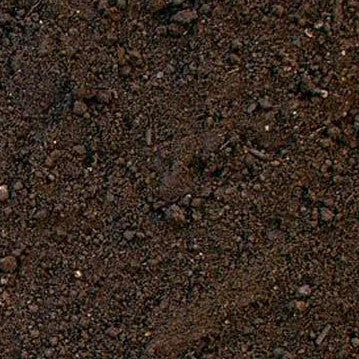
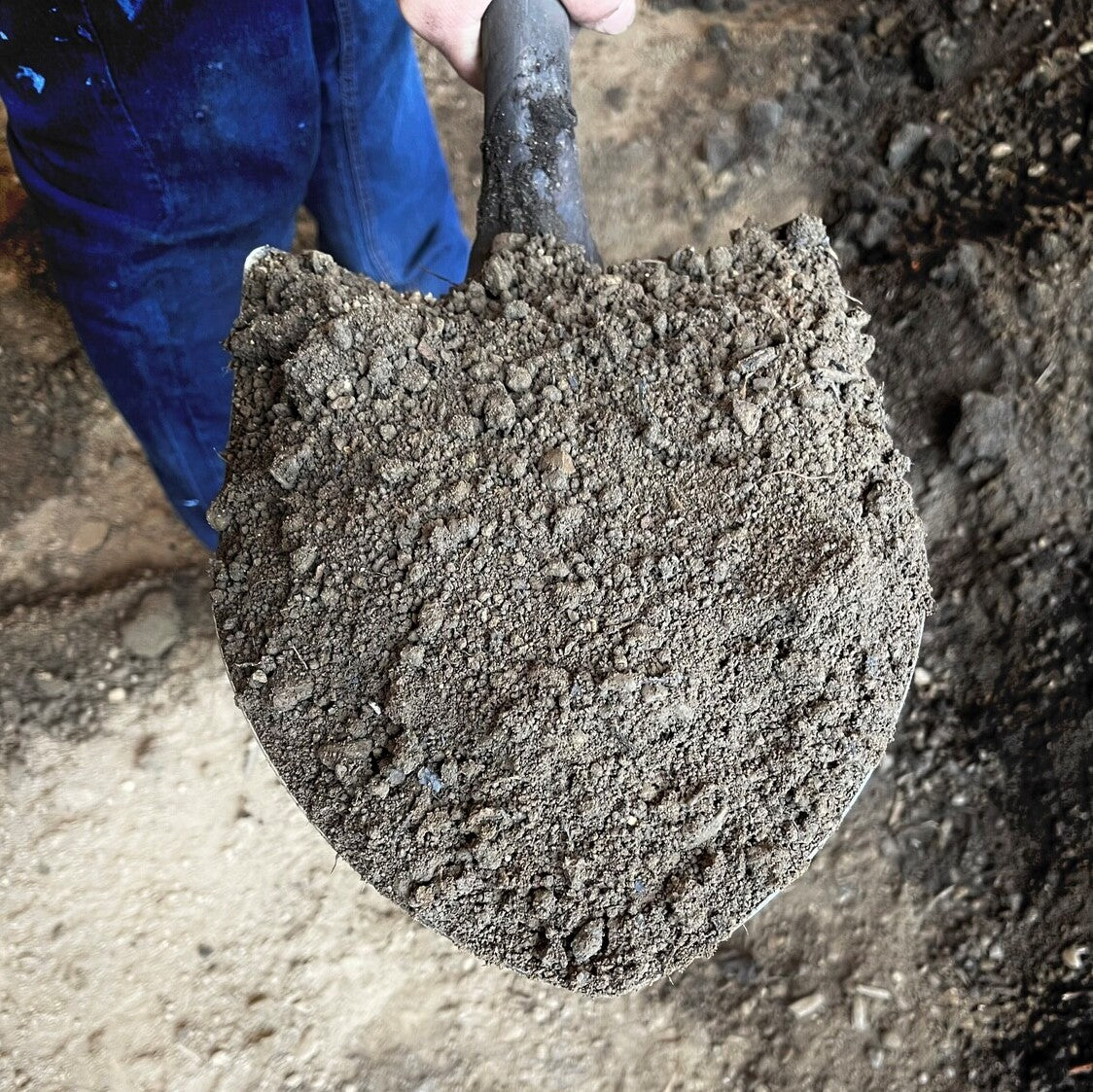
Screened topsoil with a fine, even texture. Ideal for new lawns, sod prep, and raised garden beds.

My experience with Mulch Mound was great and super easy. I ordered two yards of screened topsoil and was able to get it delivered within 2 days. They came in my requested time frame (afternoon) and dropped it off where I asked on my driveway. The topsoil was exactly what was a...

Plan on four to six inches of topsoil for new lawn areas and ten to twelve inches for raised vegetable beds. One cubic yard covers roughly 100 square feet at three inches deep.
Use our free soil calculator

A yard is approximately 27 cubic feet. As a general guideline, one yard of material can cover an area of about 100-160 square feet at a 2-3 inch depth.

Elmira Soil Delivery

Elmira Soil Delivery

4.7
137 reviews
Regular price $64.00 per Yard
Regular price Sale price $64.00
Sale Sold out
Shipping calculated at checkout.
Type
Style
Hand-picked local yards
4,000+ regional deliveries
Dedicated support
Why order through Mulch Mound

The best local , without the guesswork.

We hand-pick and partner with the best yards in your region, keep only the ones our buyers rate well, and back each load with our guarantee.

Mulch Mound Guarantee

If your isn't the quantity or quality you ordered, we'll make it right.

About this soil

Screened topsoil with a fine, even texture. Ideal for new lawns, sod prep, and raised garden beds.

My experience with Mulch Mound was great and super easy. I ordered two yards of screened topsoil and was able to get it delivered within 2 days. They came in my requested time frame (afternoon) and dropped it off where I asked on my driveway. The topsoil was exactly what was a...

Plan on four to six inches of topsoil for new lawn areas and ten to twelve inches for raised vegetable beds. One cubic yard covers roughly 100 square feet at three inches deep.
Use our free soil calculator

A yard is approximately 27 cubic feet. As a general guideline, one yard of material can cover an area of about 100-160 square feet at a 2-3 inch depth.

View full details

How It Works

Getting started is easy — just follow these simple steps

1

Choose your soil

Make sure you adjust the quantity to your home's needs. You can use our calculator to estimate how much you'll need.

2

Select your delivery date

Select a delivery date you'd like for the product to be dropped off at your home

3

Sit back and wait

Sit back, wait, and let us work our magic to make sure the highest quality product is delivered to your driveway.

What Elmira Customers Like About Our Soil

4.7
out of 5 based on 137 reviews
Google Reviews

Need Help Calculating How Much Soil You Need?

Use our NEW Trace from Satellite tool to get an estimate for your project based on an aerial view of your property

Try Our Calculator
📍

For raised beds, multiply length by width by depth in feet and divide by 27 to get cubic yards. For lawn topdressing or a new lawn, measure the whole area and remember that a modest quarter inch across a 5000 square foot Elmira lawn still adds up to about four yards. Order slightly over, since fresh soil settles noticeably after the first heavy rain.

Complete Your Outdoor Soil Project

Finish with compost worked into the top few inches and a mulch layer over planted beds, plus grass seed or straw on any regraded lawn area so Elmira's spring rains do not carry your new soil down the driveway.

Map of the soil delivery area around Elmira, New York

Service area

Areas we deliver soil in Elmira, New York

Frequently Asked Questions

Click a question to see the answer

Answer

What kind of soil do I already have in Elmira?

Most of the city sits on silt loam, a fine textured soil that holds nutrients and moisture well but compacts easily and drains slowly. Squeeze a moist handful and it will hold a ribbon shape rather than crumbling like sand. That is why adding compost and coarse organic matter makes such a visible difference here.

Answer

When can I start working soil in the spring?

Wait until it crumbles instead of smearing, which in Elmira is usually mid to late April on hillside lots and can be into early May on the valley flats. Tilling or walking on saturated silt loam destroys structure and you will fight the resulting hardpan all season.

Answer

How much soil do I need for a raised bed?

A 4 by 8 foot bed filled 12 inches deep takes about 1.2 cubic yards. Many Elmira gardeners build 10 to 12 inches high specifically to lift roots above the slow draining native silt loam, so plan on a little more than you would in a sandier region.

Answer

Should I use straight topsoil or a garden mix?

Screened topsoil is right for grading, filling low spots, and lawn repair. For vegetable and flower beds in Elmira, a garden mix blended with compost performs far better because it adds the organic matter our compacted silt loam is usually short on and it warms faster in a cool valley spring.

Answer

Can I fix my soggy backyard with topsoil?

Only if the low area is shallow. Piling topsoil over a chronically wet spot near the river flats often just moves the water somewhere else. Address the grade or add drainage first, then bring in soil to build a proper crowned surface that sheds water away from the house.

Answer

Is fall a good time to add soil and compost in Elmira?

It is excellent. Spreading compost in late September or early October, right before the October 3 average first frost, lets winter freeze and thaw cycles work it into the silt loam for you. Come spring the bed is looser and ready weeks earlier than an untouched one.

Answer

How deep should topsoil be for a new lawn?

Aim for four to six inches of good soil over the subgrade. On Elmira hillside lots where builders scraped the topsoil off, anything less than four inches leaves grass rooting in dense subsoil and you will see it brown out during the first dry August week.

Mulch Mound Pro Tip

Never work Elmira silt loam when it is wet. Pick up a handful and squeeze. If it smears into a slick ribbon, walk away and give it three more dry days. Working saturated silt loam collapses the pore spaces that let air and water move, and the compacted layer you create can take two or three growing seasons of compost and freeze thaw cycles to undo.

Mulch Mound Pro Tip

Blend, do not layer. Dumping four inches of fluffy garden mix directly on top of dense native silt loam creates an interface where water stalls and roots refuse to cross. Loosen the top few inches of native ground with a fork first, then work your new soil down into it so there is a gradual transition. Roots will follow that transition down instead of circling in the imported layer.

Mulch Mound Pro Tip

Get a soil test through Cornell Cooperative Extension of Chemung County before you buy amendments. Valley silt loam here often runs slightly acidic and can be short on phosphorus or organic matter while being perfectly adequate in other nutrients. A twenty dollar test tells you whether you need lime, compost, or nothing at all, and it beats guessing with a bag of generic fertilizer every spring.

The Unique Landscape of Elmira

Most Elmira properties sit on silt loam that formed from Chemung valley river deposits, which means decent fertility but a tight, easily compacted structure that turns to concrete when it dries and to soup when it rains. Newer construction on the hillsides above the city often has almost no topsoil left at all, just subsoil graded flat and seeded over. Bringing in quality screened topsoil, garden mix, or compost is how you build a root zone that can actually handle 36 inches of annual rainfall without drowning or crusting. With a growing window running from roughly May 10 to October 3, Elmira gardeners do not have time to wait years for soil to improve on its own. Adding organic matter now means better drainage in April, better moisture holding in August, and stronger overwintering in Zone 6a.