




Delivery was smooth and on time!
The triple shredded mulch was great quality and just what we were looking for.
About this mulch
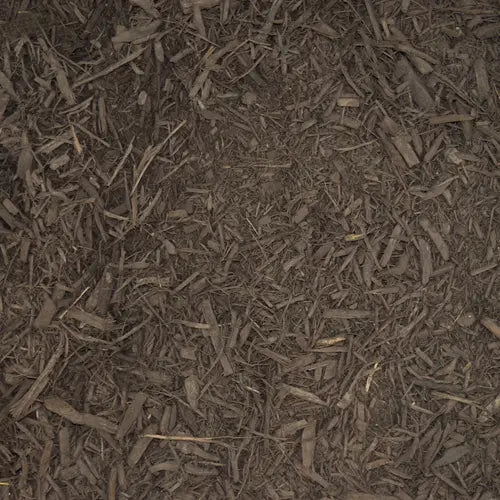
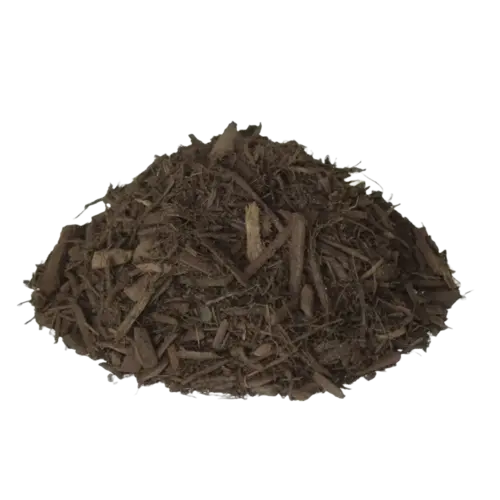
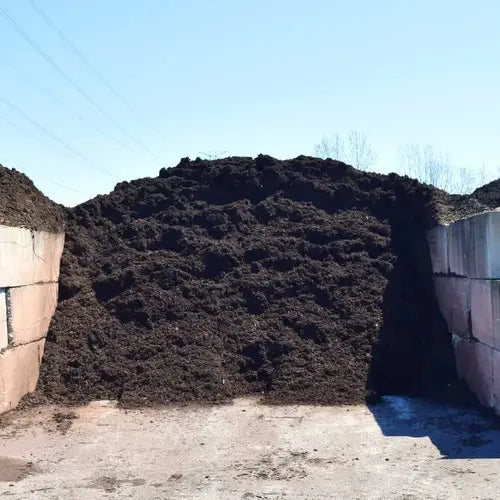
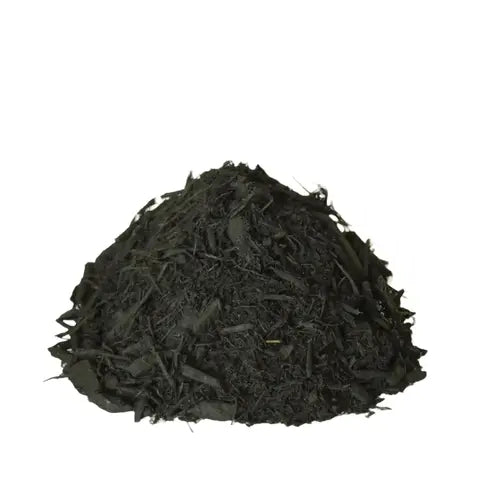
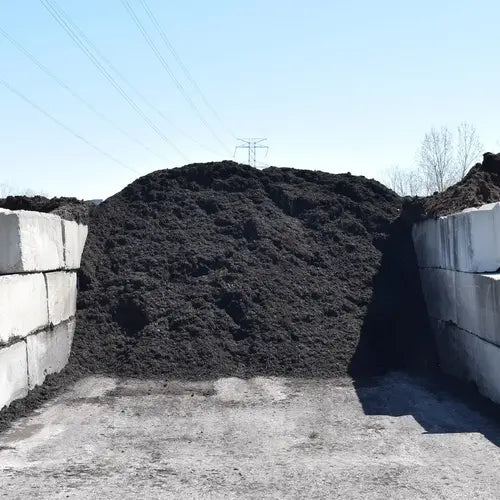
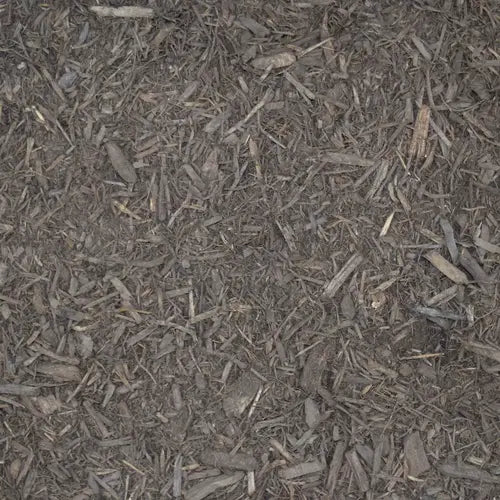
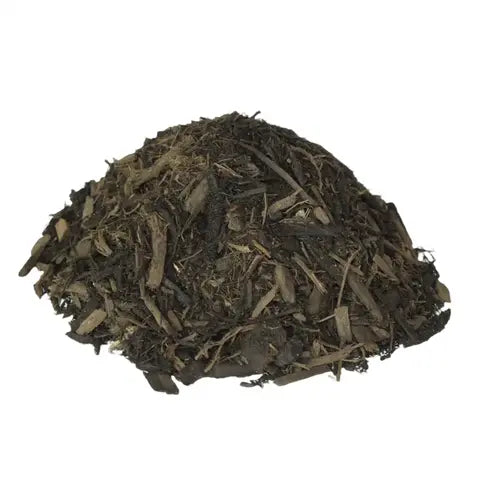
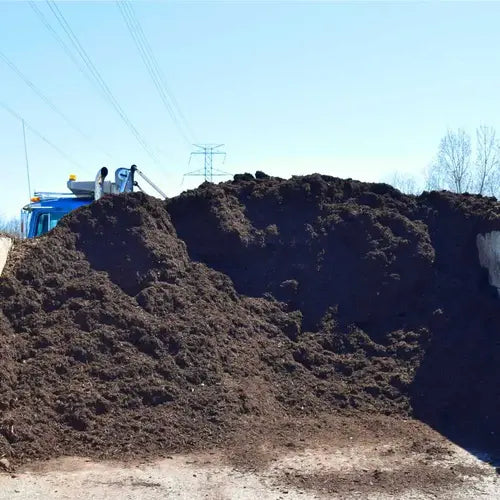
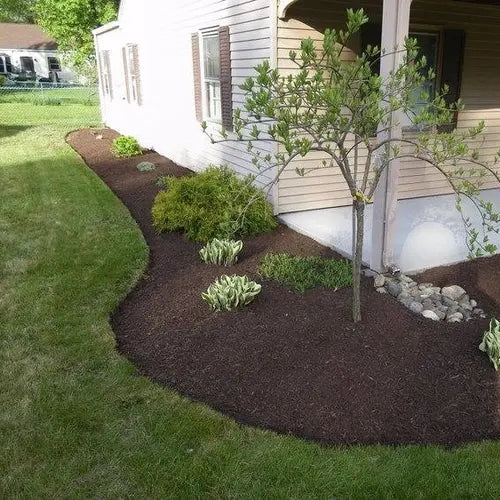
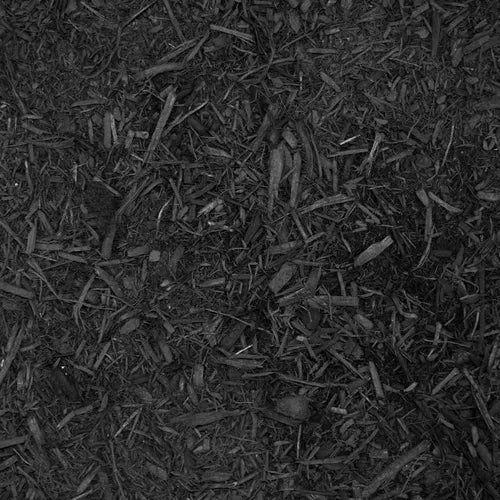
Double-shredded mulch dyed a rich, even brown that holds its color through the season.
Delivery was smooth and on time!
The triple shredded mulch was great quality and just what we were looking for.
Tell us what you're looking for
Thanks! We received your request.
Something went wrong. Please try again.
How Much Material Do I Need?
How Much Material Do I Need?
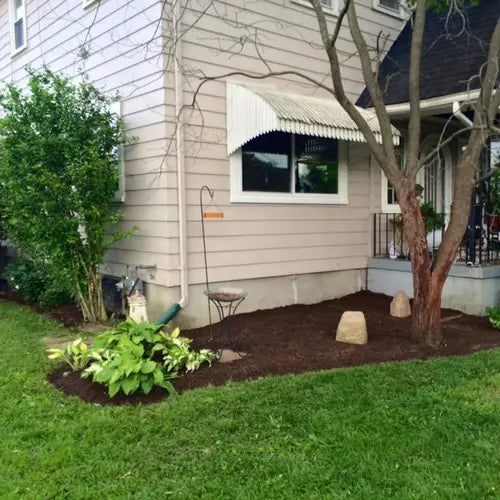
For most Enid planting beds, a three inch depth hits the sweet spot between effective moisture retention and allowing adequate airflow to plant crowns. Existing beds that already have some mulch from last season can usually be refreshed with a one to two inch top-dress rather than a full application.
Use our free mulch calculator
What is a yard?
What is a yard?
FAQs
FAQs
Enid Mulch Delivery
Enid Mulch Delivery
Regular price
$64.00
per
Yard
Regular price
Sale price
$64.00
Unit price
per
Shipping calculated at checkout.
Minimum of 3 Yard
Couldn't load pickup availability
Not currently available
We can't take orders for this right now. Tell us what you need and we'll get back to you.
Hand-picked local yards
4,000+ regional deliveries
Dedicated support
Why order through Mulch Mound
The best local , without the guesswork.
We hand-pick and partner with the best yards in your region, keep only the ones our buyers rate well, and back each load with our guarantee.
Mulch Mound Guarantee
If your isn't the quantity or quality you ordered, we'll make it right.
About this mulch
Double-shredded mulch dyed a rich, even brown that holds its color through the season.
Delivery was smooth and on time!
The triple shredded mulch was great quality and just what we were looking for.
How Much Material Do I Need?
How Much Material Do I Need?
For most Enid planting beds, a three inch depth hits the sweet spot between effective moisture retention and allowing adequate airflow to plant crowns. Existing beds that already have some mulch from last season can usually be refreshed with a one to two inch top-dress rather than a full application.
Use our free mulch calculator
What is a yard?
What is a yard?
FAQs
FAQs
Tell us what you're looking for
Thanks! We received your request.
Something went wrong. Please try again.
How It Works
Getting started is easy — just follow these simple steps
1
Choose your Mulch
Make sure you adjust the quantity to your home's needs. You can use our calculator to estimate how much you'll need.
2
Select your delivery date
Select a delivery date you'd like for the product to be dropped off at your home
3
Sit back and wait
Sit back, wait, and let us work our magic to make sure the highest quality product is delivered to your driveway.

Great experience with mulch mound. Their online calculator made it easy to estimate how many yards of mulch I needed and delivery was quick. I woul...
Read full review
Great experience with mulch mound. Their online calculator made it easy to estimate how many yards of mulch I needed and delivery was quick. I would definitely recommend them for your future projects.

We needed mulch for our HOA common areas. Local providers were all holding high prices even for 40 yards of mulch. Mulch mound was easy to wowith...
Read full review
We needed mulch for our HOA common areas. Local providers were all holding high prices even for 40 yards of mulch. Mulch mound was easy to wowith & has great price for natural mulch + delivery schedule options. They called before delivery to ensure Delivery was exactly where we wanted it.
Calculate mulch for your Enid project
For Enid's type of soil, we recommend 2-3 inches for best weed suppression and moisture retention
Try Our CalculatorMeasure the length and width of each bed separately and multiply to get square footage, then add those numbers together before entering them in the calculator. In Enid, where beds often wrap around foundation corners or curve along driveways, it helps to break irregular shapes into rough rectangles and calculate each section individually. Ordering a small buffer of ten percent above your calculated need is a good habit since bulk material settling during delivery can leave you slightly short.
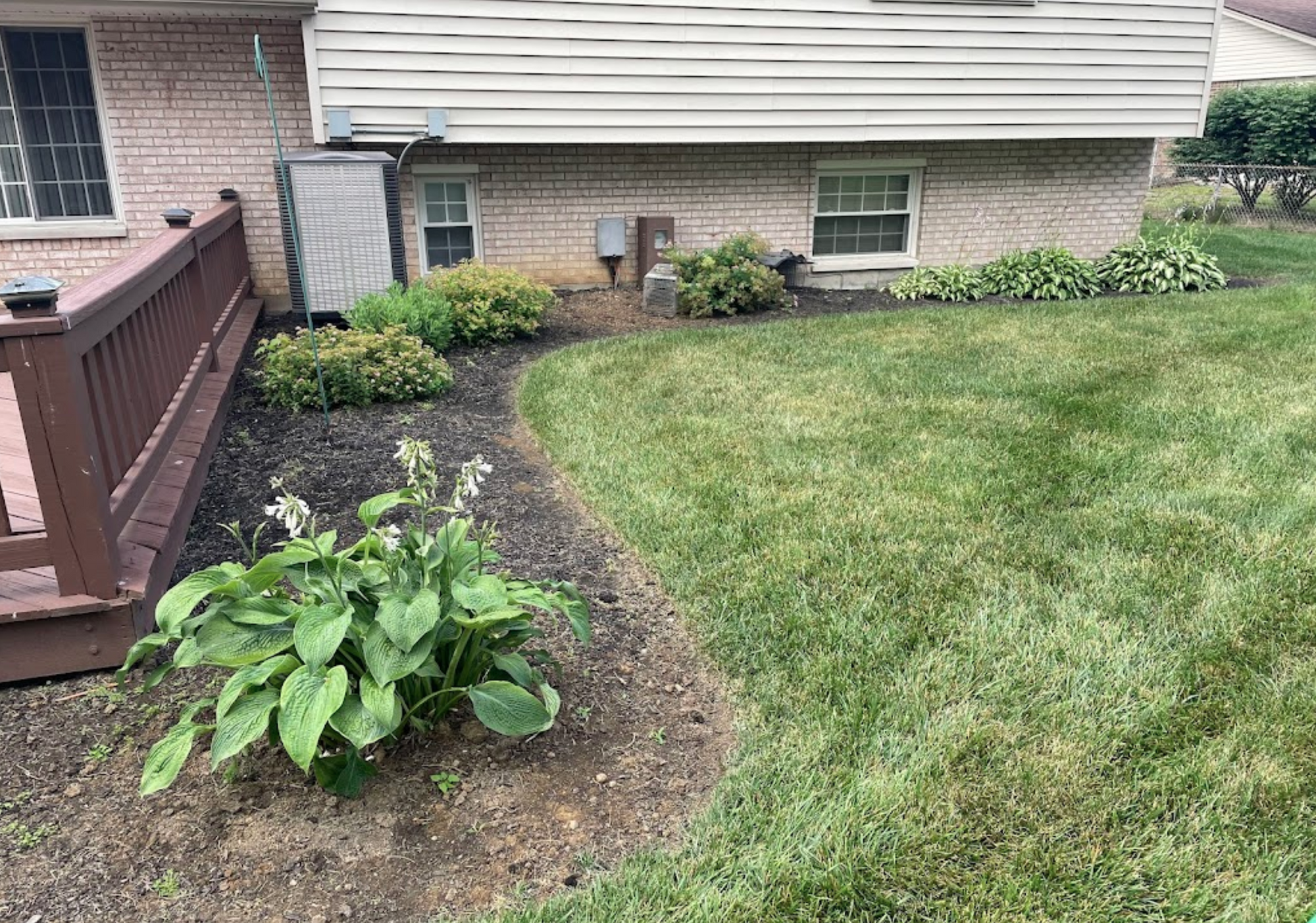

Best Mulch Choice for Enid Lawns
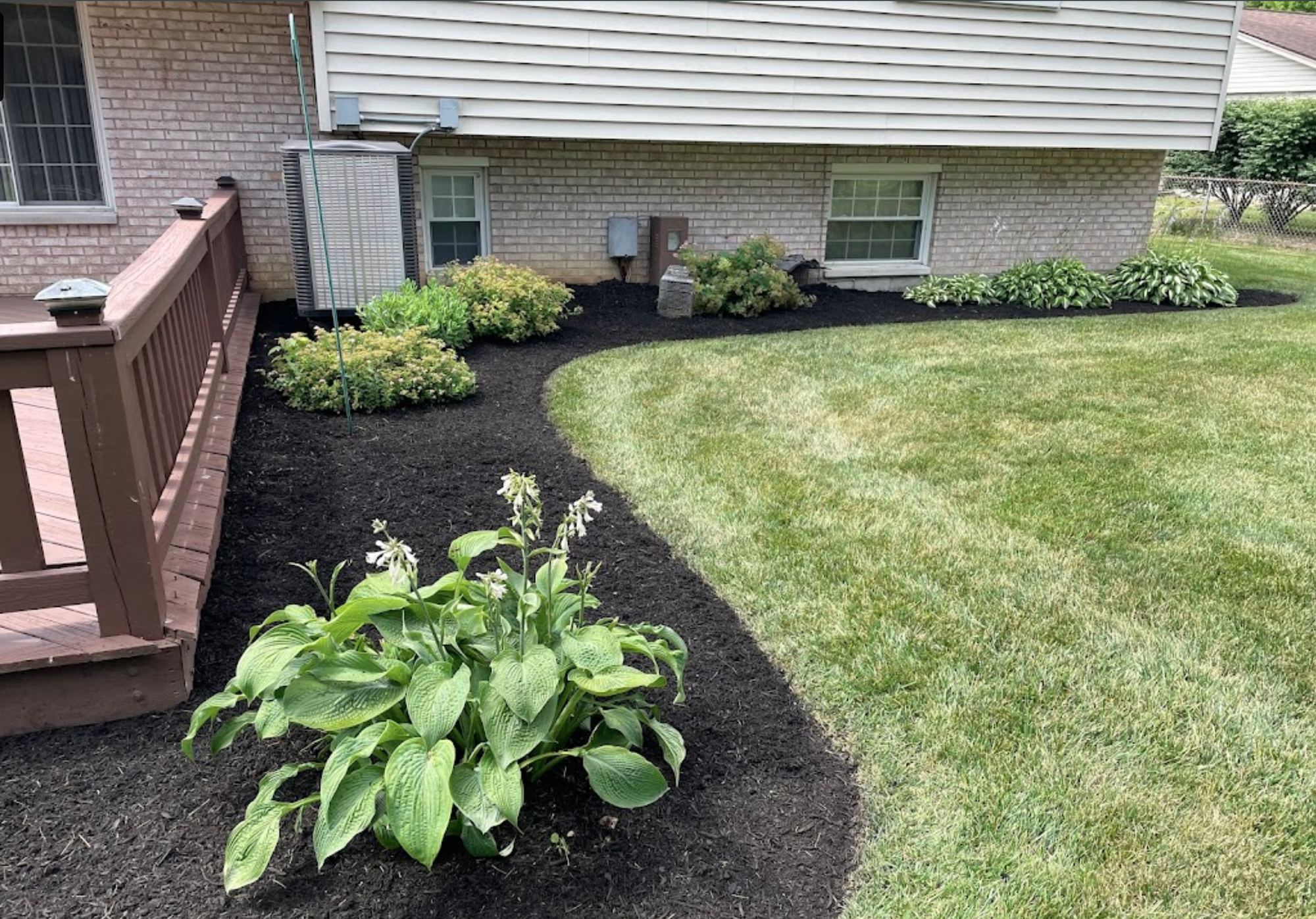
Most yards in the Enid area sit on type of soil. Enid's silt loam soil has a fine particle texture that compacts easily under foot traffic and rain impact, which reduces the pore space that plant roots and beneficial organisms depend on. Keeping a consistent mulch layer on top of silt loam beds prevents surface compaction and creates a stable environment for roots to grow into the top layer of soil.
Hardwood Mulch
Hardwood mulch is a particularly good match for Enid's silt loam because as it decomposes it contributes carbon-rich organic matter that binds with silt particles and gradually improves the soil's overall structure and water-holding capacity. Over several seasons of consistent hardwood mulch application, gardeners in Enid typically notice their beds draining better after rain while also holding moisture longer between dry spells.
Complete Your Outdoor Mulch Project
If you are starting a new bed or renovating an old one, pairing mulch with a quality topsoil or compost blend underneath gives your plants a strong foundation before the mulch goes on top. River rock or decorative stone works well along bed borders and paths to complement a freshly mulched landscape.
Mulch Mound Pro Tip
Enid tends to get heavy thunderstorm rainfall in May and June that can wash loose mulch out of sloped beds quickly. If your beds sit on any grade, consider hardwood bark chunks rather than finely shredded mulch because the larger pieces interlock and resist movement during downpours. Installing a simple steel or aluminum edging border at the low side of a sloped bed also catches material and keeps your investment from ending up in the lawn after the next storm rolls through.
Mulch Mound Pro Tip
Because Enid's silt loam soil crusts over during dry stretches, pull back a small section of mulch in mid-summer every few weeks and check the soil surface underneath. If the soil directly under the mulch feels dry and hard, your layer may have compacted or thinned out and is no longer doing its job. A quick fluffing with a rake breaks up any matted mulch layers and restores airflow, which also discourages the occasional mold growth that can appear on the underside of thick mulch in humid late summer conditions.
Mulch Mound Pro Tip
Enid gardeners planting native Oklahoma species like black-eyed Susan, coneflower, and native grasses should go lighter on mulch depth around those plants compared to traditional ornamentals. Many Oklahoma natives are adapted to lean, open soil conditions and benefit from a thinner one to two inch layer that allows more air and light to reach the base of the plant. Piling three or four inches around native perennials can hold too much moisture against their crowns during our humid summer nights and lead to rot issues by late July.
The Unique Landscape of Enid
Enid sits in a transitional climate zone where hot, dry summers and unpredictable spring rains put constant stress on plant beds and tree roots. The native silt loam soil holds moisture reasonably well but crusts over quickly after rain events, cutting off oxygen to root systems beneath bare ground. A consistent layer of mulch breaks that cycle by softening the soil surface, slowing evaporation during July and August heat, and feeding soil biology through the growing season. Enid gardeners also deal with a wide frost window, with last frost running into mid-April and first frost arriving around November 11, so mulch plays a protective role at both ends of the season. Keeping roots insulated through those shoulder months helps perennials and shrubs recover faster in spring and harden off more gradually in fall.