Mulch Mound made it so easy! So happy with the pricing, turn around time, delivery and product. I submitted my online order on a Thursday. The mulch was delivered to the designated location by a local landscape company at 8:30 a.m. the following Saturday morning. We had the...
Tell us what you're looking for
Thanks! We received your request.
Something went wrong. Please try again.
How Much Material Do I Need?
Plan for a minimum of 3 inches of mulch depth across all planted beds in Escondido, and bump that up to 4 inches on south-facing slopes that receive intense afternoon sun. This depth range gives the best balance of moisture retention and weed suppression through the long dry season.
Use our free mulch calculator
What is a yard?
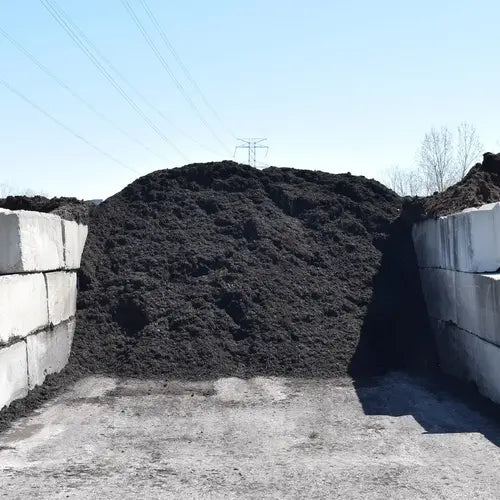
A yard is approximately 27 cubic feet. As a general guideline, one yard of material can cover an area of about 100-160 square feet at a 2-3 inch depth.
Mulch Mound made it so easy! So happy with the pricing, turn around time, delivery and product. I submitted my online order on a Thursday. The mulch was delivered to the designated location by a local landscape company at 8:30 a.m. the following Saturday morning. We had the...
How Much Material Do I Need?
Plan for a minimum of 3 inches of mulch depth across all planted beds in Escondido, and bump that up to 4 inches on south-facing slopes that receive intense afternoon sun. This depth range gives the best balance of moisture retention and weed suppression through the long dry season.
Use our free mulch calculator
What is a yard?
A yard is approximately 27 cubic feet. As a general guideline, one yard of material can cover an area of about 100-160 square feet at a 2-3 inch depth.
Mulch Mound made it so easy! So happy with the pricing, turn around time, delivery and product. I submitted my online order on a Thursday. The mu...
Read full review
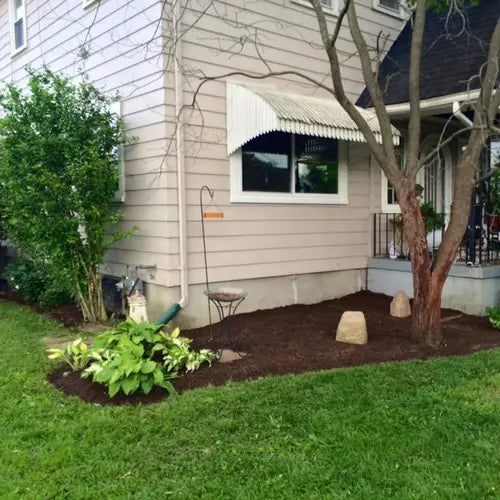
Mulch Mound made it so easy! So happy with the pricing, turn around time, delivery and product. I submitted my online order on a Thursday. The mulch was delivered to the designated location by a local landscape company at 8:30 a.m. the following Saturday morning. We had the job completed by that afternoon. We chose the natural brown mulch, and the plant beds are beautiful.
Good quality, great price, fast delivery. All online - no submitting forms and waiting for days for quotes. Getting mulch should be this easy fr...
Read full review
Good quality, great price, fast delivery. All online - no submitting forms and waiting for days for quotes. Getting mulch should be this easy from everyone. Only Mulch Mound is ACTUALLY this simple.
I highly recommend Mulch Mound. The quality of the mulch is very good. The ordering system on their website makes it very easy. The delivery driver...
Read full review
I highly recommend Mulch Mound. The quality of the mulch is very good. The ordering system on their website makes it very easy. The delivery driver did a great job placing the mulch on the driveway. To finish off, the pricing was very reasonable as well.
Measure the length and width of each planting bed in feet, then multiply those numbers together to get square footage. Divide that number by 12 and then multiply by your desired depth in inches to get the cubic feet needed, then divide by 27 to convert to cubic yards. Escondido yards often have irregular shapes from curved driveways and hillside terracing, so break those areas into simple rectangles and add the totals together.
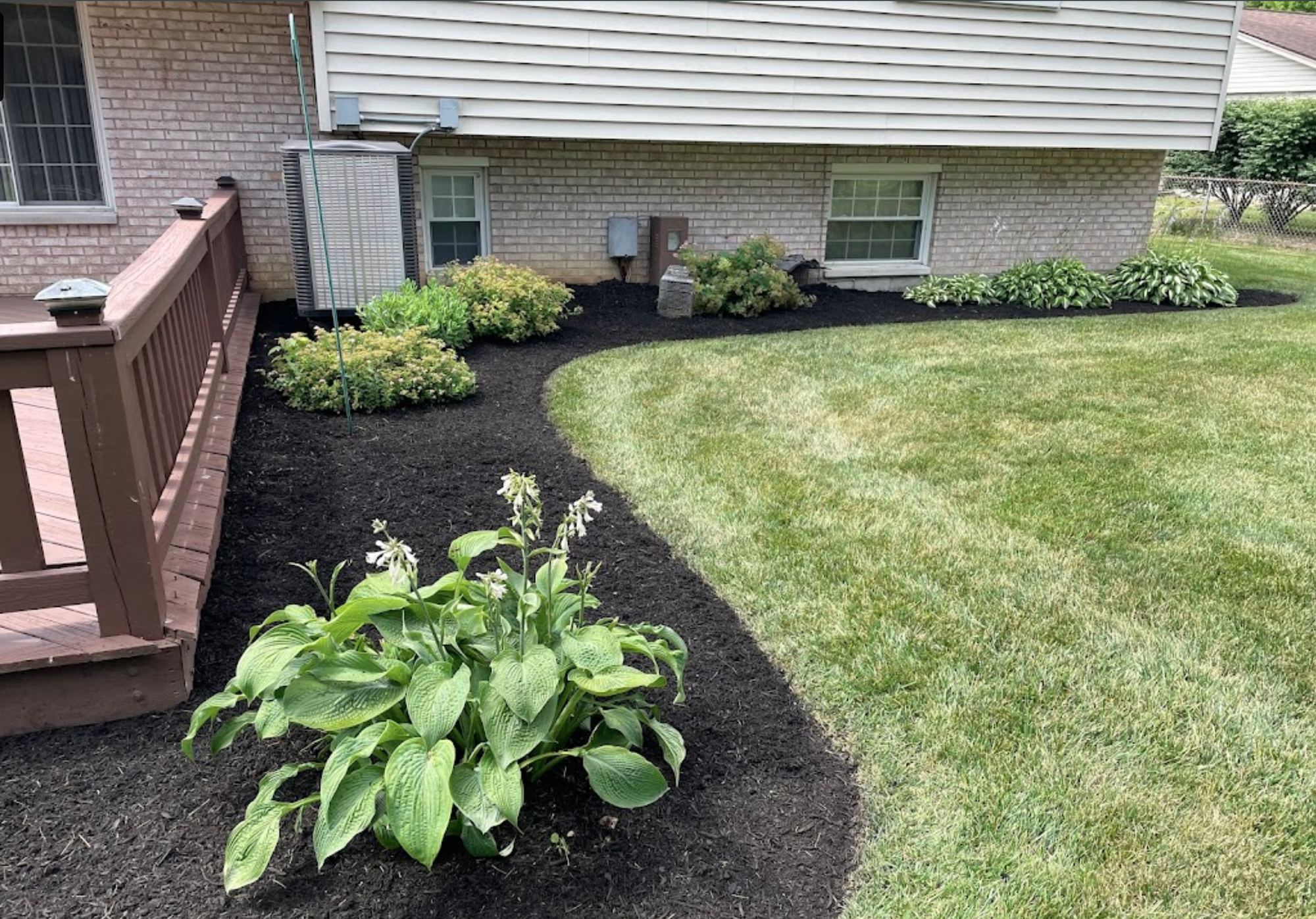
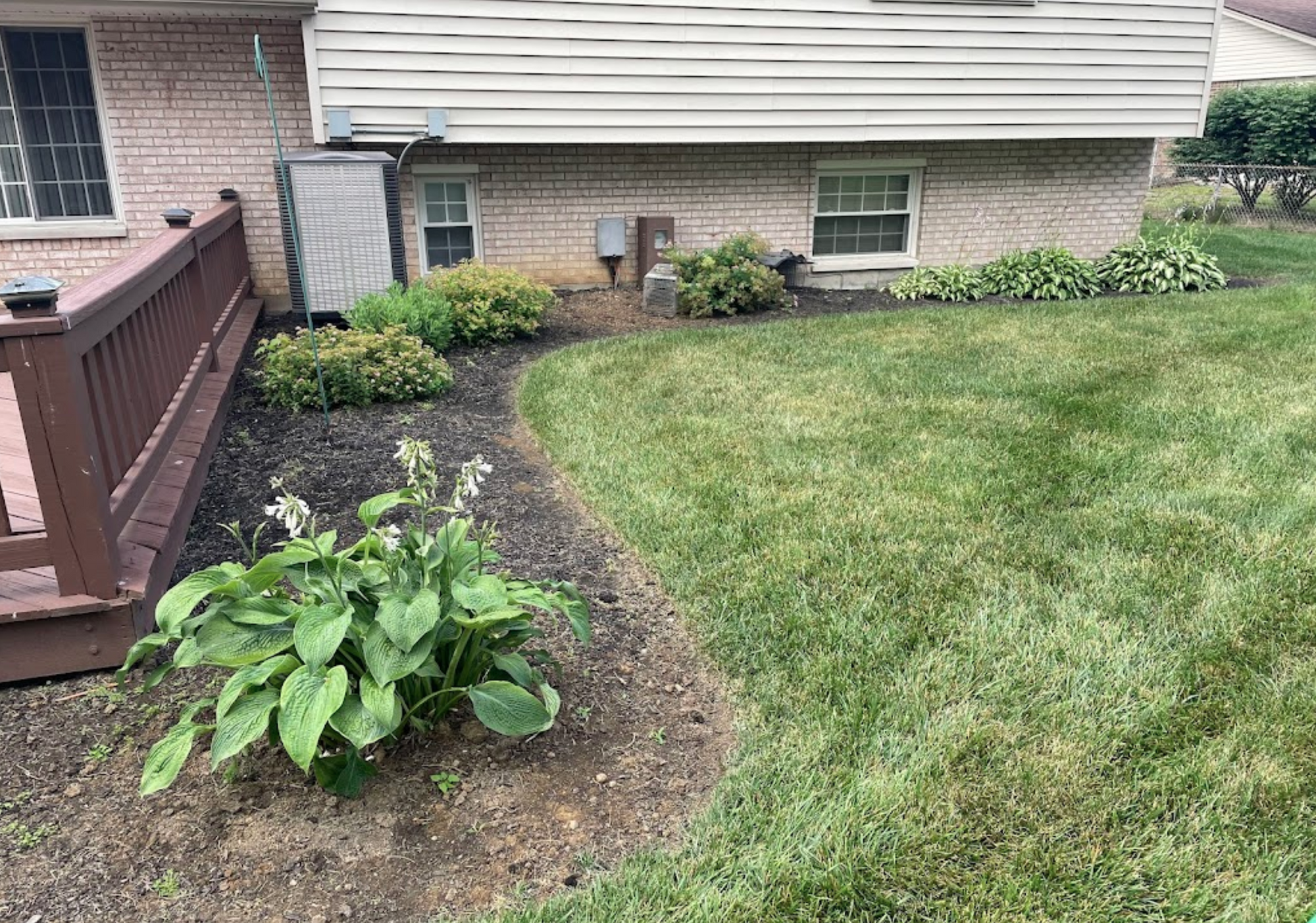
Mulch vs. No Mulch: The Difference
Escondido's warm, nearly year-round growing season means organic mulch breaks down faster than homeowners often expect, typically requiring replenishment every 12 to 18 months rather than the two-year cycle common in cooler climates. This faster decomposition is actually a benefit because it means your mulch is continuously feeding your clay loam soil with organic matter during the same months your plants are actively growing. Understanding this cycle helps you plan bulk deliveries at the right time rather than waiting until your beds are bare and exposed.
Before
After
Best Mulch Choice for Escondido Lawns
Most yards in the Escondido area sit on type of soil. Escondido's clay loam soil compacts easily under foot traffic and irrigation, creating a dense layer that limits root expansion and water infiltration. Organic mulch placed over clay loam acts as a protective cap that keeps the surface from compacting while slowly improving the soil structure beneath.
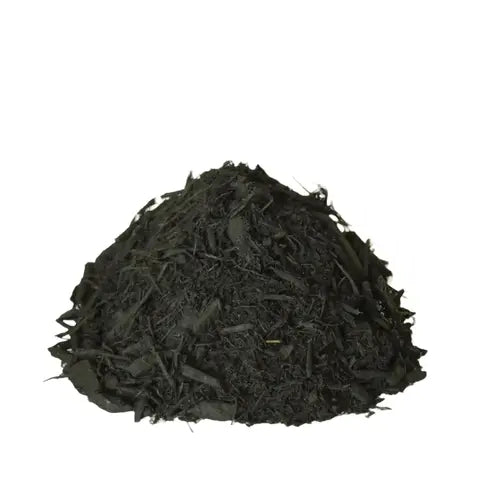
Hardwood Mulch
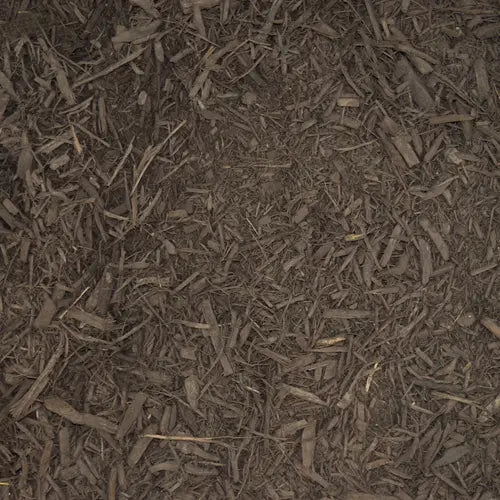
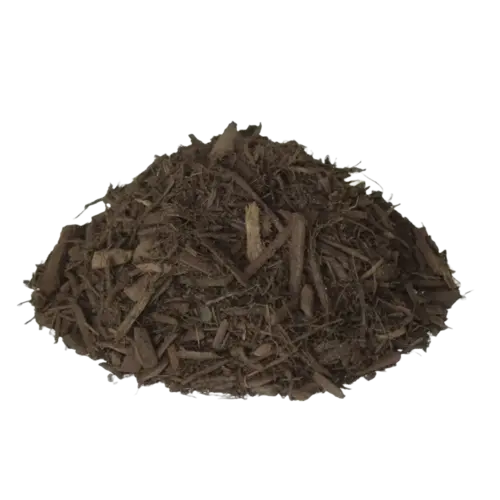
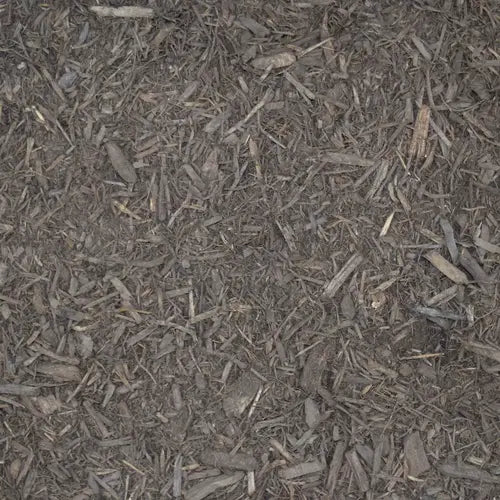
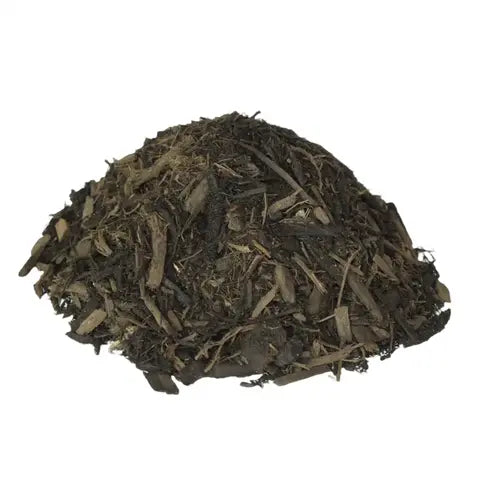
Hardwood mulch is particularly well-suited to Escondido's clay loam because it breaks down into a coarse organic matter that opens up the dense soil structure over time. As the hardwood fibers decompose they introduce air pockets and organic material that gradually transform tight clay loam into a more workable, well-drained growing medium without requiring you to till or amend the entire bed.
Complete Your Outdoor Mulch Project
Pairing your mulch order with a quality compost-enriched topsoil gives your beds a nutrient-rich foundation before you mulch over the top, which is especially helpful for improving Escondido's dense clay loam. Adding decomposed granite pathways between mulched beds also creates a clean, water-wise landscape design that suits the local aesthetic.
Mulch Mound Pro Tip
Time your mulch application to coincide with the first signs of Escondido's dry season in late spring, typically around May. Applying fresh mulch just as the rains taper off locks in the soil moisture built up over winter and gives your plants a head start before the long dry stretch begins. This timing also means you are working in mild temperatures rather than the summer heat that arrives by July.
Mulch Mound Pro Tip
Escondido's clay loam soil benefits from a light watering immediately after you spread mulch. Wetting the soil surface before you lay down the mulch layer and then watering again lightly after spreading helps the mulch settle into good contact with the soil and jump-starts the moisture-retention effect. Dry mulch laid over dry clay can actually shed water initially before it wets through, so this extra step makes a real difference in the first few weeks.
Mulch Mound Pro Tip
If you are mulching around native California plants like toyon, lemonadeberry, or ceanothus in your Escondido landscape, choose a wood chip mulch made from local tree species rather than a dyed or composted product. Native-adapted plants evolved alongside specific decomposing plant material, and using a similar mulch can support the beneficial soil fungi these plants rely on. This approach also keeps the look of your landscape cohesive with the surrounding natural terrain.
Frequently Asked Questions
Click a question to see the answer
Answer
How thick should I apply mulch around my drought-tolerant plants in Escondido?
For drought-tolerant natives and Mediterranean plants common in Escondido landscapes, a 3-inch layer of mulch is ideal. Going thinner than 2 inches leaves too little insulation against the dry heat, while going thicker than 4 inches can trap excess moisture around crowns during the brief rainy season and encourage rot. Keep mulch pulled back an inch or two from plant stems regardless of depth.
Answer
Will mulch help with the clay loam soil in my yard that gets hard and cracked in summer?
Absolutely. Escondido's clay loam soil tends to dry into a dense, cracked surface during the long dry season, which makes it hard for irrigation water to penetrate. A consistent mulch layer shades the soil surface, slows evaporation dramatically, and as organic mulches break down they add organic matter that gradually improves clay loam's structure and drainage. Over two or three seasons you will notice the soil beneath mulched beds becomes noticeably softer and easier to work.
Answer
Does mulch break down faster here than in cooler parts of California?
Yes, Escondido's warm temperatures and nearly frost-free winters accelerate microbial activity in organic mulches. Where a homeowner in a colder climate might refresh mulch every two years, most Escondido yards need a top-up every 12 to 18 months to maintain the recommended depth. The good news is that faster decomposition also means organic mulch is feeding your soil with nutrients more continuously throughout the year.
Answer
What type of mulch is best for a slope in my yard where erosion is a concern after winter rains?
For sloped areas in Escondido that see runoff during January and February storms, a shredded wood or bark mulch works better than a chipped product because the irregular fibers knit together and grip the slope. Avoid fine-texture mulches on grades steeper than about 15 percent, as they can float during heavy rainfall. Applying the mulch at 3 to 4 inches deep and slightly compacting it by hand after spreading gives the best erosion control.
Answer
Can I use mulch around my citrus trees and avocados in Escondido?
Yes, and it is highly recommended. Citrus and avocados both thrive with consistent soil moisture, which is exactly what a good mulch layer provides in a climate as dry as Escondido's. Apply mulch in a wide ring that extends to the drip line of the tree, but keep it at least 6 inches away from the trunk to prevent collar rot. Coarser wood chip mulch works especially well for avocados because it mimics the leaf litter layer these trees naturally grow under.
Answer
How many cubic yards of mulch do I need for a typical Escondido front yard?
A typical Escondido front yard with planted beds covering roughly 300 square feet needs about 3 cubic yards of mulch to achieve a 3-inch depth. If you are covering larger areas with slopes or wide foundation plantings, measure each zone separately and use our calculator. It is generally better to order slightly more than you think you need so you can achieve a consistent depth across uneven ground, which is common on Escondido's hillside lots.
Answer
Will mulch attract termites or other pests near my house in Escondido?
The risk is real but manageable with a few simple practices. Keep all mulch at least 6 inches away from your home's foundation and wood siding, which removes the bridge that termites and moisture-seeking insects look for. Cedar mulch has natural oils that deter many insects and is a good choice for beds closest to the house. Escondido's dry climate actually reduces the moisture levels that pest colonies need to establish, so a properly placed mulch bed is far less risky than it would be in a humid region.
The Unique Landscape of Escondido
Escondido sits in a climate that punishes unprotected soil. With only 14 inches of rain per year and a growing season that runs nearly year-round in Zone 10a, the ground dries out fast between storms, and surface moisture disappears within hours on warm afternoons. A proper mulch layer acts as a buffer between your plant roots and that relentless evaporation cycle, keeping soil temperatures stable even when hillside heat builds through summer. Escondido's native clay loam soil is prone to crusting after rain events, which blocks water from penetrating deeply where roots need it most. Mulch breaks the impact of raindrops, preventing that crust from forming and allowing your 14 annual inches of rainfall to actually soak in rather than run off your sloped lots. Because frost risk is low from mid-February onward, mulched beds in Escondido can support nearly continuous planting cycles, making consistent soil moisture even more important.