




Great service. We ordered topsoil from Mulch Mound and the best experience. Thank you so much!
About this soil
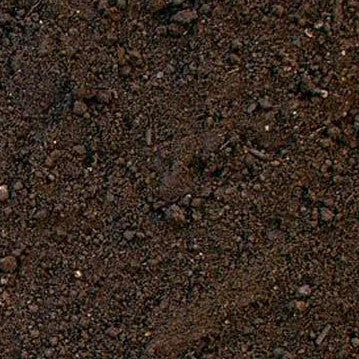
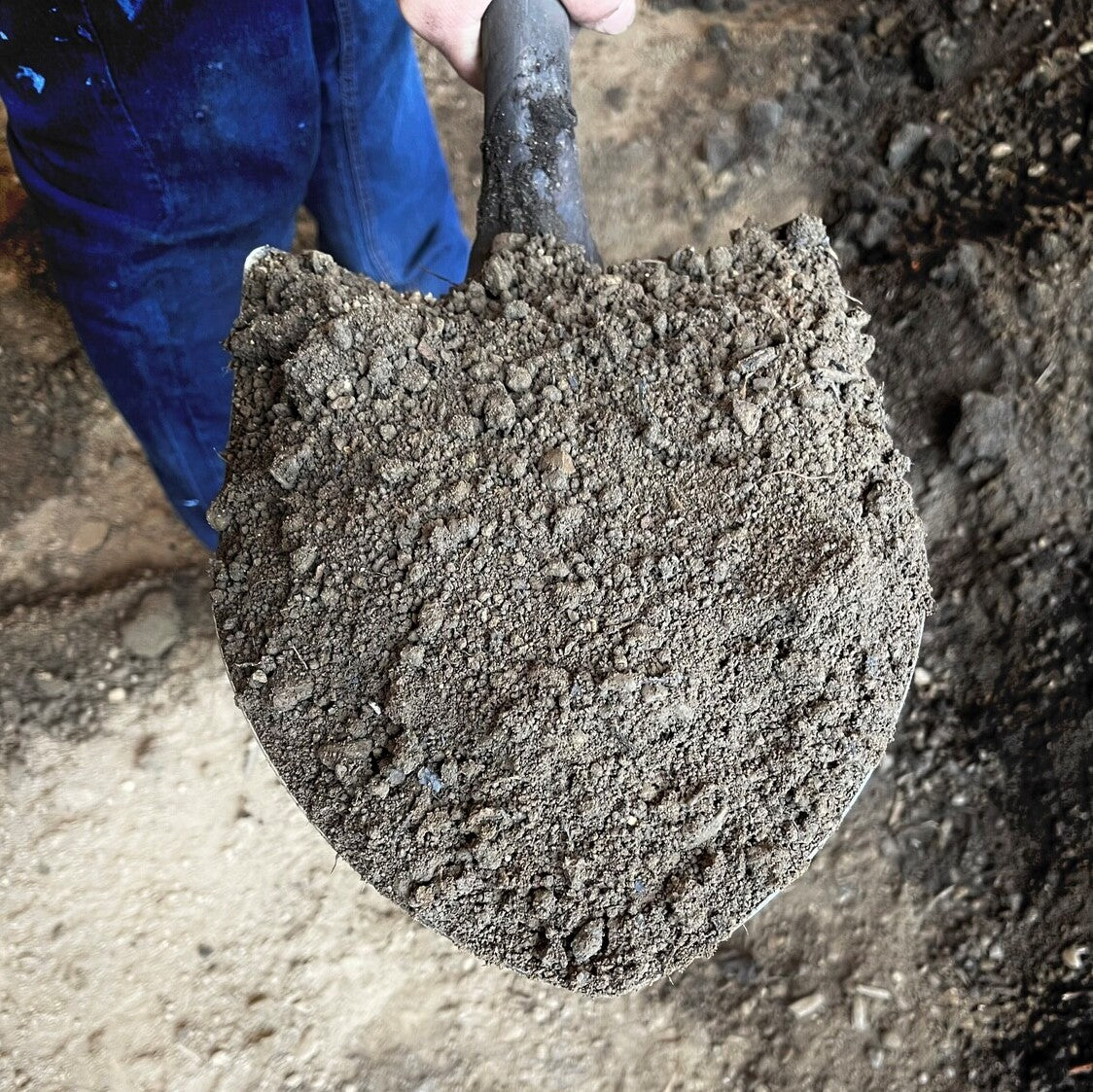
Screened topsoil with a fine, even texture. Ideal for new lawns, sod prep, and raised garden beds.
Great service. We ordered topsoil from Mulch Mound and the best experience. Thank you so much!
Tell us what you're looking for
Thanks! We received your request.
Something went wrong. Please try again.
How Much Material Do I Need?
How Much Material Do I Need?
New planting beds in Escondido's clay loam landscape should receive at least 6 to 8 inches of quality amended soil to give roots a workable growing zone above the compacted native layer. Raised vegetable beds need a minimum of 12 inches of soil depth for most crops and up to 18 inches for deep-rooted vegetables like tomatoes and squash.
Use our free soil calculator
What is a Yard?
What is a Yard?
FAQs
FAQs
Escondido Soil Delivery
Escondido Soil Delivery
Regular price
$83.00
per
Yard
Regular price
Sale price
$83.00
Unit price
per
Shipping calculated at checkout.
Minimum of 3 Yard
Couldn't load pickup availability
Not currently available
We can't take orders for this right now. Tell us what you need and we'll get back to you.
Hand-picked local yards
4,000+ regional deliveries
Dedicated support
Why order through Mulch Mound
The best local , without the guesswork.
We hand-pick and partner with the best yards in your region, keep only the ones our buyers rate well, and back each load with our guarantee.
Mulch Mound Guarantee
If your isn't the quantity or quality you ordered, we'll make it right.
About this soil
Screened topsoil with a fine, even texture. Ideal for new lawns, sod prep, and raised garden beds.
Great service. We ordered topsoil from Mulch Mound and the best experience. Thank you so much!
How Much Material Do I Need?
How Much Material Do I Need?
New planting beds in Escondido's clay loam landscape should receive at least 6 to 8 inches of quality amended soil to give roots a workable growing zone above the compacted native layer. Raised vegetable beds need a minimum of 12 inches of soil depth for most crops and up to 18 inches for deep-rooted vegetables like tomatoes and squash.
Use our free soil calculator
What is a Yard?
What is a Yard?
FAQs
FAQs
Tell us what you're looking for
Thanks! We received your request.
Something went wrong. Please try again.
How It Works
Getting started is easy — just follow these simple steps
1
Choose your soil
Make sure you adjust the quantity to your home's needs. You can use our calculator to estimate how much you'll need.
2
Select your delivery date
Select a delivery date you'd like for the product to be dropped off at your home
3
Sit back and wait
Sit back, wait, and let us work our magic to make sure the highest quality product is delivered to your driveway.

Placing an order online was so easy. Delivery was on time. When the driver realized we had a newly poured driveway they erred on the side of cautio...
Read full review
Placing an order online was so easy. Delivery was on time. When the driver realized we had a newly poured driveway they erred on the side of caution and opted not ti drive in it. The company even sent me a message explaining that call. Would recommend!

Online ordering was really simple and I liked the transparent pricing.
Need Help Calculating How Much Soil You Need?
Use our NEW Trace from Satellite tool to get an estimate for your project based on an aerial view of your property
Try Our CalculatorMeasure the length, width, and desired depth of each planting zone in feet, then multiply all three numbers together to get cubic feet. Dividing that total by 27 converts it to cubic yards, which is how bulk soil is sold and delivered. For raised beds, measure the interior dimensions and plan on filling to within 2 inches of the top so there is room for mulch and settling.
Complete Your Outdoor Soil Project
Finishing your soil project with a 3-inch mulch layer on top locks in the moisture and organic investment you made in the soil below, which is critical during Escondido's long dry summers. Adding decomposed granite or stone edging around your newly amended beds also keeps irrigation water from running off the surface and channeled into the root zone where it belongs.
Mulch Mound Pro Tip
Before spreading new soil over Escondido's native clay loam, run a spading fork or rototiller over the existing surface to break up any hardpan crust that formed during summer. This step creates a rough transition zone between the native clay and your new soil, which prevents water from pooling right at the layer boundary and encourages roots to grow downward into the native soil over time. Skipping this step can result in a perched water table effect where your new soil stays wet while the clay below stays dry.
Mulch Mound Pro Tip
Escondido's winter rains arrive unevenly, with some years delivering most of the annual 14 inches in just a few storms. If you are adding soil in early winter, avoid working it when it is saturated from rain because compacting wet clay loam-based blends destroys the structure you paid for. Wait until the soil surface has dried enough that a handful squeezed together crumbles apart rather than holding a tight ball, then resume spreading and planting.
Mulch Mound Pro Tip
For Escondido hillside properties where erosion is a concern during winter rains, build your new soil zones with a very slight backward slope toward the hill rather than draining outward. This slight reverse grade keeps your amended soil and its nutrients on your property rather than washing into the street during the short but intense rain events that hit the foothills in January and February. Pair this approach with a heavy mulch layer for even better results.
The Unique Landscape of Escondido
Escondido's native clay loam soil is a mixed blessing for gardeners. It holds nutrients reasonably well but drains slowly, compacts under irrigation pressure, and becomes brick-hard during the long dry season that stretches from late spring through fall. For anyone planting vegetables, installing new trees, or establishing a lawn in Zone 10a, bringing in quality amended soil is often the fastest path to success because working with compacted native clay loam alone is a slow and frustrating process. The city's elevation at 646 feet means temperatures are slightly moderated compared to lower desert areas, but the rainfall deficit of only 14 inches per year still means your soil amendment needs to support strong water retention. Adding quality topsoil or blend to your beds gives plant roots a loose, workable zone to establish quickly before the dry season sets in. Getting the soil right from the start pays dividends through Escondido's nearly continuous growing calendar.