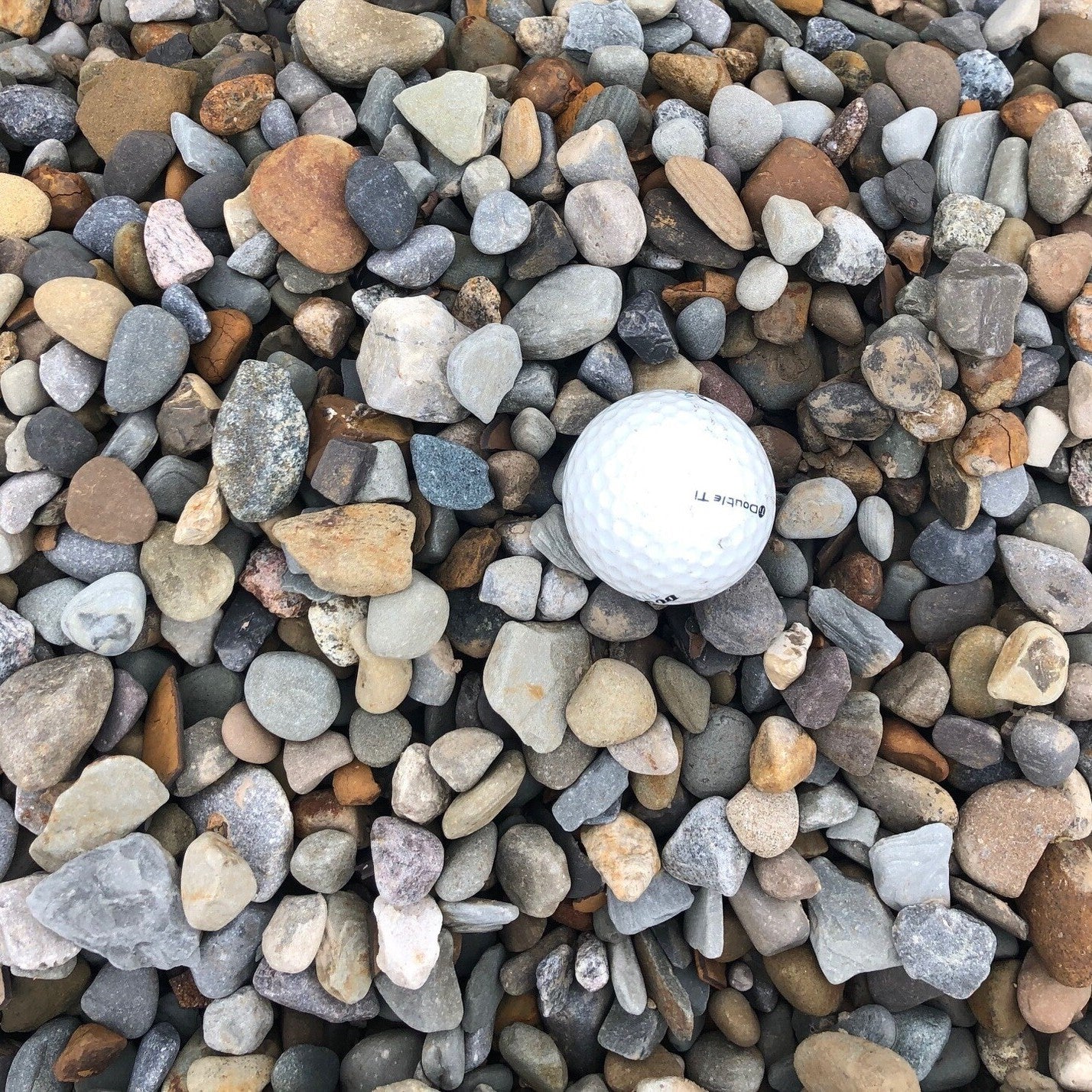
Number 57 crushed stone, angular limestone graded to about three quarters of an inch. The standard driveway, base and drainage gravel, it locks together under traffic and drains fast.
I used Mulch Mound to have 3 cubic yards of garden soil delivered. The process was easy and I love that I didn't have to call anyone. I placed my order online, picked my delivery date, laid out my tarp and the dirt was delivered. My delivery had to be pushed back, but I was ke...
Tell us what you're looking for
Thanks! We received your request.
Something went wrong. Please try again.
How Much Material Do I Need?
Plan on a minimum of 3 inches of stone depth for decorative groundcover areas in Escondido to achieve good weed suppression and a full, finished appearance. Drainage swales, erosion-control slopes, and dry creek beds should be filled to 4 to 6 inches with appropriately sized rock to handle the water velocity during winter storm events.
Use our free gravel calculator
What is a Yard?
A yard is approximately 27 cubic feet. As a general guideline, one yard of material can cover an area of about 100-160 square feet at a 2-3 inch depth.
We can't take orders for this right now. Tell us what you need and we'll get back to you.
What do you need?
Thanks! We received your request.
Something went wrong. Please try again.
Hand-picked local yards
4,000+ regional deliveries
Dedicated support
Why order through Mulch Mound
The best local , without the guesswork.
We hand-pick and partner with the best yards in your region, keep only the ones our buyers rate well, and back each load with our guarantee.
Mulch Mound Guarantee
If your isn't the quantity or quality you ordered, we'll make it right.
About this stone
Number 57 crushed stone, angular limestone graded to about three quarters of an inch. The standard driveway, base and drainage gravel, it locks together under traffic and drains fast.
I used Mulch Mound to have 3 cubic yards of garden soil delivered. The process was easy and I love that I didn't have to call anyone. I placed my order online, picked my delivery date, laid out my tarp and the dirt was delivered. My delivery had to be pushed back, but I was ke...
How Much Material Do I Need?
Plan on a minimum of 3 inches of stone depth for decorative groundcover areas in Escondido to achieve good weed suppression and a full, finished appearance. Drainage swales, erosion-control slopes, and dry creek beds should be filled to 4 to 6 inches with appropriately sized rock to handle the water velocity during winter storm events.
Use our free gravel calculator
What is a Yard?
A yard is approximately 27 cubic feet. As a general guideline, one yard of material can cover an area of about 100-160 square feet at a 2-3 inch depth.
I used Mulch Mound to have 3 cubic yards of garden soil delivered. The process was easy and I love that I didn't have to call anyone. I placed my o...
Read full review
I used Mulch Mound to have 3 cubic yards of garden soil delivered. The process was easy and I love that I didn't have to call anyone. I placed my order online, picked my delivery date, laid out my tarp and the dirt was delivered. My delivery had to be pushed back, but I was kept informed via text, which was great. So why not 5 stars? The description of garden soil on the website is "A balanced mix of topsoil and organic amendments ready for raised beds, flower gardens, and new planting areas. Good drainage, solid nutrients, easy to work with." What I got was more like fill dirt. It had a lot of gravel, a lot of clay, and random trash mixed in. I didn't test the soil to see if it actually had "amendments" because I already have compost and alpaca manure ready to add, but if I'd known the quality of the dirt was going to be the same as the bagged dirt I bought last year, I probably would have gotten 2 yards of top soil and a yard of leaf compost for better quality, especially since the leaf compost is cheaper. Photo of my mountain of dirt and just some of the trash I found in it.
Calculate your stone coverage area by measuring the length and width of each zone in feet and multiplying them together for total square footage. Then decide on your desired depth in inches, convert that to feet by dividing by 12, and multiply by the square footage to get cubic feet. Dividing cubic feet by 27 gives you cubic yards, and our calculator does this math automatically if you enter your dimensions directly.
Complete Your Outdoor Stone Project
Pairing your stone installation with a layer of quality topsoil underneath planting pockets within the stone design lets you grow drought-tolerant shrubs and ornamental grasses through the rock without fighting the compacted clay loam. Adding steel or aluminum edging between stone zones and lawn areas also creates a clean boundary that keeps materials from migrating during irrigation.
Before ordering stone for a large Escondido project, take a short drive through your neighborhood and note which stone colors appear most natural against the surrounding hillside terrain. The golden-tan and warm gray tones common in local decomposed granite and river rock tend to photograph beautifully and feel cohesive with the inland San Diego County landscape. Choosing a stone color that complements rather than fights the regional palette will give your yard a more intentional, designed appearance without extra effort.
Mulch Mound Pro Tip
In Escondido's clay loam soil, water can puddle beneath stone if the ground underneath is not properly graded before installation. Take time to grade your project area with a slight slope of about one inch per eight feet away from your house before laying landscape fabric and stone. This simple step directs the 14 inches of annual rain away from foundations and prevents the soggy pockets that can develop under stone when clay soil cannot drain fast enough during a heavy winter storm.
Mulch Mound Pro Tip
If you are replacing lawn with stone in an effort to reduce your water bill during Escondido's long dry summers, consider leaving planting pockets every few feet within the stone field for drought-tolerant accent plants. Small clusters of agave, ornamental grass, or native sage growing up through a stone groundcover create visual interest and reduce the heat-island effect that solid stone surfaces can create. The plants also stabilize the soil beneath the stone, which is especially valuable on the sloped lots common throughout Escondido.
The Unique Landscape of Escondido
Decorative and functional stone is one of the smartest investments an Escondido homeowner can make for their outdoor space. With only 14 inches of annual rainfall and summers that stretch deep into October, stone groundcover eliminates the evaporation problem entirely in areas where plants would struggle without intensive irrigation. Escondido's clay loam soil also tends to erode on slopes during the concentrated winter rains, and a layer of gravel or river rock slows runoff dramatically by absorbing the impact of raindrops and reducing surface velocity. Stone is permanent, requires no replenishment the way organic mulch does, and performs just as well in the 100-degree July afternoons as it does during the mild December days. For Zone 10a landscapes where water bills are a real concern during the dry months, replacing turf or high-water-use plants with stone-covered zones is both a practical and visually striking choice. The regional color palette of tan, rust, and gray stone also complements the natural terrain of the Escondido foothills beautifully.
Frequently Asked Questions
Click a question to see the answer
Answer
What size gravel works best for a water-wise front yard conversion in Escondido?
For a full front yard conversion in Escondido, a 3-quarter-inch crushed gravel or a 1-inch river rock gives you the best balance of visual coverage and functionality. Smaller pea gravel tends to scatter easily in wind and gets tracked into the house, which is a nuisance in Escondido's breezy afternoon conditions. Larger rock looks good but requires more material to achieve solid coverage. A mid-size stone at 3 to 4 inches of depth gives clean coverage while leaving room for drought-tolerant plants to grow up through it.
Answer
Will decomposed granite work as a pathway material in my Escondido yard?
Decomposed granite is one of the most popular and practical pathway materials for Escondido landscapes because it compacts well, drains quickly during winter rains, and has a natural golden-tan color that fits the regional aesthetic. Stabilized decomposed granite with a binder holds up even better on pathways that see regular foot traffic. Apply it at a minimum of 3 inches thick for pathways, and plan to add a thin refresh layer every few years since the fine particles do break down and compact over time.
Answer
Can I use river rock to control erosion on the slope in my Escondido backyard?
River rock is excellent for slope erosion control in Escondido and holds up well through the concentrated winter rains that cause most of the erosion problems on hillside lots. Use a 2 to 3 inch diameter river rock for slopes with moderate grade, and step up to 4 to 6 inch cobble for steeper sections where water velocity is higher during storms. Laying landscape fabric underneath before placing the rock keeps weeds from coming up through the stone while still allowing water to drain through into the soil.
Answer
How do I keep my decorative stone from getting full of weeds in Escondido?
Weed management under stone in Escondido is best handled by installing a quality woven landscape fabric before placing any stone. The fabric blocks weed seeds that blow in from the surrounding hillsides and chaparral from making contact with the moist soil beneath. Even with fabric, some seeds will germinate in the stone layer itself from windblown deposits, so plan to do a quick hand-weeding pass after the winter rains when Escondido's brief weed flush peaks in February and March. Pre-emergent herbicide applied before the rains can also dramatically reduce the spring weed crop.
Answer
Is there a stone groundcover that stays cool enough to walk on barefoot in an Escondido summer?
Most dark or medium-colored stones get uncomfortably hot in Escondido's summer sun, especially in areas with south or west exposure. Light-colored materials like white marble chips, tan decomposed granite, or pale river rock reflect more heat and stay relatively cooler underfoot compared to dark gray or black basalt. That said, any stone in direct Escondido summer sun at midday will be warm. If barefoot comfort is the goal, shade the area with a patio cover or plant a canopy tree alongside the stone installation.
Answer
How much stone do I need to cover a 500 square foot area in my yard?
To cover 500 square feet at a 3-inch depth, which is the recommended minimum for weed suppression and a finished look, you will need approximately 4.6 cubic yards of stone. Rounding up to 5 cubic yards gives you a small buffer for uneven areas and ensures you achieve consistent depth throughout. Use our online calculator to adjust the estimate based on your actual square footage and your preferred depth, since coverage requirements vary by stone size.
Answer
What type of stone is most commonly used in Escondido landscaping and will it look natural in my yard?
The most commonly used stones in Escondido landscaping are decomposed granite in natural gold and tan shades, buff or brown river rock, and locally inspired crushed gravel in earthy tones. These materials reflect the colors of the surrounding chaparral landscape and the sandy tan of the local foothills, so they look inherently natural rather than imported. Dark lava rock and bright white marble chips are also popular for contemporary or contrast designs, though they stand out more against the natural terrain.
Answer
Is there a stone yard near Escondido?
Holding back clay loam on a slope during Escondido's winter rains means hauling heavy stone from a stone yard yourself, or having Mulch Mound drop crushed stone right where the work happens. We are not a quarry or a place you drive to. You order online, and the delivery lands at your yard.