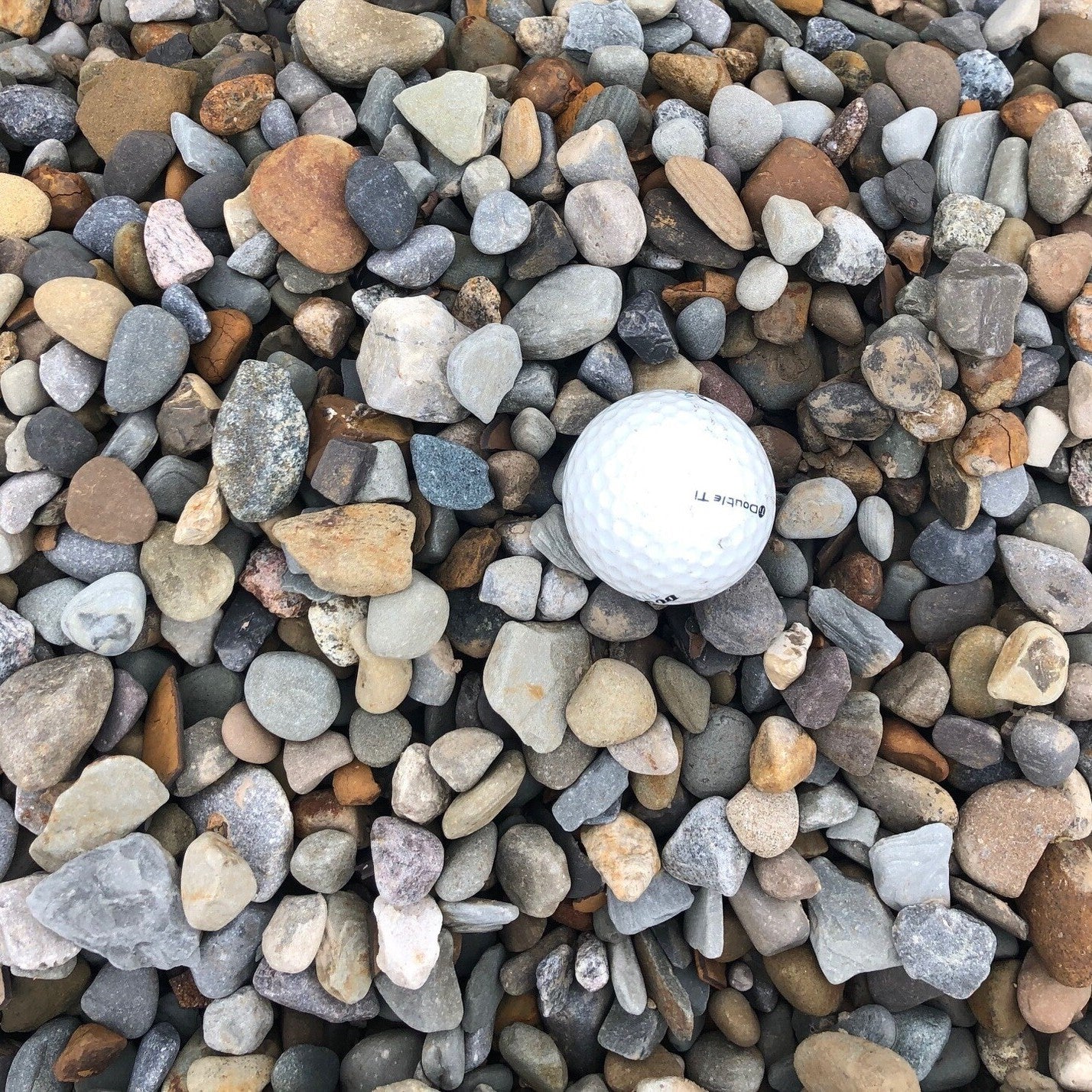
Number 57 crushed stone, angular limestone graded to about three quarters of an inch. The standard driveway, base and drainage gravel, it locks together under traffic and drains fast.
My experience with Mulch Mound was great and super easy. I ordered two yards of screened topsoil and was able to get it delivered within 2 days. They came in my requested time frame (afternoon) and dropped it off where I asked on my driveway. The topsoil was exactly what was a...
Tell us what you're looking for
Thanks! We received your request.
Something went wrong. Please try again.
How Much Material Do I Need?
Most Farmington xeriscape and decorative stone applications work best at 3 to 4 inches of depth, which provides reliable weed suppression and a stable surface that resists displacement from monsoon runoff. Pathway and patio areas where foot traffic is expected can often work with 2 to 3 inches of compacted decomposed granite or crushed stone, especially when edged properly to keep material from spreading.
Use our free gravel calculator
What is a Yard?
A yard is approximately 27 cubic feet. As a general guideline, one yard of material can cover an area of about 100-160 square feet at a 2-3 inch depth.
We can't take orders for this right now. Tell us what you need and we'll get back to you.
What do you need?
Thanks! We received your request.
Something went wrong. Please try again.
Hand-picked local yards
4,000+ regional deliveries
Dedicated support
Why order through Mulch Mound
The best local , without the guesswork.
We hand-pick and partner with the best yards in your region, keep only the ones our buyers rate well, and back each load with our guarantee.
Mulch Mound Guarantee
If your isn't the quantity or quality you ordered, we'll make it right.
About this stone
Number 57 crushed stone, angular limestone graded to about three quarters of an inch. The standard driveway, base and drainage gravel, it locks together under traffic and drains fast.
My experience with Mulch Mound was great and super easy. I ordered two yards of screened topsoil and was able to get it delivered within 2 days. They came in my requested time frame (afternoon) and dropped it off where I asked on my driveway. The topsoil was exactly what was a...
How Much Material Do I Need?
Most Farmington xeriscape and decorative stone applications work best at 3 to 4 inches of depth, which provides reliable weed suppression and a stable surface that resists displacement from monsoon runoff. Pathway and patio areas where foot traffic is expected can often work with 2 to 3 inches of compacted decomposed granite or crushed stone, especially when edged properly to keep material from spreading.
Use our free gravel calculator
What is a Yard?
A yard is approximately 27 cubic feet. As a general guideline, one yard of material can cover an area of about 100-160 square feet at a 2-3 inch depth.
My experience with Mulch Mound was great and super easy. I ordered two yards of screened topsoil and was able to get it delivered within 2 days. Th...
Read full review
My experience with Mulch Mound was great and super easy. I ordered two yards of screened topsoil and was able to get it delivered within 2 days. They came in my requested time frame (afternoon) and dropped it off where I asked on my driveway. The topsoil was exactly what was advertised, clean with no rocks or other debris. The price was reasonable. I plan to use them again in a couple weeks to order compost for my garden beds.
Measure your stone coverage area in feet, multiply length by width to get square footage, and then use a depth of 3 to 4 inches as your target for most Farmington applications. Divide the square footage by 81 to get cubic yards needed at a 4 inch depth. Because stone is denser than mulch or soil, even a moderate cubic yard estimate will result in a significant weight load, so confirm that your access area can handle a bulk delivery truck before ordering.
Complete Your Outdoor Stone Project
Pairing decorative stone with a quality soil base in your planting pockets creates a finished xeriscape design that is both beautiful and functional for Farmington's dry climate. Adding wood mulch around the base of specimen trees or shrubs within a stone landscape helps those plants retain the moisture they need without requiring the full yard to carry organic ground cover.
Farmington's monsoon season runs roughly from mid July through mid September and can deliver an inch or more of rain in a single hour despite the annual average being only 8 inches. Before laying decorative stone in any area that collects runoff, check that water has a clear path away from your foundation and toward a drain or absorption area. Stone that sits in a low spot without drainage will pond water and create erosion channels that undermine the edges of your installation over multiple storm cycles.
Mulch Mound Pro Tip
When installing decomposed granite or fine gravel pathways in Farmington, consider using a stabilizing binder mixed into the top layer before compacting. These binders are available at local landscape supply yards and harden the surface enough to prevent the material from kicking up underfoot or washing into planting beds during irrigation. A stabilized DG path holds its shape through the freeze and thaw cycles of Farmington winters without the heaving and cracking that can affect mortared surfaces at this elevation.
Mulch Mound Pro Tip
One overlooked benefit of stone landscaping in the Farmington area is its ability to moderate overnight soil temperatures during the transitional months of September and October. Stone absorbs solar heat during the long high desert days and slowly releases it through the night, which can protect the root zone of drought tolerant plants from early frosts around the October 7th average date. Placing larger stones near the base of sensitive plants on the south or west side creates a microclimate that can extend your growing season by several nights.
The Unique Landscape of Farmington
Decorative stone and gravel are among the most practical landscape choices available to Farmington homeowners, given that the city receives only 8 inches of rainfall per year and sits in a high desert environment where water conservation is a genuine priority. Stone does not break down, does not need seasonal replacement, and does not compete with plants for moisture the way organic ground covers can under certain conditions. At 5,473 feet of elevation, the intense UV exposure that degrades organic mulch over time has zero effect on gravel or rock, making stone a genuinely permanent investment. The sandy loam soil native to the Farmington area is prone to surface erosion during the intense monsoon bursts that arrive in July and August, and a layer of decorative stone holds the soil underneath in place even during those brief but powerful downpours. Stone also reflects heat in ways that can be used strategically around patios and gathering spaces to extend the usability of outdoor areas on Farmington's cooler fall evenings.
Frequently Asked Questions
Click a question to see the answer
Answer
What size gravel works best for a xeriscape front yard here in Farmington?
For full yard xeriscape conversions in Farmington, a 3/4 inch crushed gravel or pea gravel is the most popular choice because it is small enough to walk on comfortably, stays in place during monsoon runoff, and compacts slightly over time for a cleaner look. Larger cobble rock is better used as an accent or dry creek bed feature rather than full coverage. Whatever size you choose, laying a quality landscape fabric underneath before spreading the stone will dramatically reduce the tumbleweeds and kochia that will otherwise push up through the gravel.
Answer
Will rock or gravel make my yard hotter in the summer? I have heard it can get brutal.
Light colored gravel such as white or tan decomposed granite reflects more sunlight and stays cooler than dark rock. In Farmington summers where July highs regularly exceed 95 degrees Fahrenheit, placing dark river rock in south or west facing areas can radiate significant heat back toward the house and any nearby plants. Strategically using lighter stone in sun baked zones and reserving darker rock for shaded areas or accent features gives you a better thermal balance across your yard.
Answer
I want to stop tumbleweeds from taking over my gravel area. Is there anything I can do?
Landscape fabric installed under your stone layer is the most effective first line of defense against tumbleweeds and other weedy annuals in Farmington. Russian thistle, the plant most people call tumbleweed, is an annual that germinates from seed, so blocking contact between airborne seeds and soil removes their ability to establish. No fabric is perfect and some seeds will germinate in dust and debris that accumulates on top of the gravel over time, but the volume is dramatically reduced compared to bare soil or gravel without a barrier underneath.
Answer
Can I use stone around my drip irrigation system without interfering with how it waters my plants?
Yes, and many Farmington gardeners actually find that drip irrigation works better under a stone mulch layer because the stone slows surface evaporation even more than organic mulch in very dry conditions. Water released from a drip emitter under several inches of gravel has a cooler, more shaded environment to soak into rather than evaporating instantly in the open air. Just make sure your emitter heads are accessible for cleaning and adjustment, and avoid packing stone so tightly around the lines that you cannot move them for maintenance.
Answer
How deep should I spread decorative stone to actually suppress weeds long term?
In Farmington, 3 to 4 inches of stone depth is the practical minimum for effective weed suppression when used over landscape fabric. A shallower layer allows weed seeds that germinate in the debris layer on top of the gravel to root down through gaps in the fabric over time. Going deeper than 4 inches with smaller gravel can make walking and maintenance more difficult. For larger cobble or river rock, 2 to 3 inches is often sufficient because the individual pieces are heavier and block light more effectively.
Answer
My yard slopes toward the street and water runs off fast. Will gravel help or make it worse?
On a slope, loose pea gravel can actually migrate downhill over time, especially during Farmington's monsoon surges in July and August. For sloped areas, angular crushed stone or decomposed granite compacts better and stays in place more reliably than round river rock. Installing a border of larger cobble or a French drain at the base of the slope gives fast moving water a place to go without carrying your gravel into the street. Decomposed granite compacted with a plate compactor is particularly effective on gentle slopes.
Answer
Is there a stone option that looks natural and fits with the desert landscape around Farmington?
Absolutely. The mesas and canyon lands surrounding Farmington are naturally rich in warm toned sandstone, red rock, and buff colored materials that translate beautifully into residential landscapes. A native looking design might combine a base layer of tan decomposed granite with accent boulders in rust or brown tones to echo the color palette of the surrounding terrain. This approach not only looks intentional and regionally appropriate but it also avoids the visual mismatch of white marble or tropical colored stone that can look out of place in the high desert.
Answer
Is there a stone yard near Farmington?
Putting in a low water xeriscape bed in Farmington, where only about 8 inches of rain falls each year, takes a good amount of crushed stone. Mulch Mound brings it by the cubic yard right to your driveway or wherever you want it dropped, so you skip the stone yard and the drive to a quarry entirely.