About this landscape rock

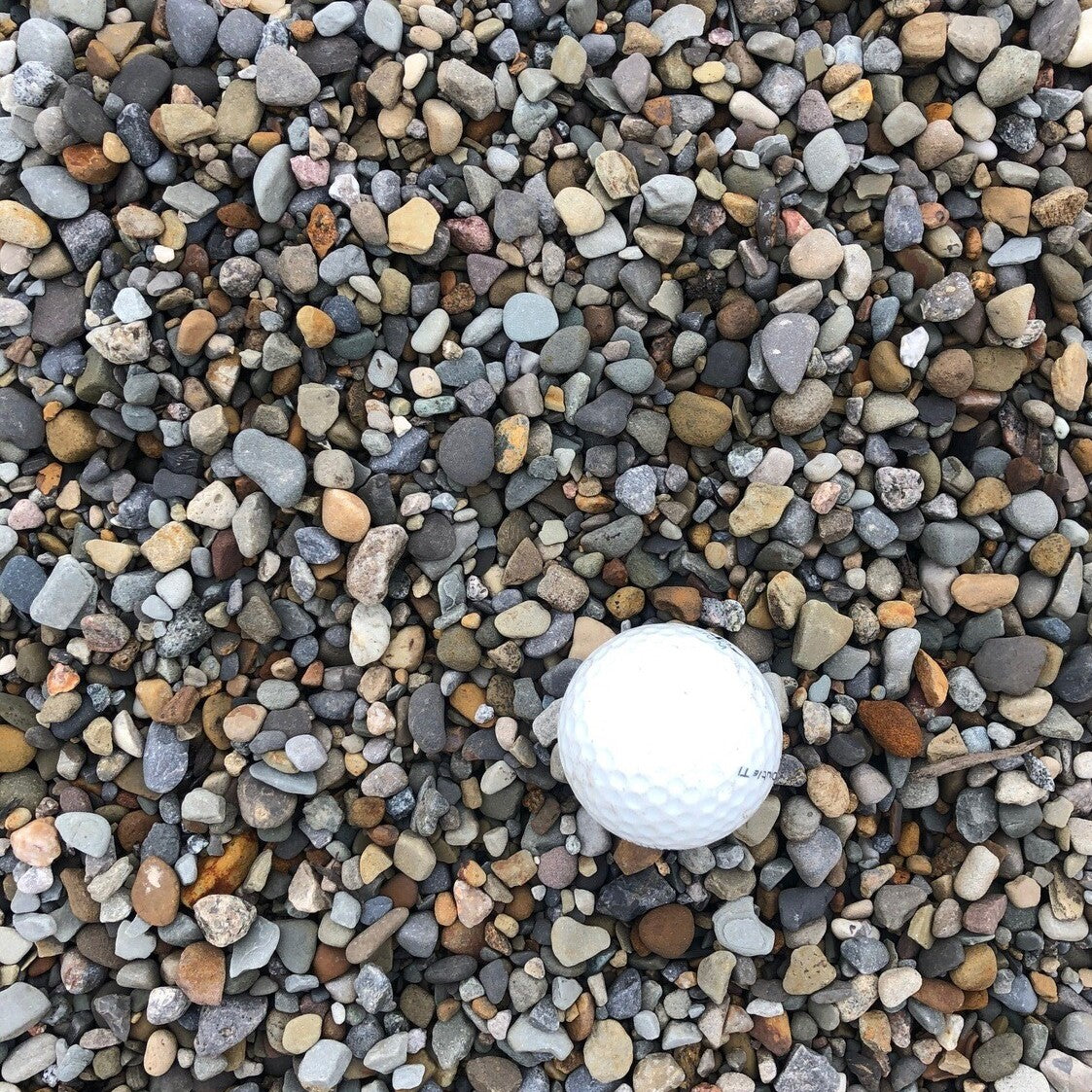
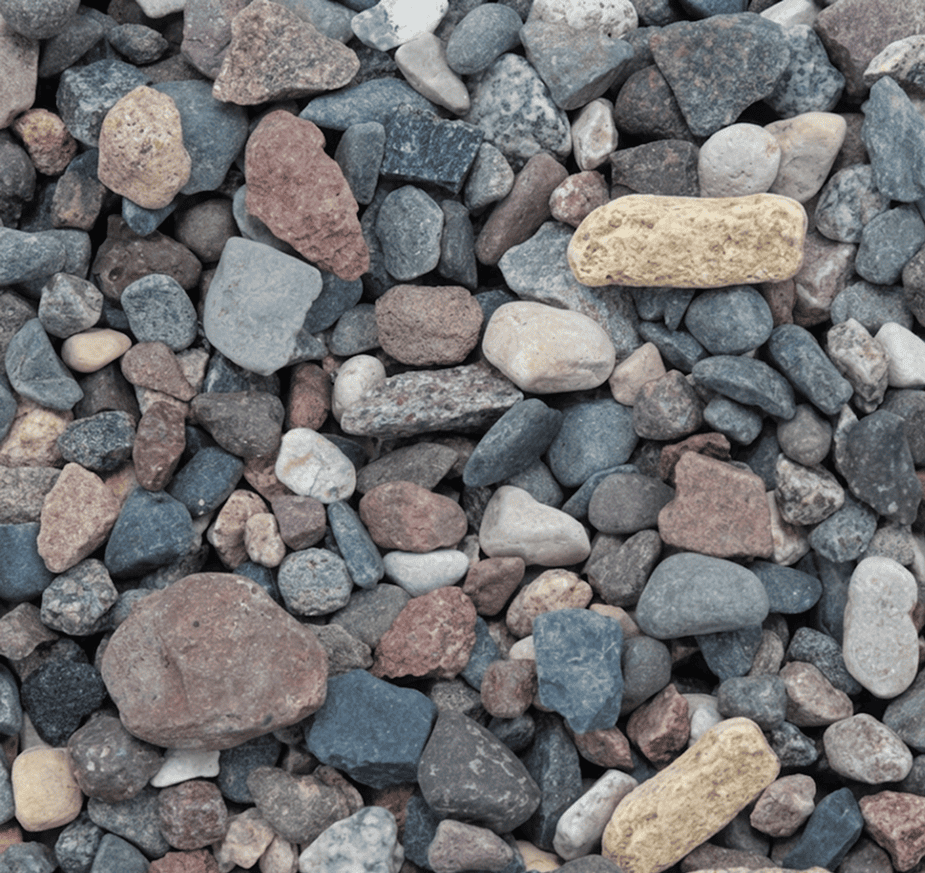
Smooth tumbled river rock, heavy enough to stay put in drainage runs and handsome enough for beds and borders.

I recently ordered from mulch mound and was thoroughly impressed with every aspect of the experience. The entire process, from placing the order to delivery was seamless and efficient. The mulch arrived exactly on time, and the quality exceeded my expectations. The color was r...

At a 2 inch install depth, one cubic yard of landscape rock covers about 162 square feet, so a 500 square foot bed runs a little over 3 cubic yards. Go to 3 inches deep for high-traffic or foundation zones and figure closer to 108 square feet per yard. Measure your bed in square feet first, then divide by the coverage number for the depth you want.

A yard is approximately 27 cubic feet. As a general guideline, one yard of material can cover an area of about 100-160 square feet at a 2-3 inch depth.

Farmington Landscape Rock Delivery

Farmington Landscape Rock Delivery

4.7
137 reviews
Regular price $132.00 per Yard
Regular price Sale price $132.00
Sale Sold out
Shipping calculated at checkout.
Type
Size
Minimum of 3 Yard
Hand-picked local yards
4,000+ regional deliveries
Dedicated support
Why order through Mulch Mound

The best local landscape rock, without the guesswork.

We hand-pick and partner with the best yards in your region, keep only the ones our buyers rate well, and back each load with our guarantee.

Mulch Mound Guarantee

If your landscape rock isn't the quantity or quality you ordered, we'll make it right.

About this landscape rock

Smooth tumbled river rock, heavy enough to stay put in drainage runs and handsome enough for beds and borders.

I recently ordered from mulch mound and was thoroughly impressed with every aspect of the experience. The entire process, from placing the order to delivery was seamless and efficient. The mulch arrived exactly on time, and the quality exceeded my expectations. The color was r...

At a 2 inch install depth, one cubic yard of landscape rock covers about 162 square feet, so a 500 square foot bed runs a little over 3 cubic yards. Go to 3 inches deep for high-traffic or foundation zones and figure closer to 108 square feet per yard. Measure your bed in square feet first, then divide by the coverage number for the depth you want.

A yard is approximately 27 cubic feet. As a general guideline, one yard of material can cover an area of about 100-160 square feet at a 2-3 inch depth.

View full details

How It Works

Getting started is easy — just follow these simple steps

1

Choose your quantity

Adjust the quantity to match your project. One cubic yard covers about 100 to 160 square feet at a 2 to 3 inch depth.

2

Select your delivery date

Select a delivery date you'd like for the product to be dropped off at your home

3

Sit back and wait

Sit back, wait, and let us work our magic to make sure the highest quality product is delivered to your driveway.

From The Mouths of Farmington Folks

4.7
out of 5 based on 137 reviews
Google Reviews

Complete Your Outdoor Project

Landscape fabric underneath is what makes this a decade-long install instead of a weed patch by next summer, so plan on that as a companion purchase. Steel or plastic edging keeps the rock from migrating into the lawn or gravel driveway, both common in this area. If any beds border planting areas that need real soil feeding, keep those separate with mulch instead of rock.

Map of the landscape rock delivery area around Farmington, New Mexico

Service area

Areas we deliver landscape rock in Farmington, New Mexico

Mulch Mound Pro Tip

In Farmington's sandy loam, skip laying fabric directly on bare dirt if you can, a thin base of compacted road base or decomposed granite screenings first gives the fabric something stable to sit on and keeps rock from sinking unevenly over time. This matters more here than in clay soil regions because sandy loam shifts underfoot and settles faster, especially near downspouts where runoff concentrates.

Mulch Mound Pro Tip

The biggest mistake we see is skipping edging and letting rock spread into gravel driveways or lawn areas, which then means hand sorting rock out of grass every spring. Install steel or heavy plastic edging before the rock goes down, not after. It is a one time job and it keeps the line clean for as long as the rock is there.

Mulch Mound Pro Tip

Rock is a one time material cost since it never breaks down or needs replacing, unlike mulch that needs refreshing yearly. If you are pairing rock beds with mulched planting areas elsewhere on the property, order both in the same delivery to save on separate trips, and keep the two materials in clearly separated zones so they do not mix over time.

Decorative Stone in Farmington

Farmington sits at 5473 feet with sandy loam soil that drains fast and dries out even faster, conditions that chew through organic mulch in a single season. Rock does not care about that, it just sits there and does its job through the hot dry summers and the cold snaps that hit before the October 7 frost date. A lot of homes here use rock beds against foundations and along downspouts where wood mulch would wash out or bleach in the sun. It is a common choice for low-maintenance yards that do not want to fight the climate every spring.

What Landscape Rock Is

Landscape rock is stone chosen for how it looks as much as what it does. River rock is smooth and rounded, decomposed granite is fine and packs firm underfoot. Both are sold by the cubic yard for beds, borders, paths, and dry creek beds.

River Rock vs Decomposed Granite

River rock stays loose and rolls, so it suits beds, borders, and drainage runs where it can sit in place. Decomposed granite compacts into a firm surface, so it suits paths, patios, and anywhere you will walk or roll a wheelbarrow.

Depth and Coverage

Spread river rock 2 to 3 inches deep over landscape fabric so it stays put and weeds stay down. Lay decomposed granite 3 to 4 inches deep, wet it, and compact it in lifts for a surface that sheds water instead of rutting.

Frequently Asked Questions

Click a question to see the answer

Answer

Does landscape rock work well in Farmington's dry climate?

Yes, it actually performs better here than organic mulch. Sandy loam soil drains fast and our summers are hot and dry, which breaks down wood mulch quickly but does nothing to rock. It holds its color and position through the whole season without needing a refresh, which is why so many low-maintenance beds around town use it.

Answer

How much rock do I need for a 300 square foot bed?

At a 2 inch depth, one cubic yard covers about 162 square feet, so 300 square feet needs just under 2 cubic yards. If you want a deeper 3 inch layer for a high traffic area, plan on closer to 3 cubic yards for the same space. Round up rather than order short.

Answer

When is the best time to install landscape rock here?

Anytime the ground is not frozen works, but late spring after the last frost around May 5 gives you dry, workable soil for laying fabric and edging. Fall installs before October also work well since the ground is still soft. Avoid installing right after heavy rain when sandy loam gets soft and hard to compact.

Answer

Where will the delivery truck place the rock?

The load gets dropped at a driveway or curb location you specify when you schedule at checkout. Make sure there is clear truck access and enough space for the pile, then plan how you will move it to the beds since a full cubic yard of rock is heavy and not something to shovel far by hand.

Answer

Should I choose rock or mulch for my front bed?

It depends on what is planted there. Rock is a permanent, one time install that suits foundation lines and low-plant areas, but it traps leaves and adds nothing to the soil. If your bed has shrubs or perennials that benefit from organic matter breaking down, mulch is the better long-term choice for that specific area.

More delivery around Farmington, New Mexico

All Farmington, New Mexico landscape supply

