

About this soil

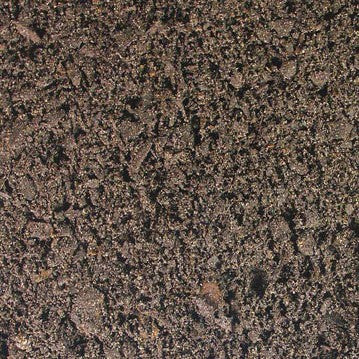
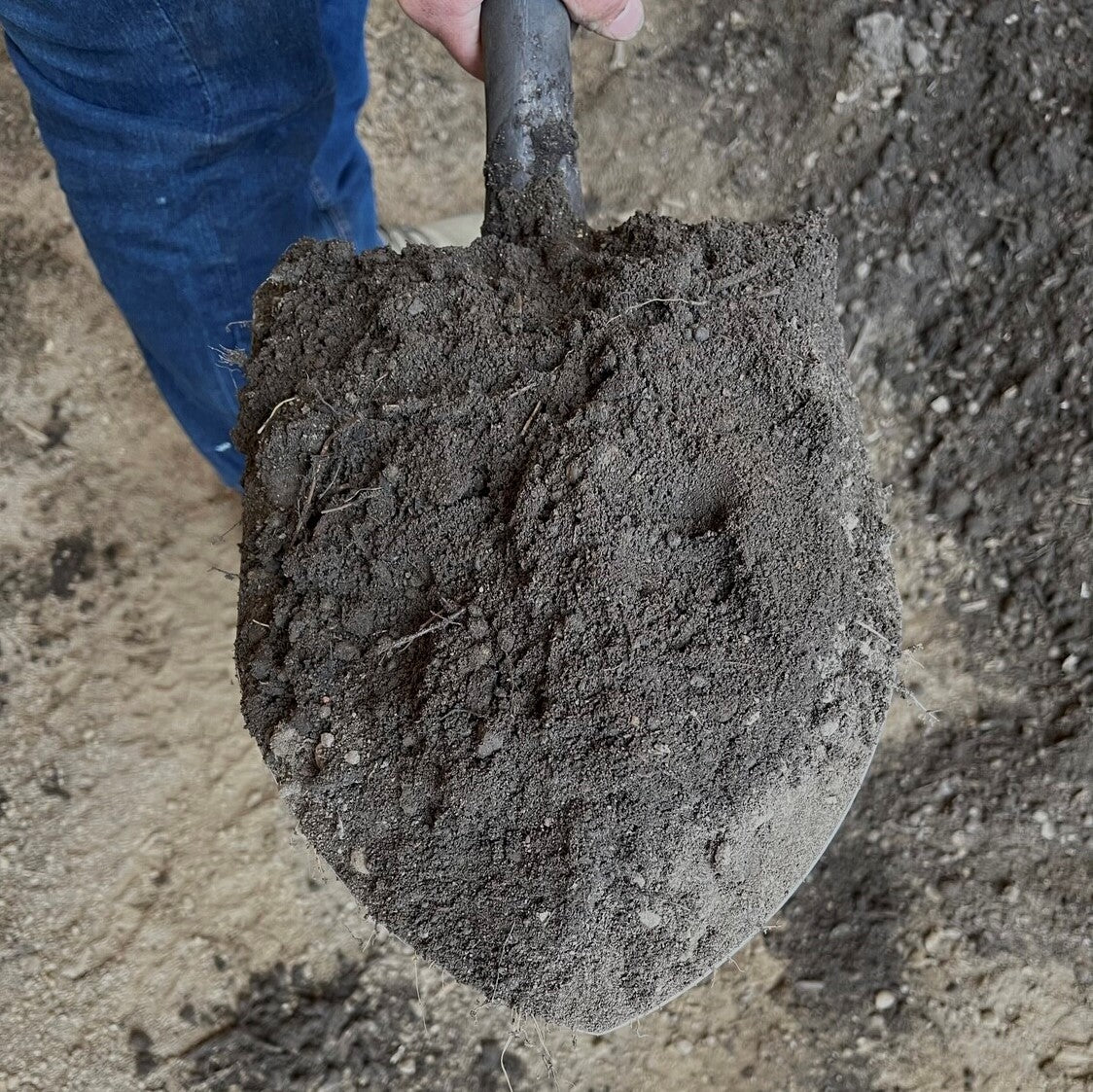
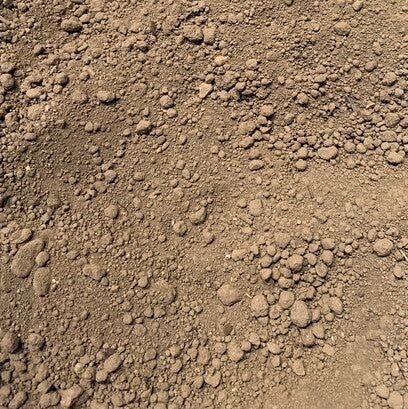
Screened topsoil with a fine, even texture. Ideal for new lawns, sod prep, and raised garden beds.

My experience with Mulch Mound was great and super easy. I ordered two yards of screened topsoil and was able to get it delivered within 2 days. They came in my requested time frame (afternoon) and dropped it off where I asked on my driveway. The topsoil was exactly what was a...

Plan on one to two inches for lawn topdressing, four to six inches for new beds over compacted subdivision soil, and eight to twelve inches for raised vegetable beds. Deeper is better for beds in Fishers because so many yards sit on compacted builder fill.
Use our free soil calculator

A yard is approximately 27 cubic feet. As a general guideline, one yard of material can cover an area of about 100-160 square feet at a 2-3 inch depth.

Fishers Soil Delivery

Fishers Soil Delivery

4.7
137 reviews
Regular price $55.00 per Yard
Regular price Sale price $55.00
Sale Sold out
Shipping calculated at checkout.
Type
Style
Hand-picked local yards
4,000+ regional deliveries
Dedicated support
Why order through Mulch Mound

The best local , without the guesswork.

We hand-pick and partner with the best yards in your region, keep only the ones our buyers rate well, and back each load with our guarantee.

Mulch Mound Guarantee

If your isn't the quantity or quality you ordered, we'll make it right.

About this soil

Screened topsoil with a fine, even texture. Ideal for new lawns, sod prep, and raised garden beds.

My experience with Mulch Mound was great and super easy. I ordered two yards of screened topsoil and was able to get it delivered within 2 days. They came in my requested time frame (afternoon) and dropped it off where I asked on my driveway. The topsoil was exactly what was a...

Plan on one to two inches for lawn topdressing, four to six inches for new beds over compacted subdivision soil, and eight to twelve inches for raised vegetable beds. Deeper is better for beds in Fishers because so many yards sit on compacted builder fill.
Use our free soil calculator

A yard is approximately 27 cubic feet. As a general guideline, one yard of material can cover an area of about 100-160 square feet at a 2-3 inch depth.

View full details

How It Works

Getting started is easy — just follow these simple steps

1

Choose your soil

Make sure you adjust the quantity to your home's needs. You can use our calculator to estimate how much you'll need.

2

Select your delivery date

Select a delivery date you'd like for the product to be dropped off at your home

3

Sit back and wait

Sit back, wait, and let us work our magic to make sure the highest quality product is delivered to your driveway.

What Fishers Customers Like About Our Soil

4.7
out of 5 based on 137 reviews
Google Reviews

Need Help Calculating How Much Soil You Need?

Use our NEW Trace from Satellite tool to get an estimate for your project based on an aerial view of your property

Try Our Calculator
📍

Measure the length and width of each area and decide on your depth in inches, then multiply length times width times depth and divide by 324 to get cubic yards. Soil settles more than mulch, so add about ten percent to whatever number you get. For lawn topdressing in Fishers, err on the low side and do a second pass rather than smothering the grass.

Complete Your Outdoor Soil Project

Finish new beds with two to three inches of hardwood mulch to stop the silt loam from crusting over, and grab a few bags of compost for spot amending as you plant. Grass seed pairs well with topsoil for lawn repair.

Frequently Asked Questions

Click a question to see the answer

Answer

Why is the soil in my new Fishers subdivision so hard to dig?

During construction the native silt loam gets scraped off and heavy equipment compacts what remains, which crushes the pore space that roots and water need. Silt loam is especially prone to this because its fine particles pack tight. Most new Fishers yards need three to six inches of quality topsoil or a serious compost amendment before beds perform well.

Answer

What is the difference between screened topsoil and garden mix?

Screened topsoil is native soil run through a screen to remove rocks, roots, and clumps, and it is best for filling low spots, leveling before sod, and general grading. Garden mix blends topsoil with compost, so it is richer and looser and better suited to vegetable beds and new plantings. In Fishers, most people use topsoil for lawn work and garden mix for beds.

Answer

When can I start working soil in the spring here?

Wait until the silt loam crumbles instead of smearing when you squeeze a handful, which in Fishers usually means late April near the April 22 last frost date. Working wet silt loam destroys its structure and creates hard clods that persist all season. A few dry days after a warm spell is worth waiting for.

Answer

How much topsoil do I need to level low spots in my lawn?

For settling around Fishers foundations and shallow lawn dips, one to two inches at a time is the maximum, since burying grass deeper than that kills it. One cubic yard covers about 160 square feet at two inches. Larger low areas may need two applications in one growing season, spaced about six weeks apart.

Answer

Can I plant a vegetable garden directly in Fishers native soil?

You can, but silt loam benefits enormously from added organic matter because it compacts and crusts after rain. Most Fishers gardeners have the best luck building raised beds filled with garden mix, or tilling three to four inches of compost into the top eight inches. That also gets the soil warm enough to plant tomatoes in mid May.

Answer

Is fall a good time to add soil in Fishers?

Fall is excellent. After the October 14 first frost, the ground is still workable for weeks, and organic matter added in autumn has all winter to integrate as freeze and thaw cycles break it into the profile. Fall amending also avoids the mud that comes with Fishers spring rains.

Answer

Will adding topsoil fix my drainage problem?

Only if the problem is a low spot. If water sits because of compacted subsoil or grade running toward the house, adding soil on top can actually trap water. In much of Fishers the real fix is regrading to move water away plus adding compost to loosen the silt loam so it can absorb rain instead of shedding it.

Mulch Mound Pro Tip

Never blend a sharp layer of new soil over compacted subsoil without mixing the boundary. Water will perch at the seam and roots will refuse to cross it, which is a common failure in Fishers subdivisions. Loosen the existing surface with a fork or tiller first, then work the bottom two inches of your new soil into it. That transition zone is what lets roots and water move down into the profile.

Mulch Mound Pro Tip

Test your drainage before you spend on soil. Dig a hole a foot deep in the problem area, fill it with water, let it drain, and fill it again. If the second fill takes more than eight hours to disappear, you have compacted subsoil typical of built up Fishers lots, and adding topsoil alone will not solve it. Address the grade or add a drain first.

Mulch Mound Pro Tip

Time raised bed filling for early fall. Soil delivered in September and October has time to settle and mellow through the Fishers winter, and the freeze and thaw cycles between October and April break up any clumps naturally. Beds filled in fall are ready to plant right at the April 22 last frost window, while beds filled in spring settle several inches after your seedlings are already in.

The Unique Landscape of Fishers

Fishers grew fast, and in most subdivisions built over the last thirty years the native silt loam was stripped, compacted by equipment, and then given a thin skin of fill before sod went down. What is left drains poorly, crusts after rain, and gives new roots very little to work with. Bringing in quality screened topsoil or a compost rich garden mix is how homeowners here rebuild the profile that construction removed. Good soil also matters because Fishers sits in zone 6a with a growing season running from roughly April 22 to October 14, which is a tight window where plants cannot afford to spend weeks fighting compaction. And with 43 inches of annual rainfall, blending in organic matter improves both drainage in wet springs and moisture holding during dry midsummer stretches.