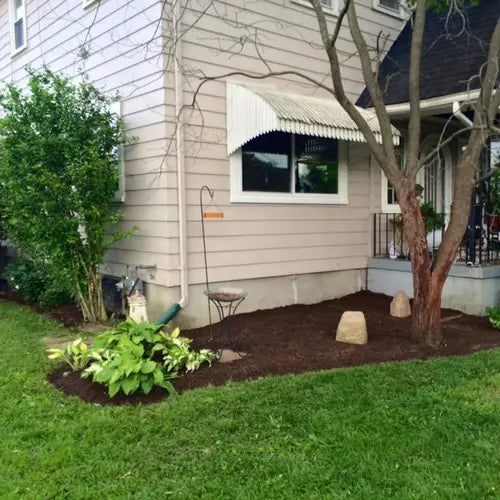
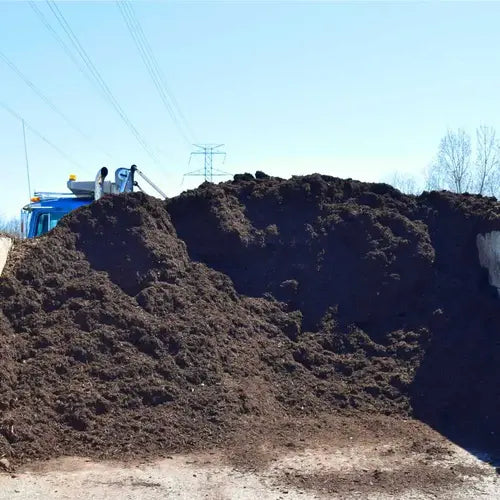
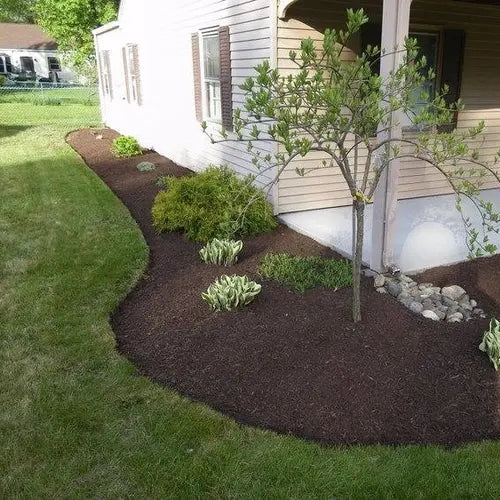
Delivery was on time and great quality Mulch. Got it done in a reasonable time and yard looks great. Couldn’t be happier!!! Thank you and will use again!!
Tell us what you're looking for
Thanks! We received your request.
Something went wrong. Please try again.
How Much Material Do I Need?
A three inch application depth is the standard recommendation for Florence landscape beds, providing enough coverage to suppress weeds and retain moisture without smothering plants. For beds with existing partial coverage, a top-off of one to two inches is usually enough to bring things back to an effective level.
Use our free mulch calculator
What is a yard?
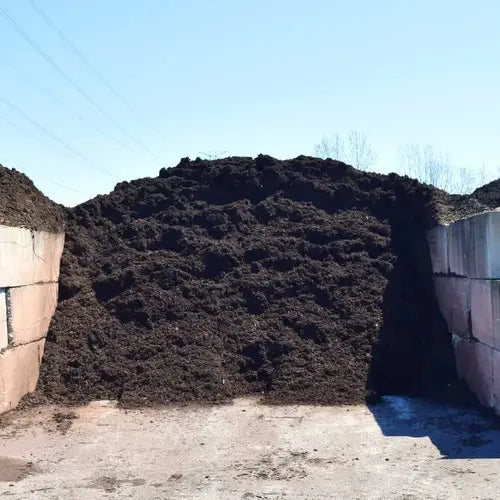
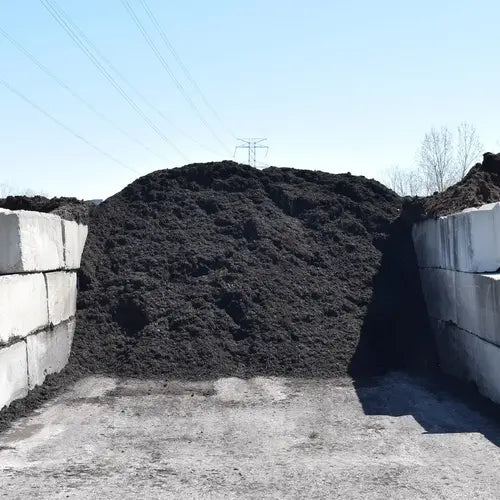
A yard is approximately 27 cubic feet. As a general guideline, one yard of material can cover an area of about 100-160 square feet at a 2-3 inch depth.
Delivery was on time and great quality Mulch. Got it done in a reasonable time and yard looks great. Couldn’t be happier!!! Thank you and will use again!!
How Much Material Do I Need?
A three inch application depth is the standard recommendation for Florence landscape beds, providing enough coverage to suppress weeds and retain moisture without smothering plants. For beds with existing partial coverage, a top-off of one to two inches is usually enough to bring things back to an effective level.
Use our free mulch calculator
What is a yard?
A yard is approximately 27 cubic feet. As a general guideline, one yard of material can cover an area of about 100-160 square feet at a 2-3 inch depth.
Delivery was on time and great quality Mulch. Got it done in a reasonable time and yard looks great. Couldn’t be happier!!! Thank you and will us...
Read full review
Delivery was on time and great quality Mulch. Got it done in a reasonable time and yard looks great. Couldn’t be happier!!! Thank you and will use again!!
Mulch Mound delivered a yard of pea gravel to us. Delivery was on time, driver was friendly and hit a bullseye on the “tarp target”. We used the ...
Read full review
Mulch Mound delivered a yard of pea gravel to us. Delivery was on time, driver was friendly and hit a bullseye on the “tarp target”. We used the pea gravel (which was diameter as specified) to fill several muskrat holes around our pond. I would definitely recommend Mulch Mound to a friend!
I can’t say enough good things about Mulch Mound! If you read my review below you will see I had a problem with my order. Mulch Mou...
Read full review
UPDATE!
I can’t say enough good things about Mulch Mound! If you read my review below you will see I had a problem with my order. Mulch Mound was quick to respond and solved the issue with my delivery. Will definitely be a customer next year.
First time purchase from Mulch Mound!! First what I liked! Easy to order online and straight forward pricing and delivery. The driver was on time and courteous and delivered my Mulch exactly where I requested! The product is of good quality and comparable to others I have purchased from before. Now what I DID’NT LIKE! I have been mulching the same house and yard for almost 20 years. I always order the same amount and don’t have any issues with covering the same area but this year I fell about a yard short. I was home when the mulch was delivered and when the driver dumped it I noticed that it seemed a bit less than I was used to. I didn’t apply it any thicker than usual and probably a bit thinner than usual because I was worried about running out.
Measure the length and width of each bed in feet and multiply those numbers together to get square footage. Add up all your bed square footage and divide by 100 to get a rough starting estimate for cubic yards needed at a three inch depth. Florence beds often need a little extra because decomposed material from last season compresses the base layer and your starting depth may already be lower than it looks.
Mulch vs. No Mulch: The Difference
In Florence's climate, the question is not really whether to use mulch but how to manage it through a season that is both very long and very wet. Organic mulch breaks down noticeably faster here than it would in a drier or cooler climate, meaning the decomposition process that adds organic matter to your silt loam soil is actually quite active. That faster breakdown is a benefit for soil health but it does require Florence homeowners to stay on top of replenishment to maintain effective weed suppression and moisture retention throughout the growing season.
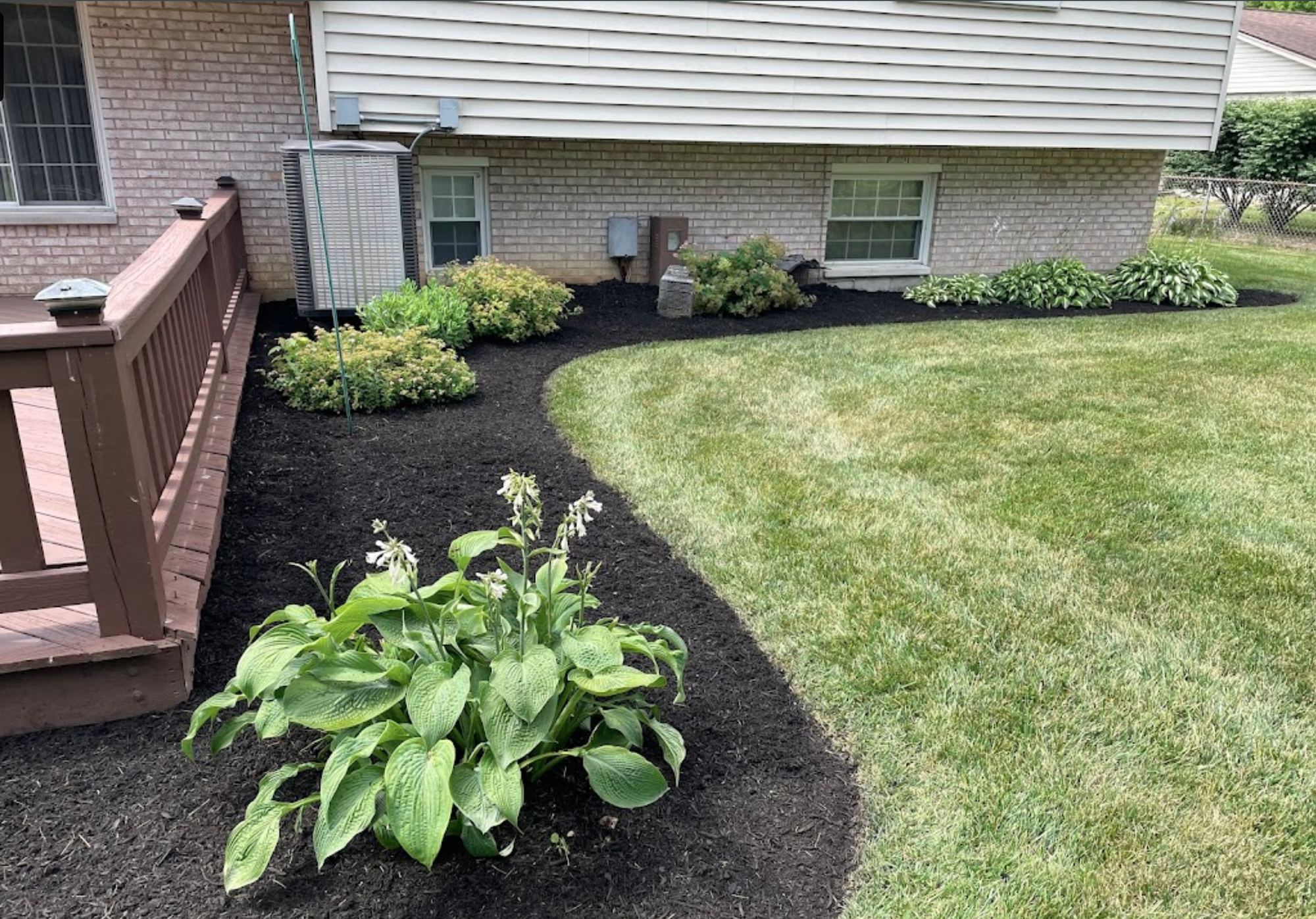
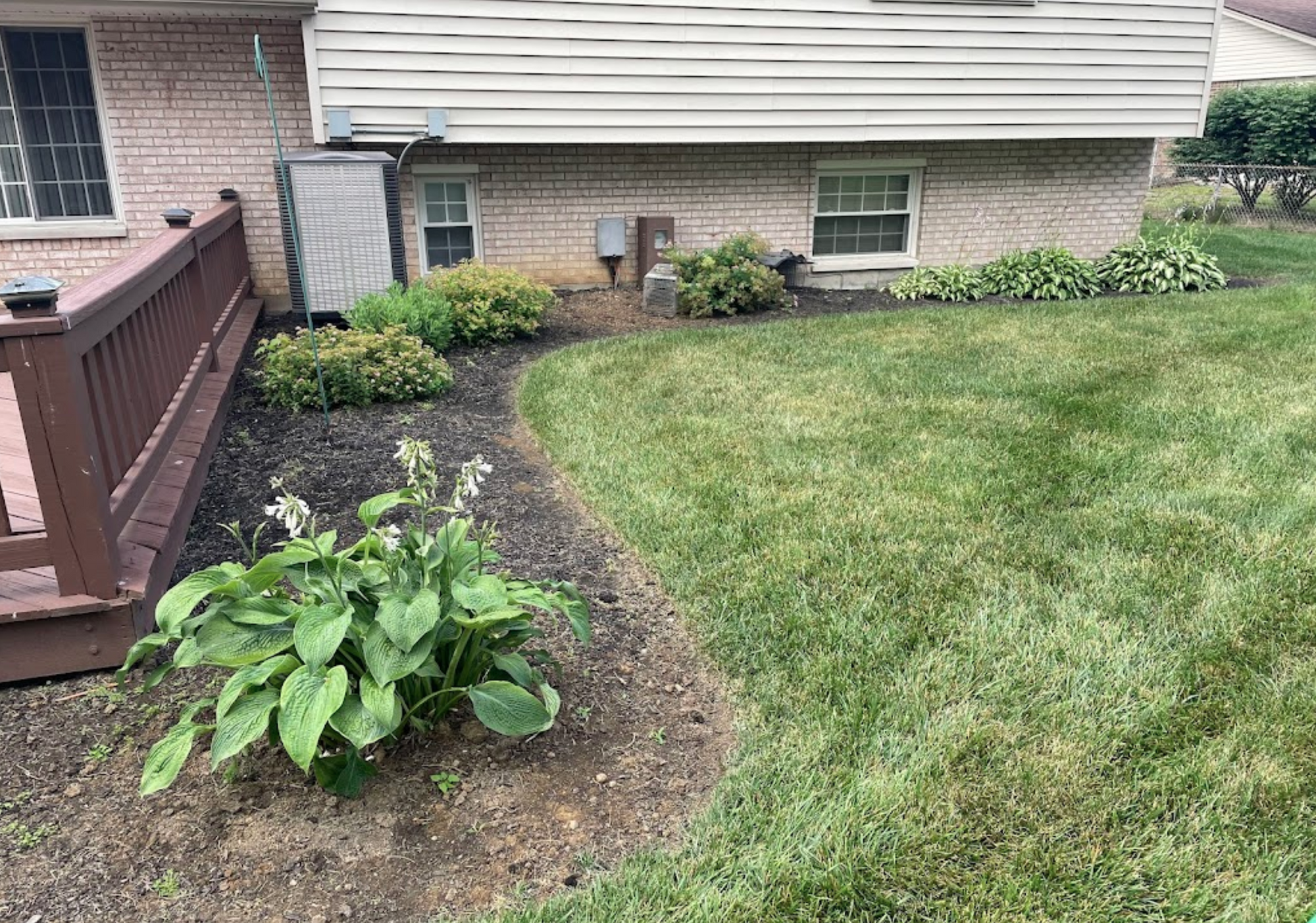
Before
After
Best Mulch Choice for Florence Lawns
Most yards in the Florence area sit on type of soil. Florence silt loam soil has a tendency to compact and crust at the surface when exposed to repeated cycles of heavy rainfall followed by summer heat, which limits how well water and air move through the soil profile. Maintaining a consistent mulch layer is one of the most practical ways to prevent that crusting and keep your plant beds productive.
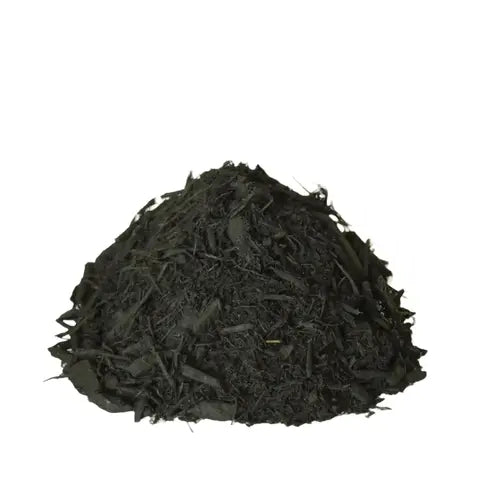
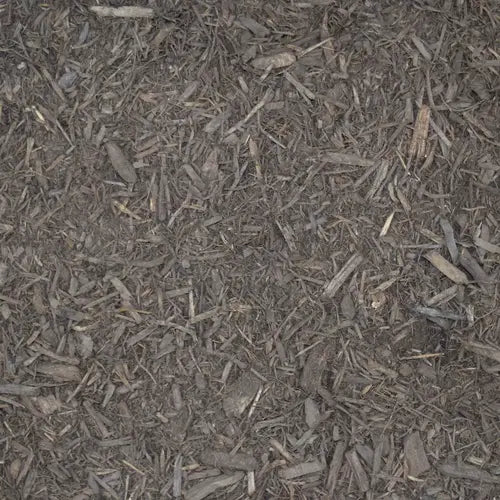
Hardwood Mulch
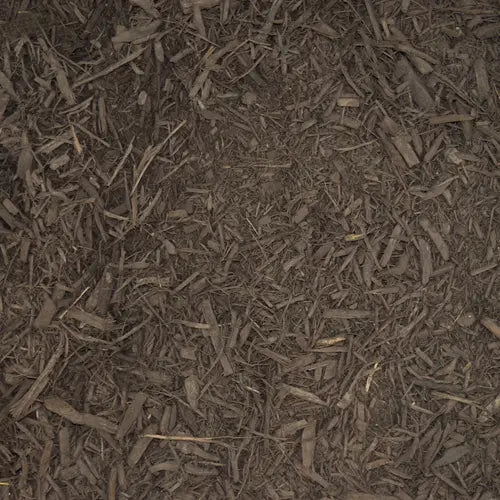
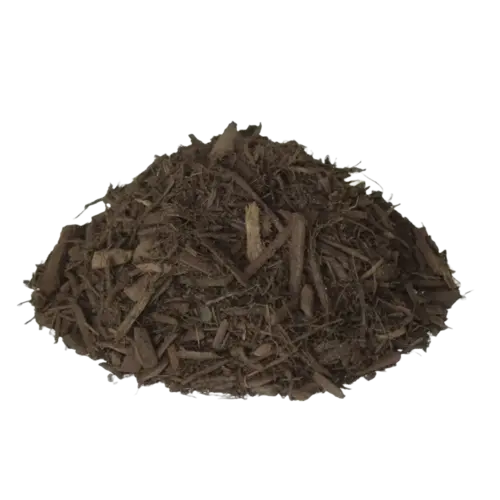
Hardwood mulch is particularly well suited to Florence silt loam because as it decomposes it contributes organic matter that improves the soil's already decent water holding ability without making drainage worse. The tannins in hardwood mulch also create a slightly acidic environment as they break down, which benefits the many acid-loving ornamental shrubs that thrive in Florence landscapes.
Complete Your Outdoor Mulch Project
Pairing a fresh mulch application with a quality garden soil amendment in your planting beds gives new plantings the best possible start in Florence's silt loam conditions. Consider adding stepping stone or landscape gravel borders around beds to keep mulch contained and reduce the washout common after heavy Florence rainstorms.
Florence's growing season runs from mid-March all the way to late November, which means your mulch has to work hard for a long time. To get the most out of a single bulk delivery, apply mulch right after your spring planting is finished and water it in lightly to help it settle into place. Settled mulch resists wind and rain displacement far better than a fresh fluffy application and you will find yourself needing fewer touch-ups through the summer.
Mulch Mound Pro Tip
Silt loam soil in the Florence area tends to form a surface crust after repeated rain and dry cycles, which restricts water and oxygen from reaching roots. Before spreading new mulch in spring, take a hand rake or cultivator and break up that surface crust across your beds. Loosening the top inch of soil before mulching dramatically improves water infiltration and gives beneficial soil microbes the oxygen they need to start processing organic material again.
Mulch Mound Pro Tip
Florence homeowners with large shade trees should pay close attention to mulching within the drip line of those trees. Turf grass under mature oaks and maples in this area struggles with root competition and shade, and converting those zones to mulched rings eliminates a frustrating maintenance battle. A wide mulch ring also protects surface roots from lawn mower damage, which is one of the leading causes of long-term tree decline in established Florence neighborhoods.
Frequently Asked Questions
Click a question to see the answer
Answer
How often do I need to refresh mulch in Florence given how wet and hot it gets?
Most Florence homeowners find they need to top off mulch beds at least once a year, with many doing a light refresh in both spring and fall. The combination of high summer humidity, frequent rain, and intense heat accelerates decomposition significantly compared to drier climates. A fresh application in late March after the last frost date helps lock in soil moisture before summer arrives, and a quick top-off in October helps protect roots through the mild but real winters Florence does experience.
Answer
Will mulch wash away during heavy Florence rainstorms?
Washing is a real concern in Florence where rainfall averages 57 inches per year and storms can be intense. Shredded hardwood mulch tends to knit together as it settles and resists washing better than nugget or chip styles. On sloped beds, applying mulch at a slightly deeper depth on the uphill edge and keeping a border of edging in place will reduce movement significantly. Avoid piling mulch too loosely right after a fresh delivery since compacted mulch holds position better than a fluffy freshly spread layer.
Answer
My soil already holds a lot of moisture from all our rainfall. Will mulch make root rot worse?
Florence silt loam already retains water very well, so it is important not to over-mulch or pile mulch directly against plant stems and tree trunks. Keep mulch pulled back two to three inches from the base of plants to allow airflow and prevent the crown from staying constantly wet. A properly applied three to four inch layer will moderate moisture rather than trap it, and it will help prevent the surface crusting that silt loam is prone to after heavy rain dries out.
Answer
What time of year should I put down fresh mulch in Florence?
The single most impactful time to mulch in Florence is late March, right after the average last frost date of March 16. At that point soil is warming up and applying mulch locks in that warmth while suppressing the spring flush of weeds that takes off fast in Florence's long growing season. A second application in late October before the November 20 first frost helps insulate root systems through winter and gives beds a clean look going into the cooler months.
Answer
Does the color of dyed mulch fade quickly in the Florence heat and sun?
Colored mulch does fade under Florence's intense summer sun, typically losing its vibrancy within three to five months of application. South and west facing beds that receive direct afternoon sun will see the fastest fading. Many Florence homeowners do a quick surface rake and light top-off of colored mulch in midsummer to refresh the look without doing a full replacement. The dyes used in quality colored mulch are iron oxide based and are safe for plants and soil.
Answer
How deep should I apply mulch around my azaleas and camellias?
Azaleas and camellias are extremely common in Florence landscapes and both prefer acidic soil conditions that hardwood mulch naturally supports as it breaks down. Apply three to four inches around these shrubs, keeping it pulled back from the main stem. Because Florence silt loam can compact and restrict oxygen to shallow roots, that mulch layer is especially important for keeping the top few inches of soil loose and biologically active where azalea and camellia feeder roots live.
Answer
Is bulk mulch more cost effective than buying bags at a hardware store for a large Florence yard?
For any project covering more than three or four planting beds, bulk delivery is almost always significantly cheaper per cubic yard than buying bagged mulch. A typical Florence home with established foundation plantings and a few tree rings might need six to ten cubic yards to do a proper refresh, and sourcing that in bags would cost two to three times as much as a bulk order. Bulk delivery also saves you the time and vehicle wear of multiple store runs.
The Unique Landscape of Florence
Florence sits in a humid subtropical climate where summer heat regularly pushes into the upper 90s and the ground stays moist from nearly 57 inches of annual rainfall. That combination of heat and moisture means organic mulch breaks down faster here than in drier climates, requiring homeowners to replenish beds more often to maintain effective coverage. The underlying silt loam soil in the Florence area holds water well but can crust over and compact when left exposed to summer sun and heavy rain. A consistent layer of mulch acts as a buffer between your plant roots and the dramatic temperature swings Florence experiences between its mild winters and brutal August afternoons. With a last frost around March 16 and a first frost not arriving until late November, Florence gardeners have a long growing season to protect and mulch is one of the most effective tools for doing that. Keeping beds properly mulched through the full season reduces watering needs, limits weed pressure, and keeps your silt loam soil from washing away during heavy spring downpours.