




Very happy with the ease of ordering. Delivery went exactly as planned. Garden soil looks great and couldn’t be happier.
About this soil
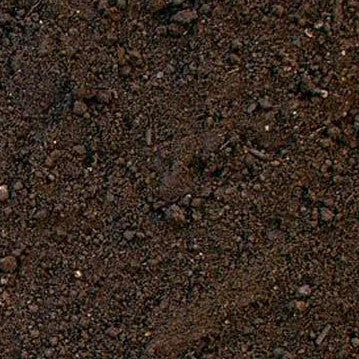
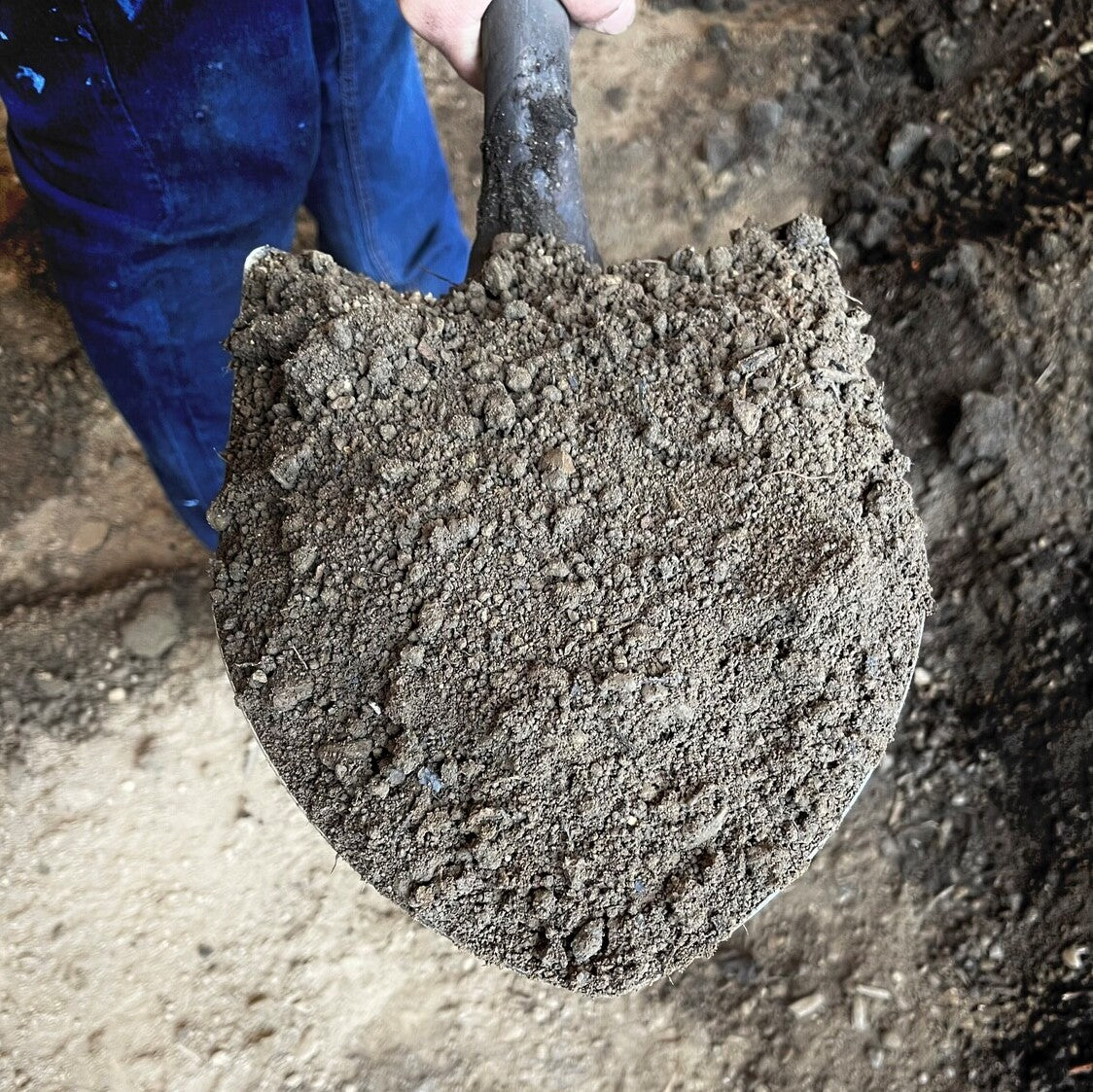
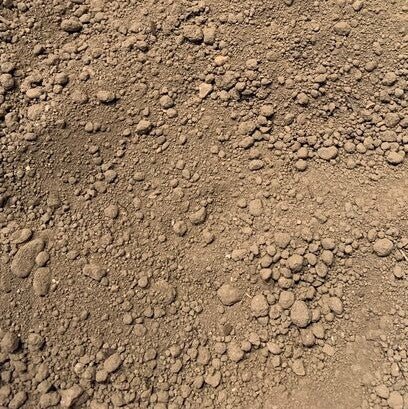
Screened topsoil with a fine, even texture. Ideal for new lawns, sod prep, and raised garden beds.
Very happy with the ease of ordering. Delivery went exactly as planned. Garden soil looks great and couldn’t be happier.
Tell us what you're looking for
Thanks! We received your request.
Something went wrong. Please try again.
How Much Material Do I Need?
How Much Material Do I Need?
Raised vegetable beds in Fresno are typically filled to a depth of 12 to 18 inches for most vegetables, with tomatoes and squash benefiting from the deeper end of that range. For backfill or ground-level planting areas, a 6-inch layer of amended soil incorporated into the top of the existing ground gives roots a strong transitional zone to grow through.
Use our free soil calculator
What is a Yard?
What is a Yard?
FAQs
FAQs
Fresno Soil Delivery
Fresno Soil Delivery
Regular price
$83.00
per
Yard
Regular price
Sale price
$83.00
Unit price
per
Shipping calculated at checkout.
Minimum of 3 Yard
Couldn't load pickup availability
Not currently available
We can't take orders for this right now. Tell us what you need and we'll get back to you.
Hand-picked local yards
4,000+ regional deliveries
Dedicated support
Why order through Mulch Mound
The best local , without the guesswork.
We hand-pick and partner with the best yards in your region, keep only the ones our buyers rate well, and back each load with our guarantee.
Mulch Mound Guarantee
If your isn't the quantity or quality you ordered, we'll make it right.
About this soil
Screened topsoil with a fine, even texture. Ideal for new lawns, sod prep, and raised garden beds.
Very happy with the ease of ordering. Delivery went exactly as planned. Garden soil looks great and couldn’t be happier.
How Much Material Do I Need?
How Much Material Do I Need?
Raised vegetable beds in Fresno are typically filled to a depth of 12 to 18 inches for most vegetables, with tomatoes and squash benefiting from the deeper end of that range. For backfill or ground-level planting areas, a 6-inch layer of amended soil incorporated into the top of the existing ground gives roots a strong transitional zone to grow through.
Use our free soil calculator
What is a Yard?
What is a Yard?
FAQs
FAQs
Tell us what you're looking for
Thanks! We received your request.
Something went wrong. Please try again.
How It Works
Getting started is easy — just follow these simple steps
1
Choose your soil
Make sure you adjust the quantity to your home's needs. You can use our calculator to estimate how much you'll need.
2
Select your delivery date
Select a delivery date you'd like for the product to be dropped off at your home
3
Sit back and wait
Sit back, wait, and let us work our magic to make sure the highest quality product is delivered to your driveway.

Really appreciate the care and follow thru that this company had with our order. A hiccup came up but they were quick to respond and address all co...
Read full review
Really appreciate the care and follow thru that this company had with our order. A hiccup came up but they were quick to respond and address all concerns, which made our garden day a success! Thank you for your prompt care.

Highest compliments. Great driver.
Website is easy to navigate. Just a seamless process. 5 stars!!
Need Help Calculating How Much Soil You Need?
Use our NEW Trace from Satellite tool to get an estimate for your project based on an aerial view of your property
Try Our CalculatorFor filling raised beds, measure the length, width, and intended depth in feet and multiply all three numbers together, then divide by 27 to convert cubic feet to cubic yards. For top-dressing or filling low spots in a Fresno yard, sketch out each area separately and add them up before calculating. A quarter-inch top-dress across a large lawn area adds up to more material than most people expect, so running the numbers first saves you from ordering too little.
Complete Your Outdoor Soil Project
Quality soil works best when topped with a layer of mulch to lock in moisture and regulate soil temperature through Fresno's intense summer months. If you are building out raised beds or garden borders, our decorative stone and gravel selections are great for edging and pathways between growing areas.
Service area
Areas we deliver soil in Fresno, California
Mulch Mound Pro Tip
When adding bulk soil to existing Fresno ground, use a fork or tiller to blend the top few inches of native soil with your new material rather than simply dumping new soil on top. A hard boundary between two different soil layers, sometimes called a perched water table effect, can trap moisture above the line and create root problems. Blending the transition zone helps water and roots move freely through both layers.
Mulch Mound Pro Tip
Fresno's growing season is long enough to support two full vegetable rotations in many years, which means your raised bed soil gets depleted faster than it would in a shorter-season climate. Budget for refreshing or topping off raised bed soil every one to two years with a fresh layer of compost-rich material. Think of soil as a consumable part of your garden system rather than a one-time investment.
Mulch Mound Pro Tip
If you are establishing a new planting area in Fresno between March and October, wet down your new bulk soil thoroughly before planting and let it settle for a few days. Dry bulk soil can be deceptively loose and fluffy when delivered, then compact noticeably after the first few waterings. Pre-settling with a good soak gives you a more accurate final grade and prevents your plants from sinking lower than you intended.
The Unique Landscape of Fresno
The native alluvial soil found across most of Fresno is a product of centuries of Sierra Nevada runoff depositing mineral-rich sediment across the Valley floor. While that origin makes Fresno soil relatively fertile in agricultural terms, residential lots often have compacted, nutrient-depleted, or heavily amended ground that behaves quite differently from a productive farm field. New construction in particular strips away topsoil during grading, leaving a thin veneer of poor material over dense subsoil that drains poorly and supports weak root systems. Fresno's 13 inches of annual rain is not enough to leach nutrients back in or restore organic content on its own, so the soil in most yards needs deliberate attention. With growing season conditions that stretch from late February all the way through November, having quality soil in place is fundamental to supporting the vegetables, fruit trees, and ornamentals that thrive in Zone 9a. Adding bulk soil or soil amendments is the most direct way to give your Fresno landscape the foundation it needs to perform through a long, demanding growing season.