Mulch Mound made it so easy! So happy with the pricing, turn around time, delivery and product. I submitted my online order on a Thursday. The mulch was delivered to the designated location by a local landscape company at 8:30 a.m. the following Saturday morning. We had the...
Tell us what you're looking for
Thanks! We received your request.
Something went wrong. Please try again.
How Much Material Do I Need?
For Greenfield's Zone 5b climate and silt loam planting beds, 3 inches is the standard recommendation — deep enough to suppress weeds and insulate roots through freeze-thaw cycles, but not so deep it smothers crowns or creates anaerobic conditions in the fine-textured soil beneath. New beds being mulched for the first time may benefit from 4 inches to account for initial settling after the first few rain events.
Use our free mulch calculator
What is a yard?
A yard is approximately 27 cubic feet. As a general guideline, one yard of material can cover an area of about 100-160 square feet at a 2-3 inch depth.
Mulch Mound made it so easy! So happy with the pricing, turn around time, delivery and product. I submitted my online order on a Thursday. The mulch was delivered to the designated location by a local landscape company at 8:30 a.m. the following Saturday morning. We had the...
How Much Material Do I Need?
For Greenfield's Zone 5b climate and silt loam planting beds, 3 inches is the standard recommendation — deep enough to suppress weeds and insulate roots through freeze-thaw cycles, but not so deep it smothers crowns or creates anaerobic conditions in the fine-textured soil beneath. New beds being mulched for the first time may benefit from 4 inches to account for initial settling after the first few rain events.
Use our free mulch calculator
What is a yard?
A yard is approximately 27 cubic feet. As a general guideline, one yard of material can cover an area of about 100-160 square feet at a 2-3 inch depth.
Mulch Mound made it so easy! So happy with the pricing, turn around time, delivery and product. I submitted my online order on a Thursday. The mu...
Read full review
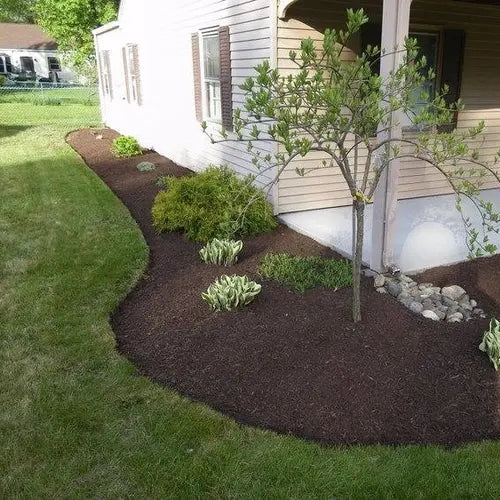
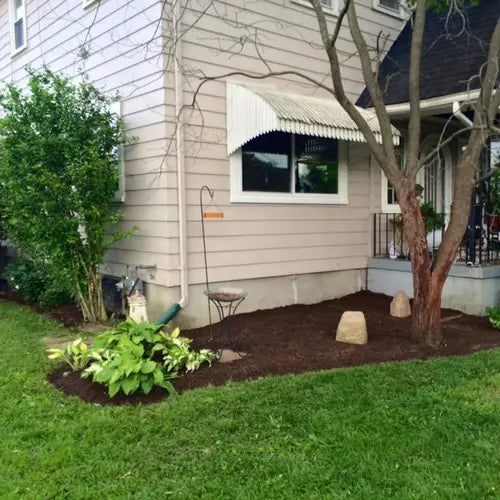
Mulch Mound made it so easy! So happy with the pricing, turn around time, delivery and product. I submitted my online order on a Thursday. The mulch was delivered to the designated location by a local landscape company at 8:30 a.m. the following Saturday morning. We had the job completed by that afternoon. We chose the natural brown mulch, and the plant beds are beautiful.
Good quality, great price, fast delivery. All online - no submitting forms and waiting for days for quotes. Getting mulch should be this easy fr...
Read full review
Good quality, great price, fast delivery. All online - no submitting forms and waiting for days for quotes. Getting mulch should be this easy from everyone. Only Mulch Mound is ACTUALLY this simple.
I highly recommend Mulch Mound. The quality of the mulch is very good. The ordering system on their website makes it very easy. The delivery driver...
Read full review
I highly recommend Mulch Mound. The quality of the mulch is very good. The ordering system on their website makes it very easy. The delivery driver did a great job placing the mulch on the driveway. To finish off, the pricing was very reasonable as well.
Measure each bed's length and width in feet and multiply to get square footage — break irregular shapes into rectangles for easier math. At Greenfield's recommended 3-inch depth (chosen specifically for Zone 5b freeze-thaw protection and silt loam moisture management), divide your total square footage by 108 to get the cubic yards needed. Silt loam beds that have gone a full season without a refresh may have compacted lower than expected, so rounding up by half a yard accounts for restoring full depth in settled areas.
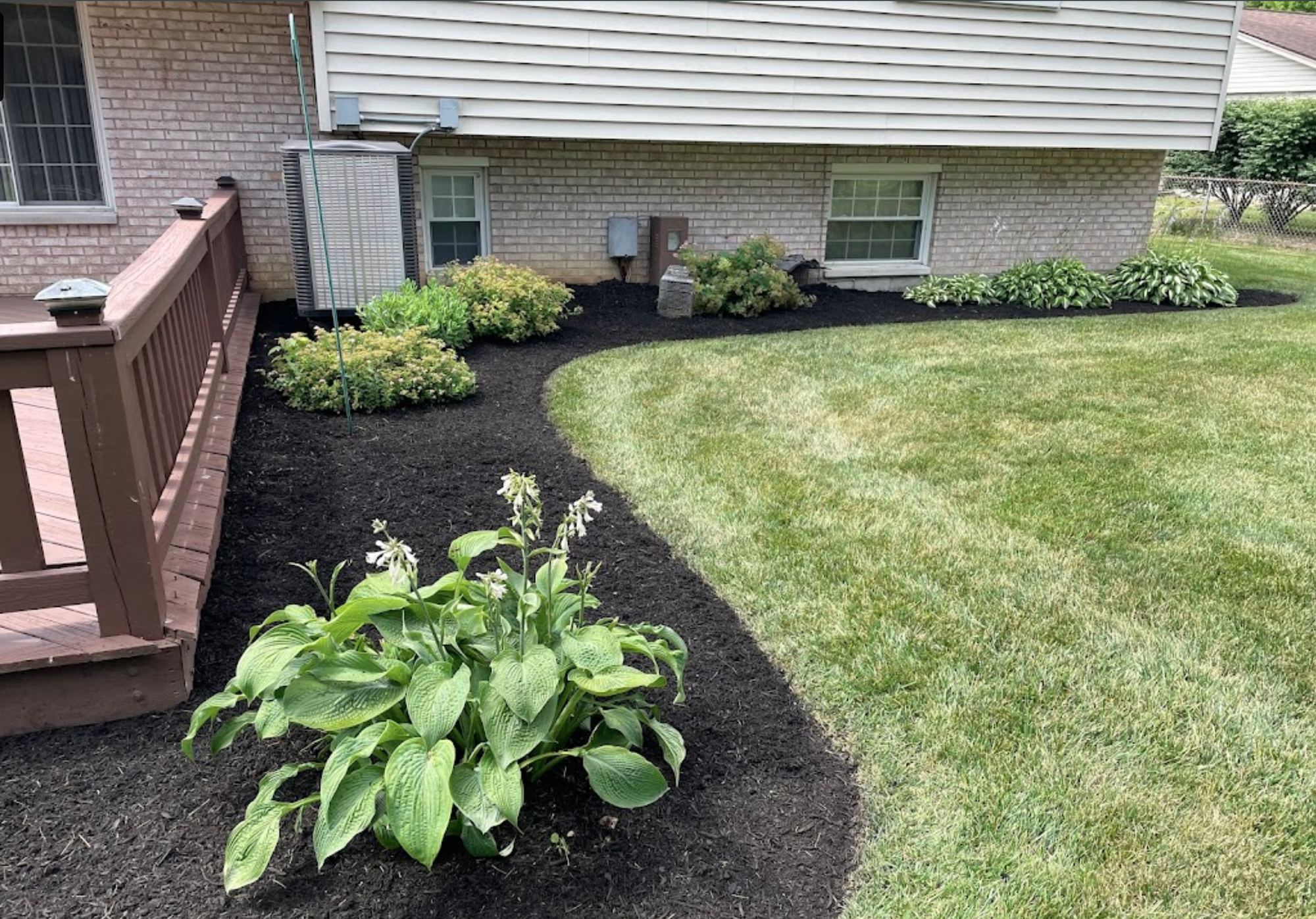
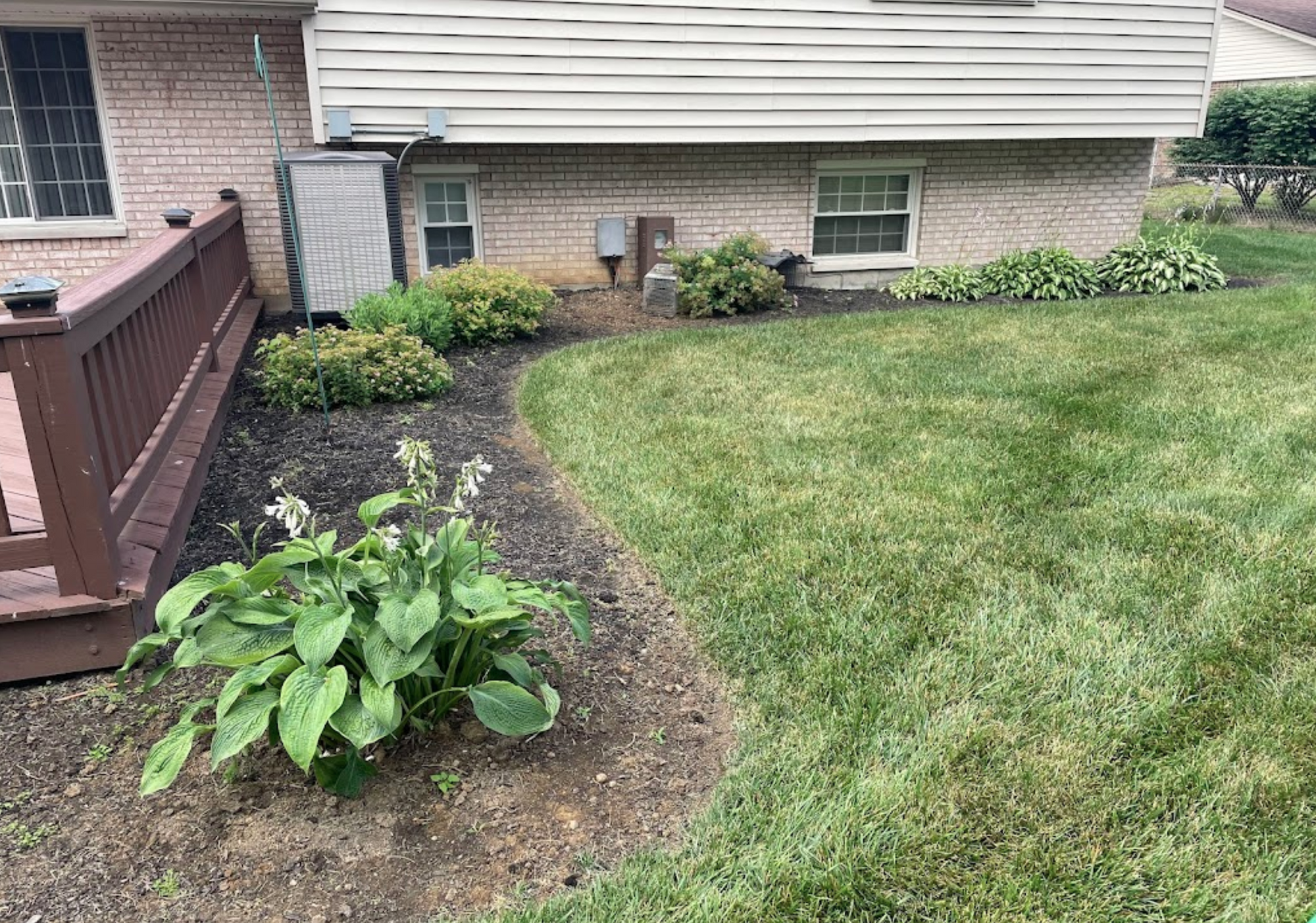
Mulch vs. No Mulch: The Difference
Greenfield's Zone 5b climate puts organic mulches through a full decomposition cycle every year — hot, humid summers from June through August accelerate breakdown, while cold winters pause it entirely before the process resumes in spring. Natural hardwood mulches take full advantage of this cycle, breaking down into soil-enriching organic matter that directly improves Greenfield's silt loam over multiple seasons of top-dressing. Dyed mulches typically use a slower-decomposing wood base that resists breakdown longer, maintaining color and coverage through Greenfield's rain events, but contributing less organic amendment to the compaction-prone soil beneath.
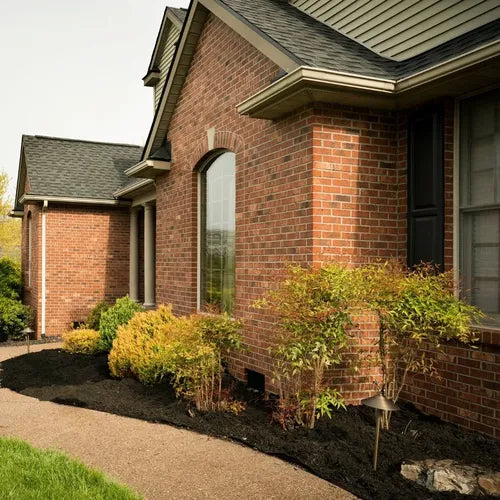
Before
After
Best Mulch Choice for Greenfield Lawns
Most yards in the Greenfield area sit on Silt Loam type of soil. Greenfield's silt loam soil has fine particles that compact easily at the surface, creating a barrier that prevents moisture and air from reaching plant roots in established beds. Without a protective mulch layer, even moderate rain events can seal the soil surface and trigger runoff rather than the deep infiltration that plant roots depend on.
Hardwood Mulch
Hardwood mulch is an especially well-matched amendment for Greenfield's silt loam because, as it breaks down, it introduces coarser organic particles that improve the soil's aggregate structure — loosening the tendency of silt loam to pack tightly and improving its ability to drain excess moisture while still retaining what plant roots need between rain events. Over two to three seasons of annual top-dressing, hardwood mulch can meaningfully improve the tilth and long-term productivity of Greenfield beds without requiring additional purchased soil amendments.
Mulch Types We Deliver in Greenfield
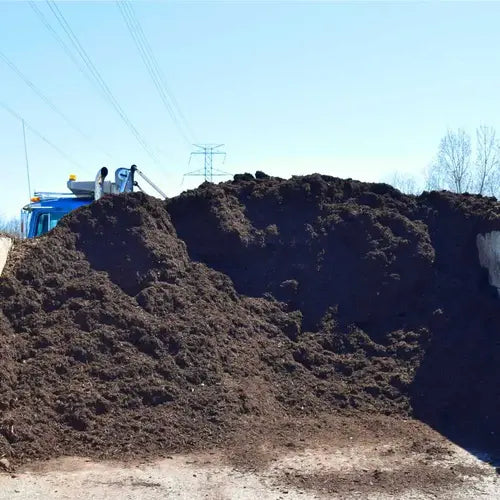
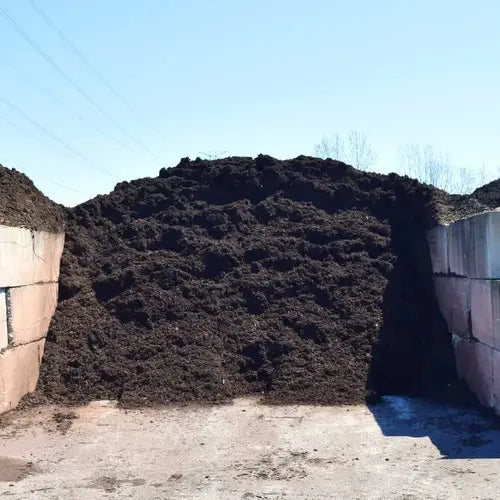
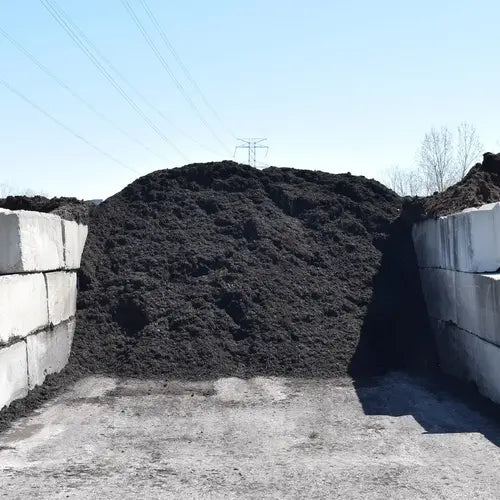
Mulch Mound makes bulk mulch delivery in Greenfield simple and straightforward, delivering by the cubic yard straight to your driveway or project site. Whether you are freshening up garden beds around a suburban home or covering a larger border, ordering in bulk saves time and keeps your project moving without multiple store runs.
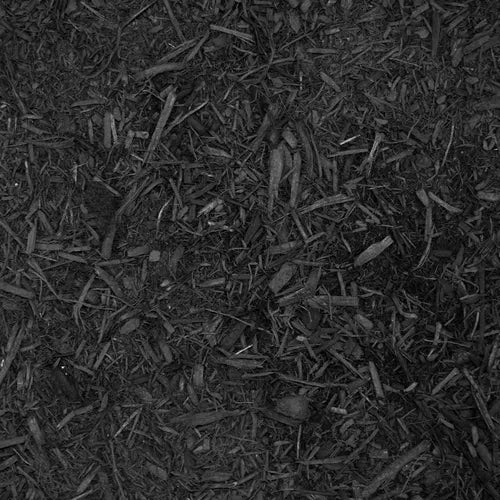
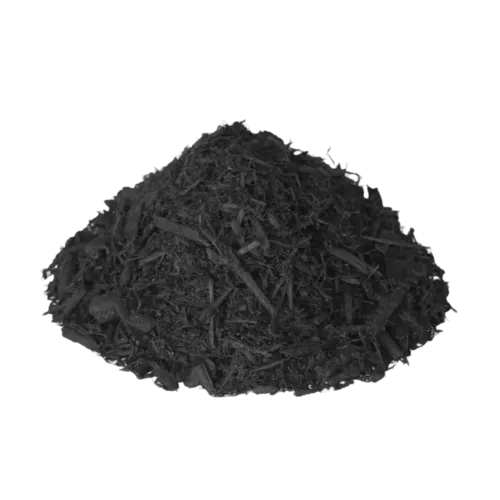
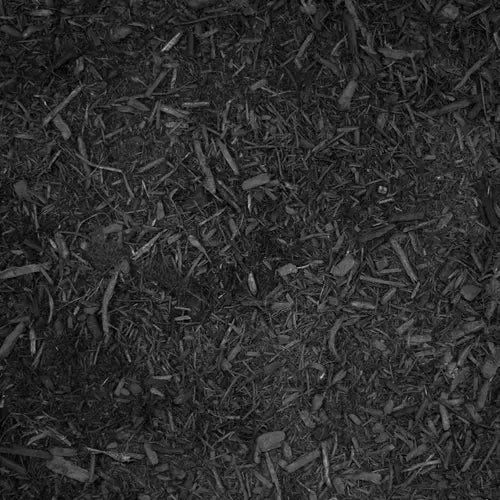
Dyed Black Mulch
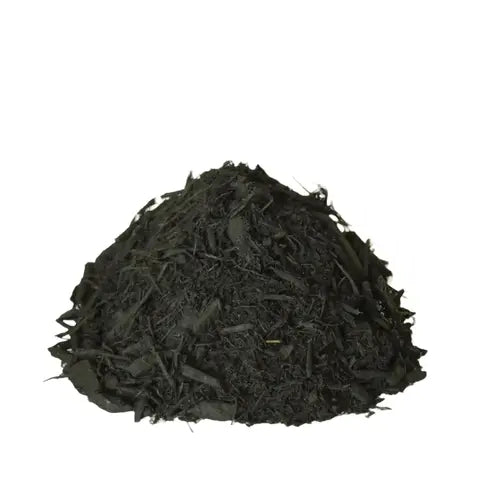
Dyed black mulch is one of the most popular choices for homeowners looking for a bold, polished bed appearance. The double shredded texture spreads evenly over the clay-heavy soils common in southeastern Wisconsin and the deep color holds well through spring rains and summer heat in Greenfield.
Dyed Brown Mulch
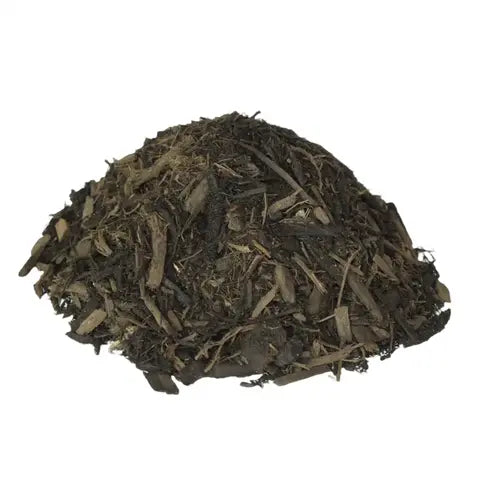
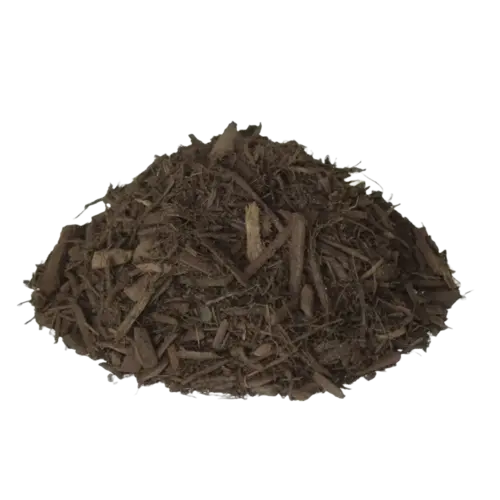
Dyed brown mulch offers a warm tone that suits the traditional landscaping style common to suburban Wisconsin properties. The double shredded cut spreads smoothly and the lasting color stays looking fresh through multiple mowings, making it a low-maintenance option for busy homeowners and property managers in Greenfield.
Natural Brown Mulch
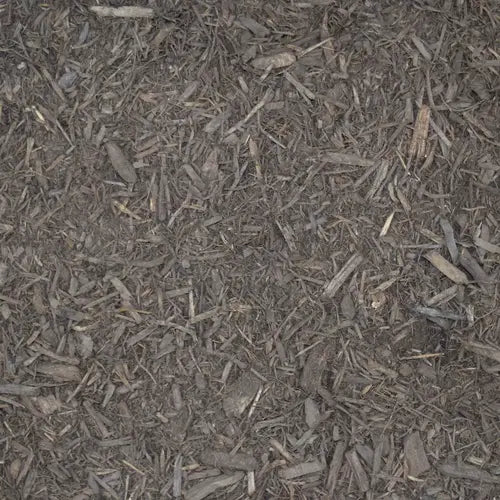
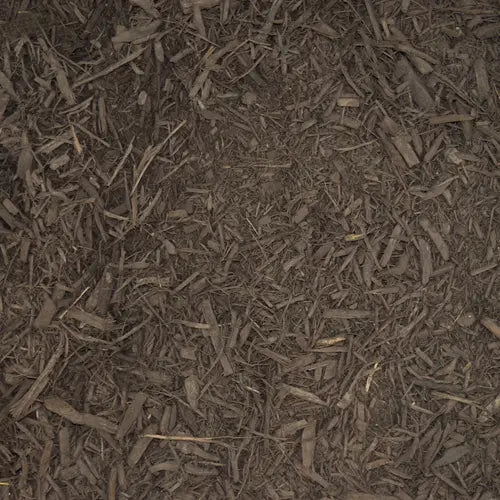
Natural brown mulch is the undyed option for gardeners who prefer a clean, earthy look without added colorants. The double shredded texture lays flat and breaks down over time to improve the region's dense clay soils, feeding beds naturally through the growing season.
Cedar Mulch
Cedar mulch is a smart pick for Greenfield properties where insect pressure or persistent weeds are a concern. The double shredded cut releases a natural cedar scent that helps deter pests, and the material holds its color and structure well through the freeze-thaw cycles of a Wisconsin winter.
Complete Your Outdoor Mulch Project
If your Greenfield beds need more than a surface refresh, pair mulch with our bulk topsoil or garden blend to rebuild depleted silt loam before you mulch — filling and amending first, then mulching on top, is the right order of operations for beds that have compacted or lost organic matter over the years. For clean bed borders and edging that defines where your mulch ends, our decorative stone options provide a durable separation that holds its line through Wisconsin winters without the shifting and scatter that plastic edging develops.
Greenfield's silt loam develops a compaction crust after repeated rainfall, especially along bed edges where foot traffic is heaviest. Before laying fresh mulch each spring, take a garden fork and lightly aerate the top inch of soil around the perimeter of each bed. This breaks up the surface crust and allows the new mulch layer to make better contact with the soil beneath, improving water infiltration during the heavy spring rains that often follow Greenfield's last frost window in late April and early May.
Mulch Mound Pro Tip
Zone 5b winters in Greenfield mean perennial crowns need protection, but timing your fall mulch application matters as much as depth. Apply your fall layer after the first hard freeze — typically following the average October 11 first frost — rather than before it. Mulching too early in fall keeps soil warm and can delay plants entering proper dormancy, leaving them more vulnerable to sudden cold snaps. Waiting until the ground begins to firm ensures your mulch is insulating already-dormant soil rather than trapping warmth that confuses plant dormancy signals.
Mulch Mound Pro Tip
With 35 inches of annual rainfall, Greenfield gets enough consistent moisture that fungal development in mulch beds is a real consideration — particularly artillery fungus (Sphaerobolus stellatus), common in aged wood mulch, which ejects sticky spores that spot siding and vehicles. To minimize this, keep mulch layers from exceeding 4 inches, which reduces the anaerobic conditions that favor fungal growth in shaded foundation beds. Turning and fluffing mulch once mid-season allows surface drying between Greenfield's rain events and significantly reduces spore development throughout the summer.
Frequently Asked Questions
Click a question to see the answer
Answer
How deep should I apply mulch in Greenfield given our freeze-thaw winters?
In Zone 5b, Greenfield sees multiple freeze-thaw cycles between October and late April, which can heave perennial roots upward and damage crowns. A 3-inch layer of mulch applied after the ground begins to cool in late October provides enough insulation to buffer those temperature swings without trapping excess moisture against plant crowns. Avoid piling mulch directly against stems — pull it back an inch or two to prevent rot during Greenfield's wet shoulder seasons when the soil stays damp for extended stretches.
Answer
Will mulch actually help with the compaction issues in Greenfield's silt loam soil?
Yes, and this is one of the most practical benefits for Greenfield homeowners specifically. Silt loam compacts readily under the impact of rainfall and foot traffic, creating a crusty surface layer that resists water infiltration. Mulch absorbs the energy of raindrops before they hit the soil, keeping the surface loose and porous underneath. As organic mulches break down over time, they also introduce fine organic matter that improves silt loam's aggregate structure, making it progressively more resilient to compaction with each passing season.
Answer
When should I put down new mulch in the spring given Greenfield's late last frost date?
Greenfield's last frost typically falls around April 30, so the ideal window for spring mulch application is early to mid-May, once the soil has had a chance to warm from winter's cold. Mulching too early in April traps cold soil temperatures and delays plant emergence — perennials that would otherwise push up in early May can be set back by weeks under a prematurely applied mulch layer. Waiting until after the last frost risk has passed means your mulch locks in warming soil temperatures rather than prolonging the cold season in your beds.
Answer
Does Greenfield's 35 inches of annual rainfall mean I need less mulch than drier areas?
Not necessarily. Greenfield's 35 inches of annual rainfall is moderate, but it's not evenly distributed — dry stretches in July and August are common even in average years, and those are exactly when shallow-rooted plants in silt loam beds suffer most. Mulch helps bridge those dry gaps by slowing evaporation from the soil surface. Additionally, during heavy spring rain events, mulch prevents the surface crusting that causes silt loam to shed water as runoff rather than absorbing it, so your rainfall actually reaches the root zone where it's needed.
Answer
How often do I really need to refresh mulch in Greenfield's climate?
Most organic mulches break down meaningfully within 12 to 18 months in Zone 5b conditions, with Greenfield's warm, moist summers accelerating decomposition from June through September. Plan to top-dress beds every spring with about an inch of fresh material to restore a full 3-inch depth. If you used a coarser hardwood chip mulch, you may get two seasons before a meaningful refresh is needed, while finer shredded mulches decompose faster and typically need annual attention to maintain effective weed suppression and moisture retention.
Answer
What's the real difference between dyed mulch and natural mulch for Greenfield beds?
Natural mulches — typically shredded hardwood or wood chip varieties — break down into organic matter that directly feeds Greenfield's silt loam soil, gradually improving its structure and long-term nutrient content. Dyed mulches use colorants (usually iron oxide or carbon-based dyes, which are considered safe) to maintain a consistent appearance longer, and the wood base still decomposes — just more slowly depending on the base material. For Greenfield homeowners focused on long-term soil health, natural mulch offers the added benefit of continuously amending that silt loam over time. If curb appeal and color consistency through the full growing season are the priority, a quality dyed mulch holds its look through Greenfield's summer rain and intense sun better than natural mulch, which tends to fade significantly by August.
Answer
How do I figure out how many cubic yards of mulch I need for my Greenfield yard?
Measure the length and width of each bed in feet, multiply to get square footage, and use our on-page calculator — at the recommended 3-inch depth for Greenfield's climate, one cubic yard covers roughly 108 square feet. A common mid-sized Greenfield property with several foundation beds and a backyard border might run anywhere from 4 to 10 yards depending on total bed square footage. It's worth rounding up slightly, since having a little extra lets you hit full depth in thinner spots and ensures you don't run short mid-project.
The Unique Landscape of Greenfield
Greenfield's silt loam soil has a deceptive reputation — it feels workable in spring but compacts steadily under summer foot traffic and rainfall, leaving plant roots starved for air by midsummer. With 35 inches of annual precipitation distributed unevenly across the growing season, bare soil in Greenfield beds is prone to surface crusting that sheds water rather than absorbing it. A properly applied mulch layer acts as a buffer, keeping that silt loam loose and biologically active beneath the surface. Zone 5b winters bring repeated freeze-thaw cycles between October and April that heave shallow-rooted perennials right out of the ground — a thick mulch blanket dramatically reduces this frost-heave damage. From the last frost around April 30 through Greenfield's hot July and August stretches, mulch is the single most effective tool for moderating soil temperature swings that stress plants. Whether you're managing established beds along a foundation or building out new planting areas, the right mulch choice keeps Greenfield's native soil conditions working in your favor rather than against you.