





Great service. We ordered topsoil from Mulch Mound and the best experience. Thank you so much!
About this soil
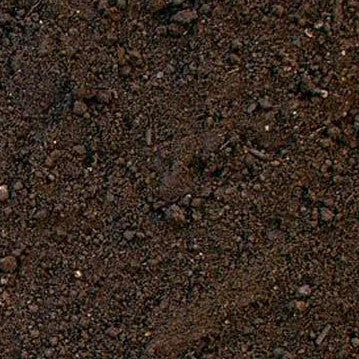
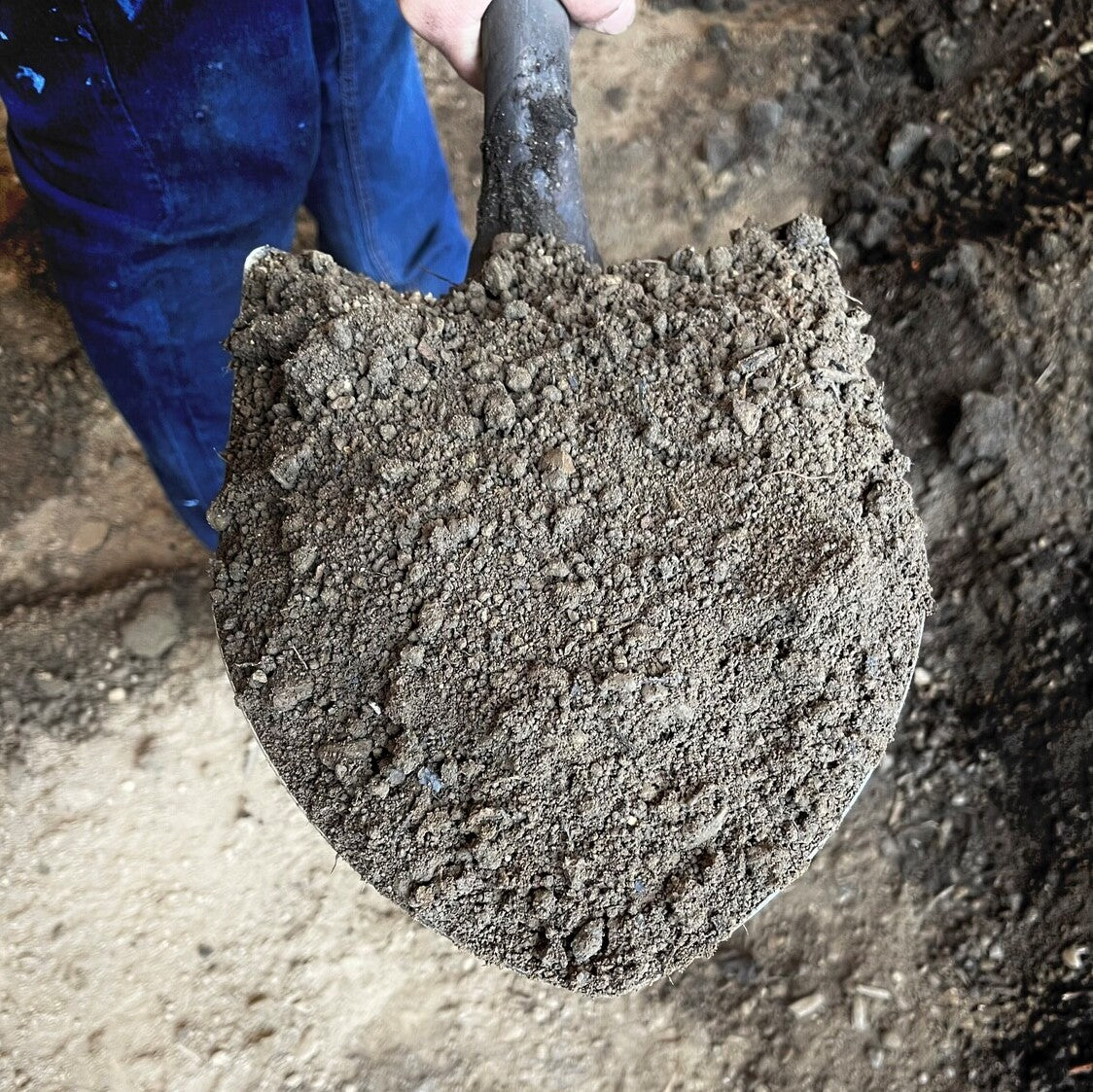
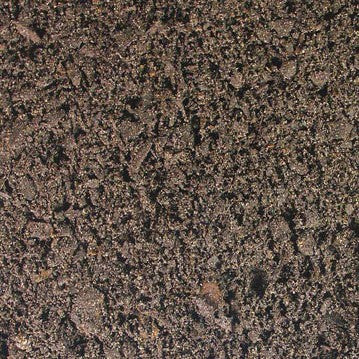
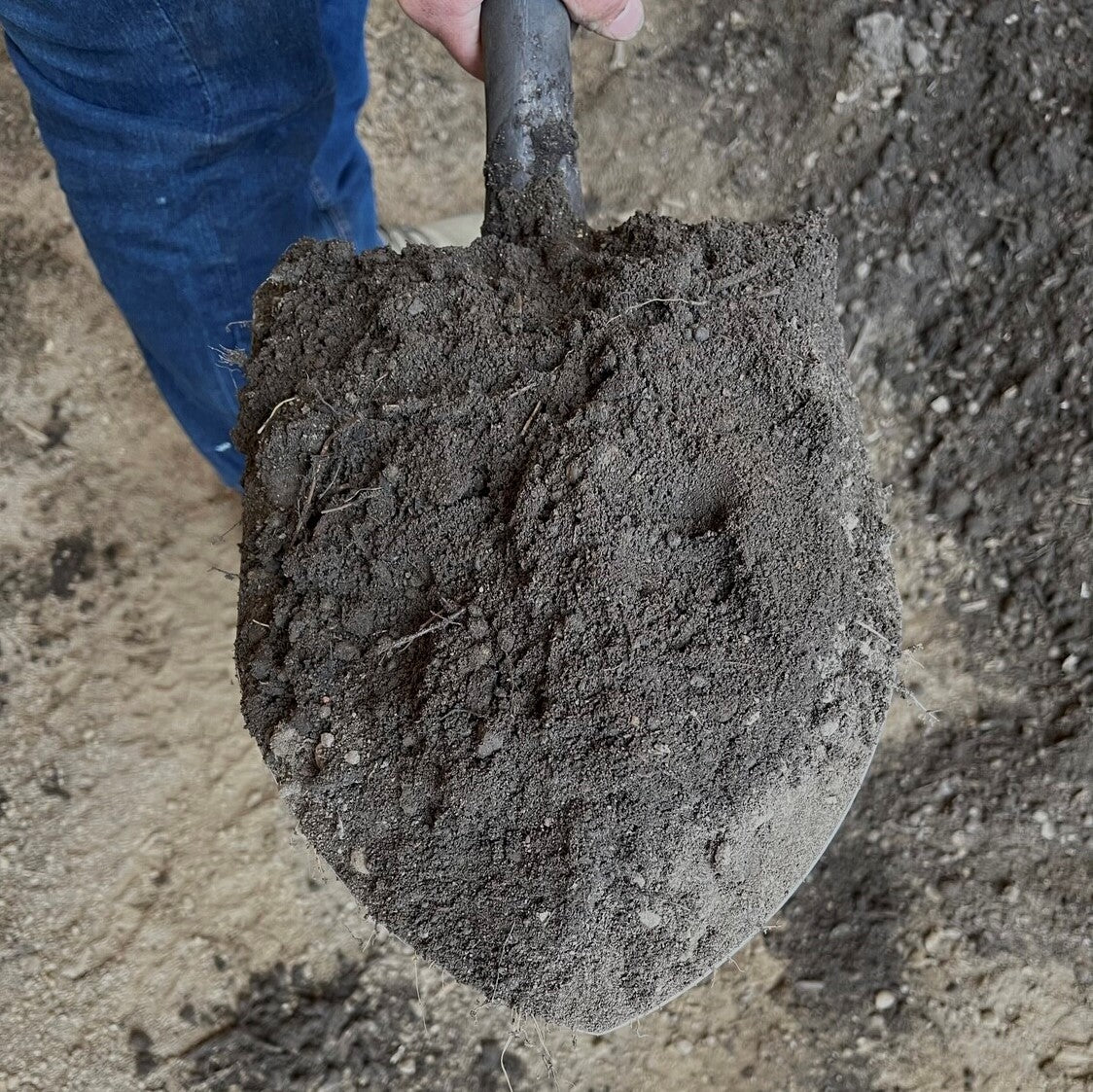
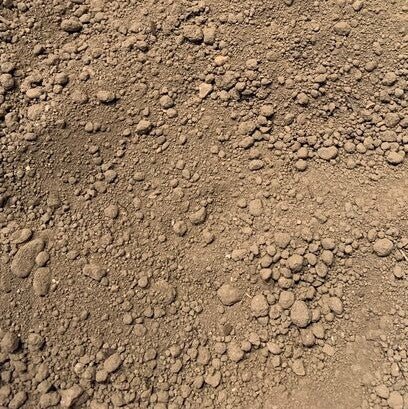
Screened topsoil filtered clean of rocks, roots, and debris. Smooth, consistent texture that is ready for lawns, gardens, raised beds, and finish grading.
Great service. We ordered topsoil from Mulch Mound and the best experience. Thank you so much!
Tell us what you're looking for
Thanks! We received your request.
Something went wrong. Please try again.
How Much Material Do I Need?
How Much Material Do I Need?
For lawn repairs and topdressing in Greenfield, 2 to 4 inches of topsoil is typically sufficient to restore grade and improve growing conditions over the existing silt loam base. For new planting beds or raised areas, 6 to 8 inches of quality soil gives roots a proper growing medium before they reach the native subsoil — which is especially important on Greenfield lots where construction grading may have exposed poorer subsoil layers near the surface.
Use our free soil calculator
What is a yard?
What is a yard?
What is a yards?
What is a yards?
FAQs
FAQs
Greenfield Soil Delivery
Greenfield Soil Delivery
Regular price
$43.00
per
yard
Regular price
Sale price
$43.00
Unit price
per
Shipping calculated at checkout.
Minimum of 3 yard
Couldn't load pickup availability
Not currently available
We can't take orders for this right now. Tell us what you need and we'll get back to you.
Hand-picked local yards
4,000+ regional deliveries
Dedicated support
Why order through Mulch Mound
The best local soil, without the guesswork.
We hand-pick and partner with the best yards in your region, keep only the ones our buyers rate well, and back each load with our guarantee.
Mulch Mound Guarantee
If your soil isn't the quantity or quality you ordered, we'll make it right.
About this soil
Screened topsoil filtered clean of rocks, roots, and debris. Smooth, consistent texture that is ready for lawns, gardens, raised beds, and finish grading.
Great service. We ordered topsoil from Mulch Mound and the best experience. Thank you so much!
How Much Material Do I Need?
How Much Material Do I Need?
For lawn repairs and topdressing in Greenfield, 2 to 4 inches of topsoil is typically sufficient to restore grade and improve growing conditions over the existing silt loam base. For new planting beds or raised areas, 6 to 8 inches of quality soil gives roots a proper growing medium before they reach the native subsoil — which is especially important on Greenfield lots where construction grading may have exposed poorer subsoil layers near the surface.
Use our free soil calculator
What is a yard?
What is a yard?
What is a yards?
What is a yards?
FAQs
FAQs
Tell us what you're looking for
Thanks! We received your request.
Something went wrong. Please try again.
How It Works
Getting started is easy — just follow these simple steps
1
Choose your soil
Make sure you adjust the quantity to your home's needs. You can use our calculator to estimate how much you'll need.
2
Select your delivery date
Select a delivery date you'd like for the product to be dropped off at your home
3
Sit back and wait
Sit back, wait, and let us work our magic to make sure the highest quality product is delivered to your driveway.

Placing an order online was so easy. Delivery was on time. When the driver realized we had a newly poured driveway they erred on the side of cautio...
Read full review
Placing an order online was so easy. Delivery was on time. When the driver realized we had a newly poured driveway they erred on the side of caution and opted not ti drive in it. The company even sent me a message explaining that call. Would recommend!

Online ordering was really simple and I liked the transparent pricing.
Need Help Calculating How Much Soil You Need?
Use our NEW Trace from Satellite tool to get an estimate for your project based on an aerial view of your property
Try Our CalculatorMeasure your project area in feet (length times width) and decide on your fill depth — common targets in Greenfield are 4 inches for lawn leveling, 6 inches for new planting beds over existing soil, and 10 to 12 inches for dedicated raised vegetable beds in Zone 5b. Use our on-page calculator to convert square footage and depth into cubic yards, then add 10 to 15 percent for settling. Greenfield's silt loam base means delivered soil will compact measurably after the first few waterings, and that buffer ensures you don't come up short before the project is finished.
Soil Types We Deliver in Greenfield
Mulch Mound delivers bulk soil by the cubic yard to homes and job sites across Greenfield, Wisconsin. Whether you are finishing a lawn, filling raised beds, or amending heavy clay, we carry the right product for the job. Every load is dropped right where you need it.
Screened Top Soil
Our screened topsoil is filtered clean of rocks, roots, and debris for a smooth, consistent texture that spreads easily. It suits lawn repairs, finish grading, and filling low spots in Greenfield yards. Available by the yard for projects of any size.
Gardening Blend
This blended soil combines topsoil and compost in a ready-to-plant mix built for Wisconsin growing conditions. It comes in standard and premium styles to match your project needs. Use it for new garden beds, raised planters, and seasonal landscape refreshes.
Planting Mix
Blended with peat, sphagnum, sand, and organic manure, our planting mix delivers excellent moisture management and drainage. It suits raised beds, container gardens, and any planting where healthy root development matters through Wisconsin's variable spring weather.
Complete Your Outdoor Soil Project
After establishing grade and filling beds with quality soil, finishing with a 3-inch layer of bulk mulch is the logical next step — it protects Greenfield's freshly worked silt loam surface from re-compacting under spring rains and keeps new planting beds productive through the dry stretches of July and August. For projects that include pathways, drainage swales, or hardscaped borders around your new soil areas, our decorative and utility stone options complement the finished grade while managing Greenfield's seasonal water movement across the landscape.


Service area
Areas we deliver soil in Greenfield, Wisconsin
Mulch Mound Pro Tip
In Greenfield, spring soil work has a narrow usable window — the ground thaws in late March or early April, but it's often too wet and soft to work without causing serious compaction damage until mid-to-late April. Before scheduling your bulk soil delivery, do a simple squeeze test: grab a handful of soil from your yard and squeeze it firmly. If it forms a ribbon and holds its shape, it's still too wet to work. If it crumbles when you open your hand, conditions are right and you won't compact the existing silt loam base while spreading and grading the new material.
Mulch Mound Pro Tip
Greenfield's Zone 5b growing season runs roughly from May 1 to October 11 — about 163 days. When building new raised beds or garden areas, filling them in late September or October rather than spring gives the soil time to settle over winter, and any compost blended into a garden mix additional time to break down before you plant. Fall-filled beds in Greenfield are noticeably easier to work the following May, with less mid-season settling and more uniform moisture retention once the growing season is underway.
Mulch Mound Pro Tip
When ordering bulk topsoil for grade corrections around your Greenfield home's foundation, pay close attention to the final slope you're creating. The standard recommendation is at least 6 inches of fall over the first 10 feet away from the foundation. Given Greenfield's 35 inches of annual rainfall — with the heaviest events concentrated in May, June, and July — a properly graded foundation perimeter is one of the highest-return investments a homeowner can make, directing storm water away from the structure before it has the chance to work through the silt loam and toward the basement or crawlspace.
The Unique Landscape of Greenfield
Greenfield's native silt loam is a capable growing medium when it's in good condition, but decades of residential development, construction grading, and heavy use leave most home lots with depleted, compacted surface soil that barely resembles what was originally there. Bulk topsoil and garden soil blends are the foundation for any serious landscape improvement in Greenfield — whether you're leveling a lawn that heaved over winter, building out raised vegetable beds ahead of the April 30 last frost, or establishing new planting areas where stripped subsoil was left behind during construction. With 35 inches of annual rainfall, proper grade and soil drainage are critical in Greenfield — low spots in the yard don't just kill grass, they direct water toward foundations through the same silt loam pathways that carry runoff during heavy spring storms. Good-quality fill and topsoil let you correct grade while simultaneously improving the growing environment above the corrected surface. Zone 5b's long, cold winters and compressed growing season mean plants in Greenfield need every advantage they can get starting at the soil level — nutrient-rich, well-structured growing medium makes the difference between plants that thrive through a short season and those that merely survive. Whether you're a vegetable gardener trying to maximize productivity between May 1 and October 11 or a homeowner trying to keep a lawn healthy through summer dry spells, the right soil is where every successful Greenfield landscape starts.