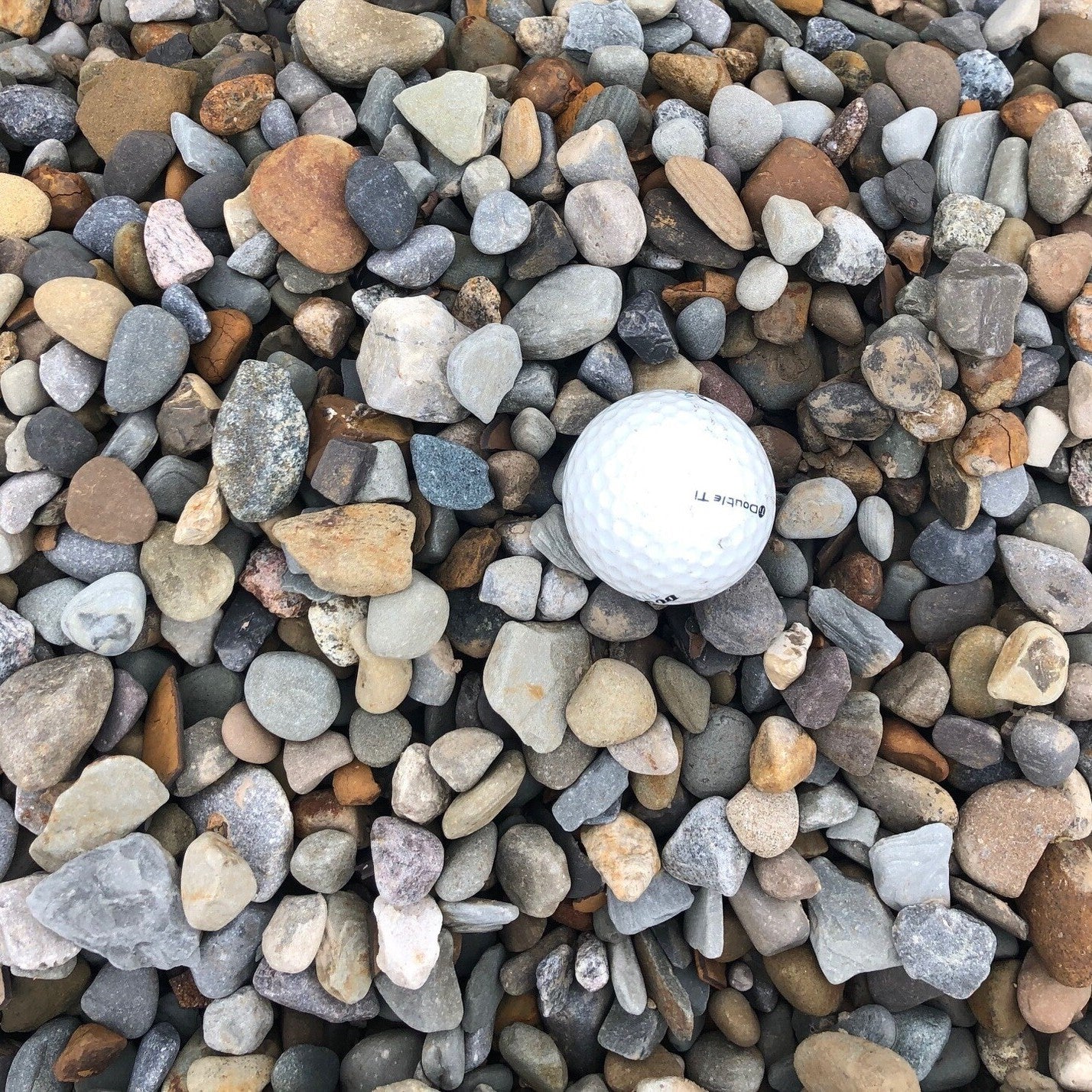
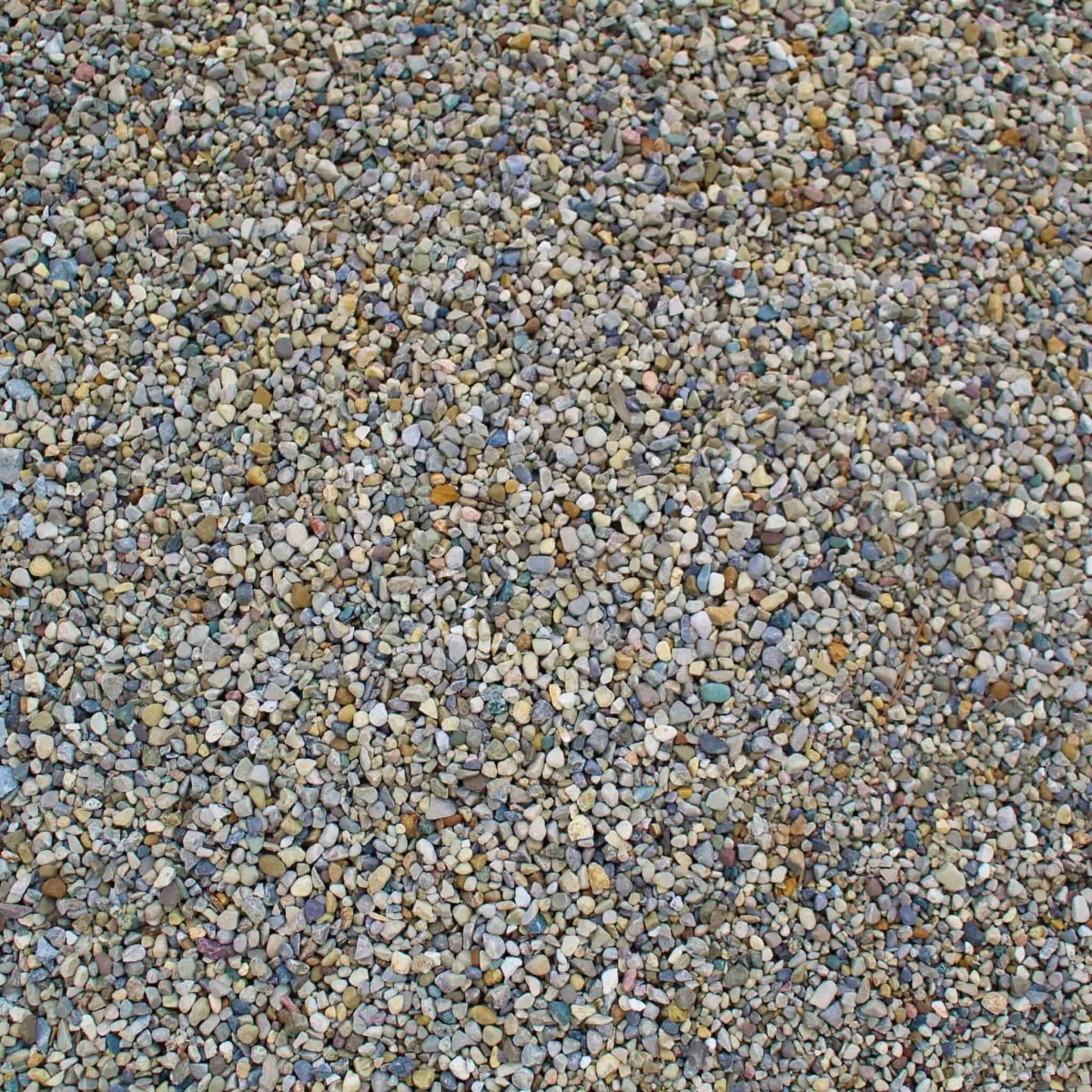
Number 57 crushed stone, angular limestone graded to about three quarters of an inch. The standard driveway, base and drainage gravel, it locks together under traffic and drains fast.
I used Mulch Mound to have 3 cubic yards of garden soil delivered. The process was easy and I love that I didn't have to call anyone. I placed my order online, picked my delivery date, laid out my tarp and the dirt was delivered. My delivery had to be pushed back, but I was ke...
Tell us what you're looking for
Thanks! We received your request.
Something went wrong. Please try again.
How Much Material Do I Need?
For decorative ground cover and bed borders in Greenfield, a 2 to 3-inch layer of stone provides solid coverage and weed suppression while still allowing drainage through the silt loam beneath. Pathways and functional drainage applications should be installed at 4 to 6 inches to handle compaction and the frost heave activity that Greenfield's Zone 5b winters bring, ensuring the surface remains level and firm from one spring thaw to the next.
Use our free gravel calculator
What is a yard?
A yard is approximately 27 cubic feet. As a general guideline, one yard of material can cover an area of about 100-160 square feet at a 2-3 inch depth.
What is a ton?
A ton is approximately 2,000 pounds. Coverage varies by stone type and depth, but as a general guideline, one ton covers roughly 80-100 square feet at 2 inches deep.
We can't take orders for this right now. Tell us what you need and we'll get back to you.
What do you need?
Thanks! We received your request.
Something went wrong. Please try again.
Hand-picked local yards
4,000+ regional deliveries
Dedicated support
Why order through Mulch Mound
The best local stone, without the guesswork.
We hand-pick and partner with the best yards in your region, keep only the ones our buyers rate well, and back each load with our guarantee.
Mulch Mound Guarantee
If your stone isn't the quantity or quality you ordered, we'll make it right.
About this stone
Number 57 crushed stone, angular limestone graded to about three quarters of an inch. The standard driveway, base and drainage gravel, it locks together under traffic and drains fast.
I used Mulch Mound to have 3 cubic yards of garden soil delivered. The process was easy and I love that I didn't have to call anyone. I placed my order online, picked my delivery date, laid out my tarp and the dirt was delivered. My delivery had to be pushed back, but I was ke...
How Much Material Do I Need?
For decorative ground cover and bed borders in Greenfield, a 2 to 3-inch layer of stone provides solid coverage and weed suppression while still allowing drainage through the silt loam beneath. Pathways and functional drainage applications should be installed at 4 to 6 inches to handle compaction and the frost heave activity that Greenfield's Zone 5b winters bring, ensuring the surface remains level and firm from one spring thaw to the next.
Use our free gravel calculator
What is a yard?
A yard is approximately 27 cubic feet. As a general guideline, one yard of material can cover an area of about 100-160 square feet at a 2-3 inch depth.
What is a ton?
A ton is approximately 2,000 pounds. Coverage varies by stone type and depth, but as a general guideline, one ton covers roughly 80-100 square feet at 2 inches deep.
I used Mulch Mound to have 3 cubic yards of garden soil delivered. The process was easy and I love that I didn't have to call anyone. I placed my o...
Read full review
I used Mulch Mound to have 3 cubic yards of garden soil delivered. The process was easy and I love that I didn't have to call anyone. I placed my order online, picked my delivery date, laid out my tarp and the dirt was delivered. My delivery had to be pushed back, but I was kept informed via text, which was great. So why not 5 stars? The description of garden soil on the website is "A balanced mix of topsoil and organic amendments ready for raised beds, flower gardens, and new planting areas. Good drainage, solid nutrients, easy to work with." What I got was more like fill dirt. It had a lot of gravel, a lot of clay, and random trash mixed in. I didn't test the soil to see if it actually had "amendments" because I already have compost and alpaca manure ready to add, but if I'd known the quality of the dirt was going to be the same as the bagged dirt I bought last year, I probably would have gotten 2 yards of top soil and a yard of leaf compost for better quality, especially since the leaf compost is cheaper. Photo of my mountain of dirt and just some of the trash I found in it.
Measure your stone project area in feet (length times width) and determine your target depth — 2 to 3 inches for decorative ground cover in Greenfield beds, or 4 to 6 inches for pathways and base layers that need to resist frost heave through Zone 5b winters. One cubic yard of stone covers roughly 100 to 160 square feet at a 2 to 3-inch depth depending on the material's density. Because Greenfield's silt loam tends to gradually absorb finer stone over time through frost migration, plan for a slightly deeper initial installation and consider landscape fabric beneath the stone to preserve your depth over multiple seasons without re-topping.
Stone Types We Deliver in Greenfield
Mulch Mound delivers bulk stone by the cubic yard directly to homes and properties in southern Wisconsin. If you are looking for bulk gravel by the yard in Greenfield, we stock the stone sizes that handle clay soils, manage drainage, and complement any landscape style. Every load arrives loose-dumped at your address so you can start your project right away.
Pea Gravel
Pea gravel is the most popular stone choice for local homeowners looking for a clean, low-maintenance ground cover. Its smooth, rounded edges shed water efficiently, making it a reliable option for walkways, patio surrounds, and drainage swales in yards with the heavy clay soil common to southern Wisconsin.
1-2" River Stone
This mid-size smooth river stone is well suited for dry creek beds, decorative borders, and feature landscaping around the colonial and ranch-style homes found throughout this part of Wisconsin. The natural earth tones blend with mature trees and green lawns, and the rounded shape resists shifting underfoot.
2-4" River Stone
The largest stone in our lineup, this 2 to 4 inch river rock brings bold texture and visual weight to landscape designs around Greenfield properties. It works well as a focal element in garden beds, along property edges, or as a weed-suppressing ground cover where a more substantial look is desired.
Complete Your Outdoor Stone Project
Stone features almost always look their sharpest when adjacent planting beds are also well-maintained — add a bulk mulch delivery to the areas bordering your stone for a cohesive, finished landscape that is easy to sustain through Greenfield's long growing season without constant upkeep. For projects that involve grade correction before stone installation — a common need in Greenfield's frost-worked, uneven yards — our bulk topsoil lets you establish the proper drainage slope and stable base before your stone surface goes down.
In Greenfield's silt loam landscape, stone migration — where the underlying soil gradually draws stone downward and disappears it over several seasons — is a genuine problem that surprises many homeowners. Before installing any stone ground cover, lay a quality non-woven landscape fabric over the prepared and graded area. The fabric passes water freely while physically separating the stone from the silt loam below, which tends to work its way upward through repeated freeze-thaw cycles. Skipping this step typically means topping up with additional stone every two to three years as the original installation sinks into the soil beneath it.
Mulch Mound Pro Tip
Greenfield receives its annual rainfall somewhat unevenly, with the wettest months typically running May through July. If you're installing stone in a drainage swale or low-lying area, plan your installation for late summer or early fall when conditions are dry enough to actually observe how water naturally moves across your yard. Walk the property after a moderate rain in August or September and trace where water flows and pools. That real-world observation will tell you far more about correct stone placement than any estimated grade survey, and your drainage installation will actually solve the problem rather than just adding texture to an area that still floods.
Mulch Mound Pro Tip
For stone pathways, patio borders, and base installations in Greenfield, the October 11 first frost date represents a firm completion deadline for any base work. Compacted stone base layers need at least three to four weeks of settling time before the ground freezes to avoid significant displacement over the first winter. Aim to have all base compaction and grading completed by late September, with finish stone placed no later than mid-October. Projects rushed into the ground in the days just before the first hard freeze almost always require substantial releveling the following spring, erasing the time savings gained by stretching the installation season.
The Unique Landscape of Greenfield
Stone is one of the most durable long-term investments in a Greenfield landscape precisely because it doesn't demand the ongoing attention that organic materials do — it doesn't decompose through Zone 5b winters, doesn't wash away during the heavy May and June rain events, and doesn't need annual refreshing the way mulch beds do. For Greenfield homeowners dealing with silt loam soil that compacts and stays wet in low areas, decorative and utility stone provides drainage solutions that organic materials simply cannot replicate. Gravel and crushed stone pathways stay firm and navigable through Greenfield's wet spring transition, when mulched or grass paths turn muddy and unusable for weeks after snowmelt. Foundation borders lined with stone rather than organic mulch eliminate the persistent moisture and pest harborage conditions that develop near masonry — a meaningful benefit through Greenfield's wet shoulder seasons in April and October. Stone also solves the ongoing problem of lawn areas that are too shaded, too root-bound, or too heavily trafficked to sustain healthy turf in Greenfield — replacing struggling grass with a well-designed stone feature eliminates a maintenance headache that recurs every single growing season. Whether for drainage, decoration, or durability, stone earns its place in Greenfield landscapes as a material that works with local conditions rather than fighting them year after year.
Frequently Asked Questions
Click a question to see the answer
Answer
What size stone works best for a backyard pathway in Greenfield that needs to hold up through Wisconsin winters?
For pedestrian pathways in Greenfield, three-eighths to three-quarter inch crushed limestone or washed gravel is the most practical choice — it compacts enough under foot traffic to provide a firm walking surface while still allowing drainage through the base. Larger decorative stone (1.5 inches and up) stays loose underfoot and shifts uncomfortably with each step, while fine stone dust or screenings pack well but tend to heave slightly during Greenfield's freeze-thaw cycles in late fall and early spring. A compacted stone dust base with a three-quarter inch gravel top layer gives you both stability and drainage for a pathway that stays level through Wisconsin winters.
Answer
Can stone help with the drainage problem in my Greenfield yard where water pools after heavy rain?
Stone is one of the most effective tools for managing those persistent wet spots, which are common in Greenfield's silt loam yards where surface compaction limits infiltration. A French drain system filled with clean washed gravel — typically 1-inch round stone — can redirect subsurface water away from low areas to a daylight outlet or dry well. For surface drainage specifically, a dry creek bed made from a blend of larger river rock and smaller fill gravel handles sheet flow from heavy spring storms while adding visual structure to the landscape. Either approach provides more lasting results in Greenfield than trying to fix drainage with soil amendments alone, since silt loam's fine texture tends to re-compact over time and restore the original problem.
Answer
Will decorative stone around my Greenfield foundation actually help with moisture and pest issues near the house?
Yes, and it's a smart replacement for organic mulch in that specific location. Wood mulch placed directly against the foundation stays moist for extended periods after Greenfield's spring rains and summer storms, creating the consistently damp, sheltered conditions that attract carpenter ants, termites, and other moisture-seeking insects. A 12 to 18-inch band of clean decorative stone — river rock or washed gravel — around the foundation dries quickly after rain events, significantly reduces pest harborage zones, and still prevents weeds and bare soil erosion. It also avoids the decomposition and nitrogen tie-up that occurs when organic mulch breaks down directly against masonry year after year.
Answer
Is stone a good option for the shaded areas in my Greenfield yard where I can't get grass to grow?
Absolutely — this is one of the best practical uses for decorative stone in Greenfield. Dense tree canopies, especially under the Norway maples and large oaks common in older Greenfield neighborhoods, create dry, root-filled, heavily shaded zones where turf simply cannot establish regardless of how often it's reseeded. A decomposed granite or river rock ground cover under these trees eliminates the annual frustration of failed overseeding, reduces competition with the shallow tree roots that are already claiming available moisture, and gives those difficult areas a finished, intentional appearance. Lay a non-woven landscape fabric underneath first to prevent Greenfield's silt loam from gradually migrating up through the stone layer over successive freeze-thaw cycles.
Answer
What's the best stone for a clean, low-maintenance border around planting beds in Greenfield?
For bed borders in Greenfield, medium-sized river jack or buff limestone in roughly 2 to 3-inch diameter makes a clean, durable edge that holds its position through freeze-thaw cycles better than smaller stone, which tends to scatter into the lawn after a winter of frost heave. Larger cobbles and boulders can create a more dramatic border but require more careful initial placement to look intentional. Whatever size you choose, set the stone slightly below grade to allow mowing across the border edge without clipping rocks, and use a firm steel or aluminum edging strip behind the stone to prevent Greenfield's silt loam from gradually overtaking the border over successive growing seasons.
Answer
How much stone should I order for a simple gravel side yard or ground cover area in Greenfield?
For a decorative surface layer at 2 to 3 inches deep — the typical depth for ground cover applications in Greenfield — one cubic yard covers approximately 100 to 160 square feet depending on the stone's size and shape. Measure your total area in square feet, target a 2 to 3-inch surface depth, and use our on-page calculator. For pathway bases or areas where the stone needs to resist Greenfield's freeze-thaw movement, go 4 to 6 inches deep to account for settling after the first winter. A layer of non-woven landscape fabric beneath the stone prevents migration into the silt loam below, which is a common long-term problem in Greenfield installations that skip that step.
Answer
What kind of stone holds up best through Greenfield's freeze-thaw cycles without shifting or gradually sinking?
Angular crushed stone — limestone, granite, or trap rock — performs significantly better through freeze-thaw cycles than round stone because the angular edges interlock under compaction, resisting displacement. Round river rock and pea gravel look beautiful as a top dressing but remain loose, meaning they shift and scatter noticeably when frost heave occurs in Greenfield's November through March period. For any application where stability matters — pathways, patio borders, drainage swales — use angular crushed stone as the base layer and reserve round decorative stone for visible top surfaces where aesthetics outweigh firmness. Always compact the base before the first frost, as uncompacted stone settles unevenly after the initial freeze-thaw cycle and requires significant releveling the following spring.
Answer
Is there a stone yard near Greenfield?
Whether you're building a drainage bed in a soggy low spot or topping a path that has to survive the May and June downpours, a trip to a stone yard means loading and hauling it yourself, while delivery puts Crushed Stone right where it's needed. Mulch Mound is an online delivery service, not a quarry, so you simply order for Greenfield and skip the trip.