Good quality, great price, fast delivery. All online - no submitting forms and waiting for days for quotes. Getting mulch should be this easy from everyone. Only Mulch Mound is ACTUALLY this simple.
Tell us what you're looking for
Thanks! We received your request.
Something went wrong. Please try again.
How Much Material Do I Need?
Two to three inches is the working depth for Greenwood beds, enough to block weeds and slow evaporation without trapping water on our flat, slow draining silt loam. Around shallow rooted azaleas and camellias, stay closer to two inches.
Use our free mulch calculator
What is a yard?
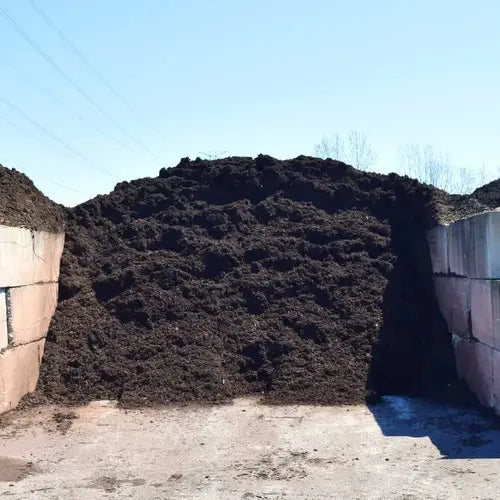
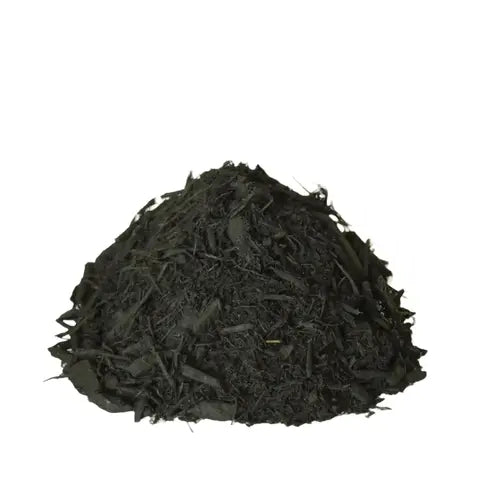
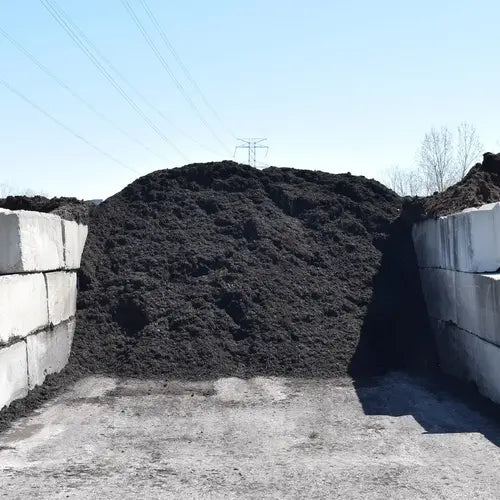
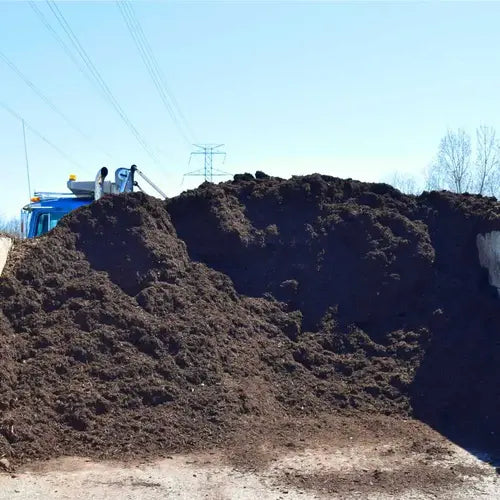
A yard is approximately 27 cubic feet. As a general guideline, one yard of material can cover an area of about 100-160 square feet at a 2-3 inch depth.
Good quality, great price, fast delivery. All online - no submitting forms and waiting for days for quotes. Getting mulch should be this easy from everyone. Only Mulch Mound is ACTUALLY this simple.
How Much Material Do I Need?
Two to three inches is the working depth for Greenwood beds, enough to block weeds and slow evaporation without trapping water on our flat, slow draining silt loam. Around shallow rooted azaleas and camellias, stay closer to two inches.
Use our free mulch calculator
What is a yard?
A yard is approximately 27 cubic feet. As a general guideline, one yard of material can cover an area of about 100-160 square feet at a 2-3 inch depth.
Good quality, great price, fast delivery. All online - no submitting forms and waiting for days for quotes. Getting mulch should be this easy fr...
Read full review
Good quality, great price, fast delivery. All online - no submitting forms and waiting for days for quotes. Getting mulch should be this easy from everyone. Only Mulch Mound is ACTUALLY this simple.
I highly recommend Mulch Mound. The quality of the mulch is very good. The ordering system on their website makes it very easy. The delivery driver...
Read full review
I highly recommend Mulch Mound. The quality of the mulch is very good. The ordering system on their website makes it very easy. The delivery driver did a great job placing the mulch on the driveway. To finish off, the pricing was very reasonable as well.
They offered a quick turnaround and delivered high quality mulch at a reasonable price. They also dropped it off exactly where I told them to put i...
Read full review
They offered a quick turnaround and delivered high quality mulch at a reasonable price. They also dropped it off exactly where I told them to put it. Good service!
Measure each bed's length and width in feet, multiply for square footage, and add the beds together before running the numbers. Greenwood lots often have curved beds around live oaks and crape myrtles, so break irregular shapes into rectangles and estimate slightly generous. One cubic yard covers about 108 square feet at three inches deep.
Mulch vs. No Mulch: The Difference
Greenwood's combination of 54 inches of annual rain, high Delta humidity, and warm soil from late March through early November drives decomposition faster than in most of the country. Mulch here is not a set and forget product, since the same conditions that break it down are what feed your silt loam. Choosing between mulch that decomposes and longer lasting options comes down to whether you want soil building or low maintenance.
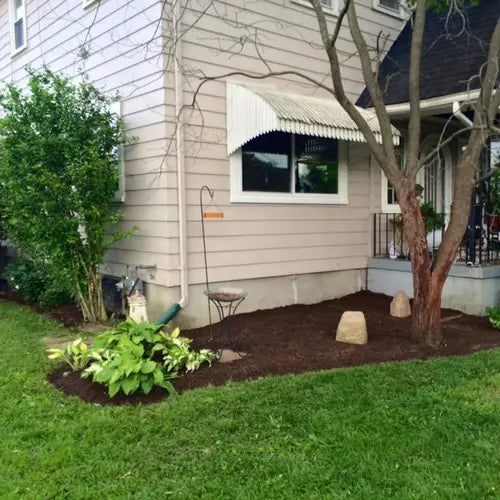
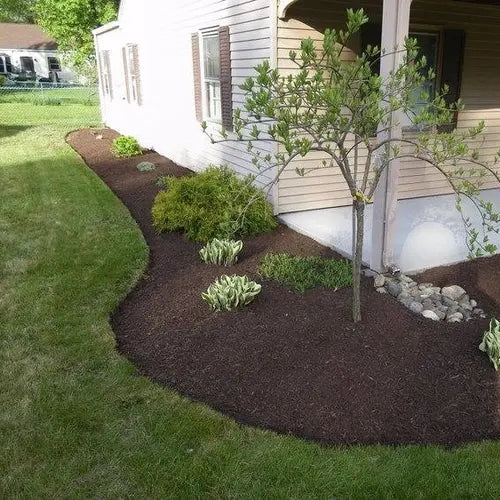
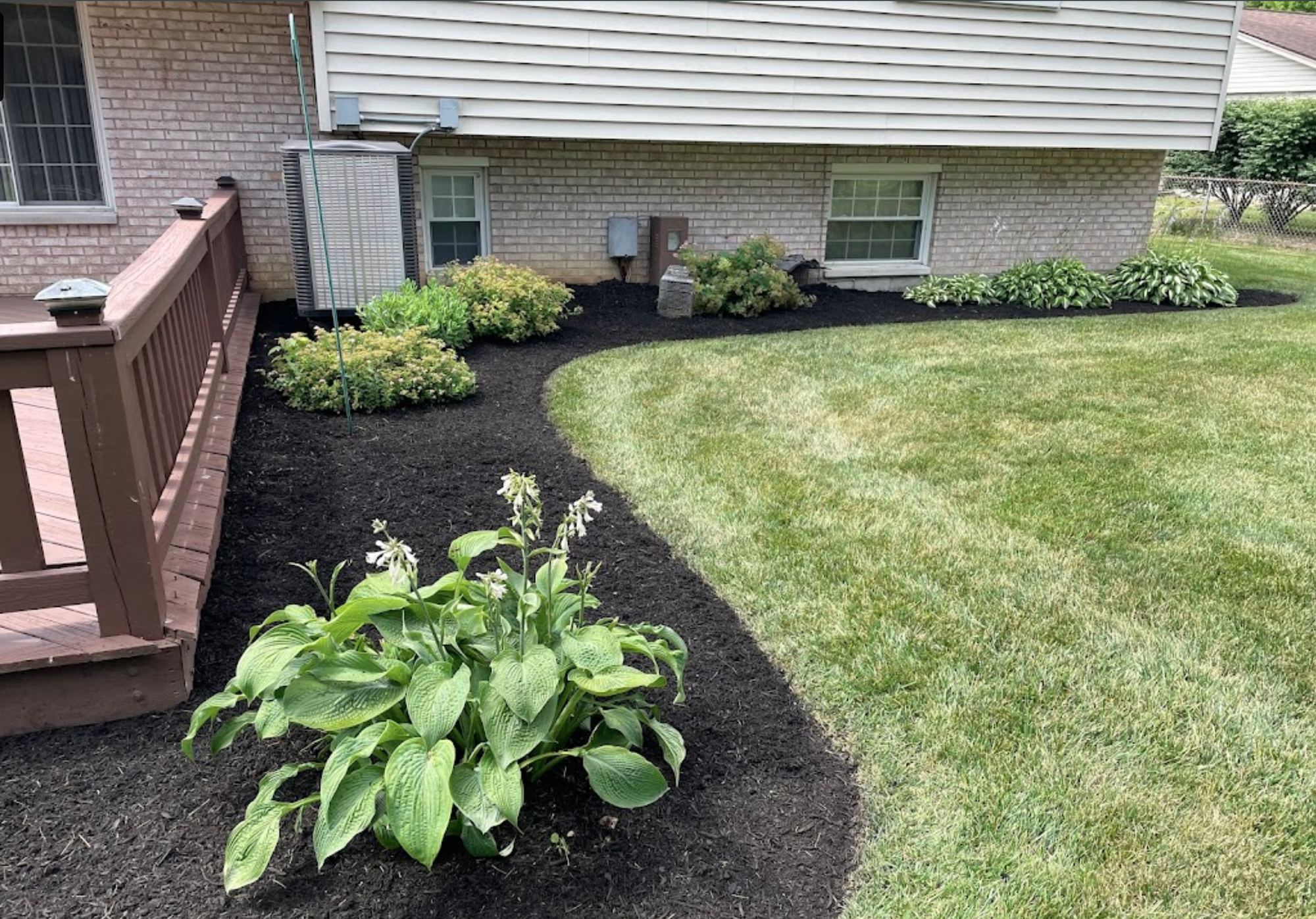
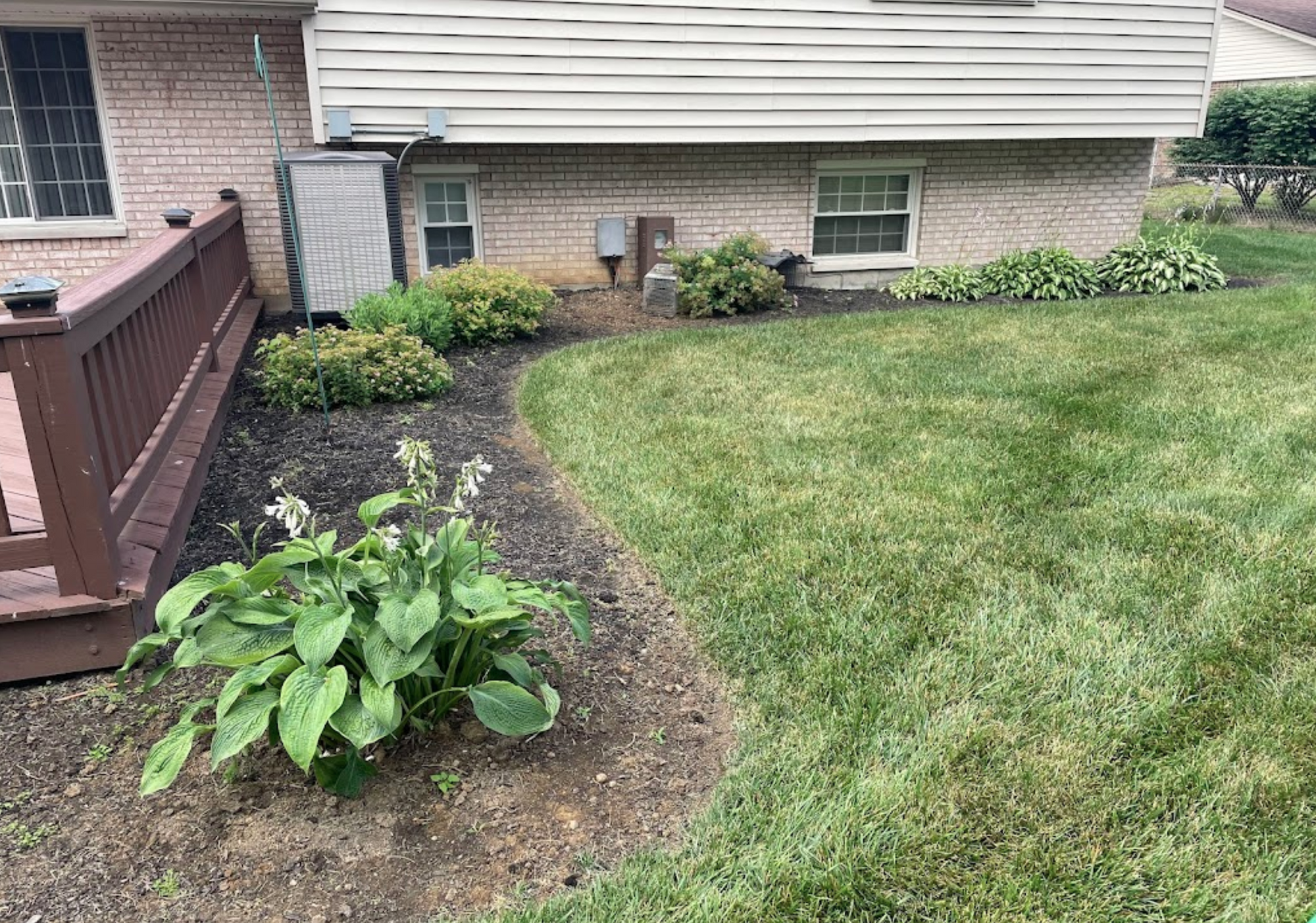
Before
After
Best Mulch Choice for Greenwood Lawns
Most yards in the Greenwood area sit on type of soil. Greenwood's silt loam packs tightly and forms a hard surface crust after repeated Delta downpours, which sheds water instead of soaking it in and starves roots of oxygen. Beds left bare go from soupy to concrete in a matter of days during a summer dry spell.
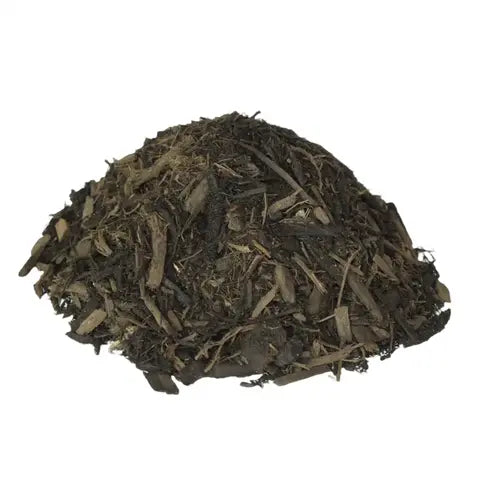
Hardwood Mulch
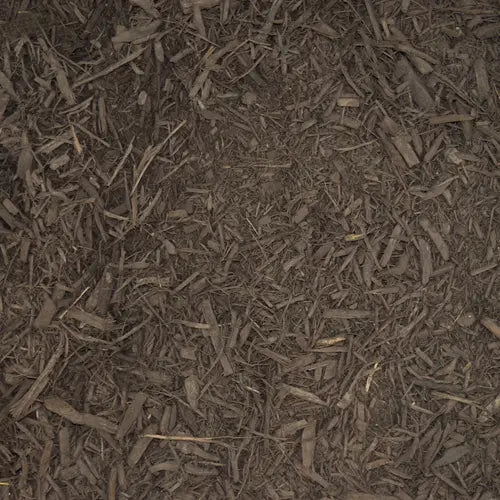
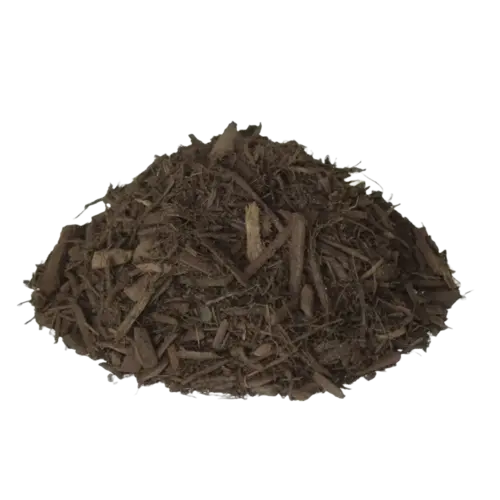
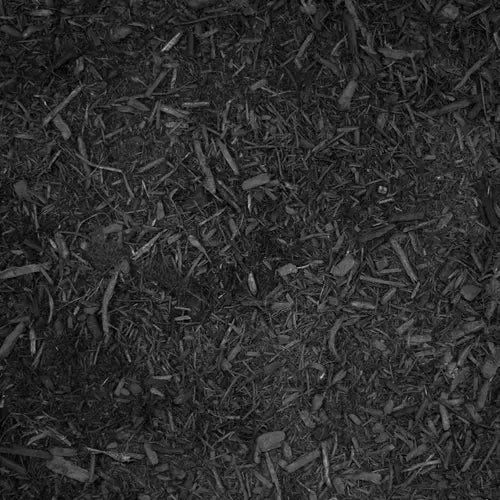
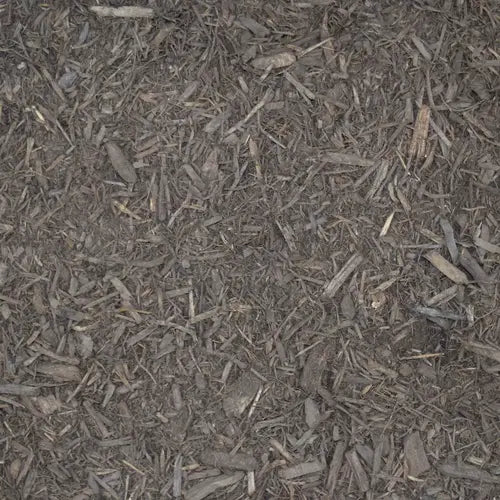
Double ground hardwood mulch takes the impact of heavy Delta rain before it hits the ground, preventing the crust from forming, and its bottom layer slowly composts into the silt loam to add organic matter and improve structure. Over two or three seasons of refreshing, Greenwood beds go from tight and compacted to loose, dark, and easy to dig.
Complete Your Outdoor Mulch Project
Pair your mulch with a few yards of compost or garden soil worked into the beds first, since Delta silt loam improves fast with organic matter. Crushed stone makes a clean, termite resistant border strip right against the foundation.
Water your beds thoroughly the day before mulching if Greenwood has been through a dry stretch. Silt loam that has crusted over will shed water rather than absorb it, and a fresh mulch layer over dry soil keeps that dryness locked in for weeks. Wet the ground first, let it drain overnight, then spread. The mulch will hold that moisture right where the roots are through the next hot spell.
Mulch Mound Pro Tip
Never volcano mulch around trunks, and it matters more here than most places. Greenwood's humidity plus mulch piled against a crape myrtle or oak trunk creates constant bark moisture, which invites rot and gives borers an entry point. Pull mulch back three to four inches from every trunk so you can see the root flare. The tree will thank you with better bark health and fewer pest problems.
Mulch Mound Pro Tip
Edge before you mulch. Cut a clean four inch deep trench along the bed line with a spade, because Delta bermudagrass and nutsedge will run straight into loose mulch otherwise. That trench also gives heavy rain somewhere to go instead of floating mulch out onto the driveway. Re edge once in midsummer and your beds will hold their shape all the way through Greenwood's long growing season.
Frequently Asked Questions
Click a question to see the answer
Answer
When is the best time to mulch beds in Greenwood?
Late March, right around the average last frost on March 21, is the sweet spot. Soil has warmed, spring weeds have not taken hold, and you get the layer down before the heavy April and May rains start moving bare silt around. A second light touch up in early October helps beds look sharp through the mild fall and protects roots ahead of the November 6 first frost.
Answer
How fast does mulch break down here with all our rain?
Faster than most of the country. Between 54 inches of annual rainfall, high Delta humidity, and a nine month warm season, fine textured mulch can lose half its depth in a single year. Double ground hardwood holds up best, usually needing a top off of one to one and a half inches each spring rather than a full replacement.
Answer
Will mulch make my drainage problems worse on flat Delta ground?
Not if you keep it at the right depth. At 128 feet of elevation with very little natural slope, Greenwood yards already shed water slowly, so piling mulch six inches deep creates a sponge that stays soggy. Stay at two to three inches in beds and keep mulch pulled back from downspout outfalls and swales so water can still move.
Answer
Does mulch help with the termites we get around here?
Mulch itself does not attract termites, but Delta termite pressure is high and moisture against a foundation gives them cover. Keep a six to twelve inch bare or gravel strip against your slab or piers, hold mulch below the level of any siding or weep holes, and inspect the band each spring when you refresh.
Answer
What mulch color holds up in Greenwood sun?
Natural brown hardwood fades gracefully and looks intentional even when it grays. Black dyed mulch absorbs the most heat, which is rough on shallow rooted plants during a Delta August, and red dyed mulch fades fastest under our long sun exposure. If you want dyed, brown holds color best through a full Greenwood season.
Answer
How many yards do I need for a typical Greenwood front bed?
A common Greenwood foundation bed running 40 feet long and 6 feet deep is 240 square feet, which takes about 2 cubic yards at three inches. Most full front yard refreshes in town land between 4 and 8 yards. Measure each bed separately since Delta lots often have long, narrow strips along fence lines that add up quickly.
Answer
Should I pull last year's mulch out before adding new?
Usually no. In Greenwood's climate the bottom layer is already composting into the silt loam, which is exactly what that soil needs. Just rake the old layer to break up any crust, check that total depth will not exceed three inches, and add the difference. Only strip it out if the old mulch has matted into a water shedding crust or shows heavy fungal growth.
The Unique Landscape of Greenwood
Greenwood sits in the Mississippi Delta at just 128 feet of elevation, where silt loam soil holds water long after a Yazoo River storm system rolls through. With 54 inches of rain a year and a Zone 8a growing season that stretches from late March to early November, bare beds here crust over, wash sideways, and grow weeds almost year round. Mulch is the layer that keeps Delta silt from sealing shut after heavy rain and from baking hard during the July and August heat. It also buffers root zones through the long, humid summers when soil temperatures in exposed beds climb well past what azaleas, camellias, and hydrangeas prefer. For most Greenwood yards, a properly installed mulch layer does more for plant health in a single season than any fertilizer program.