Mulch Mound delivered a yard of pea gravel to us. Delivery was on time, driver was friendly and hit a bullseye on the “tarp target”. We used the pea gravel (which was diameter as specified) to fill several muskrat holes around our pond. I would definitely recommend Mulch Mo...
Tell us what you're looking for
Thanks! We received your request.
Something went wrong. Please try again.
How Much Material Do I Need?
Aim for 3 inches over established beds and 3 to 4 inches for new plantings where weed pressure is highest. Around trees, taper to 2 inches near the trunk and never mound mulch against the bark.
Use our free mulch calculator
What is a yard?
A yard is approximately 27 cubic feet. As a general guideline, one yard of material can cover an area of about 100-160 square feet at a 2-3 inch depth.
Mulch Mound delivered a yard of pea gravel to us. Delivery was on time, driver was friendly and hit a bullseye on the “tarp target”. We used the pea gravel (which was diameter as specified) to fill several muskrat holes around our pond. I would definitely recommend Mulch Mo...
How Much Material Do I Need?
Aim for 3 inches over established beds and 3 to 4 inches for new plantings where weed pressure is highest. Around trees, taper to 2 inches near the trunk and never mound mulch against the bark.
Use our free mulch calculator
What is a yard?
A yard is approximately 27 cubic feet. As a general guideline, one yard of material can cover an area of about 100-160 square feet at a 2-3 inch depth.
Mulch Mound delivered a yard of pea gravel to us. Delivery was on time, driver was friendly and hit a bullseye on the “tarp target”. We used the ...
Read full review
Mulch Mound delivered a yard of pea gravel to us. Delivery was on time, driver was friendly and hit a bullseye on the “tarp target”. We used the pea gravel (which was diameter as specified) to fill several muskrat holes around our pond. I would definitely recommend Mulch Mound to a friend!
I can’t say enough good things about Mulch Mound! If you read my review below you will see I had a problem with my order. Mulch Mou...
Read full review
UPDATE!
I can’t say enough good things about Mulch Mound! If you read my review below you will see I had a problem with my order. Mulch Mound was quick to respond and solved the issue with my delivery. Will definitely be a customer next year.
First time purchase from Mulch Mound!! First what I liked! Easy to order online and straight forward pricing and delivery. The driver was on time and courteous and delivered my Mulch exactly where I requested! The product is of good quality and comparable to others I have purchased from before. Now what I DID’NT LIKE! I have been mulching the same house and yard for almost 20 years. I always order the same amount and don’t have any issues with covering the same area but this year I fell about a yard short. I was home when the mulch was delivered and when the driver dumped it I noticed that it seemed a bit less than I was used to. I didn’t apply it any thicker than usual and probably a bit thinner than usual because I was worried about running out.
Break odd shaped Harrison beds into rectangles and circles, calculate each one separately, then add them together. For curved island beds, average the widest and narrowest points to get a workable number. Our calculator converts square footage to cubic yards at your chosen depth, and one cubic yard covers about 108 square feet at 3 inches.
Mulch vs. No Mulch: The Difference
Harrison's combination of 46 inches of annual rainfall, humid Ozark summers, and a long Zone 7a growing season from mid April to late October means mulch decomposes noticeably faster here than in drier regions. Natural hardwood breaks down within a season or two, feeding thin cherty silt loam with organic matter it badly needs. Dyed mulches hold color longer through that same weather but contribute less to soil building, so the right choice depends on whether you want appearance or soil improvement to lead.
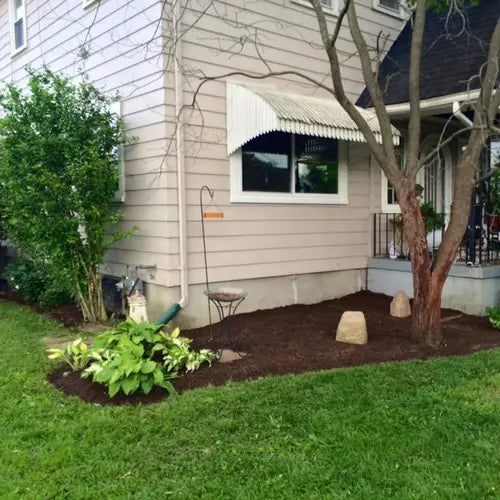
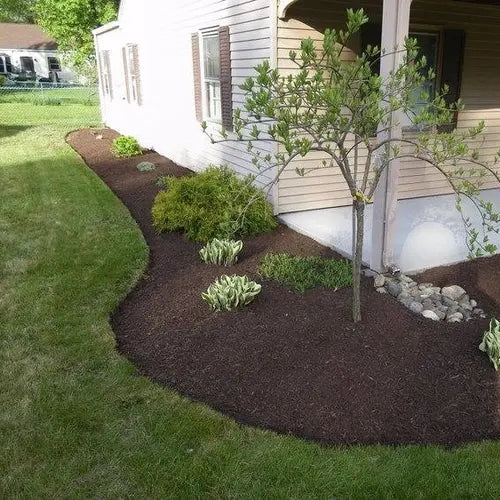
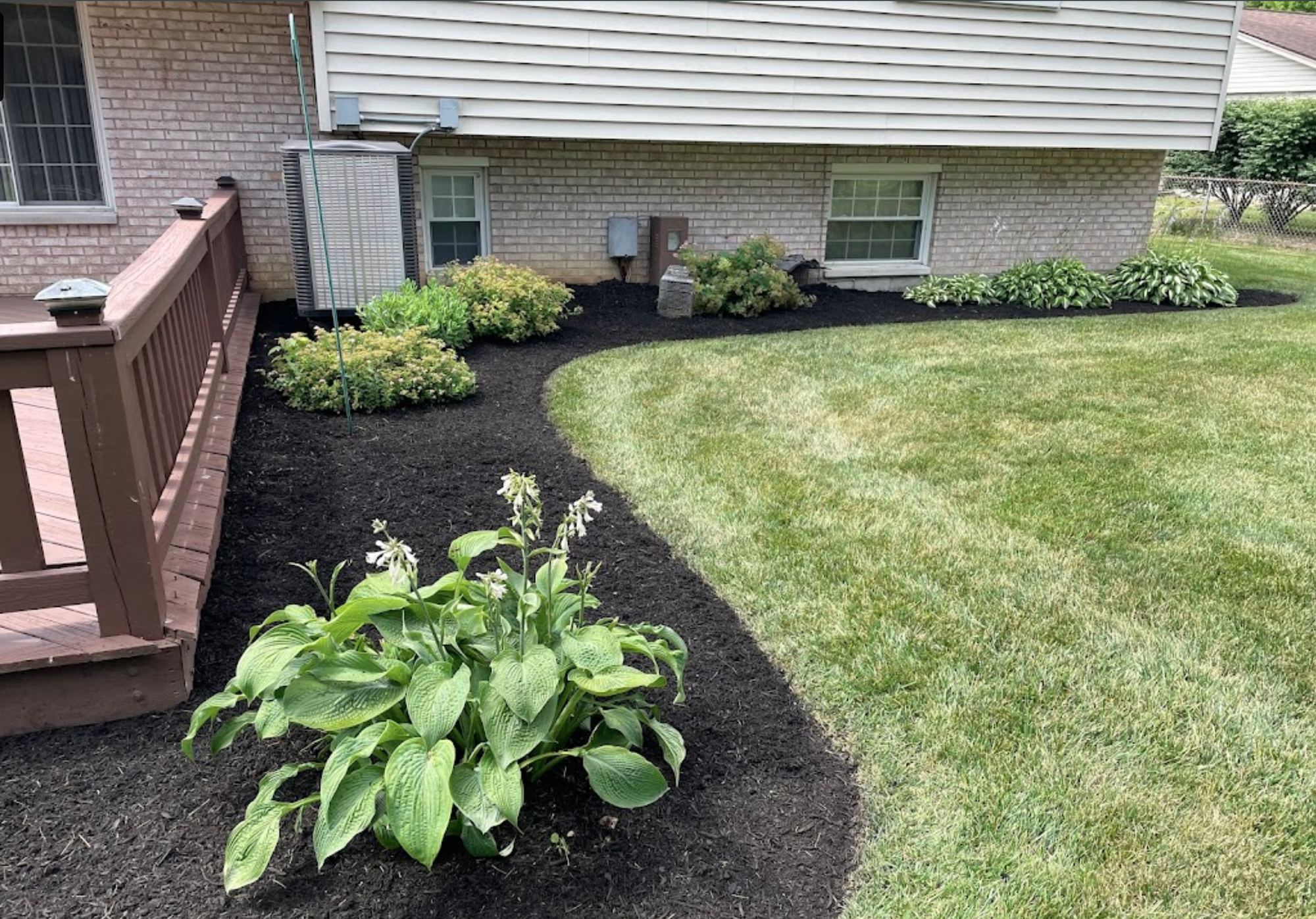
Before
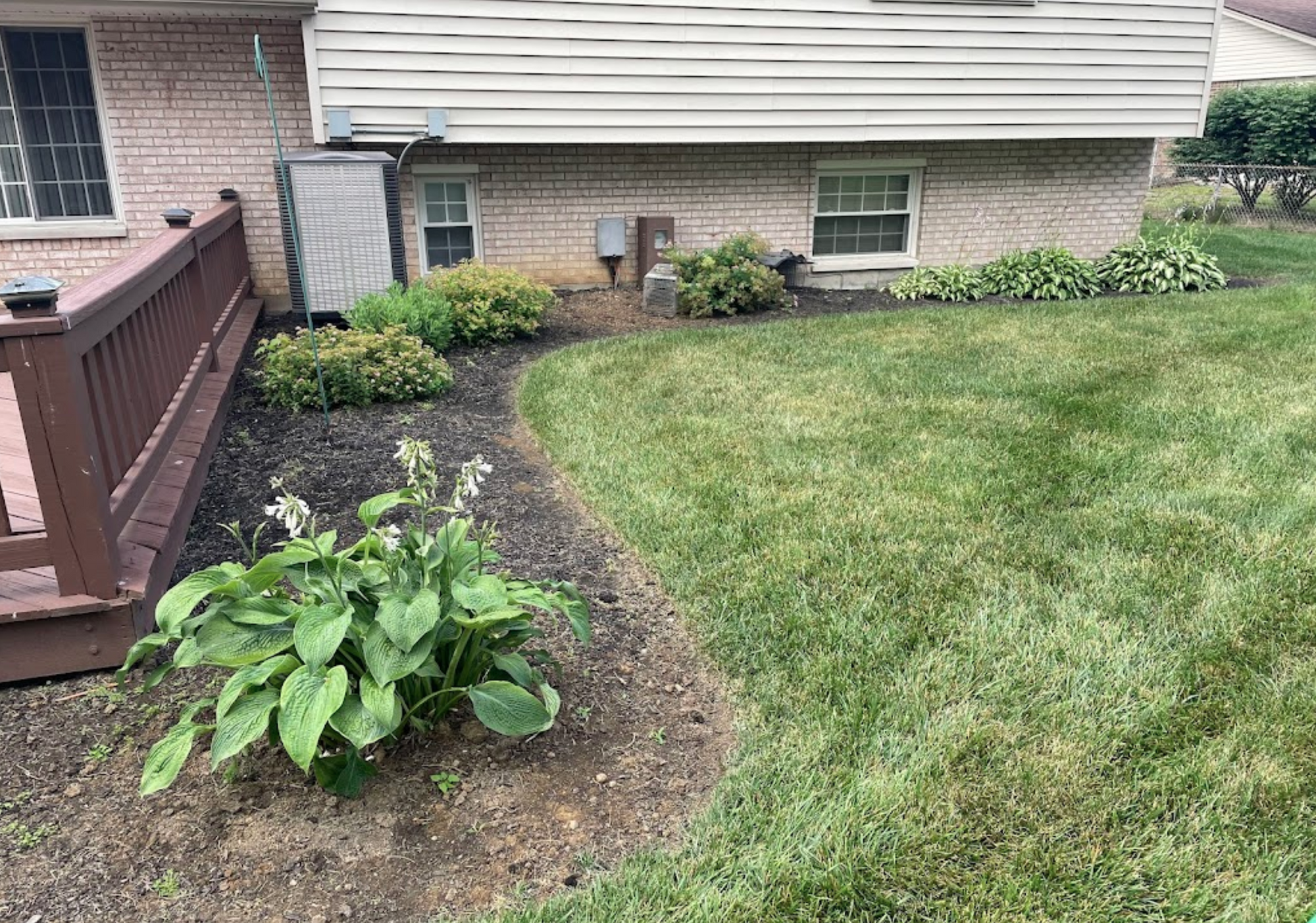
After
Best Mulch Choice for Harrison Lawns
Most yards in the Harrison area sit on type of soil. Cherty silt loam around Harrison is loaded with angular rock fragments that drain water away from roots quickly and leave a thin, low organic layer on top. Plant beds in this soil dry out fast in August and crust over after spring storms, which makes establishing new shrubs a real challenge.
Hardwood Mulch
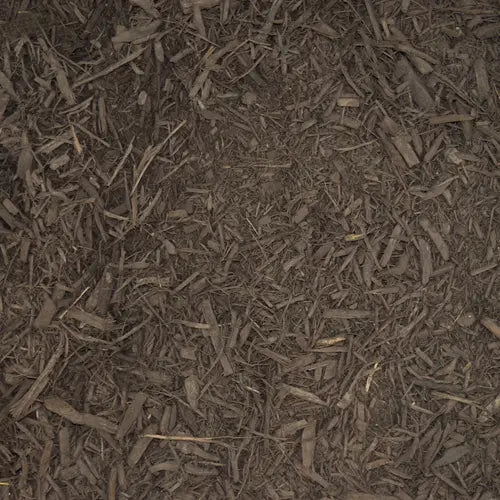
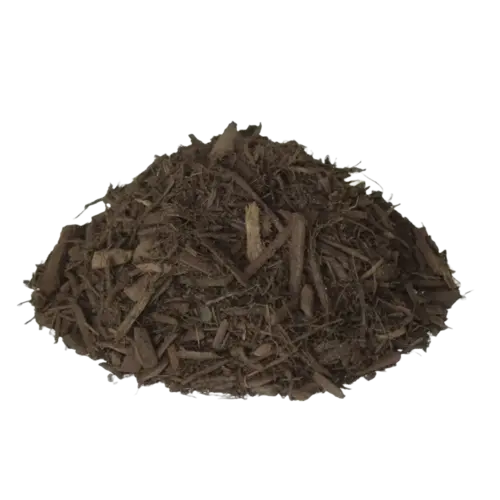
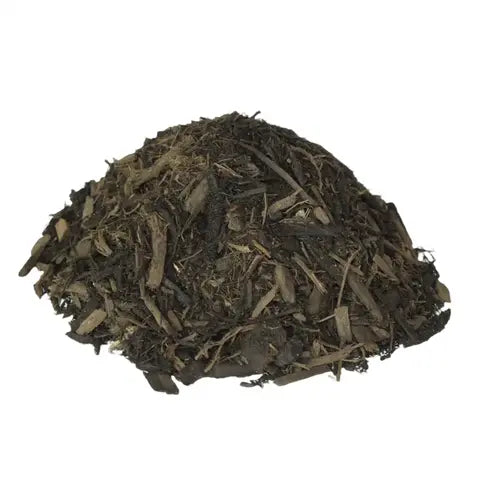
Shredded hardwood mulch is the practical fix because it decomposes into the surface layer and steadily adds the organic matter cherty silt loam lacks. Over two or three seasons that breakdown improves moisture retention, feeds soil life, and softens the top few inches so roots can spread between the chert fragments.
Complete Your Outdoor Mulch Project
Pair your mulch with a few yards of screened topsoil or compost to build up thin cherty ground before spreading, and add decorative stone or boulders for edging that will not float during Harrison's heavy spring storms.
Edge before you mulch, not after. Cut a 4 inch deep V trench at the bed line with a spade, angling the outside wall toward the lawn. On cherty silt loam the chert makes this work slower, so do it when the soil is damp a day or two after rain. That trench holds mulch in place during Harrison downpours, gives you a clean line that lasts a full season, and keeps bermuda and fescue from creeping into the bed.
Mulch Mound Pro Tip
Water your beds thoroughly before spreading mulch, especially during a dry Harrison spring. Dry mulch laid over dry cherty soil acts like a sponge and can intercept a light rain before it ever reaches roots. Soak the ground first, spread the mulch, then water again lightly to settle the fibers together. That single step is the difference between mulch that conserves moisture and mulch that competes for it.
Mulch Mound Pro Tip
Do not rake out old mulch every spring. In Harrison the decomposed bottom layer is quietly rebuilding organic matter in soil that has very little to start with, thanks to all the chert fragments. Instead, fluff the existing layer with a cultivator to break any crust, then top dress with just enough fresh mulch to reach 3 inches. You save money and your soil steadily improves year over year.
Frequently Asked Questions
Click a question to see the answer
Answer
How much mulch do I need for a typical Harrison front bed?
Measure length times width in feet to get square footage, then divide by 108 for a 3 inch layer. A 400 square foot foundation bed, which is common on Harrison ranch homes, takes right around 3.7 cubic yards at 3 inches. Round up, because cherty silt loam settles unevenly and you will want extra for touch ups.
Answer
When is the best time to mulch in Harrison?
Mid to late April, once the April 12 average last frost has passed and soil has warmed, is the sweet spot. Mulching too early over cold, wet spring soil slows warming and delays root growth. A second light top dress in early October, before the October 25 first frost, protects perennial crowns through winter.
Answer
Will mulch wash off my slope during heavy Ozark rain?
Shredded hardwood is your best defense because the fibers interlock and form a mat that resists floating. Nuggets and large chips are the ones that end up in the driveway after a 2 inch downpour. On steeper Harrison lots, consider a shallow trench edge at the bottom of the bed to catch anything that does move.
Answer
Does mulch attract termites here in Boone County?
Mulch does not attract termites, but any moist material held against siding gives them cover. Keep mulch pulled back 6 inches from the foundation and never let it touch wood siding or trim. With Harrison's rainfall totals, that gap matters more here than in drier parts of the state.
Answer
How often do I need to replace mulch in Harrison?
Plan on topping off once a year and doing a full refresh every two to three years. Our humid summers and 46 inches of annual rain break hardwood down faster than in dry climates, and that breakdown is a benefit since it feeds the thin cherty topsoil. If the layer has thinned below 2 inches, it is time.
Answer
Can I put mulch right on top of last year's layer?
Yes, as long as the old layer has decomposed down below 2 inches and is not matted. If it has crusted into a water shedding layer, which happens with fine dyed mulch after a dry stretch, break it up with a rake first. Total depth should never exceed 4 inches or you will suffocate shallow rooted shrubs.
Answer
Should I use landscape fabric under mulch in my Harrison beds?
We usually advise against it in planting beds. Cherty silt loam already has limited organic matter, and fabric blocks the decomposed mulch from working into the soil where it is needed most. Fabric makes more sense under gravel paths and stone areas that will not be replanted.
The Unique Landscape of Harrison
Harrison sits at 1,247 feet on the Springfield Plateau, where beds are built on cherty silt loam that drains fast and dries out faster once July heat settles into the Ozarks. That chert content means water slips past the root zone quickly, and bare soil surfaces crust over after the hard spring storms that push Boone County past 46 inches of rain a year. Mulch is the buffer that keeps those two extremes from wrecking a planting, holding moisture through August dry spells and absorbing the impact of downpours so silt does not wash toward the street. In Zone 7a, with a last frost around April 12 and a first frost near October 25, mulch also stretches the shoulder seasons by moderating soil temperature swings on those clear, cool Ozark nights. On the sloped lots common around Harrison, a good layer of shredded hardwood knits together and stays put where lighter materials would float away. It is the least expensive thing you can add to a bed and the one that changes the most.