




Very happy with the ease of ordering. Delivery went exactly as planned. Garden soil looks great and couldn’t be happier.
About this soil
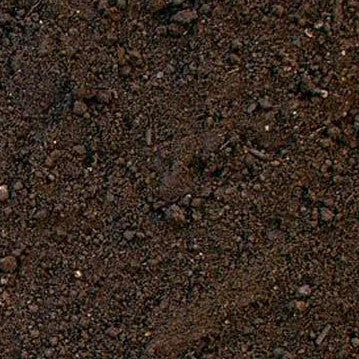
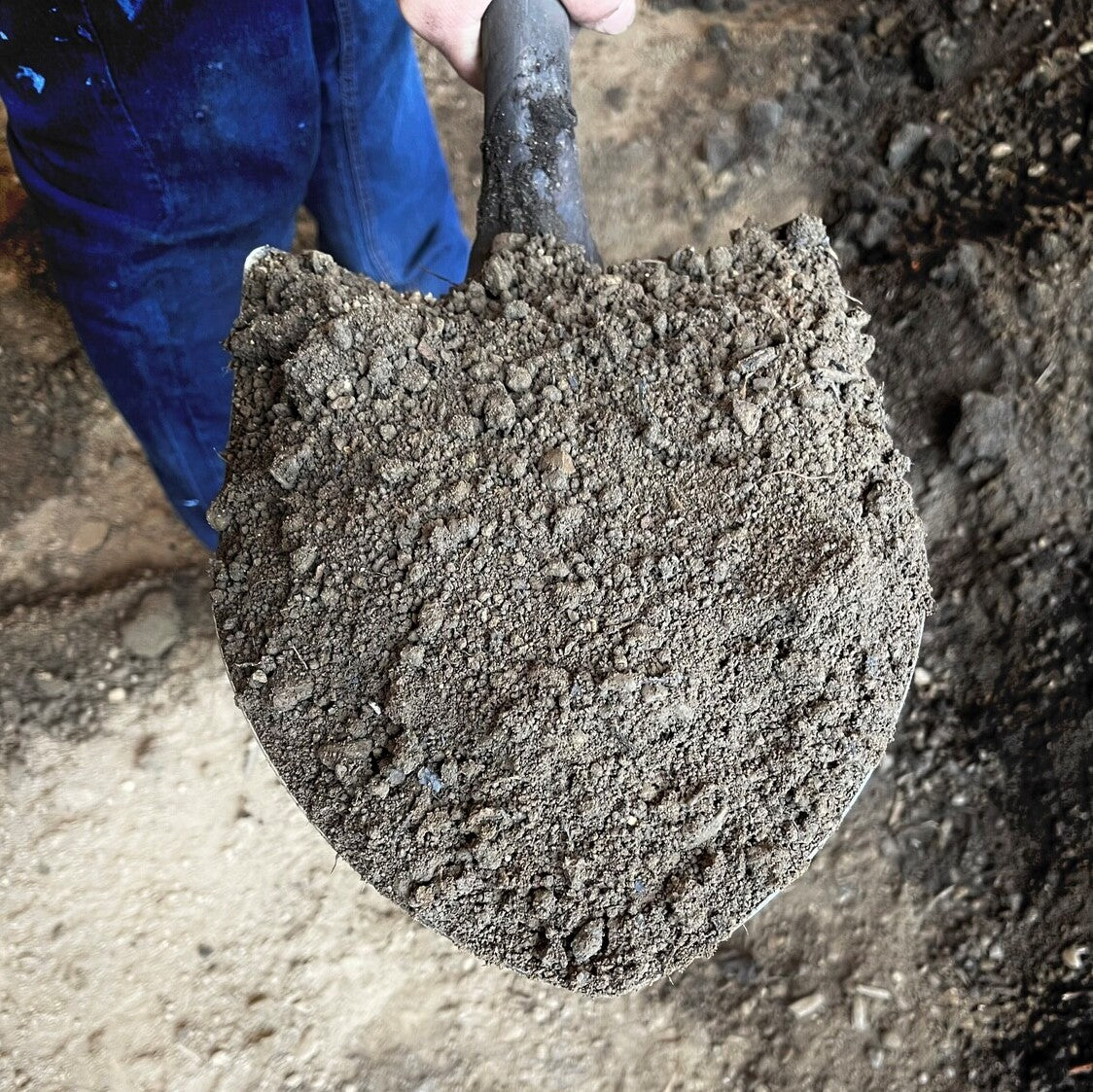
Screened topsoil with a fine, even texture. Ideal for new lawns, sod prep, and raised garden beds.
Very happy with the ease of ordering. Delivery went exactly as planned. Garden soil looks great and couldn’t be happier.
Tell us what you're looking for
Thanks! We received your request.
Something went wrong. Please try again.
How Much Material Do I Need?
How Much Material Do I Need?
Plan on 4 to 6 inches for new lawn areas, 12 to 18 inches for raised vegetable beds, and 1 to 2 inches for top dressing existing turf. Deeper is better in cherty ground where native topsoil is thin.
Use our free soil calculator
What is a Yard?
What is a Yard?
FAQs
FAQs
Harrison Soil Delivery
Harrison Soil Delivery
Regular price
$64.00
per
Yard
Regular price
Sale price
$64.00
Unit price
per
Shipping calculated at checkout.
Minimum of 3 Yard
Couldn't load pickup availability
Not currently available
We can't take orders for this right now. Tell us what you need and we'll get back to you.
Hand-picked local yards
4,000+ regional deliveries
Dedicated support
Why order through Mulch Mound
The best local , without the guesswork.
We hand-pick and partner with the best yards in your region, keep only the ones our buyers rate well, and back each load with our guarantee.
Mulch Mound Guarantee
If your isn't the quantity or quality you ordered, we'll make it right.
About this soil
Screened topsoil with a fine, even texture. Ideal for new lawns, sod prep, and raised garden beds.
Very happy with the ease of ordering. Delivery went exactly as planned. Garden soil looks great and couldn’t be happier.
How Much Material Do I Need?
How Much Material Do I Need?
Plan on 4 to 6 inches for new lawn areas, 12 to 18 inches for raised vegetable beds, and 1 to 2 inches for top dressing existing turf. Deeper is better in cherty ground where native topsoil is thin.
Use our free soil calculator
What is a Yard?
What is a Yard?
FAQs
FAQs
Tell us what you're looking for
Thanks! We received your request.
Something went wrong. Please try again.
How It Works
Getting started is easy — just follow these simple steps
1
Choose your soil
Make sure you adjust the quantity to your home's needs. You can use our calculator to estimate how much you'll need.
2
Select your delivery date
Select a delivery date you'd like for the product to be dropped off at your home
3
Sit back and wait
Sit back, wait, and let us work our magic to make sure the highest quality product is delivered to your driveway.

Really appreciate the care and follow thru that this company had with our order. A hiccup came up but they were quick to respond and address all co...
Read full review
Really appreciate the care and follow thru that this company had with our order. A hiccup came up but they were quick to respond and address all concerns, which made our garden day a success! Thank you for your prompt care.

Highest compliments. Great driver.
Website is easy to navigate. Just a seamless process. 5 stars!!
Need Help Calculating How Much Soil You Need?
Use our NEW Trace from Satellite tool to get an estimate for your project based on an aerial view of your property
Try Our CalculatorFor filling, multiply length by width by depth in feet and divide by 27 to get cubic yards. For thin top dressing, multiply square feet by inches of depth and divide by 324. Always order about 10 percent extra, since soil settles and Harrison lots are rarely as level as they look.
Complete Your Outdoor Soil Project
Finish with mulch to lock moisture into your newly amended beds, and use decorative gravel or stone to build paths and edges that keep foot traffic off soft soil.
Service area
Areas we deliver soil in Harrison, Arkansas
Mulch Mound Pro Tip
Never spread soil over saturated ground. Harrison gets 46 inches of rain a year, much of it in spring bursts, and driving equipment or dumping soil on wet silt loam compacts it into a layer that roots cannot penetrate. Wait until a handful of soil crumbles rather than ribbons when you squeeze it. That patience preserves the pore structure your plants depend on for the rest of the season.
Mulch Mound Pro Tip
Blend, do not layer. If you dump 6 inches of imported soil directly on top of untouched cherty silt loam, water perches at the boundary between the two textures and roots refuse to cross it. Scratch or till the existing surface first, then work the bottom couple of inches of new soil into it. The transition zone lets roots and water move through naturally instead of stalling at a seam.
Mulch Mound Pro Tip
Get a soil test through the Boone County Extension office before you invest in amendments. Ozark soils often run acidic, and if your pH is below 6.0, lime will do more for your lawn and vegetables than any fertilizer you buy. Testing costs very little and tells you exactly how much of what to add, which beats guessing and hauling in material you did not need.
The Unique Landscape of Harrison
Most Harrison properties sit on cherty silt loam, a soil that looks workable until you dig and hit a layer packed with angular chert fragments. The silt fraction can compact and crust after heavy rain, while the rock fraction lets water and nutrients drain straight through, so plants swing between waterlogged and drought stressed in the same month. Topsoil depth on Boone County ridges and hillsides is often shallow, and decades of construction grading around Harrison have left many lots with subsoil at the surface. Bringing in screened topsoil, garden mix, or compost is how you build a root zone deep enough to carry vegetables, sod, and perennials through a Zone 7a season that runs from April 12 to October 25. With 46 inches of rain a year, good soil structure also decides whether that water soaks in or runs off your slope. Adding quality soil is not cosmetic here, it is the foundation everything else depends on.