About this mulch

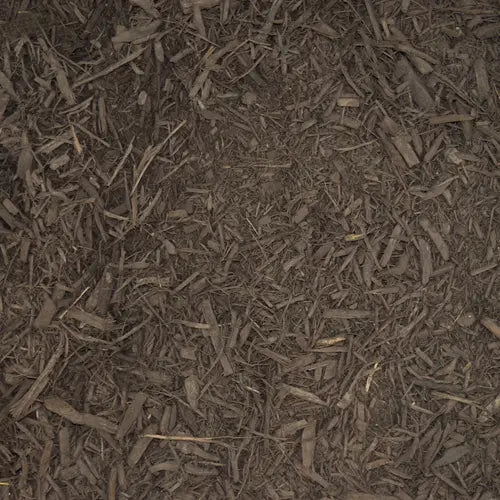
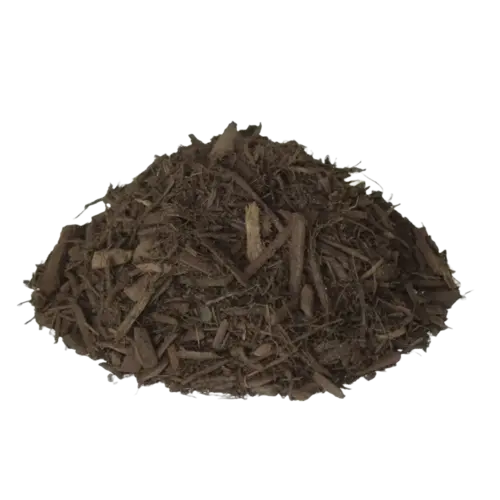
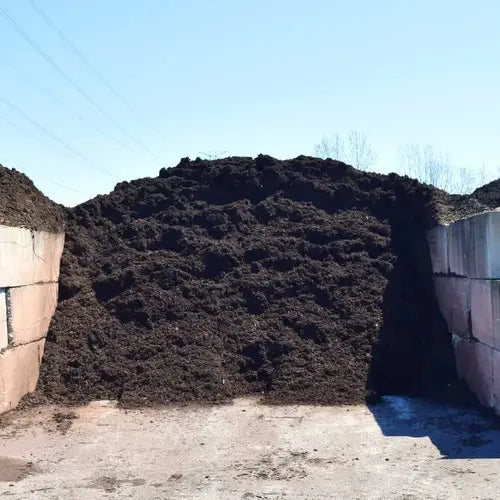
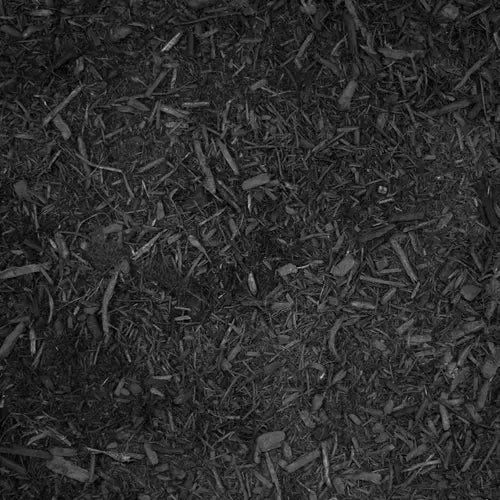
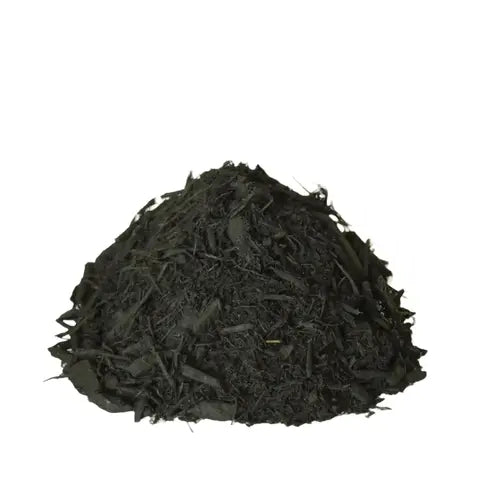
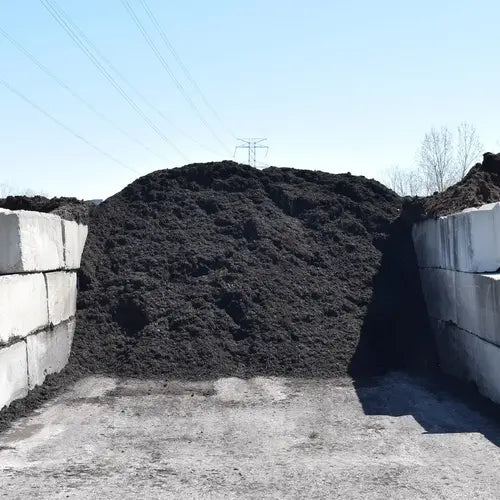
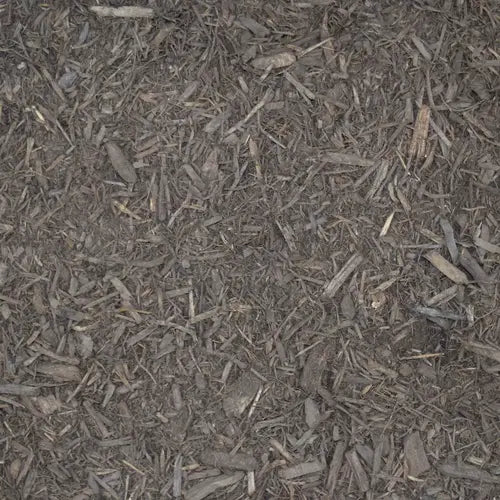
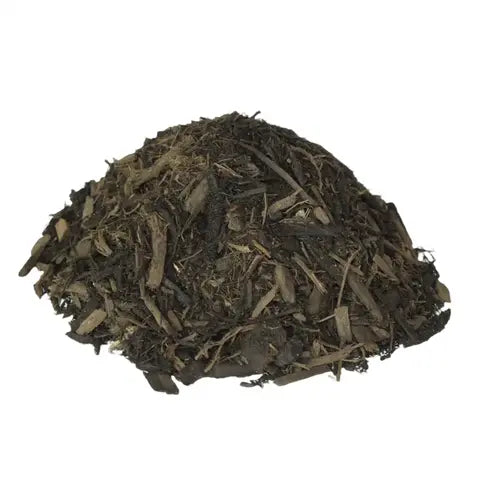
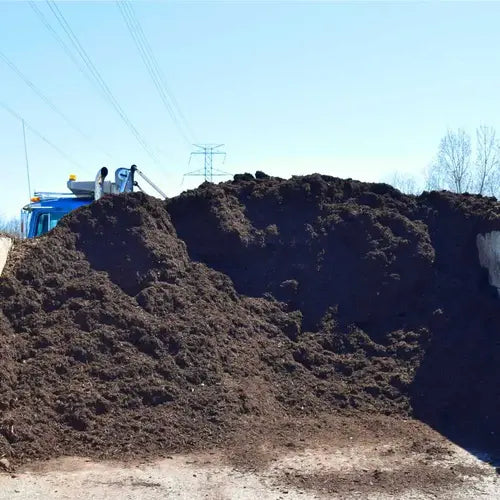
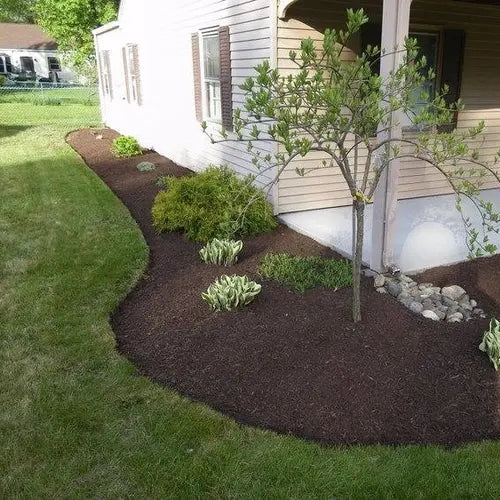
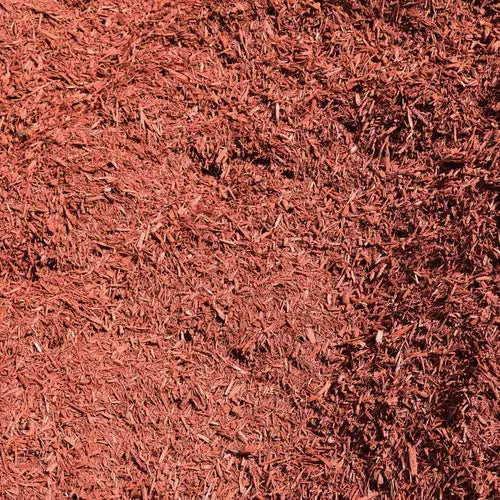
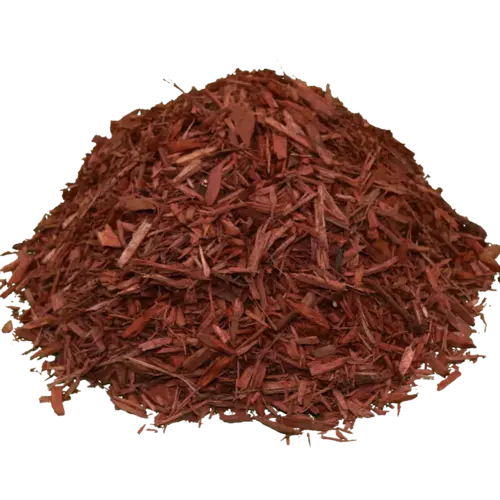
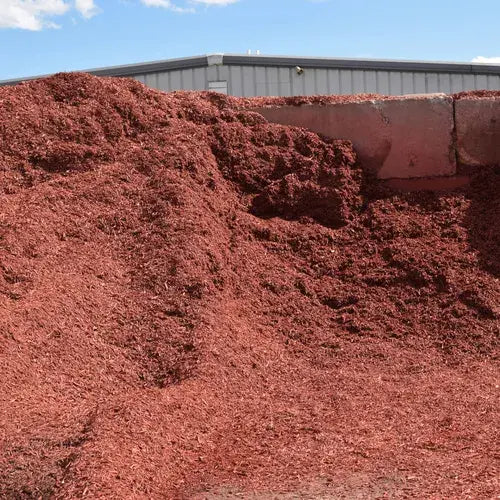
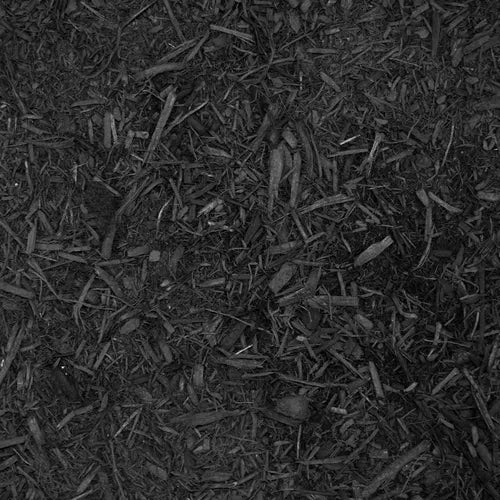
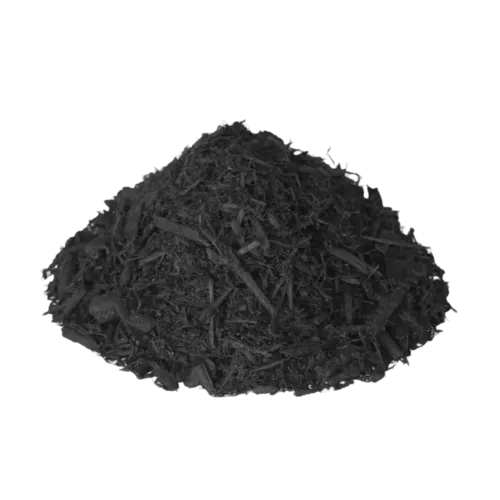
Double-shredded mulch dyed a rich, even brown that holds its color through the season.

Mulch Mound made it so easy! So happy with the pricing, turn around time, delivery and product. I submitted my online order on a Thursday. The mulch was delivered to the designated location by a local landscape company at 8:30 a.m. the following Saturday morning. We had the...

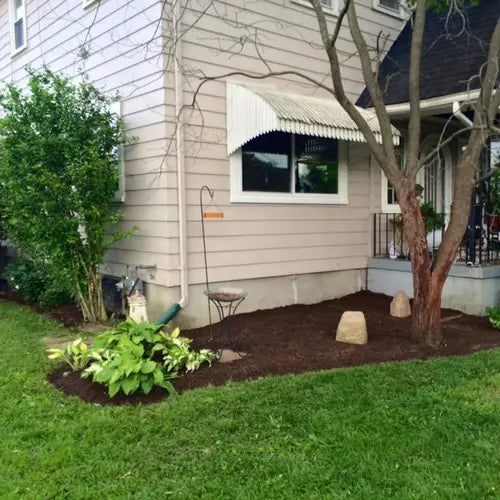
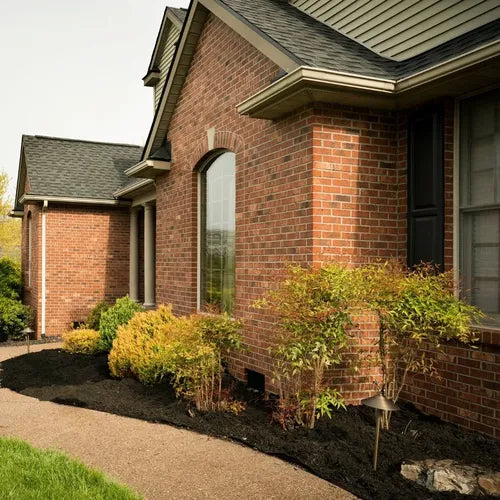
Two to three inches is right for most Hot Springs beds, with three inches on sunny exposed areas and two inches around shallow rooted azaleas and dogwoods. One cubic yard covers roughly 108 square feet at three inches deep.
Use our free mulch calculator

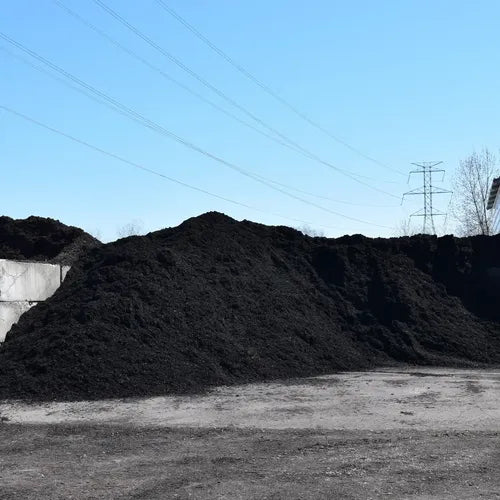
A yard is approximately 27 cubic feet. As a general guideline, one yard of material can cover an area of about 100-160 square feet at a 2-3 inch depth.

Hot Springs Mulch Delivery

Hot Springs Mulch Delivery

4.7
137 reviews
Regular price $55.00 per Yard
Regular price Sale price $55.00
Sale Sold out
Shipping calculated at checkout.
Color
Style
Hand-picked local yards
4,000+ regional deliveries
Dedicated support
Why order through Mulch Mound

The best local , without the guesswork.

We hand-pick and partner with the best yards in your region, keep only the ones our buyers rate well, and back each load with our guarantee.

Mulch Mound Guarantee

If your isn't the quantity or quality you ordered, we'll make it right.

About this mulch

Double-shredded mulch dyed a rich, even brown that holds its color through the season.

Mulch Mound made it so easy! So happy with the pricing, turn around time, delivery and product. I submitted my online order on a Thursday. The mulch was delivered to the designated location by a local landscape company at 8:30 a.m. the following Saturday morning. We had the...

Two to three inches is right for most Hot Springs beds, with three inches on sunny exposed areas and two inches around shallow rooted azaleas and dogwoods. One cubic yard covers roughly 108 square feet at three inches deep.
Use our free mulch calculator

A yard is approximately 27 cubic feet. As a general guideline, one yard of material can cover an area of about 100-160 square feet at a 2-3 inch depth.

View full details

How It Works

Getting started is easy — just follow these simple steps

1

Choose your Mulch

Make sure you adjust the quantity to your home's needs. You can use our calculator to estimate how much you'll need.

2

Select your delivery date

Select a delivery date you'd like for the product to be dropped off at your home

3

Sit back and wait

Sit back, wait, and let us work our magic to make sure the highest quality product is delivered to your driveway.

What Hot Springs Customers Are Saying

4.7
out of 5 based on 137 reviews
Google Reviews

Calculate mulch for your Hot Springs project

For Hot Springs's type of soil, we recommend 2-3 inches for best weed suppression and moisture retention

Try Our Calculator
📍

Break your yard into simple rectangles and circles rather than trying to measure one odd shape, then add the square footage together. For curved beds along a driveway or walk, pace the length and average the width at three or four points. Add about ten percent to your total for settling and for the low spots that always eat more than you expect.

Mulch vs. No Mulch: The Difference

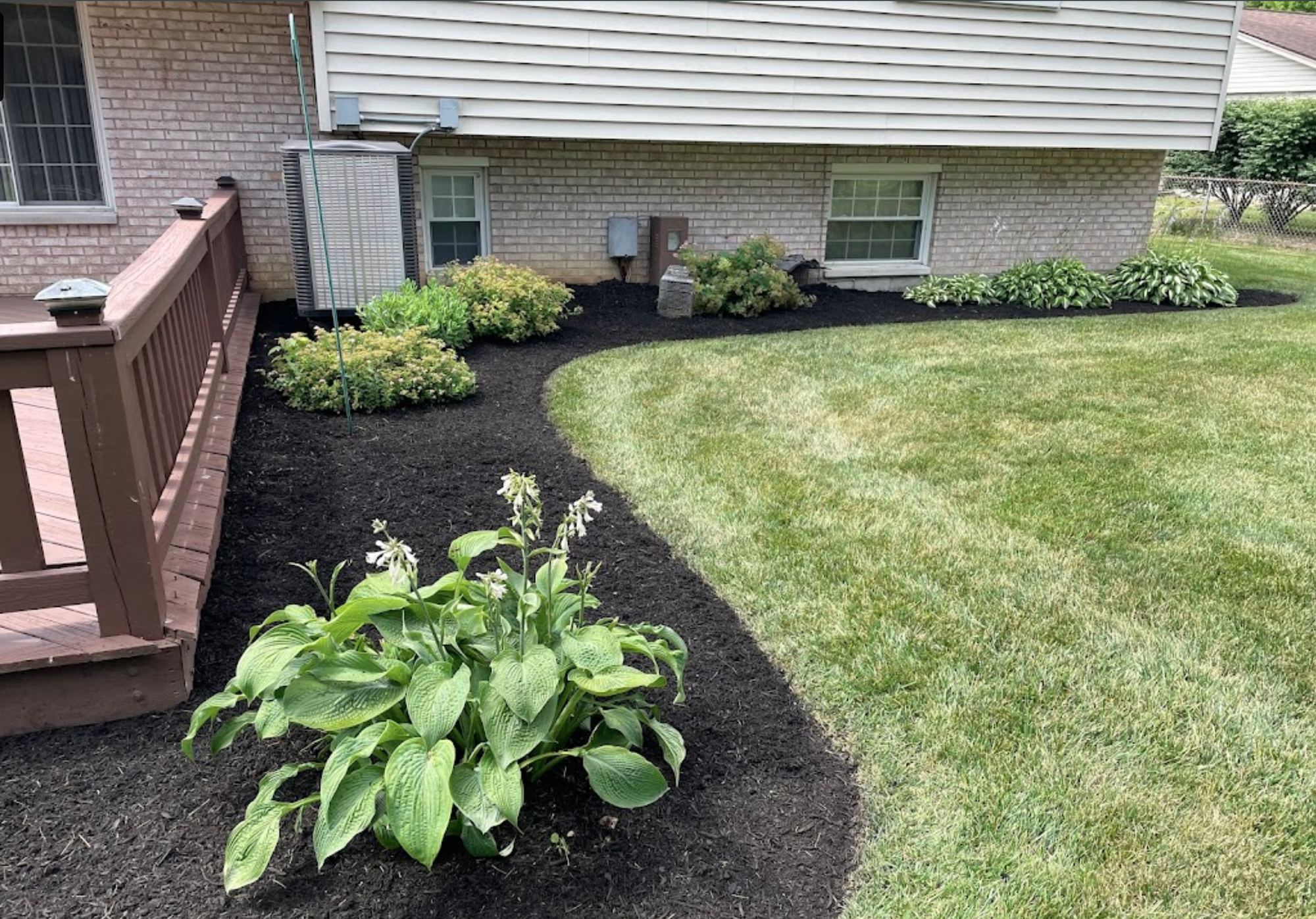
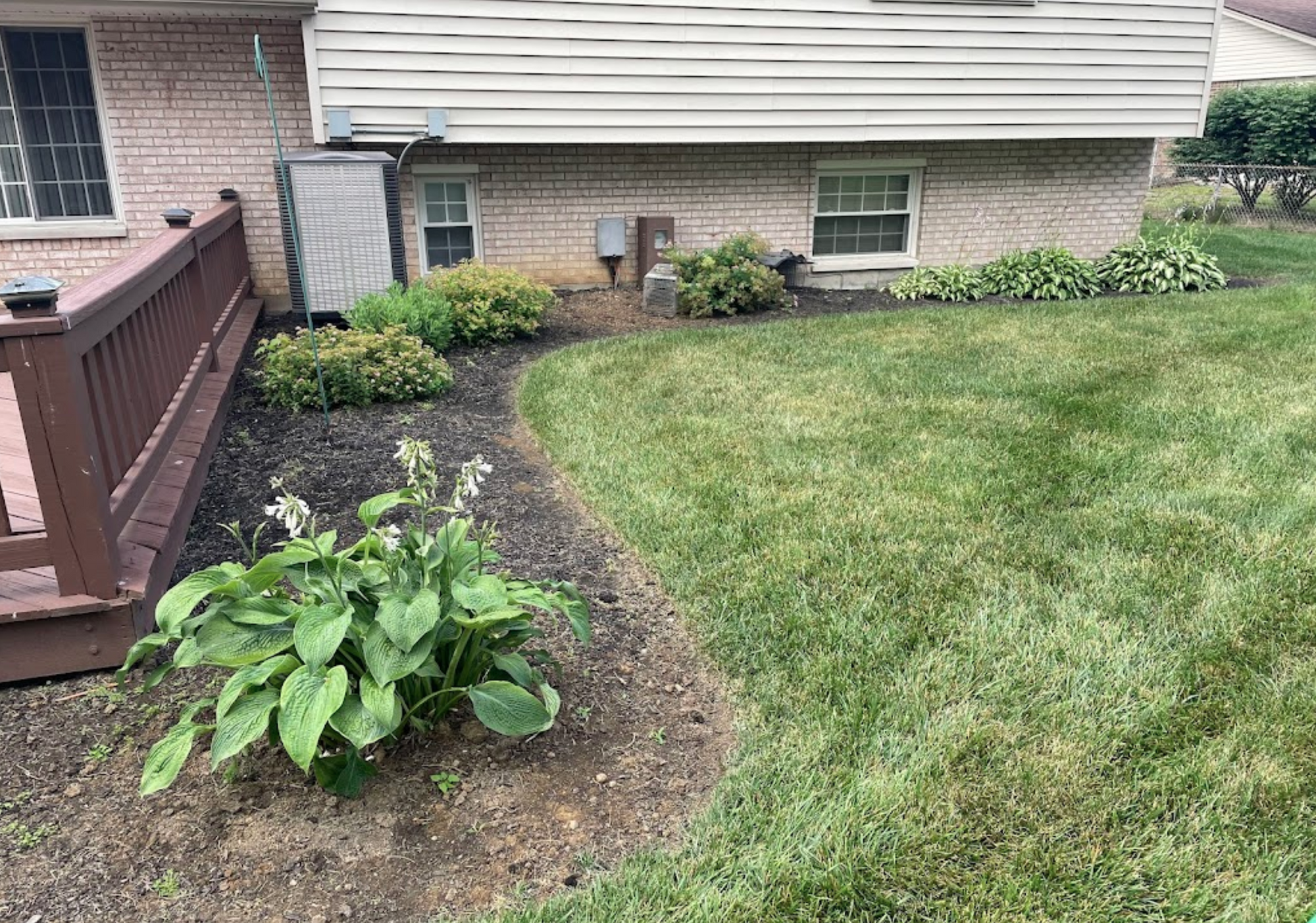
Hot Springs combines 57 inches of yearly rain with zone 8a heat and thick Ouachita valley humidity, which is nearly ideal for the microbes that eat organic mulch. Wood based products here can lose a third of their volume in a single season, faster than almost anywhere else in Arkansas. That breakdown is a benefit for soil building but it means budgeting for annual top dressing, which is where non organic options start to look attractive.

Before image
After image
Slider handle
Before
After

Complete Your Outdoor Mulch Project

Steel or stone edging keeps mulch from migrating down our sloped lots during heavy rain, and a few yards of compost or garden soil worked in before mulching gives silt loam beds the structure they lack. Many customers add river rock at downspouts and bed outlets where water concentrates.

Mulch Mound Pro Tip

Pull mulch back from trunks and stems before you spread. Volcano mulching against a crape myrtle or maple traps moisture against the bark, and in Hot Springs humidity that invites rot and bark boring insects within a single season. Leave a two to three inch collar of bare soil at the base of every trunk and taper the mulch outward toward the drip line where the feeder roots actually live.

Mulch Mound Pro Tip

Water your beds thoroughly before mulching, not after. Dry silt loam under a fresh three inch blanket can stay dry for weeks because mulch sheds light rain before it ever reaches soil. Soak the bed until the top six inches are damp, spread while the surface is still moist, then let our regular Hot Springs rainfall take over. This one habit prevents most first summer transplant failures.

Mulch Mound Pro Tip

Rake and fluff last year's mulch before adding new material. Hot Springs humidity causes older hardwood to knit into a water repellent crust, especially on north facing beds that stay shaded. Break that crust with a cultivator, then top dress only an inch or two. Piling fresh mulch on top of a matted layer creates a soggy anaerobic zone that suffocates roots and breeds fungus gnats.

Frequently Asked Questions

Click a question to see the answer

Answer

How fast does mulch break down in Hot Springs with all our rain?

With 57 inches of rain and long humid summers, mulch in Hot Springs decomposes noticeably faster than it does in drier parts of the state. Double ground hardwood typically thins out in about ten to twelve months, while coarser single grind or cypress can hold two seasons. Most local homeowners top dress a couple of inches each spring rather than starting fresh.

Answer

When is the best time to mulch here, before or after the last frost?

Wait until soil warms after the last frost around March 27, usually the first two weeks of April in Hot Springs. Mulching too early over cold, saturated silt loam traps the chill and slows root activity. A second light touch up in October helps buffer beds before the first frost near November 7.

Answer

Will mulch wash down my slope during a heavy Ouachita storm?

Fine or fluffy mulch will float on a steep Hot Springs grade. Use a coarse, stringy hardwood or shredded cypress that knits together, keep depth at two to three inches, and consider a shallow trench or edging at the low end of the bed. On grades steeper than about four to one, a jute netting or a stone apron at the bottom is worth the effort.

Answer

Does mulch attract termites in Garland County?

Mulch does not create termites, but the warm damp conditions in Hot Springs mean you should not let it touch siding or wood trim. Keep a six inch bare gap against the foundation and hold mulch depth to three inches. Cypress and cedar are naturally less appealing to insects if that is a concern.

Answer

How much mulch do I need for a typical bed around a Hot Springs ranch home?

A common foundation bed here runs about 300 square feet, which takes roughly three cubic yards at three inches deep. Measure length times width for each bed, add them up, and divide by 108 for a three inch layer. Our calculator does the math if you would rather just enter dimensions.

Answer

Can I mulch over the leaves and pine straw that pile up under my oaks?

Rake off heavy leaf mats first, since they turn slimy under Hot Springs humidity and block water movement. A thin scattering of shredded leaves or pine needles is fine to mulch over and actually feeds the silt loam as it breaks down. Whole wet leaves left in place will mat and smother shallow roots.

Answer

What color mulch holds up best in our summer sun?

Black mulch fades fastest and absorbs the most heat, which is rough on beds facing west during a Hot Springs August. Brown and natural hardwood hold color longer and run cooler at the root zone. Dyed products keep their tone about a season here before the rain leaches them out.

The Unique Landscape of Hot Springs

Hot Springs sits in the Ouachita foothills at roughly 632 feet, where 57 inches of annual rain runs downhill fast across sloped yards in places like Park Avenue and the ridges above Lake Hamilton. That volume of water strips bare silt loam off beds and cakes the surface into a crust that sheds the next storm instead of soaking it in. A layer of mulch absorbs the impact of hard spring downpours, keeps the silt in place, and holds moisture through the humid but often rain free stretch of late July and August. Zone 8a summers push soil temperatures high enough to stress azalea, hydrangea, and dogwood roots, and mulch buys those shallow rooted favorites several degrees of relief. With a long season running from a last frost around March 27 to a first frost near November 7, Hot Springs beds stay exposed for eight months, so mulch is doing work nearly year round. It is the cheapest insurance a Garland County landscape can buy.