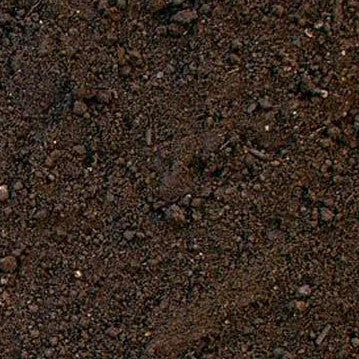
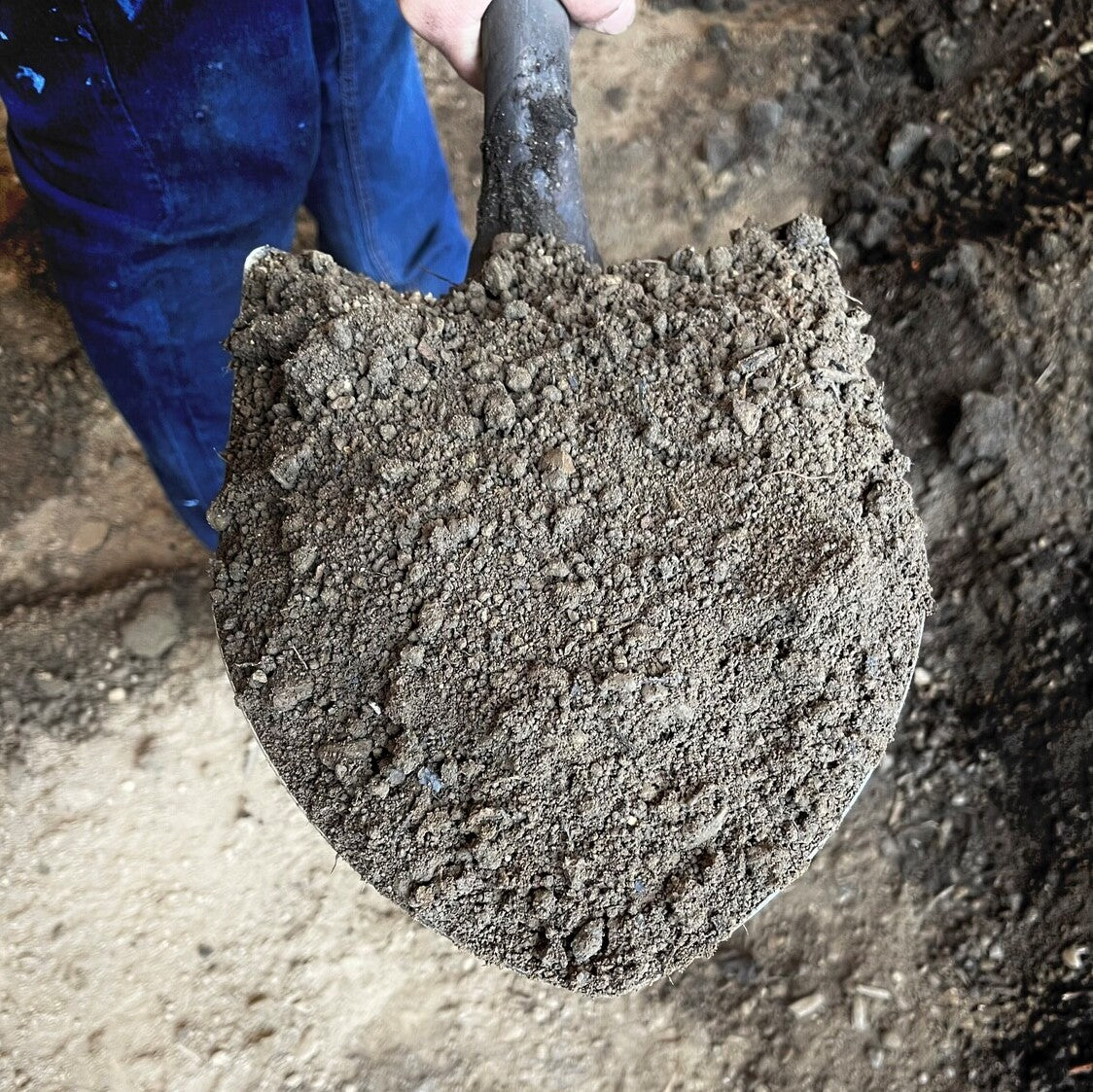
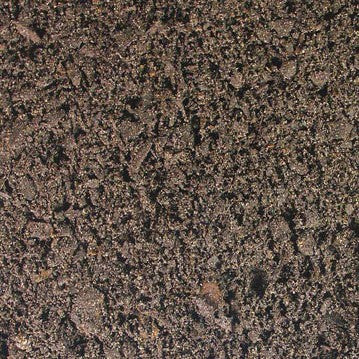
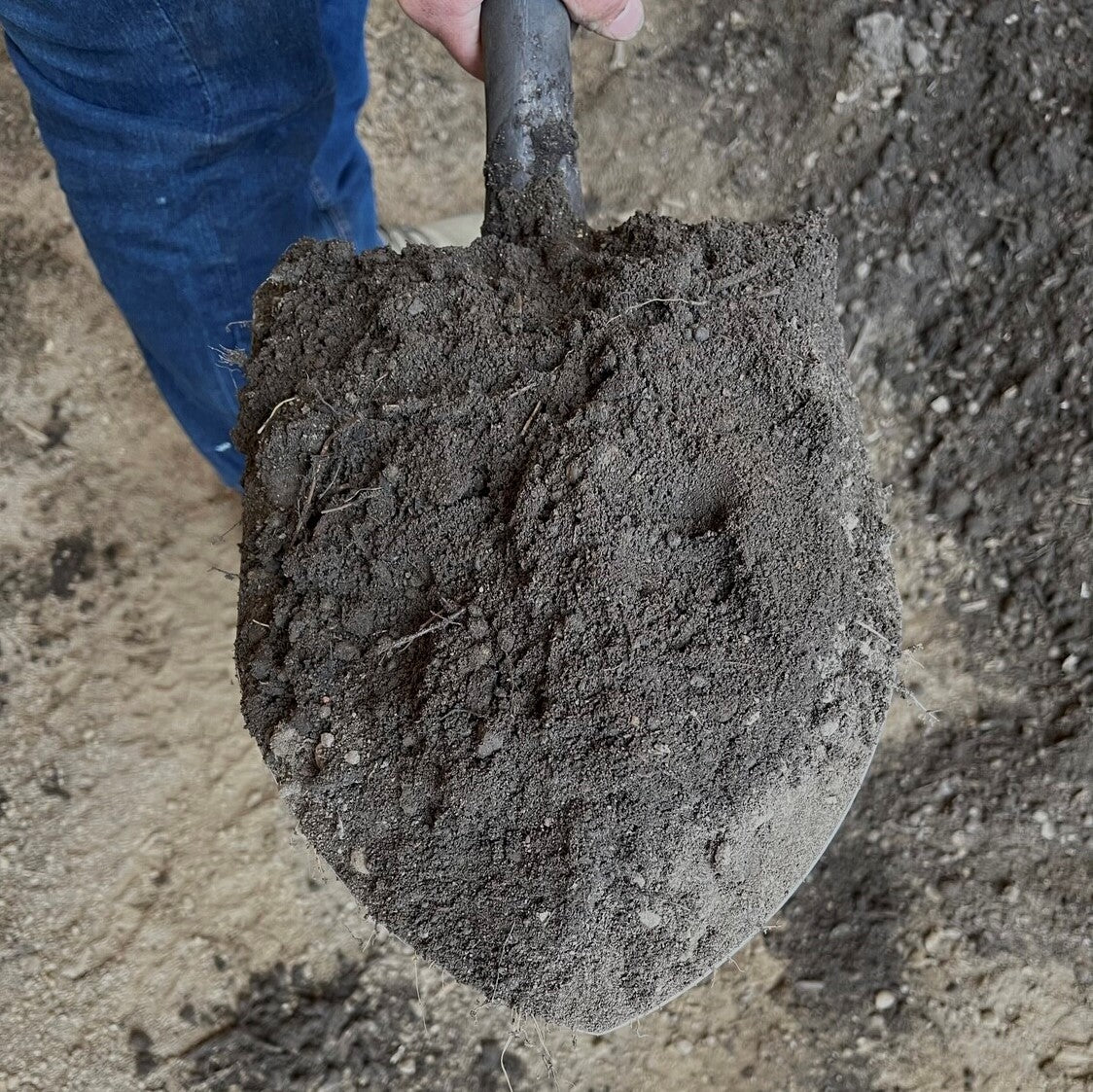
We got 3 yards of the gardening top soil. It was great quality, not many chunks and seems good for growing, just waiting for all my plants to love it.
We had more than enough soil to fill a raised bed we made and landscaped around a patio. I do wish we could do less tha...
Tell us what you're looking for
Thanks! We received your request.
Something went wrong. Please try again.
How Much Material Do I Need?
Plan on two to three inches of topsoil over compacted lots for lawn establishment, and twelve to eighteen inches for raised vegetable beds so roots stay ahead of our short growing season. Grading and low spot repair often needs more than you first estimate.
Use our free soil calculator
What is a Yard?
A yard is approximately 27 cubic feet. As a general guideline, one yard of material can cover an area of about 100-160 square feet at a 2-3 inch depth.
We got 3 yards of the gardening top soil. It was great quality, not many chunks and seems good for growing, just waiting for all my plants to love it.
We had more than enough soil to fill a raised bed we made and landscaped around a patio. I do wish we could do less tha...
How Much Material Do I Need?
Plan on two to three inches of topsoil over compacted lots for lawn establishment, and twelve to eighteen inches for raised vegetable beds so roots stay ahead of our short growing season. Grading and low spot repair often needs more than you first estimate.
Use our free soil calculator
What is a Yard?
A yard is approximately 27 cubic feet. As a general guideline, one yard of material can cover an area of about 100-160 square feet at a 2-3 inch depth.
We got 3 yards of the gardening top soil. It was great quality, not many chunks and seems good for growing, just waiting for all my plants to love ...
Read full review
We got 3 yards of the gardening top soil. It was great quality, not many chunks and seems good for growing, just waiting for all my plants to love it.
We had more than enough soil to fill a raised bed we made and landscaped around a patio. I do wish we could do less than 3 yds delivered but I understand the limitations.
My only concern was we requested it on the top left of our driveway since we had mulch on the other side, they ended up pouring it on top of the mulch (it was covered with a tarp so not ruined) making it difficult to complete our landscaping in a timely fashion.
Figure out your area in square feet, then decide on depth in inches, and remember that one cubic yard covers 324 square feet at one inch deep. For raised beds, multiply length by width by depth in feet and divide by 27. Order about ten percent extra, because fresh soil settles noticeably after Hudson's first few heavy rains.
Complete Your Outdoor Soil Project
Add a yard of compost to work into the top layer, grass seed suited to Hudson's part shade lots, and mulch to protect new plantings once the soil is in place. Straw or an erosion blanket helps on any slope you are seeding.
Frequently Asked Questions
Click a question to see the answer
Answer
Why does my new Hudson lawn have such thin soil?
Most subdivision lots around Hudson were stripped of native topsoil during construction, then given a token three or four inch layer over compacted subsoil. Grass roots hit that hardpan and stop. Adding two to three inches of quality screened topsoil and core aerating first gives roots the depth they need to survive July without constant watering.
Answer
What is the difference between topsoil and garden mix?
Screened topsoil is mineral soil, good for filling, leveling, and patching lawn areas across Hudson. Garden mix blends that topsoil with compost, so it holds nutrients and stays loose. For raised beds and new planting beds in Hudson, the blend performs far better because our native silt loam already supplies the mineral component nearby.
Answer
When can I start soil work in the spring here?
Hold off until the soil crumbles instead of smearing when you squeeze a handful, usually mid to late April in Hudson. Working silt loam while it is saturated destroys structure and creates clods that last all season. Grading and seeding generally go well from late April through May, ahead of summer heat.
Answer
Will new topsoil fix the water that pools near my foundation?
It can, if you build a proper grade. Hudson's 43 inches of annual rain needs somewhere to go, so aim for at least six inches of fall over the first ten feet away from the house. Use screened topsoil rather than compost heavy blends for that work, since compost settles and you will lose your slope within a year.
Answer
How much soil do I need for a raised vegetable bed?
A four by eight foot bed at twelve inches deep takes about one cubic yard. Hudson's short frost free window from May 5 to October 15 rewards deeper beds because they warm earlier in spring, so go twelve to eighteen inches rather than the minimum six if you can.
Answer
Is your topsoil screened, and what is in it?
Yes, our topsoil is screened to remove rock, root, and debris, so it spreads and rakes cleanly. It is regionally sourced material similar in texture to Hudson's native silt loam, which matters because layering a wildly different soil over your existing ground creates a drainage barrier at the seam.
Answer
Can I put topsoil over my existing lawn to level it?
For dips under an inch, yes, top dress lightly and the grass grows through. Anything deeper smothers the turf. On Hudson lawns with significant settling, strip the sod, fill and compact with screened topsoil, then reseed in late August or early September when soil is warm and fall rain does the watering for you.
Mulch Mound Pro Tip
Do not lay new topsoil straight onto compacted subsoil. Scarify or till the existing surface two or three inches deep first so the two layers knit together. Skip that step on a Hudson lot with clay fill and you create a distinct interface where water perches, roots stall, and the new soil stays soggy after every rain. Ten minutes with a rake or a tiller saves years of drainage problems.
Mulch Mound Pro Tip
Late August into mid September is the best window for soil and seed work in Hudson. Soil is still warm from summer, the fall rains have started, and weed pressure has dropped off sharply compared to spring. Seed put down in that window has roughly six weeks before the October 15 first frost, which is enough to establish a root system that comes back strong the following April.
Mulch Mound Pro Tip
Get a soil test before you invest in amendments. Ohio State Extension offers inexpensive testing and Hudson soils frequently come back slightly acidic, in the 5.8 to 6.3 range. Blueberries and rhododendrons love that, but lawns and most vegetables perform better closer to 6.5. Knowing your actual number tells you whether you need lime, and how much, instead of guessing and wasting money.
The Unique Landscape of Hudson
Hudson's native silt loam is genuinely good soil, fertile and moisture retentive, but decades of construction across the township have left many lots with subsoil and fill pushed to the surface instead. Newer neighborhoods often have four inches of thin topsoil over compacted clay, which is why sod struggles and beds settle into low spots after a wet spring. Bringing in quality screened topsoil or a compost blend rebuilds the depth that roots need to get through a zone 6b winter and an August dry spell alike. With 43 inches of rain a year, grading matters just as much as fertility, and the right soil lets you correct low areas that pond against foundations. Hudson's growing season runs roughly from May 5 to October 15, which is a tight window to establish new plantings, so starting with good soil is not optional. At 1066 feet, the ground here also warms slowly in spring, and a loose, well amended soil warms considerably faster than compacted fill.