Mulch Mound delivered a yard of pea gravel to us. Delivery was on time, driver was friendly and hit a bullseye on the “tarp target”. We used the pea gravel (which was diameter as specified) to fill several muskrat holes around our pond. I would definitely recommend Mulch Mo...
Tell us what you're looking for
Thanks! We received your request.
Something went wrong. Please try again.
How Much Material Do I Need?
Plan for 3 inches of mulch depth as your standard application across flower beds, shrub borders, and tree rings in Idaho Falls, which provides meaningful moisture retention and thermal insulation without smothering plant crowns. Pathways and utility areas where weed suppression is the main goal can go up to 4 inches.
Use our free mulch calculator
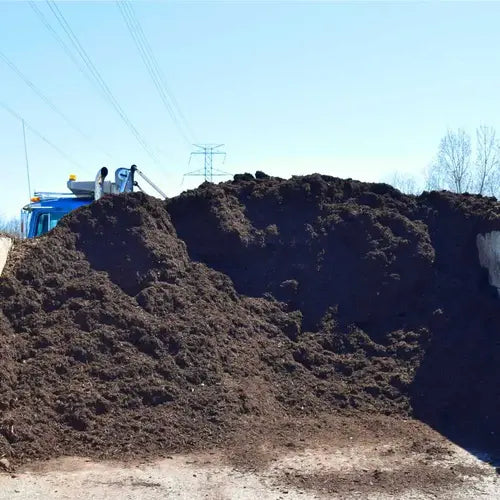
What is a yard?
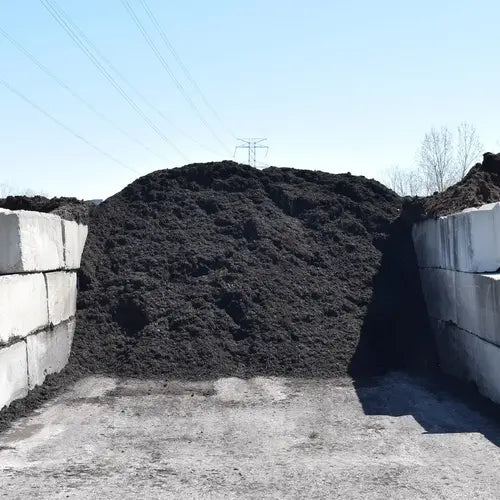
A yard is approximately 27 cubic feet. As a general guideline, one yard of material can cover an area of about 100-160 square feet at a 2-3 inch depth.
Mulch Mound delivered a yard of pea gravel to us. Delivery was on time, driver was friendly and hit a bullseye on the “tarp target”. We used the pea gravel (which was diameter as specified) to fill several muskrat holes around our pond. I would definitely recommend Mulch Mo...
How Much Material Do I Need?
Plan for 3 inches of mulch depth as your standard application across flower beds, shrub borders, and tree rings in Idaho Falls, which provides meaningful moisture retention and thermal insulation without smothering plant crowns. Pathways and utility areas where weed suppression is the main goal can go up to 4 inches.
Use our free mulch calculator
What is a yard?
A yard is approximately 27 cubic feet. As a general guideline, one yard of material can cover an area of about 100-160 square feet at a 2-3 inch depth.
Mulch Mound delivered a yard of pea gravel to us. Delivery was on time, driver was friendly and hit a bullseye on the “tarp target”. We used the ...
Read full review
Mulch Mound delivered a yard of pea gravel to us. Delivery was on time, driver was friendly and hit a bullseye on the “tarp target”. We used the pea gravel (which was diameter as specified) to fill several muskrat holes around our pond. I would definitely recommend Mulch Mound to a friend!
I can’t say enough good things about Mulch Mound! If you read my review below you will see I had a problem with my order. Mulch Mou...
Read full review
UPDATE!
I can’t say enough good things about Mulch Mound! If you read my review below you will see I had a problem with my order. Mulch Mound was quick to respond and solved the issue with my delivery. Will definitely be a customer next year.
First time purchase from Mulch Mound!! First what I liked! Easy to order online and straight forward pricing and delivery. The driver was on time and courteous and delivered my Mulch exactly where I requested! The product is of good quality and comparable to others I have purchased from before. Now what I DID’NT LIKE! I have been mulching the same house and yard for almost 20 years. I always order the same amount and don’t have any issues with covering the same area but this year I fell about a yard short. I was home when the mulch was delivered and when the driver dumped it I noticed that it seemed a bit less than I was used to. I didn’t apply it any thicker than usual and probably a bit thinner than usual because I was worried about running out.
Measure the length and width of each bed in feet and multiply to get the square footage, then add up all your bed areas before calculating how many cubic yards to order. For a 3 inch application depth, divide your total square feet by 108 to get the cubic yards needed. Ordering in bulk for the full property at once saves on delivery costs and ensures consistent coverage across all your Idaho Falls landscape areas.
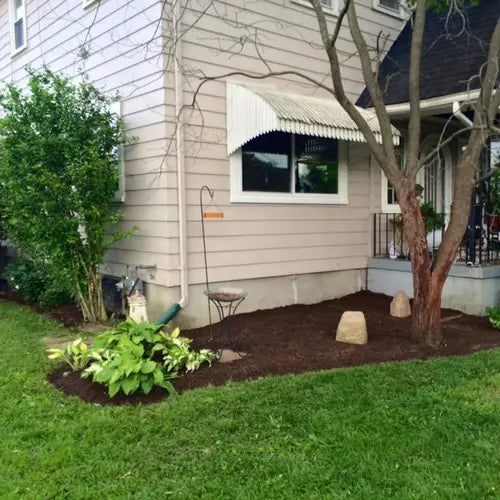
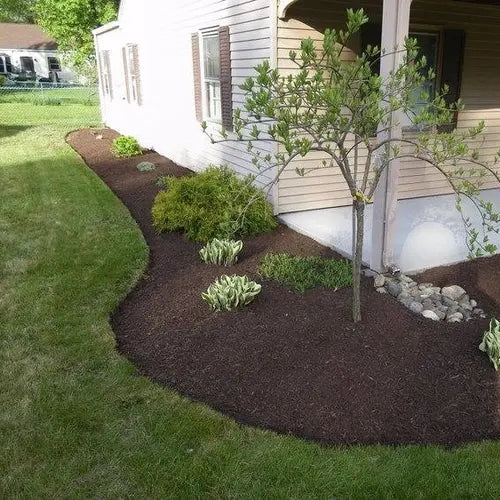
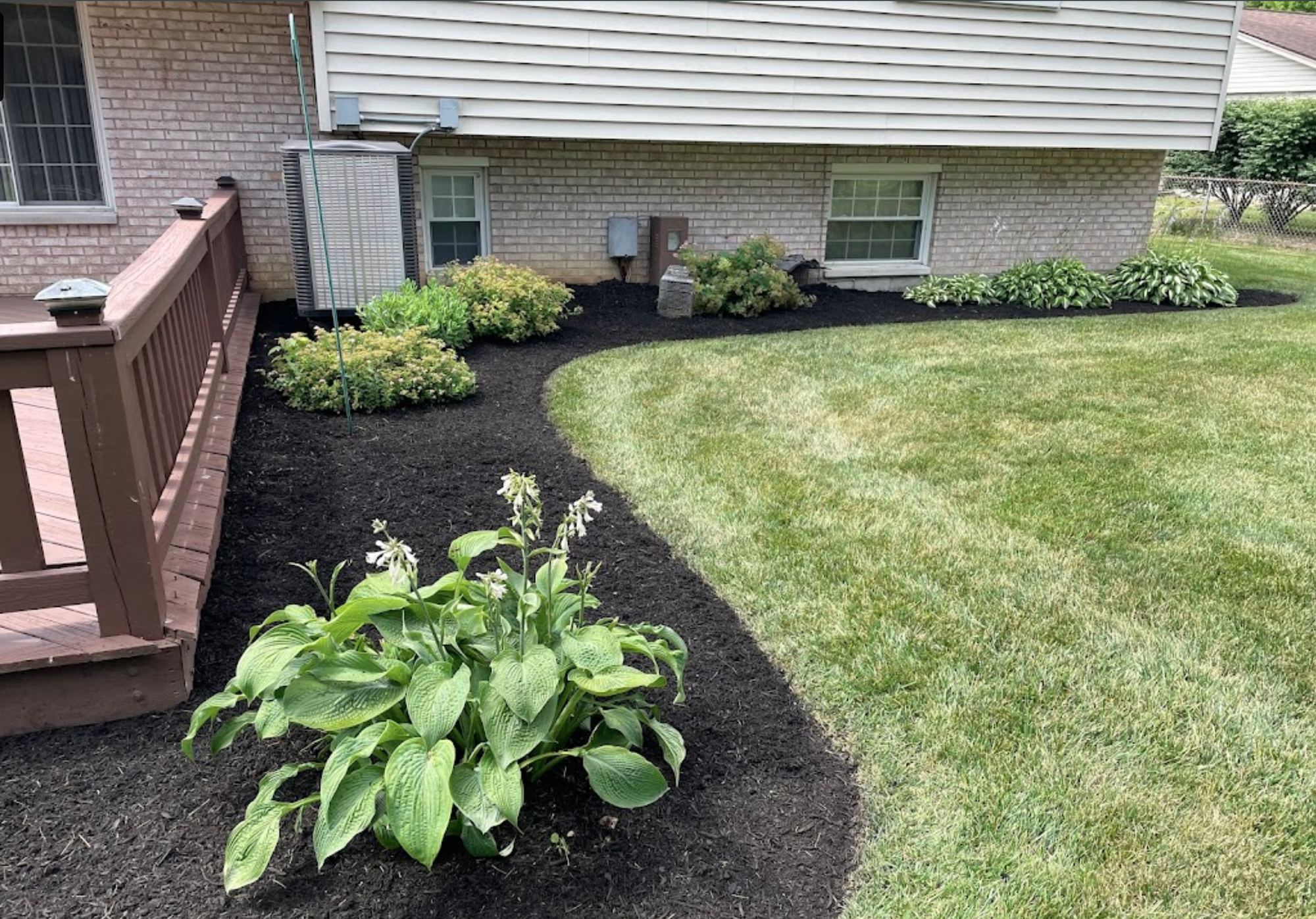
Mulch vs. No Mulch: The Difference
Idaho Falls sits at high elevation with dry summers and cold winters that break down organic mulch at a moderate but steady pace, meaning your investment keeps working season after season rather than disappearing in a single wet year. The combination of intense UV radiation at 4,705 feet and the dry climate means mulch surfaces weather and gray fairly quickly on top while the lower layers decompose slowly and feed soil biology. Understanding this breakdown pattern helps you plan your annual top dressing schedule so beds never lose their protective depth.
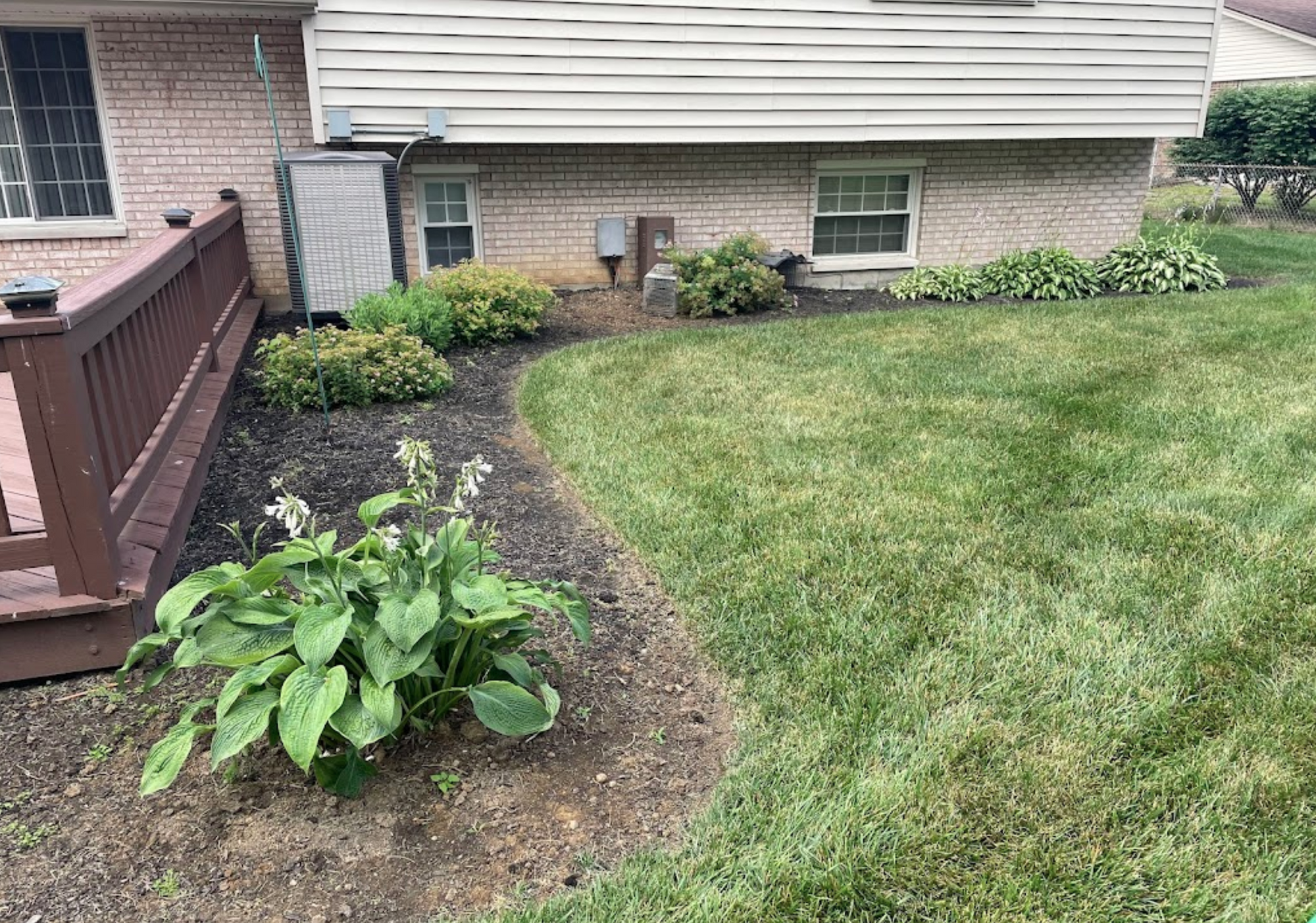
Before
After
Best Mulch Choice for Idaho Falls Lawns
Most yards in the Idaho Falls area sit on type of soil. Idaho Falls silt loam soil has a tendency to compact and form a surface crust during the long dry periods between rain events, which makes it difficult for water and air to reach plant roots even when irrigation is running. Placing a consistent mulch layer over silt loam beds disrupts this crusting cycle and keeps the soil surface open and biologically active.
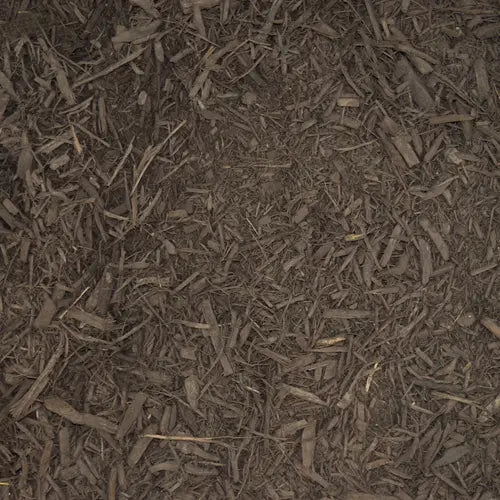
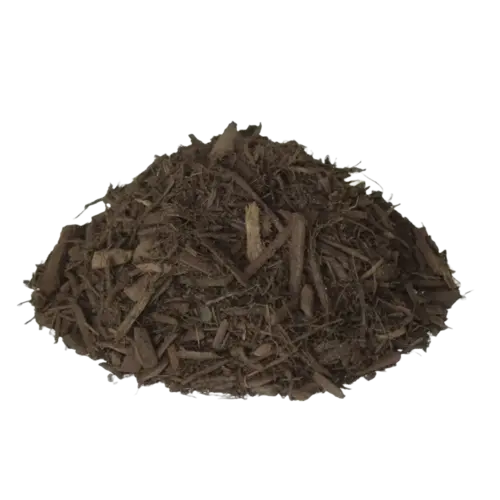
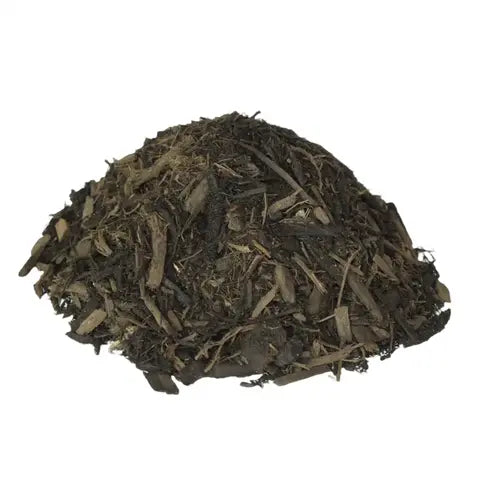
Hardwood Mulch
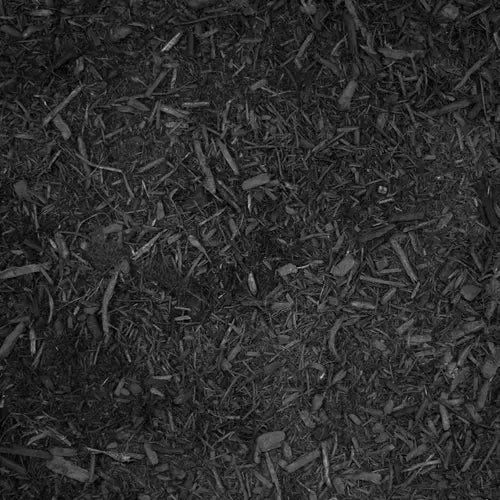
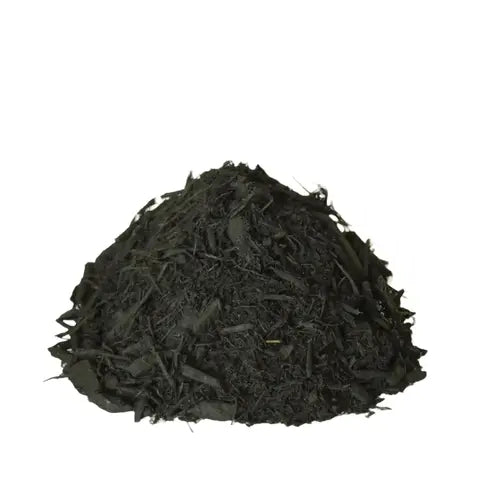
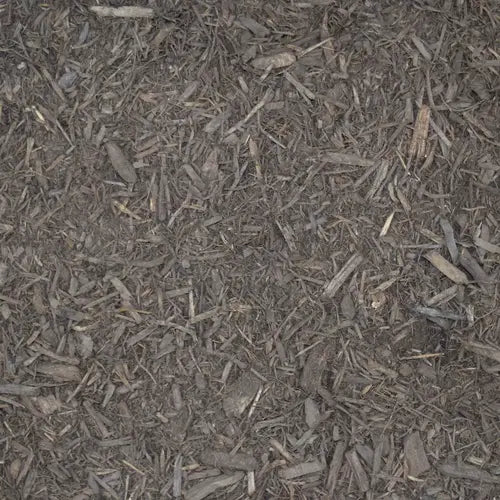
Hardwood mulch is particularly beneficial for Idaho Falls silt loam because as it slowly decomposes it contributes organic matter that binds with silt particles and improves overall soil structure. Over two to three seasons of annual mulch applications, gardeners typically notice their bed soil becoming more friable, better draining, and more resistant to the compaction and crusting that makes plain silt loam so challenging to work with in this climate.
Complete Your Outdoor Mulch Project
Pair your mulch order with a delivery of amended topsoil to refresh tired bed soil before you mulch over it, giving your plants improved nutrition and drainage from the root zone up. Adding a border of decorative stone around your mulched beds also keeps material in place during the wind events common along the Snake River Plain.
Idaho Falls gardeners deal with late frosts well into May, so resist the urge to pull back winter mulch too early in spring. Leave your protective layer in place until after May 8 and then gradually rake it back from plant crowns rather than removing it all at once. This protects emerging perennials from a surprise late freeze while still letting the soil warm up for the growing season ahead.
Mulch Mound Pro Tip
Because Idaho Falls receives so little natural rainfall, timing your mulch application to coincide with a deep irrigation cycle gets you the best results. Water your beds thoroughly before spreading mulch so you are locking moisture into the soil rather than sealing dry ground under the new layer. This one step can meaningfully reduce how often you need to irrigate through July and August.
Mulch Mound Pro Tip
The intense high altitude sun in Idaho Falls will fade and bleach decorative colored mulch faster than you would experience at lower elevations. If color is important to your curb appeal, choose a naturally dark hardwood mulch that ages gracefully to a silver gray, or plan to refresh the top inch of a dyed product each spring. Naturally composting hardwood also adds more long term benefit to your silt loam soil than dyed wood products.
Frequently Asked Questions
Click a question to see the answer
Answer
How thick should I apply mulch in Idaho Falls given how dry it gets here in summer?
With only 11 inches of annual rainfall and hot dry winds off the Snake River Plain, applying mulch at a depth of 3 to 4 inches is the sweet spot for most Idaho Falls landscapes. That depth retains soil moisture effectively between irrigation cycles without staying so wet that it promotes crown rot in perennials. Keep mulch pulled back about 2 inches from plant stems to allow air circulation.
Answer
Will mulch help protect my plants from those early October frosts we get here?
Absolutely. Idaho Falls averages a first frost around October 5, which can catch gardeners off guard after a warm September. A fresh 3 to 4 inch layer of hardwood mulch applied in late September acts as insulation for root zones, slowing the soil temperature drop and giving perennials and bulbs a buffer against sudden freezes. It will not prevent frost damage on exposed foliage, but it protects what is underground where your plants need it most.
Answer
My soil here in Idaho Falls gets really hard and crusty between waterings. Will mulch actually help with that?
Yes, this is one of the most practical reasons to mulch in Idaho Falls. The local silt loam soil tends to seal over into a hard crust when it dries out, which blocks water from soaking in and forces your irrigation to run off rather than penetrate. A consistent mulch layer prevents direct sun and wind from drying the soil surface, keeps it loose and workable, and as the mulch breaks down over time it adds organic matter that improves the soil structure from the top down.
Answer
How often do I need to replenish mulch at this elevation and climate?
At 4,705 feet elevation Idaho Falls has intense UV exposure and a short but warm growing season that accelerates mulch breakdown compared to lower elevation cities. Most homeowners find they need to top up their mulch beds every one to two years, with hardwood mulch lasting closer to two years and finer shredded materials breaking down faster. An annual inspection in late April, after your last frost risk passes around May 8, is a good habit to check depth and add a fresh inch or two where needed.
Answer
Is there a type of mulch that works better around the ornamental trees and shrubs common in Idaho Falls yards?
Coarser shredded hardwood or wood chip mulch works very well around ornamental trees and larger shrubs because it stays in place better during the wind events common on the Snake River Plain and does not compact as quickly as fine materials. Apply it in a wide ring extending to the drip line of the tree, keeping it away from the trunk itself. This mimics the natural forest floor conditions that tree roots prefer and helps offset the compaction tendencies of local silt loam soil.
Answer
Can I use mulch to help establish new sod or a lawn area in Idaho Falls?
Mulch is not typically used directly over sod, but it is excellent for bordering new lawn areas and protecting adjacent plant beds while your grass establishes. For new seeded areas, a light straw or fine compost top dressing works better than bulk wood mulch. The real benefit of mulching your beds during lawn establishment is that it reduces irrigation competition from weeds and keeps moisture in the soil during the dry stretch between Idaho Falls spring rains.
Answer
Does mulch attract voles or other rodents that are a problem in this area?
Voles are a genuine concern for Idaho Falls homeowners, especially in neighborhoods near open fields and the Greenbelt areas. Deep mulch piled against tree trunks or shrub crowns can create shelter for voles through winter. The solution is straightforward: keep mulch at least 3 to 4 inches away from woody stems and trunks, maintain a depth no greater than 4 inches overall, and pull the mulch back briefly in late fall to check for any tunneling activity near crowns before the ground freezes.
The Unique Landscape of Idaho Falls
Idaho Falls sits at 4,705 feet elevation with a growing season squeezed between a May 8 last frost and an October 5 first frost, giving your landscape beds just under five months to thrive. With only 11 inches of rainfall each year, moisture retention is not a luxury but a necessity for any plant trying to survive the dry Snake River Plain summers. The native silt loam soil in Idaho Falls drains quickly when dry and compacts into a hard crust under foot traffic and irrigation, making a protective mulch layer critical for keeping roots insulated and the soil surface workable. Harsh winter temperature swings in Zone 6b can heave shallow roots and expose crowns without adequate organic mulch buffering the freeze and thaw cycles. A properly applied mulch layer acts as a thermal blanket through October frosts and a moisture reservoir through July heat, two conditions Idaho Falls gardeners deal with every single season.