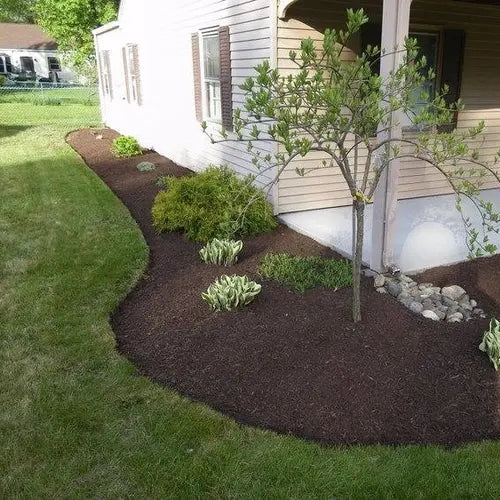
They offered a quick turnaround and delivered high quality mulch at a reasonable price. They also dropped it off exactly where I told them to put it. Good service!
Tell us what you're looking for
Thanks! We received your request.
Something went wrong. Please try again.
How Much Material Do I Need?
Three inches is the sweet spot for beds in sandy loam, deep enough to slow evaporation without smothering shallow roots. One cubic yard covers roughly 108 square feet at that depth.
Use our free mulch calculator
What is a yard?
A yard is approximately 27 cubic feet. As a general guideline, one yard of material can cover an area of about 100-160 square feet at a 2-3 inch depth.
They offered a quick turnaround and delivered high quality mulch at a reasonable price. They also dropped it off exactly where I told them to put it. Good service!
How Much Material Do I Need?
Three inches is the sweet spot for beds in sandy loam, deep enough to slow evaporation without smothering shallow roots. One cubic yard covers roughly 108 square feet at that depth.
Use our free mulch calculator
What is a yard?
A yard is approximately 27 cubic feet. As a general guideline, one yard of material can cover an area of about 100-160 square feet at a 2-3 inch depth.
They offered a quick turnaround and delivered high quality mulch at a reasonable price. They also dropped it off exactly where I told them to put i...
Read full review
They offered a quick turnaround and delivered high quality mulch at a reasonable price. They also dropped it off exactly where I told them to put it. Good service!
Great experience! Easy to order, they delivered promptly and were very respectful of the property! Ordered the triple shredded brown mulch and it w...
Read full review
Great experience! Easy to order, they delivered promptly and were very respectful of the property! Ordered the triple shredded brown mulch and it was EXACTLY what I wanted. Very clean product too, no garbage or filler. Already put these guys in my calendar to order from next year! Keep up the good work.
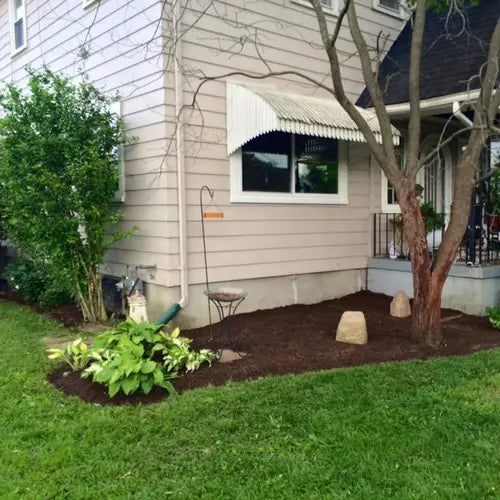
Measure each bed separately, length times width in feet, and add the totals rather than guessing at the whole yard. Curved beds around a Lexington Park foundation are easier to handle if you break them into rectangles and half circles. Enter the square footage and your target depth and the calculator returns cubic yards.
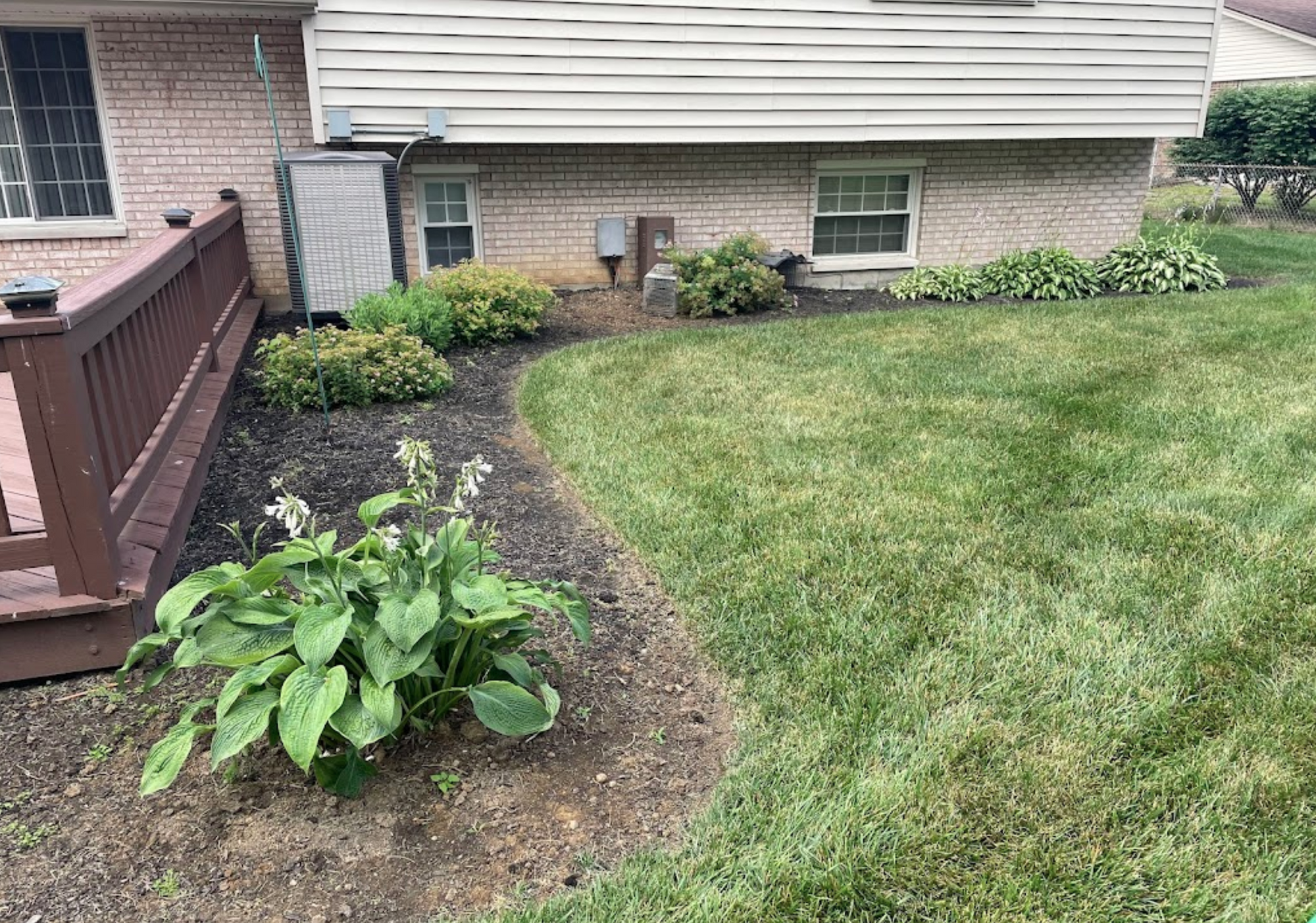
Mulch vs. No Mulch: The Difference
Lexington Park's warm Zone 8a summers, 43 inches of rain, and near constant humidity off the Patuxent make this one of the faster mulch breakdown environments in Maryland. Organic mulches feed the soil as they decompose, which sandy loam badly needs, but they demand annual attention. Non organic options like stone hold their shape indefinitely and shrug off heavy rain, though they add nothing back to the ground.
Before
After
Best Mulch Choice for Lexington Park Lawns
Most yards in the Lexington Park area sit on type of soil. Sandy loam in Lexington Park drains so freely that nutrients and moisture slip below the root zone within a day of a good rain, leaving shrubs stressed even in a wet summer. Beds built on this soil need a covering that slows that flow.
Hardwood Mulch
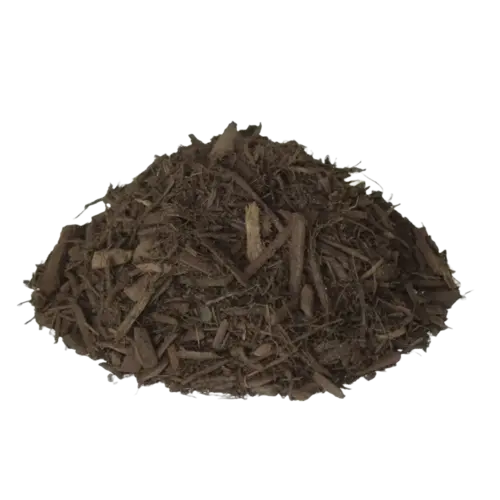
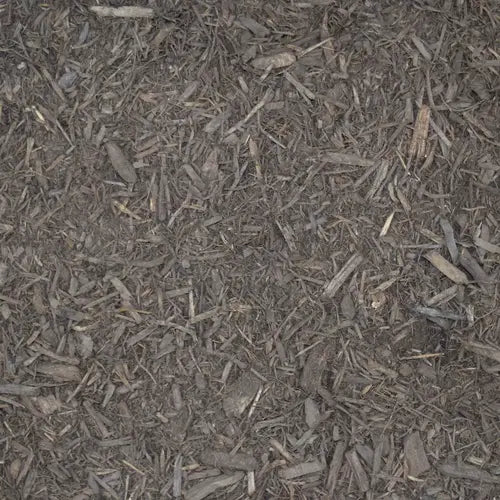
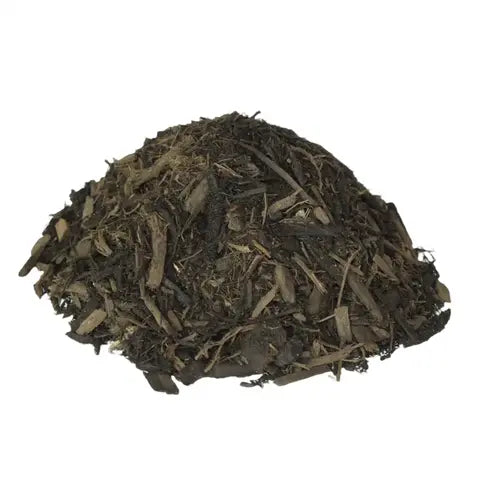
Double shredded hardwood knits together into a mat that resists washout during summer downpours, and as it breaks down it feeds humus directly into the sandy loam, gradually building the moisture holding structure the soil lacks on its own.
Complete Your Outdoor Mulch Project
Pair your mulch with a few yards of compost or garden soil worked in first, and add crushed stone for the walkways and drip lines where mulch tends to wash out. Steel or poly edging keeps everything in place through heavy rain.
Service area
Areas we deliver mulch in Lexington Park, Maryland
Rake and fluff last year's mulch before adding new material. Sandy loam beds in Lexington Park often develop a matted crust on top after a season of hard rain, and that crust actually sheds water rather than absorbing it. Break it up with a hard rake, then add just an inch of fresh mulch. You get the same look for a third of the material and your plants get water that actually reaches the roots.
Mulch Mound Pro Tip
Pull mulch back from trunks and stems before you spread. Volcano mulching around crape myrtles and river birches is common in local neighborhoods and it slowly rots the bark at the collar. Leave a three inch gap of bare soil around every trunk. In our humid summers that small air gap prevents the constant moisture contact that invites bark decay and boring insects.
Mulch Mound Pro Tip
Water your beds thoroughly before mulching, not after. Dry sandy loam repels water at first contact, and a fresh mulch layer on top of dry soil can keep it dry for weeks. Soak the beds the evening before, spread in the morning while soil is still damp, and the mulch locks that moisture in right where the roots are working.
Frequently Asked Questions
Click a question to see the answer
Answer
How fast does mulch break down in Lexington Park's humidity?
Faster than most people expect. With 43 inches of rain, warm Zone 8a nights, and the humidity that hangs over southern Maryland from June through September, shredded hardwood decomposes noticeably within a single season. Plan on topping off about an inch each spring and replacing the full layer every two to three years.
Answer
When is the best time to mulch here?
Mid to late April, just after the April 5 last frost date, once soil has warmed enough that you are not trapping cold in the root zone. A second lighter application in early October, ahead of the November 5 first frost, protects perennials through the mild winter swings that are common at our 115 foot elevation.
Answer
Will mulch help my sandy loam hold water?
Yes, and that is its biggest benefit here. Sandy loam sheds water quickly, so a three inch mulch layer cuts surface evaporation dramatically and buys your shrubs an extra day or two between waterings during a dry August stretch. Over several seasons the decomposing bottom layer also adds organic matter that improves the soil's own holding capacity.
Answer
Does mulch attract termites in southern Maryland?
Termites are present throughout St. Mary's County, but mulch is not what draws them. The real risk is piling mulch directly against siding or wood trim. Keep the layer six inches back from your foundation and no deeper than three inches near the house, and you avoid the problem entirely.
Answer
How much mulch does a typical Lexington Park front bed take?
Most foundation beds around here run 150 to 300 square feet. At a three inch depth that is roughly 1.5 to 3 cubic yards. Measure length times width for each bed, add them together, and use our calculator to convert to yards.
Answer
Will dyed mulch fade quickly with our sun and rain?
Quality dyed mulch holds color through most of a season, but the combination of long summer daylight and frequent heavy downpours will soften the tone by late August. Natural hardwood weathers to a gray brown instead, which many homeowners near the water prefer because it stays consistent.
Answer
Can I mulch over the weeds already in my beds?
You can smother annual weeds under three inches of mulch, but nutsedge and Bermuda grass, both common in local sandy loam, will push right through. Pull those out first or lay cardboard underneath, then mulch on top for a much cleaner bed come July.
The Unique Landscape of Lexington Park
Lexington Park sits on the St. Mary's peninsula where sandy loam drains fast and 43 inches of annual rain moves straight through the root zone instead of lingering where plants can use it. Mulch is the correction for that, holding moisture in the top few inches of soil during the humid, sticky stretch from late June through August when afternoon storms roll off the Patuxent and then evaporate within hours. A steady mulch layer also buffers beds against the salt air and steady wind that come with living this close to the river and the Bay. Because the growing window here runs long, from an April 5 last frost to a November 5 first frost, weed pressure lasts seven months and bare sandy loam invites crabgrass and nutsedge all season. In Zone 8a the ground rarely stays frozen, so mulch works year round rather than as a winter blanket only. Homeowners in Great Mills, California, and the neighborhoods around Pax River all see the same pattern, beds that dry out and wash thin without a maintained mulch layer.