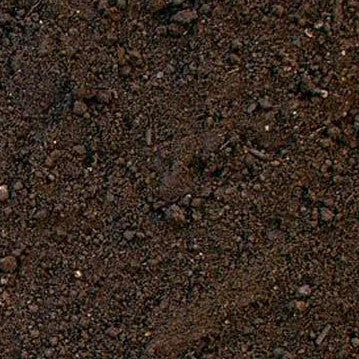
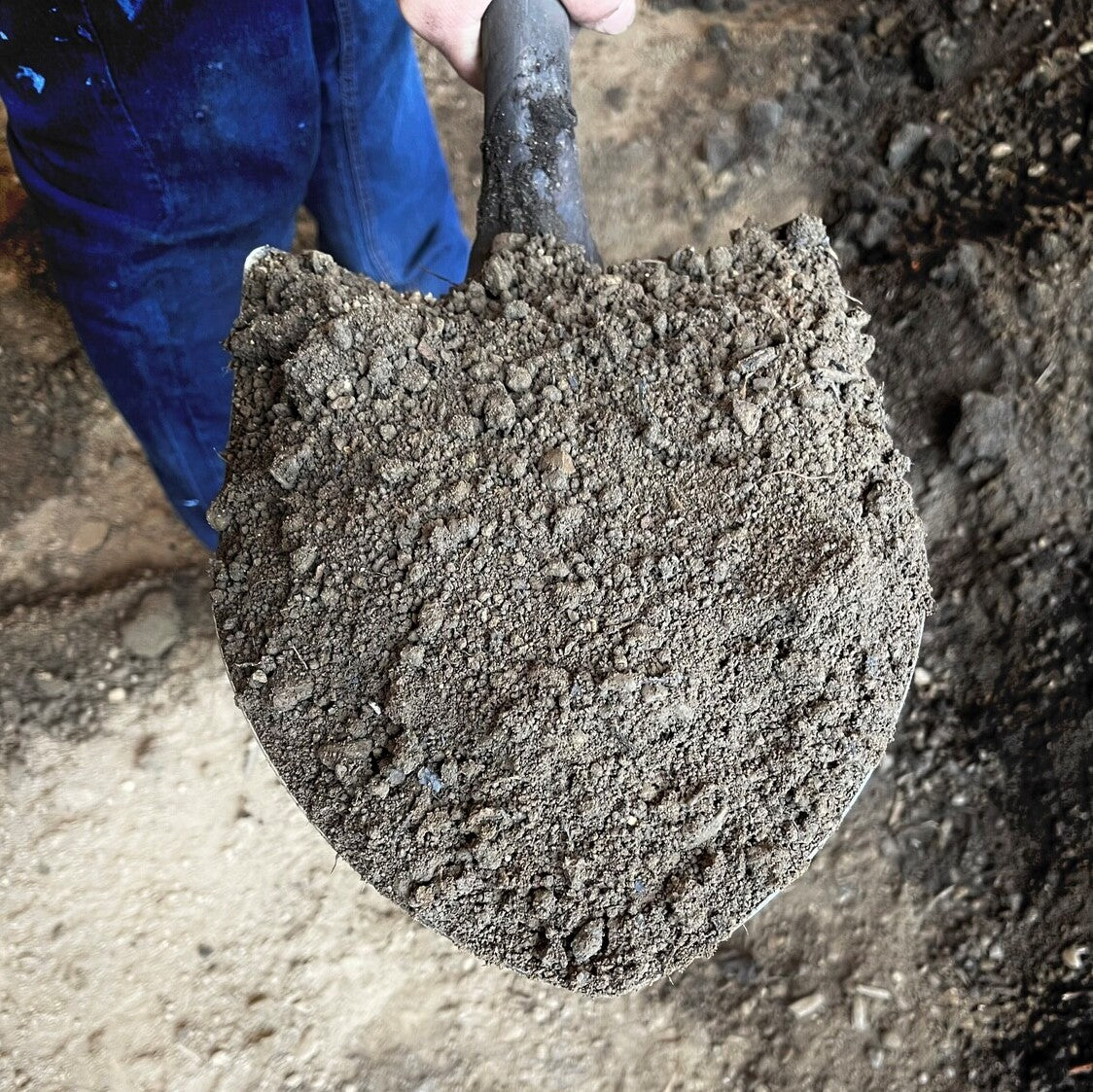
I got 3 yards of dirt to create a garden bed on the side of my house and to help fill my new raised garden beds. We had enough dirt to do all of this and fill some holes in the yard! Thanks 😃
Tell us what you're looking for
Thanks! We received your request.
Something went wrong. Please try again.
How Much Material Do I Need?
Amending existing beds usually takes two to three inches worked into the top six, while filling a new raised bed means calculating the full box depth. One cubic yard covers about 160 square feet at two inches.
Use our free soil calculator
What is a Yard?
A yard is approximately 27 cubic feet. As a general guideline, one yard of material can cover an area of about 100-160 square feet at a 2-3 inch depth.
I got 3 yards of dirt to create a garden bed on the side of my house and to help fill my new raised garden beds. We had enough dirt to do all of this and fill some holes in the yard! Thanks 😃
How Much Material Do I Need?
Amending existing beds usually takes two to three inches worked into the top six, while filling a new raised bed means calculating the full box depth. One cubic yard covers about 160 square feet at two inches.
Use our free soil calculator
What is a Yard?
A yard is approximately 27 cubic feet. As a general guideline, one yard of material can cover an area of about 100-160 square feet at a 2-3 inch depth.
I got 3 yards of dirt to create a garden bed on the side of my house and to help fill my new raised garden beds. We had enough dirt to do all of th...
Read full review
I got 3 yards of dirt to create a garden bed on the side of my house and to help fill my new raised garden beds. We had enough dirt to do all of this and fill some holes in the yard! Thanks 😃
Measure the length and width of the area in feet, then decide how deep you actually need to go, since soil is priced by volume and a few extra inches adds up fast. For raised beds, use the inside dimensions rather than the outside frame. Enter the numbers and the calculator converts to cubic yards.
Complete Your Outdoor Soil Project
Finish amended beds with a layer of hardwood mulch to keep the new soil from drying out or crusting, and add crushed stone under any adjacent walkway so foot traffic does not compact your fresh work.
Do I really need topsoil if my yard is already sandy loam?
Sandy loam is a good base, but around Lexington Park it typically carries under two percent organic matter. Blending two to three inches of compost enriched topsoil into the top six inches gives you the water and nutrient holding capacity the native soil is missing, which is the difference between a lawn that stays green in August and one that goes dormant.
Answer
What soil should I use for a raised vegetable bed here?
A garden blend of screened topsoil and compost, roughly two parts to one. With our long Zone 8a season you can run spring greens, a full summer crop, and a fall planting from the same bed, so it needs the nutrient reserve. Straight native sandy loam will drain too fast to keep tomatoes happy in July.
Answer
When can I start soil work in the spring?
Usually mid March. Our sandy loam drains and warms early, and with a last frost around April 5 you have several weeks to grade, amend, and let beds settle before planting. Just avoid working soil the day after a heavy rain, since even sandy loam compacts when saturated.
Answer
How much soil do I need to level low spots in my lawn?
For shallow dips, apply no more than a half inch of screened topsoil at a time so you do not smother the grass. A 1,000 square foot area takes about 1.5 cubic yards per half inch. Deeper holes should be filled in stages across a season.
Answer
Is my soil acidic here in southern Maryland?
Most sandy loam in St. Mary's County runs mildly acidic, often in the 5.5 to 6.2 range, partly because 43 inches of rain a year leaches calcium out. A soil test through the county extension office is worth the small fee, and lime plus organic matter usually brings it into a good range for turf and vegetables.
Answer
Will topsoil wash away on my sloped yard?
It can, especially with the intense summer downpours we get. On any slope, spread soil and seed or plant immediately, then cover with straw or an erosion blanket. On steeper grades near the water, terracing or a stone base under the soil holds it far better than soil alone.
Answer
How late in the fall can I put down soil and seed?
Early to mid October is the last comfortable window. That gives new fescue roughly four weeks of root growth before the November 5 first frost, and our mild Zone 8a winters let it keep developing on warm days. Later than that and you are better off waiting for a dormant seeding in February.
Mulch Mound Pro Tip
Do not just dump topsoil on top of your existing lawn or bed. In Lexington Park's sandy loam, layering fine screened soil over coarser native ground creates a texture break that water perches on instead of moving through. Till or rake the new soil into the top few inches of the existing ground. That blended transition zone is where roots actually want to grow and it prevents the shallow rooting that kills turf in August.
Mulch Mound Pro Tip
Get a soil test before you order. The St. Mary's County extension office processes samples cheaply and the results tell you whether you need lime, more organic matter, or simply nitrogen. Our high rainfall constantly leaches nutrients out of sandy loam, so guessing usually means buying the wrong thing. A test in February gives you results in time for a March or April soil delivery.
Mulch Mound Pro Tip
Add compost every single year, not just once. The combination of warm Zone 8a soil temperatures and heavy rainfall burns through organic matter in local ground faster than in northern Maryland. A half inch top dressing of compost each spring on lawns and beds keeps organic content climbing instead of resetting to zero. Most homeowners see visible drought resistance improvement by the third season.
The Unique Landscape of Lexington Park
The native sandy loam around Lexington Park drains beautifully, which is why the peninsula rarely floods in beds, but it also means organic matter burns off fast in our long warm season. Most yards here test low in organic content, so lawns yellow in August and vegetable beds run out of steam by midsummer even with regular watering. Bringing in screened topsoil or compost blends is how local gardeners build a root zone that actually holds water and nutrients through a 43 inch rainfall year that arrives in heavy bursts rather than steady soaking. New construction throughout the Pax River corridor makes this worse, since builder grade fill is often stripped subsoil with almost no life in it. With a growing season stretching from April 5 to November 5, there is plenty of time for amended soil to pay off in two or three cuttings of growth. Good soil is also the cheapest insurance against the summer drought spells that follow our wet springs.