First time going with this company for mulch and it was an efficient process from start to finish. Website was easy—I told them exactly where I wanted the mulch put on my driveway, and it was delivered perfectly when I got home from work the next day. Best deal around when I c...
Tell us what you're looking for
Thanks! We received your request.
Something went wrong. Please try again.
How Much Sand Do I Need?
At a 1 inch depth, one cubic yard covers roughly 324 square feet, so a typical paver joint job or small mortar batch rarely needs more than a partial yard. For pool base work or thicker beds up to 2 inches, cut that coverage roughly in half per yard. Measure your square footage first, then decide on depth based on whether you are filling joints or building a base layer. Use our free sand calculator
What is a Yard?
A yard is approximately 27 cubic feet. As a general guideline, one yard of material can cover an area of about 100-160 square feet at a 2-3 inch depth.
First time going with this company for mulch and it was an efficient process from start to finish. Website was easy—I told them exactly where I wanted the mulch put on my driveway, and it was delivered perfectly when I got home from work the next day. Best deal around when I c...
How Much Sand Do I Need?
At a 1 inch depth, one cubic yard covers roughly 324 square feet, so a typical paver joint job or small mortar batch rarely needs more than a partial yard. For pool base work or thicker beds up to 2 inches, cut that coverage roughly in half per yard. Measure your square footage first, then decide on depth based on whether you are filling joints or building a base layer. Use our free sand calculator
What is a Yard?
A yard is approximately 27 cubic feet. As a general guideline, one yard of material can cover an area of about 100-160 square feet at a 2-3 inch depth.
First time going with this company for mulch and it was an efficient process from start to finish. Website was easy—I told them exactly where I wan...
Read full review
First time going with this company for mulch and it was an efficient process from start to finish. Website was easy—I told them exactly where I wanted the mulch put on my driveway, and it was delivered perfectly when I got home from work the next day. Best deal around when I compared it to competitors and I will definitely be becoming back.
Wonderful experience! They put the mulch exactly where we wanted. This mulch spread very easily and didn’t have the usual “mulch smell.” We will de...
Read full review
Wonderful experience! They put the mulch exactly where we wanted. This mulch spread very easily and didn’t have the usual “mulch smell.” We will definitely use again!
Most jobs using this sand also need pavers or natural stone, plus edging to hold the layout in place once joints are filled. If you are doing a pool base, a layer of crushed stone underneath for drainage is common before the sand goes down. Polymeric joint sand or additional bedding material often gets ordered alongside it for the same delivery.
For mortar mixing near the coast, keep your sand covered before use if rain is in the forecast. Mastic Beach's low elevation and shoreline humidity mean sand left uncovered picks up moisture fast, which throws off your water to sand ratio in the mix and weakens the bond. A simple tarp staked down at the corners keeps the pile workable for days instead of hours.
Mulch Mound Pro Tip
A common mistake on paver projects here is using this mason sand as the bedding layer under the pavers themselves. It is too fine for that job and can migrate or wash out over time, especially given the sandy, well draining soil already under most Mastic Beach lots. Save this sand for joints and mortar, and use a coarser bedding or chip stone for the base layer beneath the pavers.
Mulch Mound Pro Tip
If you are ordering for both mortar work and paver joints on the same job, it is worth combining them into one delivery rather than two smaller orders. One cubic yard goes further than most people expect for joint filling, so measure carefully before doubling up, overordering sand you do not need just adds cost with no benefit to the finished project.
Working With Sand in Mastic Beach
With Mastic Beach's naturally sandy soil and low elevation near the shoreline, water moves through the ground fast, which is good for drainage but means loose native sand should never be mistaken for a proper bedding material. Masons here rely on this washed sand for mortar because it is finer and more consistent than concrete sand, which is what keeps the mix workable in the field. It also shows up under pool decks and in paver joints around William Floyd Estate area properties, where a level, stable base matters more than looks. In this zone 7a climate, most of this work happens outside the coldest months, so timing matters as much as material.
Masonry vs Fill Sand
Masonry sand is washed and finely screened, the right choice for mortar work, paver joints, and sandboxes. Fill sand is coarser and less processed, better suited to leveling, bedding pipe, and filling low spots.
Bedding and Leveling
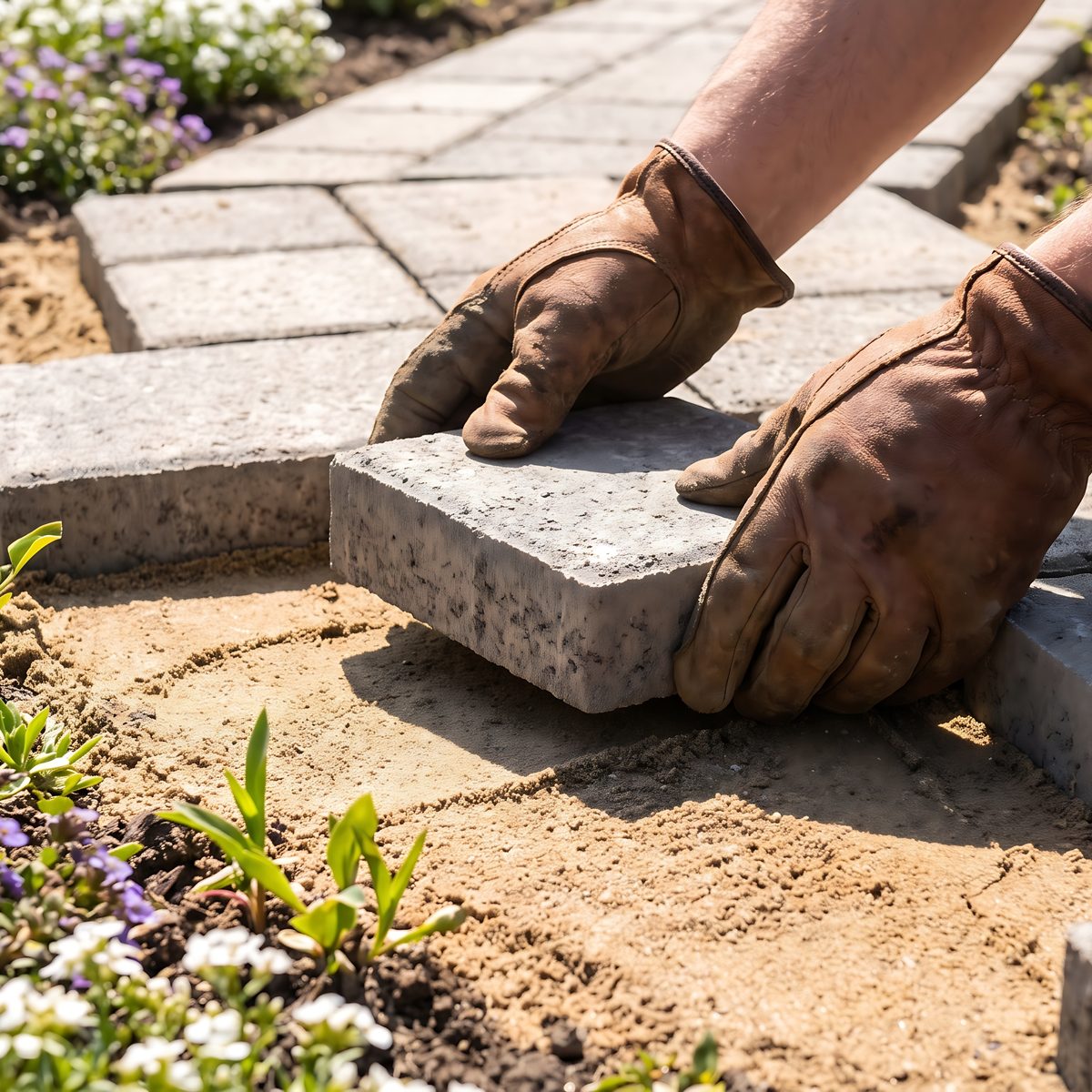
For pavers, screed a 1 inch sand bed over a compacted base rather than using sand to fix deep grade problems. A thin, even bed locks pavers in place. A thick one shifts underfoot.
Working With Moisture
Slightly damp sand spreads, screeds, and compacts far more easily than bone dry sand, which just flows back into your screed lines. Lightly wetting the pile before you work it saves real effort.
Frequently Asked Questions
Click a question to see the answer
Answer
Is this the same as the sand naturally found in Mastic Beach yards?
No. Mastic Beach sits on naturally sandy soil, but that native material is not washed, screened, or graded for construction use. This product is finely screened and uniform, which is what makes it suitable for mortar and paver joints, unlike the loose sand you would dig up in a yard here.
Answer
How much sand do I need for a small paver patio's joints?
For joint filling only, coverage is much higher than a full bedding layer, often a fraction of a cubic yard for a typical patio. For reference, one cubic yard covers about 324 square feet at a 1 inch depth, so measure your patio's total joint area rather than the whole patio footprint.
Answer
When is the best time of year to do sand and paver work in Mastic Beach?
Spring through fall is the active window here, once the ground is past the last frost around April 7 and before the first frost near November 10. Working within that window keeps mortar curing conditions stable and gives paver joints time to settle before winter freeze thaw cycles.
Answer
Where will the sand be dropped on delivery day?
Delivery is scheduled at checkout, and the load is placed at the driveway or access point you specify when ordering. Make sure the drop zone is clear and accessible for a delivery truck, especially if your property has a narrow or shared driveway.
Answer
Should I use this sand or chip stone for my paver base?
For paver bedding, many installers are moving toward clean chip stone instead of this sand, since chip stone does not pump or shift under pavers over time. This sand is better suited to mortar mixing, paver joints, and pool base work where a finer, uniform grain matters more than structural bedding.