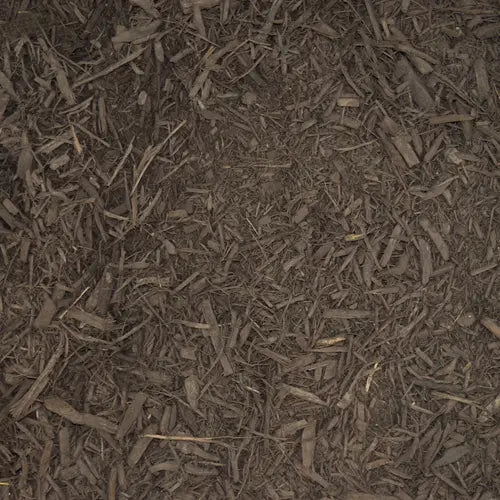
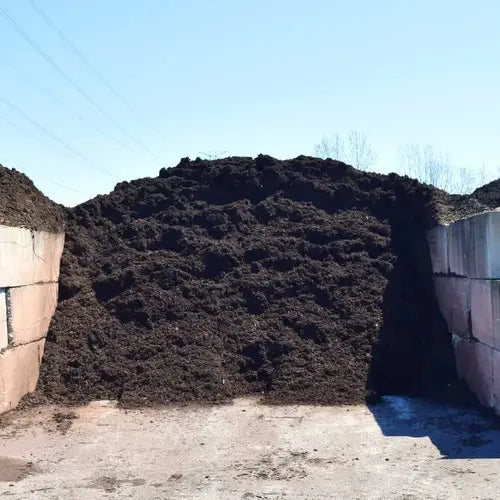
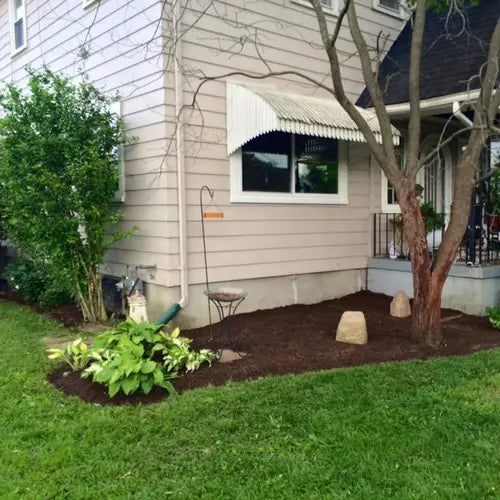
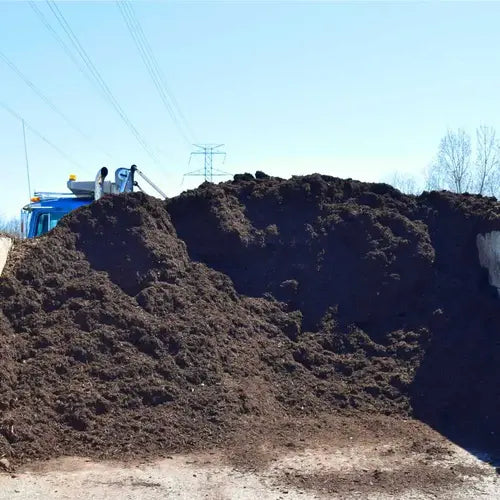
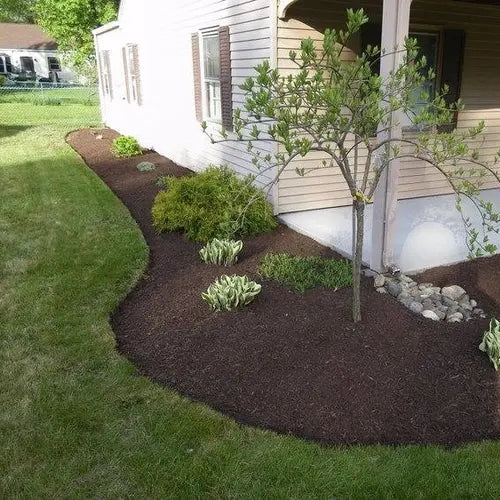
Delivery was on time and great quality Mulch. Got it done in a reasonable time and yard looks great. Couldn’t be happier!!! Thank you and will use again!!
Tell us what you're looking for
Thanks! We received your request.
Something went wrong. Please try again.
How Much Material Do I Need?
For general landscape beds in Missoula, plan on 3 inches of mulch depth for ornamental and shrub beds and 4 inches around established trees to maximize moisture retention through the dry summer months. One cubic yard of mulch covers approximately 100 square feet at 3 inches deep, which is a useful rule of thumb when measuring your beds.
Use our free mulch calculator
What is a yard?
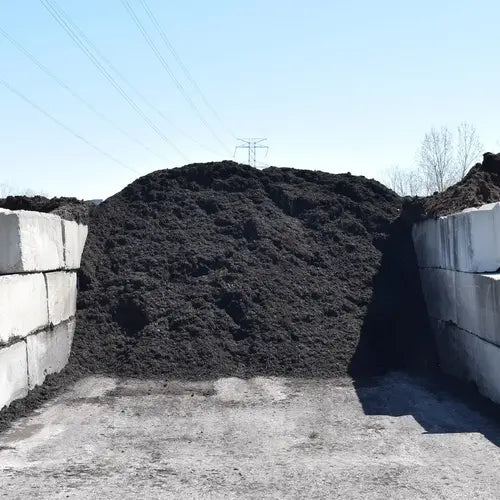
A yard is approximately 27 cubic feet. As a general guideline, one yard of material can cover an area of about 100-160 square feet at a 2-3 inch depth.
Delivery was on time and great quality Mulch. Got it done in a reasonable time and yard looks great. Couldn’t be happier!!! Thank you and will use again!!
How Much Material Do I Need?
For general landscape beds in Missoula, plan on 3 inches of mulch depth for ornamental and shrub beds and 4 inches around established trees to maximize moisture retention through the dry summer months. One cubic yard of mulch covers approximately 100 square feet at 3 inches deep, which is a useful rule of thumb when measuring your beds.
Use our free mulch calculator
What is a yard?
A yard is approximately 27 cubic feet. As a general guideline, one yard of material can cover an area of about 100-160 square feet at a 2-3 inch depth.
Delivery was on time and great quality Mulch. Got it done in a reasonable time and yard looks great. Couldn’t be happier!!! Thank you and will us...
Read full review
Delivery was on time and great quality Mulch. Got it done in a reasonable time and yard looks great. Couldn’t be happier!!! Thank you and will use again!!
Mulch Mound delivered a yard of pea gravel to us. Delivery was on time, driver was friendly and hit a bullseye on the “tarp target”. We used the ...
Read full review
Mulch Mound delivered a yard of pea gravel to us. Delivery was on time, driver was friendly and hit a bullseye on the “tarp target”. We used the pea gravel (which was diameter as specified) to fill several muskrat holes around our pond. I would definitely recommend Mulch Mound to a friend!
I can’t say enough good things about Mulch Mound! If you read my review below you will see I had a problem with my order. Mulch Mou...
Read full review
UPDATE!
I can’t say enough good things about Mulch Mound! If you read my review below you will see I had a problem with my order. Mulch Mound was quick to respond and solved the issue with my delivery. Will definitely be a customer next year.
First time purchase from Mulch Mound!! First what I liked! Easy to order online and straight forward pricing and delivery. The driver was on time and courteous and delivered my Mulch exactly where I requested! The product is of good quality and comparable to others I have purchased from before. Now what I DID’NT LIKE! I have been mulching the same house and yard for almost 20 years. I always order the same amount and don’t have any issues with covering the same area but this year I fell about a yard short. I was home when the mulch was delivered and when the driver dumped it I noticed that it seemed a bit less than I was used to. I didn’t apply it any thicker than usual and probably a bit thinner than usual because I was worried about running out.
To estimate your mulch needs in Missoula, measure the length and width of each bed in feet, multiply them together to get square footage, and then decide on your target depth in inches. For most Missoula flower beds and tree rings, a 3-inch depth is a practical target given the dry summers and need for good moisture retention. Our material calculator on this page converts those numbers into cubic yards automatically so you can order the right amount without guessing.
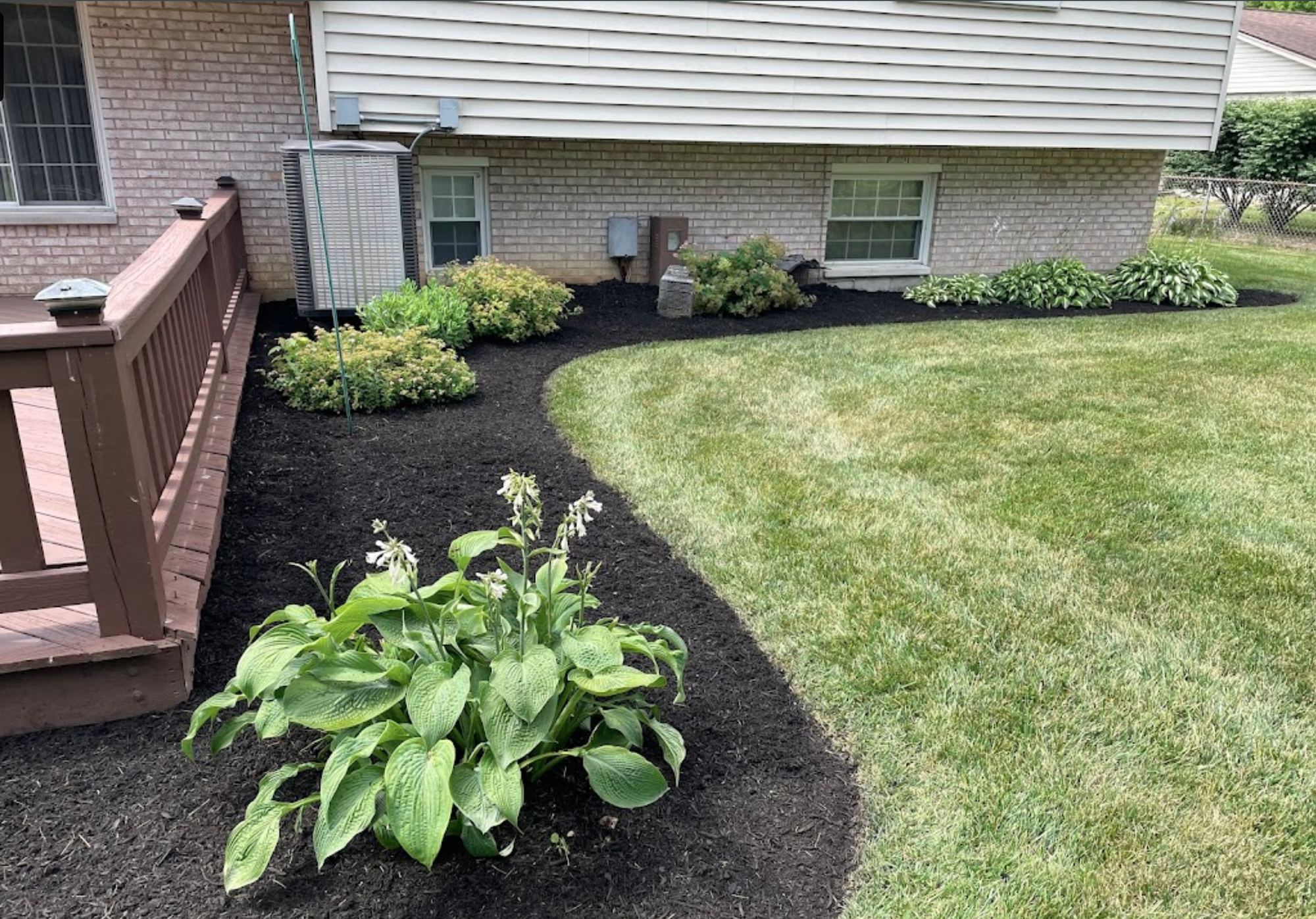
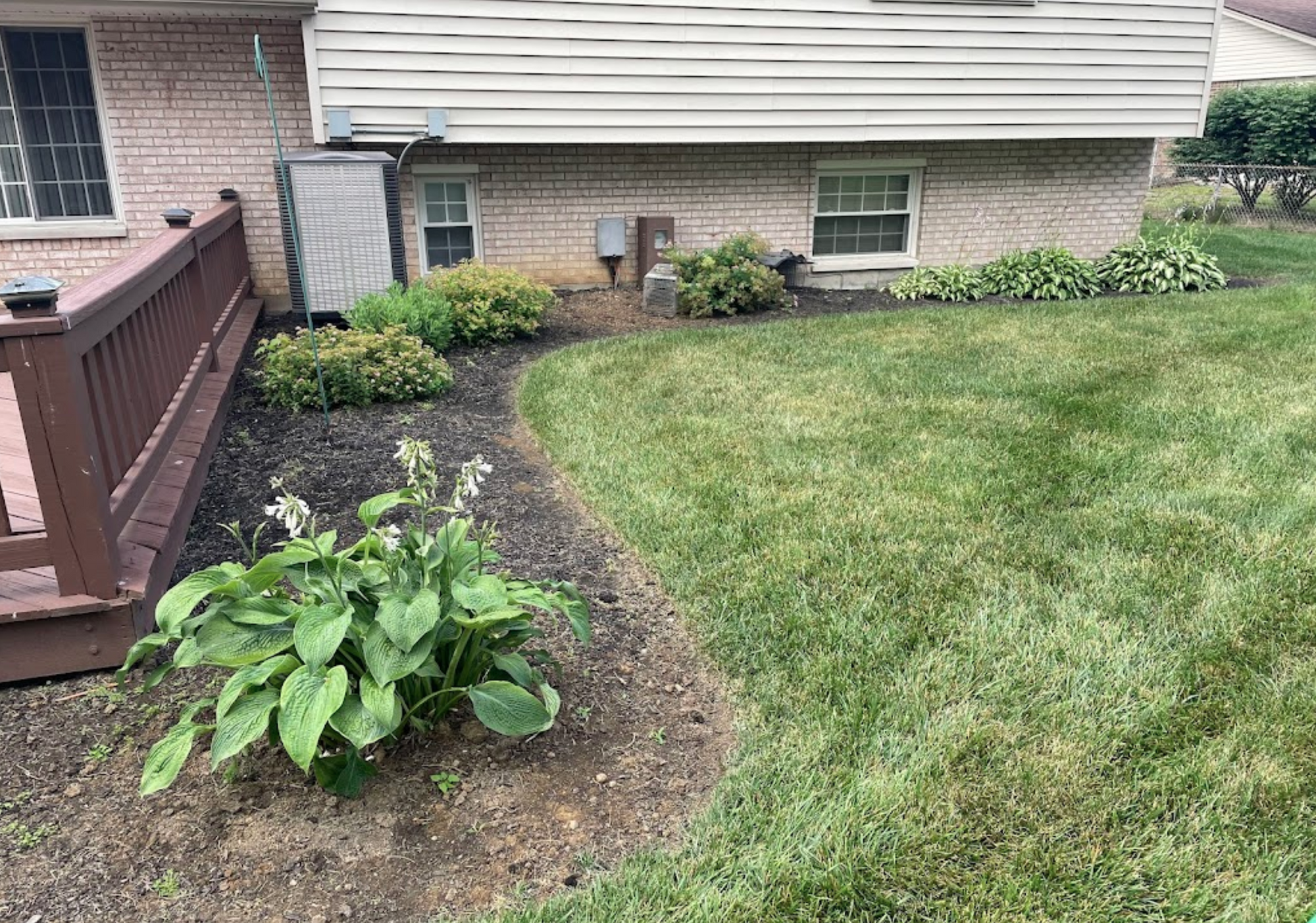
Mulch vs. No Mulch: The Difference
At Missoula's elevation and with its cold, short winters, organic mulch breaks down more slowly than it would in warmer climates, meaning a single good application can last a full growing season and then some. However, the region's intense summer sun and occasional dry winds can still cause the top layer to fade and thin, so annual top-dressing is a smart practice. Choosing the right mulch type for Missoula's conditions means balancing decomposition rate, moisture retention, and how well the material handles freeze-thaw cycles in the fall.
Before
After
Best Mulch Choice for Missoula Lawns
Most yards in the Missoula area sit on type of soil. Missoula's native silt loam has a naturally fine texture that can seal over the surface when it dries out, making it harder for water and air to penetrate to plant roots. Adding organic mulch on top of silt loam creates a buffer layer that keeps the soil beneath loose and workable even during dry spells.
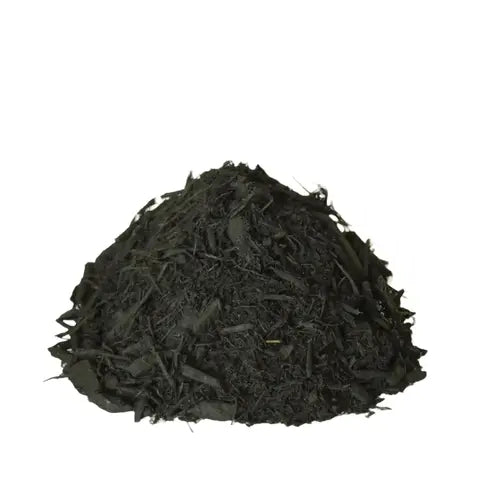
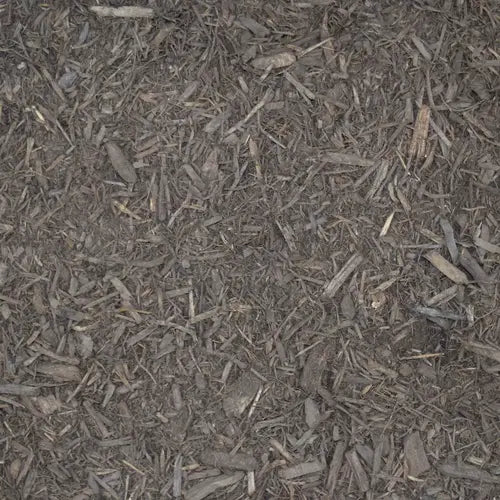
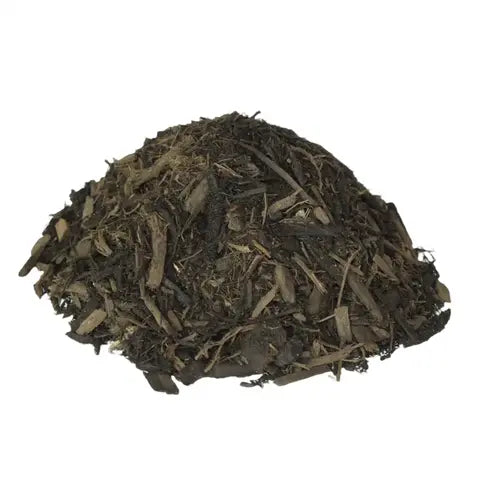
Hardwood Mulch
Hardwood mulch breaks down gradually into organic matter that works its way into silt loam soil, improving both its water-holding capacity and its ability to support beneficial soil organisms. This slow decomposition process is especially well-matched to Missoula's cool nights, which slow microbial activity and allow nutrients to release steadily rather than all at once.
Complete Your Outdoor Mulch Project
Pair your mulch order with a delivery of quality garden soil or compost to amend your existing silt loam beds before mulching, giving your plants the best possible foundation for Missoula's short growing season. Browse our soil products to find the right blend for your project.
Missoula gets its driest stretch between late June and early August, right when plants are in peak growth. Before you spread mulch in late May, give your beds a deep soaking so the moisture is locked in beneath the mulch layer rather than trapped on top of dry soil. This single step can make a noticeable difference in how your plants handle the dry weeks that follow, especially on south-facing slopes around the valley where the sun is intense.
Mulch Mound Pro Tip
The freeze-thaw cycles that happen in Missoula during October and November can heave shallow-rooted perennials right out of the ground if the soil is left unprotected. After the ground freezes lightly following the first hard frost in late September, apply a 4-inch layer of mulch over your perennial beds to stabilize soil temperature and reduce the repeated freezing and thawing that does the most root damage. This is especially important for any perennials you planted during the current growing season.
Mulch Mound Pro Tip
In a valley landscape like Missoula where the soil is silt loam, mulch breaks down into organic matter that genuinely improves your soil over time. Rather than removing old mulch before adding a fresh layer each spring, use a rake to fluff and loosen the existing material and then top-dress with just an inch or two of fresh mulch. Over several seasons this practice builds a richer, more biologically active soil layer that holds water better and supports stronger plant root development.
Frequently Asked Questions
Click a question to see the answer
Answer
How thick should I apply mulch in Missoula given how dry our summers get?
In Missoula, where you are working with only 16 inches of rainfall a year and hot July and August stretches, aim for a 3 to 4 inch layer of mulch around trees and shrubs. That depth is thick enough to meaningfully slow evaporation from the silt loam below but not so thick that it prevents rain from reaching roots during the monsoon-adjacent weather patterns the valley occasionally gets in late summer. Thinner applications of 1 to 2 inches are fine for annual flower beds where you want to avoid excess moisture around stems.
Answer
Will mulch help protect my plants from early frost? We got hit last September 18th.
Yes, mulch provides real protection against early frost events like the one you described. While the average first frost in Missoula lands around September 25, surprise freezes can arrive a week or two earlier, and a 3 to 4 inch layer of mulch insulates soil and root zones, slowing the rate at which ground temperature drops overnight. It will not save tender annuals above ground, but it can keep perennial roots and bulbs from getting damaged by a sudden early cold snap.
Answer
Does mulch attract pests like voles that I know are already a problem in my yard?
Voles are genuinely common in the Missoula area, and mulch piled directly against tree trunks or shrub stems can give them cover and access to bark. The best practice is to keep mulch pulled back 2 to 3 inches from the base of any woody plants, creating a small clear zone. This also prevents moisture from sitting against bark through the long winter months. Proper mulch placement, rather than avoiding mulch entirely, is the answer for Missoula gardens dealing with vole pressure.
Answer
How often do I need to top-dress my mulched beds each year in Missoula?
Because Missoula's cooler temperatures slow organic breakdown, most mulched beds here only need a fresh top-dressing once a year, typically in mid-May after the last frost has passed and the soil has started to warm. By the following spring you will usually find the previous year's layer has compacted and thinned to about an inch, which is when a fresh 2-inch application restores full coverage. If you mulched in the fall as winter protection, you may want to pull some of it back in spring to let the soil warm faster.
Answer
What is the best time of year to mulch in Missoula?
The ideal window for mulching in Missoula is after May 15, once the last frost has passed and your soil has had a chance to warm up from its winter temperature. Mulching too early in spring can trap cold in the soil and slow the start of the growing season, which is already short at this elevation. A second option is to mulch in early to mid-October after the first frost has killed annuals, using the material as insulation to protect perennial roots through the winter.
Answer
Does wood mulch change the pH of my soil? I have heard it can make soil more acidic.
This is a common concern, but the effect on soil pH from wood mulch is generally minimal and surface-level. Missoula's silt loam soil tends to be slightly alkaline, so a modest shift toward neutral from decomposing wood mulch is usually harmless and sometimes beneficial for plants that prefer a more neutral pH. If you are growing acid-loving plants like blueberries, you would need to take more intentional steps like amending with sulfur rather than relying on mulch alone to shift the pH significantly.
Answer
Can I use mulch around my vegetable garden, or is it just for flower beds and trees?
Mulch works very well in Missoula vegetable gardens and may actually be more important there than in ornamental beds, given the dry summer conditions. Straw mulch and finely shredded wood mulch are both popular choices between vegetable rows because they keep silt loam from crusting over, reduce weeding time, and help the soil hold moisture during the dry stretches between irrigations. Keep mulch away from the base of vegetable stems to promote airflow and reduce the risk of damping off in the cooler, moister conditions of early summer.
The Unique Landscape of Missoula
Missoula sits in a high-elevation valley where the growing season is compressed between a May 15 last frost and a September 25 first frost, giving your garden beds only about four months to thrive. With just 16 inches of rainfall per year, moisture retention is one of the most critical challenges local gardeners face, and bare soil dries out fast during the hot, dry stretches of July and August. The native silt loam soil in the Missoula area is prone to surface crusting when exposed to sun and wind, which reduces water infiltration and stresses shallow-rooted plants. A proper layer of mulch acts as a thermal blanket, moderating the dramatic temperature swings that come with living at 3,209 feet above sea level. By insulating roots against both late spring frost and late summer heat, mulch helps your plants stay anchored through conditions that are genuinely tougher than lower-elevation communities across Montana.