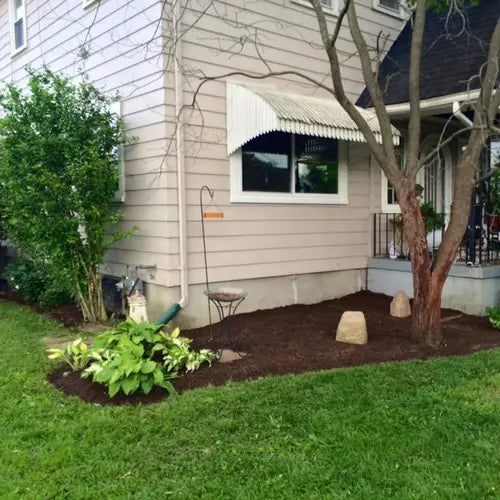
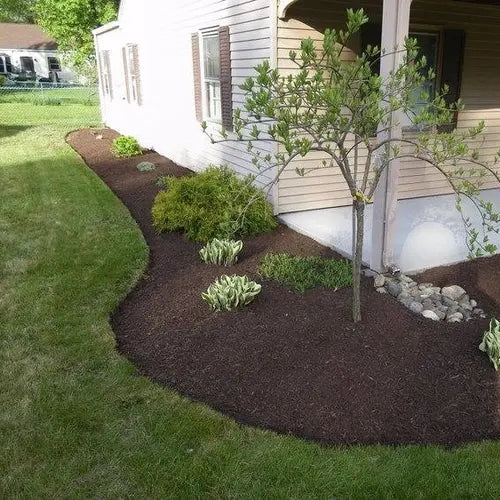
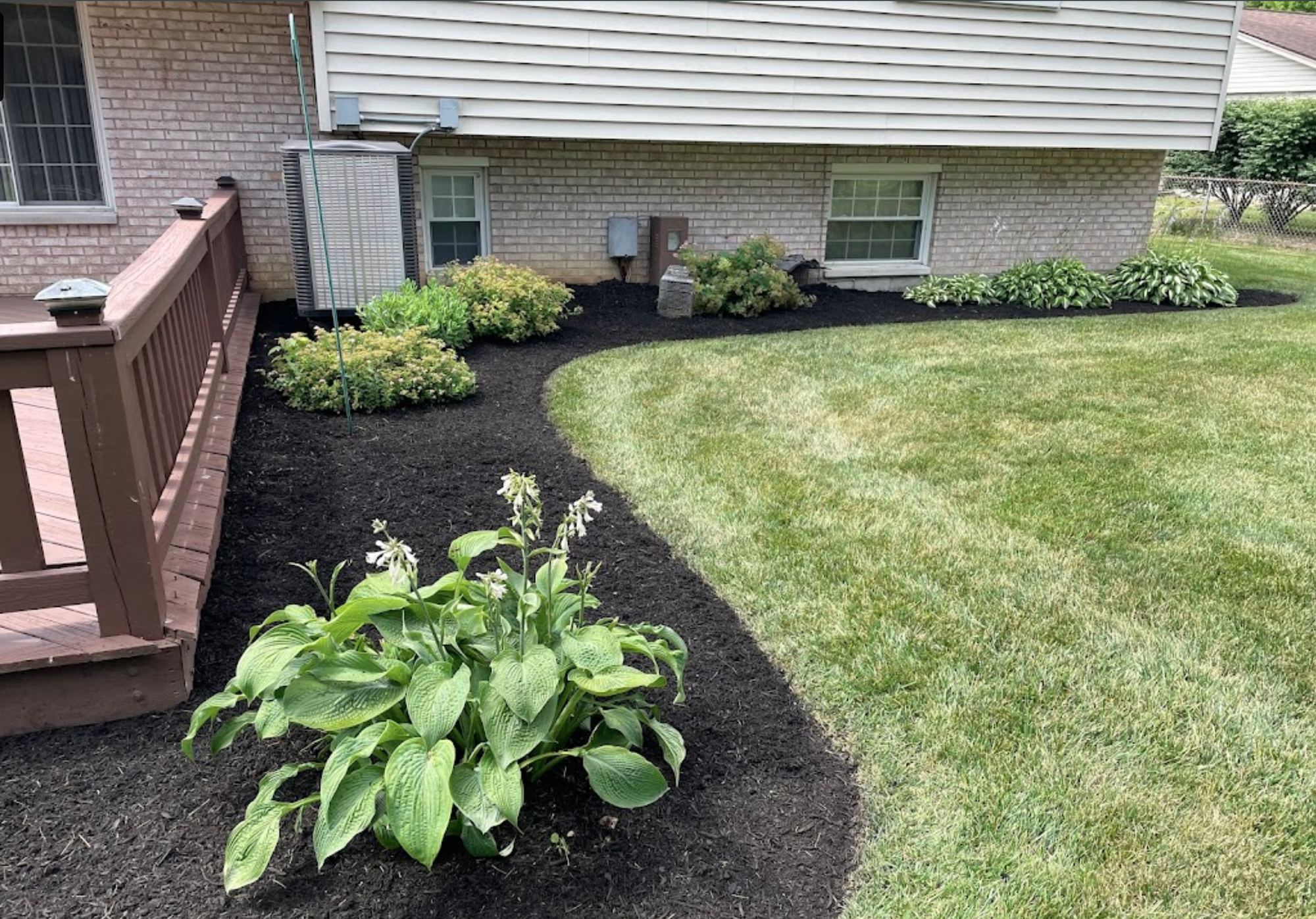
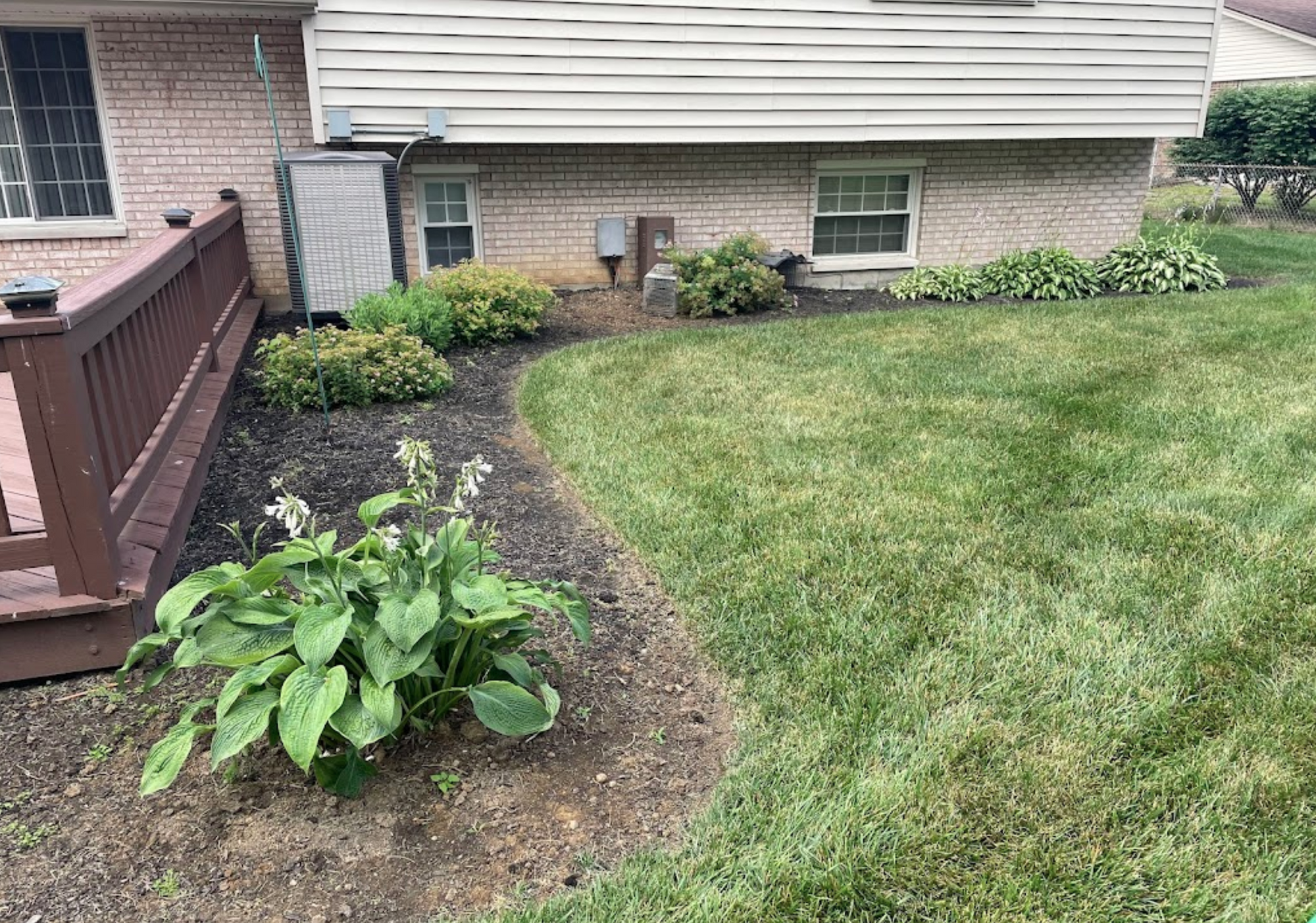
Delivery was on time and great quality Mulch. Got it done in a reasonable time and yard looks great. Couldn’t be happier!!! Thank you and will use again!!
Tell us what you're looking for
Thanks! We received your request.
Something went wrong. Please try again.
How Much Material Do I Need?
Plan on 3 inches of mulch for established beds and 2 inches around annuals and shallow rooted bedding plants. One cubic yard covers roughly 108 square feet at 3 inches deep.
Use our free mulch calculator
What is a yard?
A yard is approximately 27 cubic feet. As a general guideline, one yard of material can cover an area of about 100-160 square feet at a 2-3 inch depth.
Delivery was on time and great quality Mulch. Got it done in a reasonable time and yard looks great. Couldn’t be happier!!! Thank you and will use again!!
How Much Material Do I Need?
Plan on 3 inches of mulch for established beds and 2 inches around annuals and shallow rooted bedding plants. One cubic yard covers roughly 108 square feet at 3 inches deep.
Use our free mulch calculator
What is a yard?
A yard is approximately 27 cubic feet. As a general guideline, one yard of material can cover an area of about 100-160 square feet at a 2-3 inch depth.
Delivery was on time and great quality Mulch. Got it done in a reasonable time and yard looks great. Couldn’t be happier!!! Thank you and will us...
Read full review
Delivery was on time and great quality Mulch. Got it done in a reasonable time and yard looks great. Couldn’t be happier!!! Thank you and will use again!!
Mulch Mound delivered a yard of pea gravel to us. Delivery was on time, driver was friendly and hit a bullseye on the “tarp target”. We used the ...
Read full review
Mulch Mound delivered a yard of pea gravel to us. Delivery was on time, driver was friendly and hit a bullseye on the “tarp target”. We used the pea gravel (which was diameter as specified) to fill several muskrat holes around our pond. I would definitely recommend Mulch Mound to a friend!
I can’t say enough good things about Mulch Mound! If you read my review below you will see I had a problem with my order. Mulch Mou...
Read full review
UPDATE!
I can’t say enough good things about Mulch Mound! If you read my review below you will see I had a problem with my order. Mulch Mound was quick to respond and solved the issue with my delivery. Will definitely be a customer next year.
First time purchase from Mulch Mound!! First what I liked! Easy to order online and straight forward pricing and delivery. The driver was on time and courteous and delivered my Mulch exactly where I requested! The product is of good quality and comparable to others I have purchased from before. Now what I DID’NT LIKE! I have been mulching the same house and yard for almost 20 years. I always order the same amount and don’t have any issues with covering the same area but this year I fell about a yard short. I was home when the mulch was delivered and when the driver dumped it I noticed that it seemed a bit less than I was used to. I didn’t apply it any thicker than usual and probably a bit thinner than usual because I was worried about running out.
Measure each bed separately, since Monroe yards often mix long narrow foundation strips with curved island beds around crepe myrtles. Multiply length by width for rectangles, and for curves take an average width and treat it as a rectangle. Add about 10 percent to your total, because settling is real once our rains compact the layer.
Mulch vs. No Mulch: The Difference
Monroe combines heat, humidity, and 58 inches of rain a year, which is close to ideal conditions for microbial breakdown of organic matter. Natural hardwood mulch decomposes noticeably faster here than it would in a drier climate, feeding the soil but requiring yearly top dressing. Dyed mulches hold their color longer through our intense summer sun, though the wood underneath breaks down on a similar schedule.
Before
After
Best Mulch Choice for Monroe Lawns
Most yards in the Monroe area sit on type of soil. Monroe's silt loam holds nutrients well but compacts easily and crusts over after our heavy downpours, which makes it hard for water and air to reach plant roots. Beds built on untreated silt loam often show puddling at the surface while the root zone underneath stays dense and airless.
Hardwood Mulch
Double ground hardwood mulch cushions the soil surface from rainfall impact and feeds organic matter into the silt loam as it decomposes, gradually improving structure and drainage. Over two or three seasons of annual top dressing, Monroe homeowners typically see looser, darker, more workable soil under the mulch layer.
Complete Your Outdoor Mulch Project
Pair your mulch order with a few yards of garden mix to raise beds above Monroe's slow draining silt loam, and add steel or concrete edging to keep mulch from washing onto the sidewalk during heavy rain.
Do not lay plastic sheeting under mulch in Monroe. With 58 inches of annual rainfall, plastic traps water against silt loam and turns beds into shallow bathtubs that suffocate roots. If you want a weed barrier, use a breathable woven landscape fabric, or better yet skip fabric entirely and rely on a full 3 inch mulch layer. Fabric eventually collects sediment on top anyway, and weeds root right into it.
Mulch Mound Pro Tip
Time your mulching to beat the nutsedge. In Ouachita Parish, nutsedge starts pushing through beds once soil temperatures hit the mid 60s, typically mid to late March. Get your fresh 3 inch layer down before that happens and you will block a large share of it. Nutsedge will punch through mulch if it is already established, so hand pull the tubers first, then cover.
Mulch Mound Pro Tip
Rake and fluff before you reorder. Monroe rain compacts hardwood mulch into a matted crust that sheds water instead of absorbing it. Every few months, run a hard rake through your beds to break that crust and re expose fresh surfaces. You will often find you have more usable depth than you thought, which can cut your annual mulch order by a yard or two.
Frequently Asked Questions
Click a question to see the answer
Answer
How often do I need to replace mulch in Monroe?
Most Monroe yards need a refresh once a year, usually in early spring around the March 15 last frost date. Our 58 inches of rain and long warm season break hardwood mulch down faster than in drier parts of the country, so expect to lose roughly an inch of depth annually. Rather than stripping the old layer, fluff it with a rake and top dress back to 3 inches.
Answer
Will mulch hold too much water in our silt loam soil?
Silt loam already drains slower than sand, so the key is depth control, not avoiding mulch. Keep beds at 3 inches and no more, and pull mulch back 2 to 3 inches from trunks and stems. Piling 5 or 6 inches on Monroe silt loam traps moisture against crowns and invites root rot during our wet spring stretch.
Answer
When is the best time to mulch in Monroe?
Late February through March is ideal, after the last frost around March 15 but before summer heat sets in. A second lighter application in early November, right around our November 10 first frost, helps insulate tender perennials and shallow rooted shrubs through the short cold snaps we get in January.
Answer
Does mulch help with the mosquitoes we get around here?
Mulch itself does not breed mosquitoes, but standing water in low spots does, and Monroe has plenty of low spots at 72 feet of elevation. Properly leveled mulch actually helps by absorbing shallow puddles that would otherwise sit for days. Just avoid deep piles in bed depressions where water collects after a heavy Ouachita rain.
Answer
How much mulch do I need for a typical Monroe front bed?
A common Monroe foundation bed running 30 feet long by 5 feet deep is 150 square feet, which needs a little over 1.5 cubic yards at 3 inches. Most homeowners in older Monroe neighborhoods with mature azalea plantings order 3 to 5 yards to cover the full front and one side.
Answer
Will termites be a problem with mulch in Ouachita Parish?
Formosan and native subterranean termites are a real concern in northeast Louisiana, but mulch does not attract them so much as give them cover. Keep mulch at least 6 inches away from your slab or pier foundation, hold the depth at 3 inches near the house, and inspect that gap each spring. Cypress and hardwood mulches are both fine when installed with that clearance.
Answer
Can I mulch right up under my crepe myrtles and live oaks?
Yes, and Monroe trees benefit from it, but never mound mulch against the trunk. Leave a 4 inch collar of bare soil at the base and extend the mulch ring outward toward the drip line. That is where the feeder roots actually are, and shading them keeps summer soil temperatures down when our heat index climbs into the triple digits.
The Unique Landscape of Monroe
Monroe sits at just 72 feet of elevation on the Ouachita River floodplain, and the silt loam here holds water long after a summer thunderstorm has moved on. Mulch is what keeps that moisture balanced, shielding beds from the 58 inches of rain we get each year while slowing the surface crusting that silt loam is prone to once it dries. In zone 8b, our growing season stretches from roughly March 15 all the way to November 10, which means bare soil bakes under Delta sun for eight solid months. A 3 inch mulch layer drops root zone temperatures noticeably in July and August, when Monroe afternoons routinely push past 95 degrees. It also blocks the nutsedge and crabgrass that thrive in warm, damp Ouachita Parish beds. Done right, mulch is the cheapest insurance a Monroe landscape can carry.