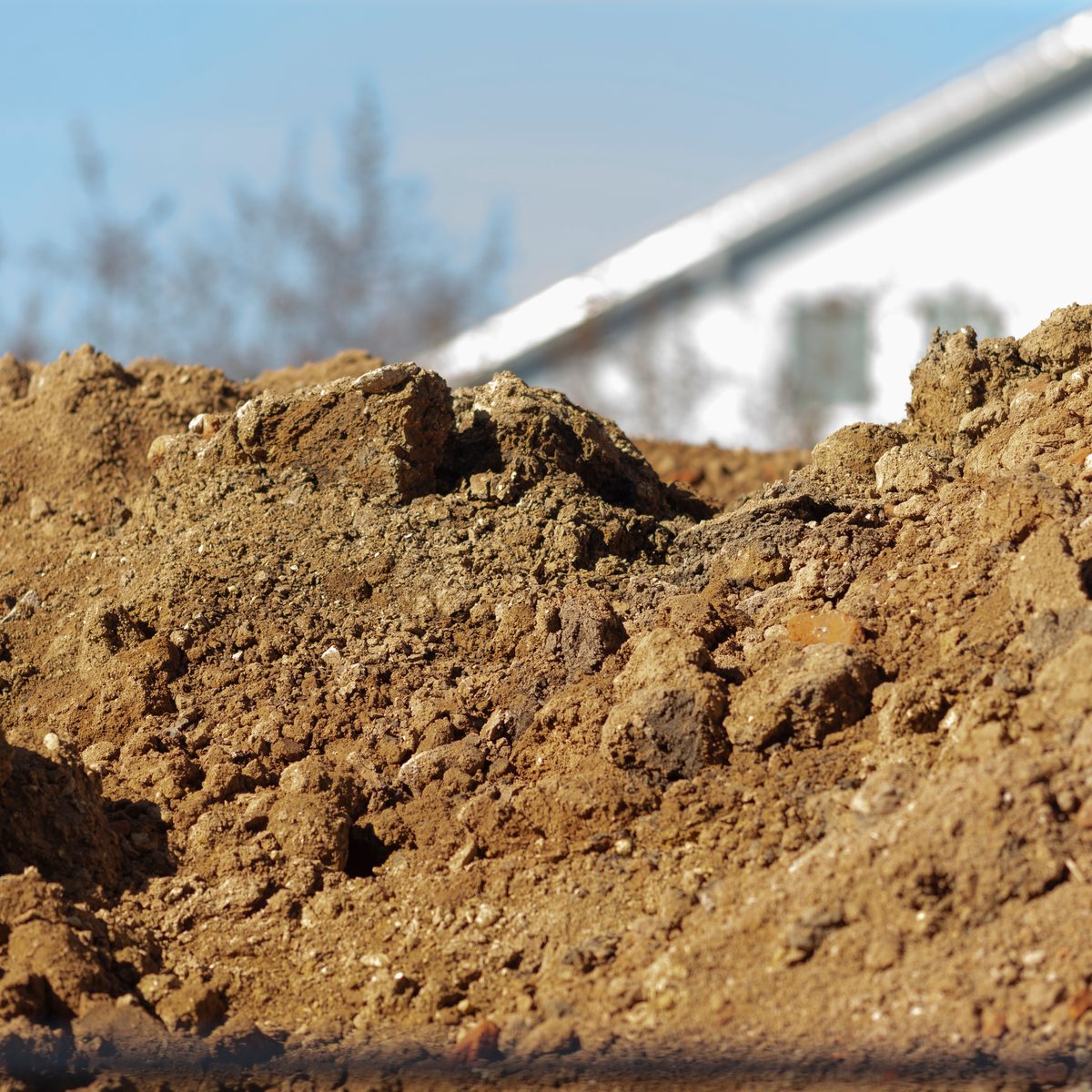
About this fill dirt

Screened fill dirt free of debris, for raising low ground and backfilling. Structural material, place it in lifts and compact as you go.

One of the easiest customer service experiences I've had in a long time! Mulch Mound made it so simple. After putting it off for a while, I looked at the weather and knew I needed to get to mulching ASAP before the rain came if I didn't want to wait another week. I put my orde...

One cubic yard of fill dirt covers about 54 square feet at a 6 inch depth, and most jobs call for 6 to 12 inches depending on how low the area is or how much structural buildup you need. Measure the length and width of the area, decide your target depth, and order in cubic yards rather than trying to eyeball bags, since fill dirt weighs around 1.3 tons per yard and adds up fast on any real project.

A yard is approximately 27 cubic feet. As a general guideline, one yard of material can cover an area of about 100-160 square feet at a 2-3 inch depth.

North Ridgeville Fill Dirt Delivery

North Ridgeville Fill Dirt Delivery

4.7
137 reviews
Regular price $38.00 per Yard
Regular price Sale price $38.00
Sale Sold out
Shipping calculated at checkout.
Type
Size
Hand-picked local yards
4,000+ regional deliveries
Dedicated support
Why order through Mulch Mound

The best local fill dirt, without the guesswork.

We hand-pick and partner with the best yards in your region, keep only the ones our buyers rate well, and back each load with our guarantee.

Mulch Mound Guarantee

If your fill dirt isn't the quantity or quality you ordered, we'll make it right.

About this fill dirt

Screened fill dirt free of debris, for raising low ground and backfilling. Structural material, place it in lifts and compact as you go.

One of the easiest customer service experiences I've had in a long time! Mulch Mound made it so simple. After putting it off for a while, I looked at the weather and knew I needed to get to mulching ASAP before the rain came if I didn't want to wait another week. I put my orde...

One cubic yard of fill dirt covers about 54 square feet at a 6 inch depth, and most jobs call for 6 to 12 inches depending on how low the area is or how much structural buildup you need. Measure the length and width of the area, decide your target depth, and order in cubic yards rather than trying to eyeball bags, since fill dirt weighs around 1.3 tons per yard and adds up fast on any real project.

A yard is approximately 27 cubic feet. As a general guideline, one yard of material can cover an area of about 100-160 square feet at a 2-3 inch depth.

View full details

How It Works

Getting started is easy — just follow these simple steps

1

Choose your quantity

Adjust the quantity to match your project. One cubic yard covers about 100 to 160 square feet at a 2 to 3 inch depth.

2

Select your delivery date

Select a delivery date you'd like for the product to be dropped off at your home

3

Sit back and wait

Sit back, wait, and let us work our magic to make sure the highest quality product is delivered to your driveway.

From The Mouths of North Ridgeville Folks

4.7
out of 5 based on 137 reviews
Google Reviews

Complete Your Outdoor Project

Fill dirt is a structural layer, so most projects finish with a few inches of topsoil capped on top wherever grass, gardens, or landscaping needs to grow. If you are backfilling around a new pool or foundation, gravel underneath the fill can help with drainage in North Ridgeville's silt loam before you build up with dirt. Either way, keep the layers separate, fill does the leveling, topsoil does the growing.

Mulch Mound Pro Tip

Fill dirt is not something you dump and walk away from. Place it in 6 to 8 inch lifts and compact each layer before adding the next, or you will be watching that spot sink for years, especially in North Ridgeville's silt loam which settles more than sandy soil once it gets wet. A hand tamper works for small areas, but anything larger than a patio footprint really needs a plate compactor. Skipping this step is the single most common reason fill jobs fail.

Mulch Mound Pro Tip

Timing matters more here than people expect. With last frost often lingering into late April, silt loam stays soft and hard to compact properly through early spring. Waiting until the ground firms up in May or June gives you a much more stable base, and it also means you are not tracking mud everywhere during placement. If your project can wait a few weeks past the thaw, it is worth it.

Mulch Mound Pro Tip

If your project needs both fill and topsoil, order them as separate deliveries rather than trying to blend them, since mixing the two undermines the compaction you need for a stable base. Save the topsoil for the top few inches only, right where roots or grass need it. This keeps your structural layer doing its job and your growing layer doing its job, instead of a weak mix that does neither well.

Grading and Filling in North Ridgeville

North Ridgeville's silt loam compacts differently than sand or clay, it holds moisture and can stay soft longer after a wet spring, which matters when you are trying to build a stable base. A lot of the fill work we deliver for around here is backfilling after foundation or pool work, or leveling low areas near South Central Park and the older residential streets where drainage was never great to begin with. With last frost typically not clearing until the end of April, most structural fill jobs get scheduled for late spring through fall when the ground is workable and you are not fighting frozen or saturated subsoil. This is not a growing medium, it is the structural layer underneath your actual topsoil or lawn.

What Clean Fill Is

Clean fill is screened subsoil free of debris, roots, and contaminants. It is made for volume and grade, and it compacts predictably, which is exactly what you want under slabs, in trenches, and behind walls.

Fill Dirt vs Topsoil

Fill dirt builds the shape of the ground, topsoil grows things on top of it. Bring the grade up with fill, then cap it with 4 to 6 inches of topsoil anywhere grass or plants are going in.

Compact in Lifts

Place fill in layers of 4 to 6 inches and compact each one before adding the next. Dumping the full depth at once leaves voids that settle later, and settling is the one problem fill is supposed to solve.

Frequently Asked Questions

Click a question to see the answer

Answer

Can I use fill dirt to grow grass or plants directly in it?

No, fill dirt is a structural material meant for leveling and backfilling, not a growing medium. It lacks the organic content and nutrients plants need. Cap it with a few inches of topsoil wherever you want grass, garden beds, or anything else to grow, and keep the fill layer strictly for buildup and compaction underneath.

Answer

How many cubic yards do I need to fill a low spot in my yard?

One cubic yard covers about 54 square feet at 6 inches deep, so measure your low area's square footage, decide how many inches you need, and scale from there. A 300 square foot area filled 6 inches deep runs a little over 5 and a half cubic yards. Round up slightly since compaction settles the material lower than it starts.

Answer

When is the best time to bring in fill dirt in North Ridgeville?

Late spring through fall works best, since last frost usually holds until late April and the silt loam here stays soft and hard to compact while it is wet. Waiting for the ground to firm up gives you a more stable, workable base. Fill dirt jobs are driven by your project timeline more than the season, so schedule around when the ground is dry enough to compact properly.

Answer

Where will the truck place the fill dirt on delivery day?

You choose the drop location at checkout, and our driver places the load as close to that spot as truck access allows. Make sure there is a clear path wide enough for a full size delivery truck, and mark the exact spot ahead of time so there is no guessing on the day it arrives.

Answer

How is fill dirt different from topsoil for my project?

Fill dirt is screened subsoil meant for structural buildup like raising low ground or backfilling foundations, while topsoil is a growing medium with organic content for lawns and gardens. Use fill dirt for the bulk of the depth you need, then cap it with topsoil only where something needs to grow. Using topsoil for structural fill wastes material and compacts poorly.different from from topsool comparison.

More delivery around North Ridgeville, Ohio

All North Ridgeville, Ohio landscape supply
