
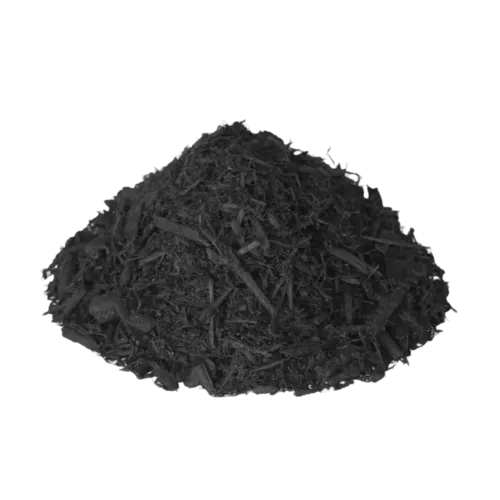

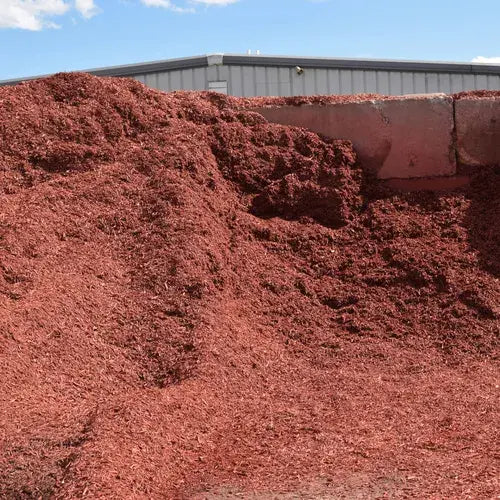
About this mulch

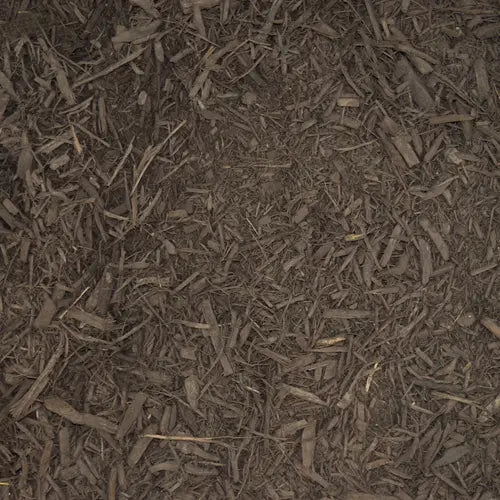
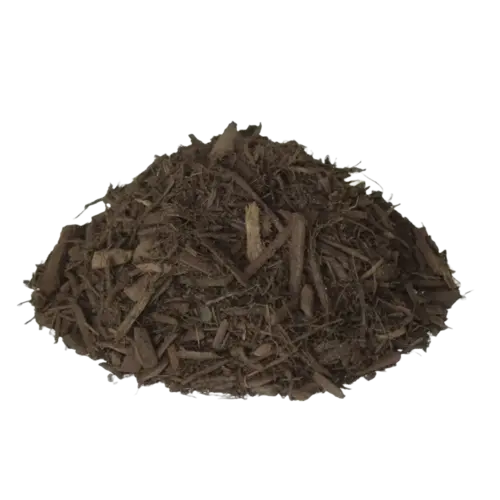
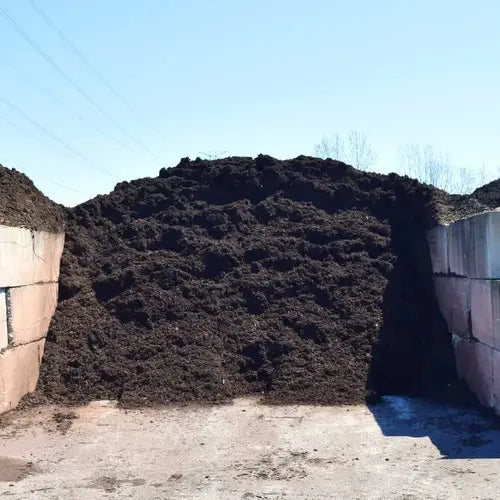
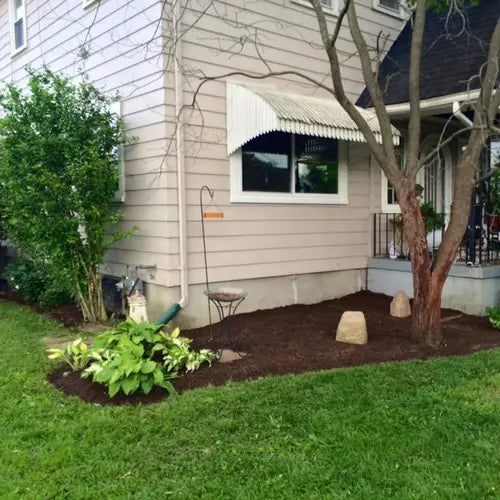
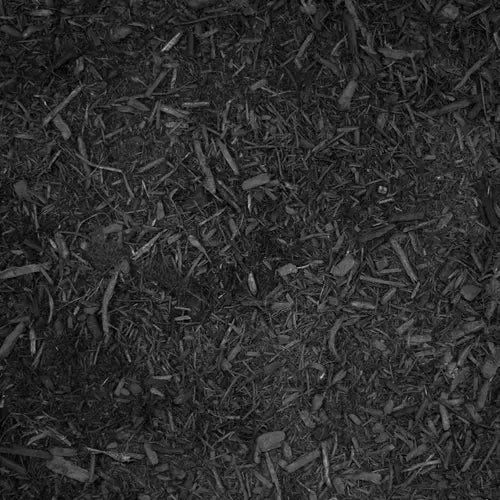
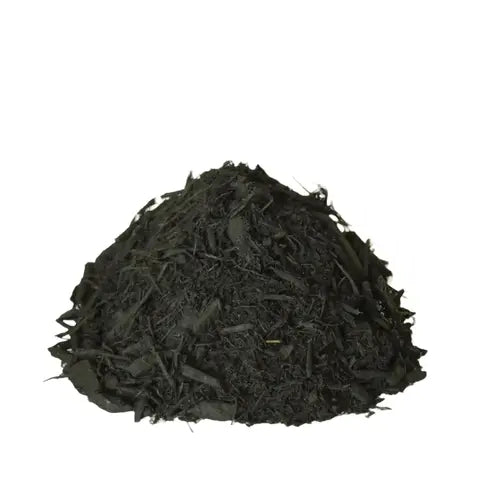
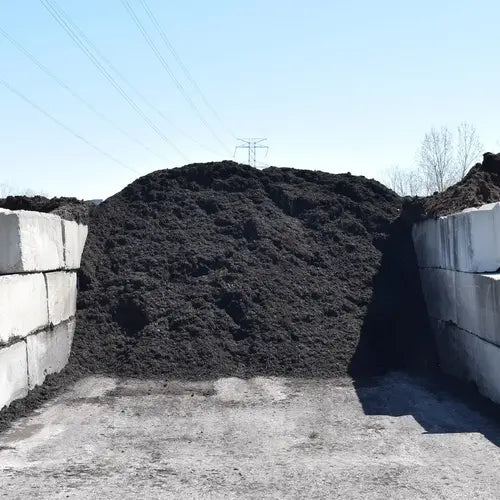
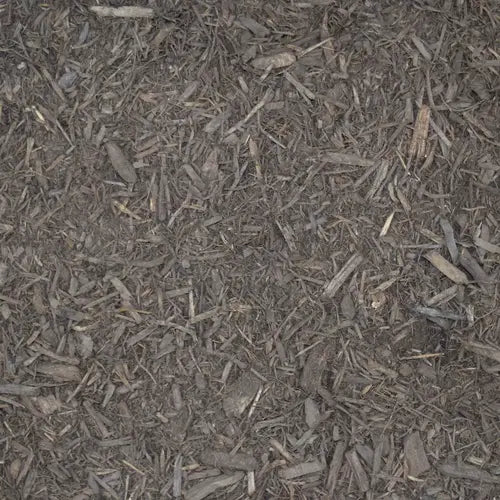
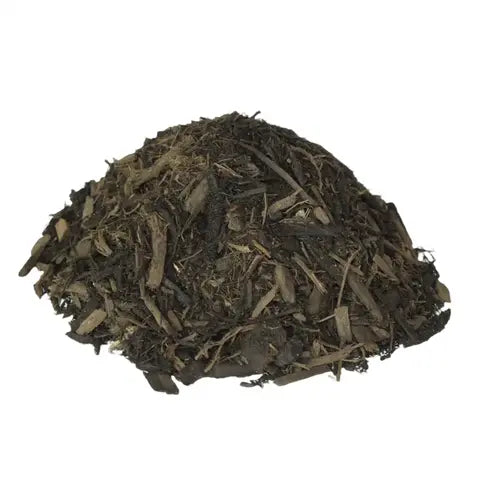
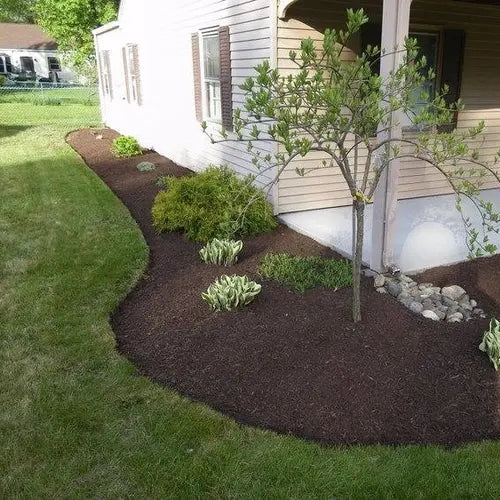
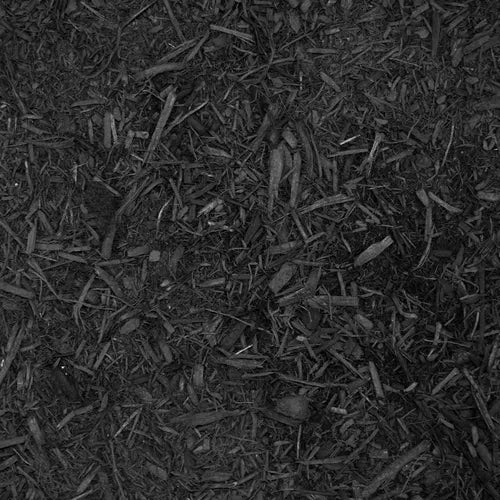
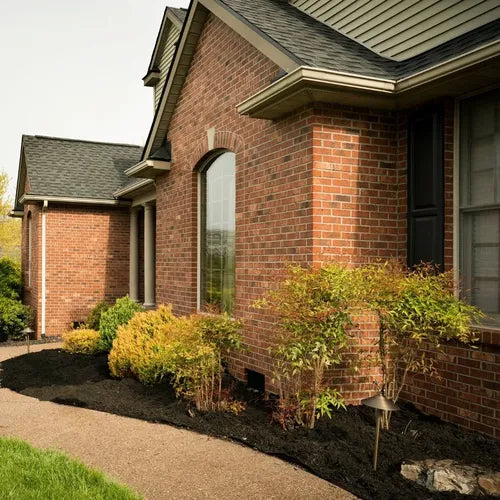
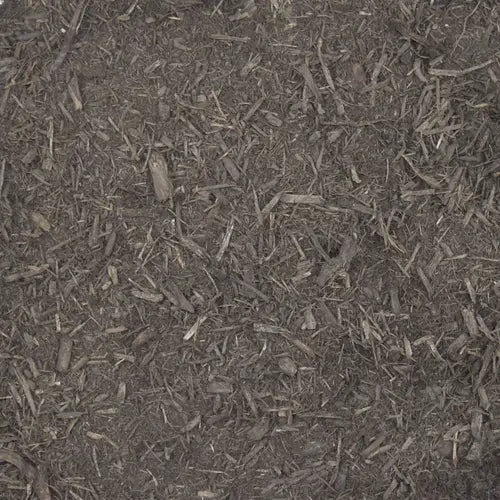
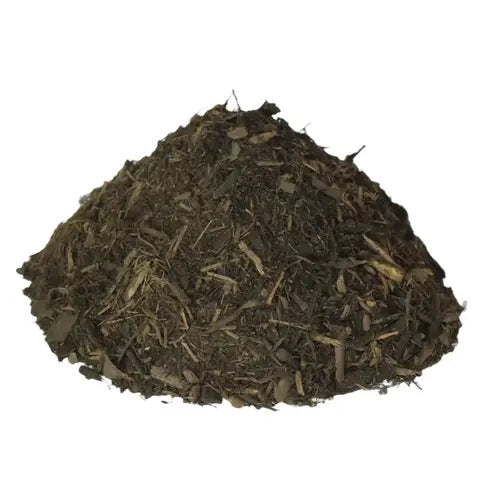
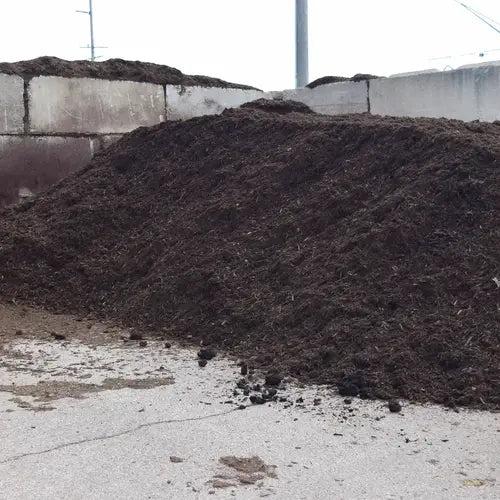
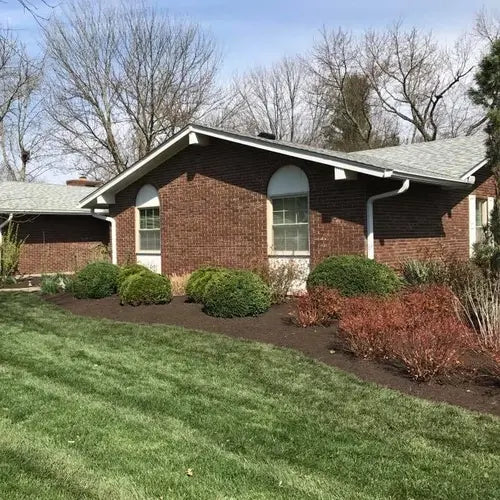
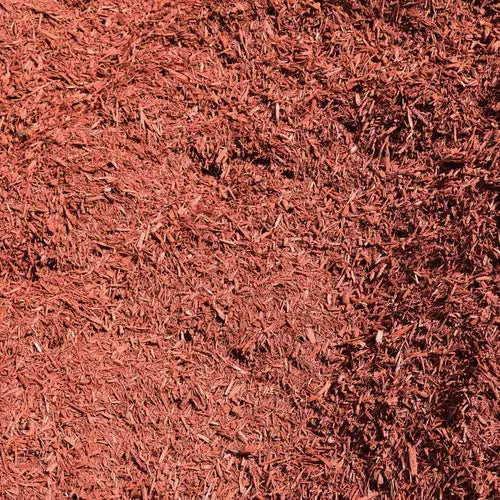
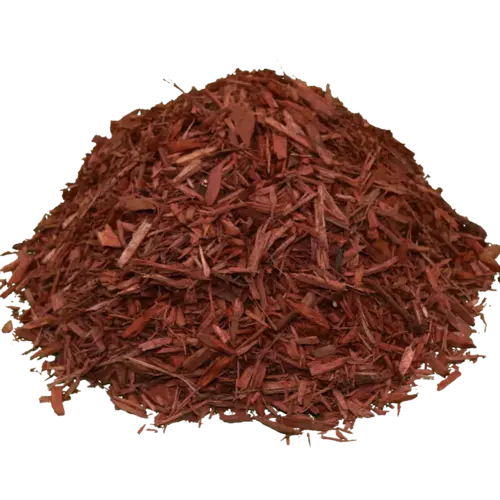
Double-shredded mulch dyed a rich, even brown that holds its color through the season.

Good quality, great price, fast delivery. All online - no submitting forms and waiting for days for quotes.
Getting mulch should be this easy from everyone. Only Mulch Mound is ACTUALLY this simple.

Three inches is the sweet spot for North Ridgeville beds, deep enough to block weeds and slow evaporation through August without smothering roots in soil that already holds water. For a top dress over existing mulch, one to two inches is plenty.
Use our free mulch calculator

A yard is approximately 27 cubic feet. As a general guideline, one yard of material can cover an area of about 100-160 square feet at a 2-3 inch depth.

North Ridgeville Mulch Delivery

North Ridgeville Mulch Delivery

4.7
137 reviews
Regular price $55.00 per Yard
Regular price Sale price $55.00
Sale Sold out
Shipping calculated at checkout.
Color
Style
Hand-picked local yards
4,000+ regional deliveries
Dedicated support
Why order through Mulch Mound

The best local , without the guesswork.

We hand-pick and partner with the best yards in your region, keep only the ones our buyers rate well, and back each load with our guarantee.

Mulch Mound Guarantee

If your isn't the quantity or quality you ordered, we'll make it right.

About this mulch

Double-shredded mulch dyed a rich, even brown that holds its color through the season.

Good quality, great price, fast delivery. All online - no submitting forms and waiting for days for quotes.
Getting mulch should be this easy from everyone. Only Mulch Mound is ACTUALLY this simple.
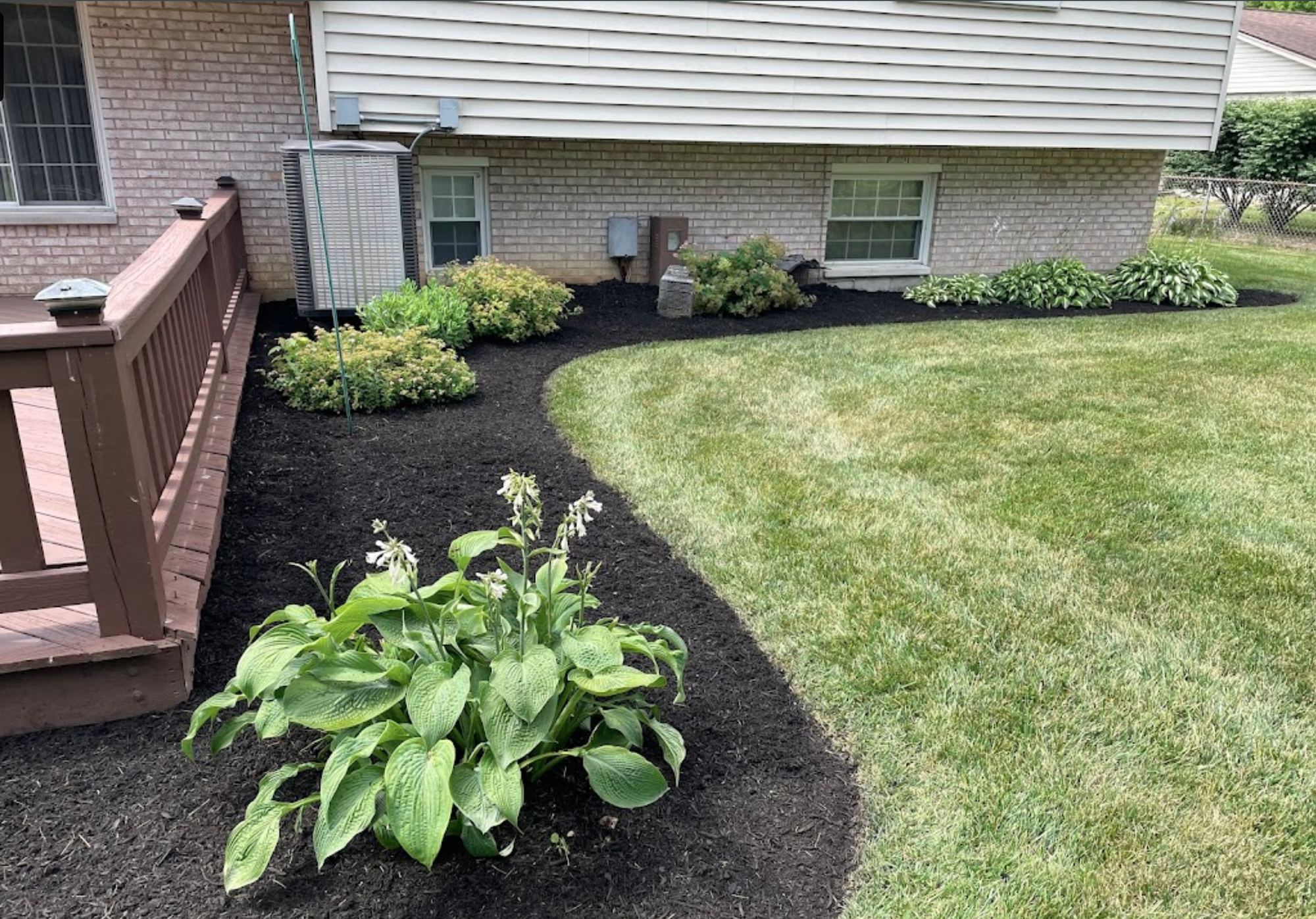
Three inches is the sweet spot for North Ridgeville beds, deep enough to block weeds and slow evaporation through August without smothering roots in soil that already holds water. For a top dress over existing mulch, one to two inches is plenty.
Use our free mulch calculator

A yard is approximately 27 cubic feet. As a general guideline, one yard of material can cover an area of about 100-160 square feet at a 2-3 inch depth.

View full details

How It Works

Getting started is easy — just follow these simple steps

1

Choose your Mulch

Make sure you adjust the quantity to your home's needs. You can use our calculator to estimate how much you'll need.

2

Select your delivery date

Select a delivery date you'd like for the product to be dropped off at your home

3

Sit back and wait

Sit back, wait, and let us work our magic to make sure the highest quality product is delivered to your driveway.

What North Ridgeville Customers Are Saying

4.7
out of 5 based on 137 reviews
Google Reviews

Calculate mulch for your North Ridgeville project

For North Ridgeville's type of soil, we recommend 2-3 inches for best weed suppression and moisture retention

Try Our Calculator
📍

Measure each bed separately with a tape or by pacing off length and width, since most North Ridgeville yards have a mix of narrow foundation strips and curved island beds. Break odd shapes into rectangles and circles, add the square footage together, then choose your depth. Our calculator turns that total into cubic yards so you are not guessing in the driveway.

Mulch vs. No Mulch: The Difference

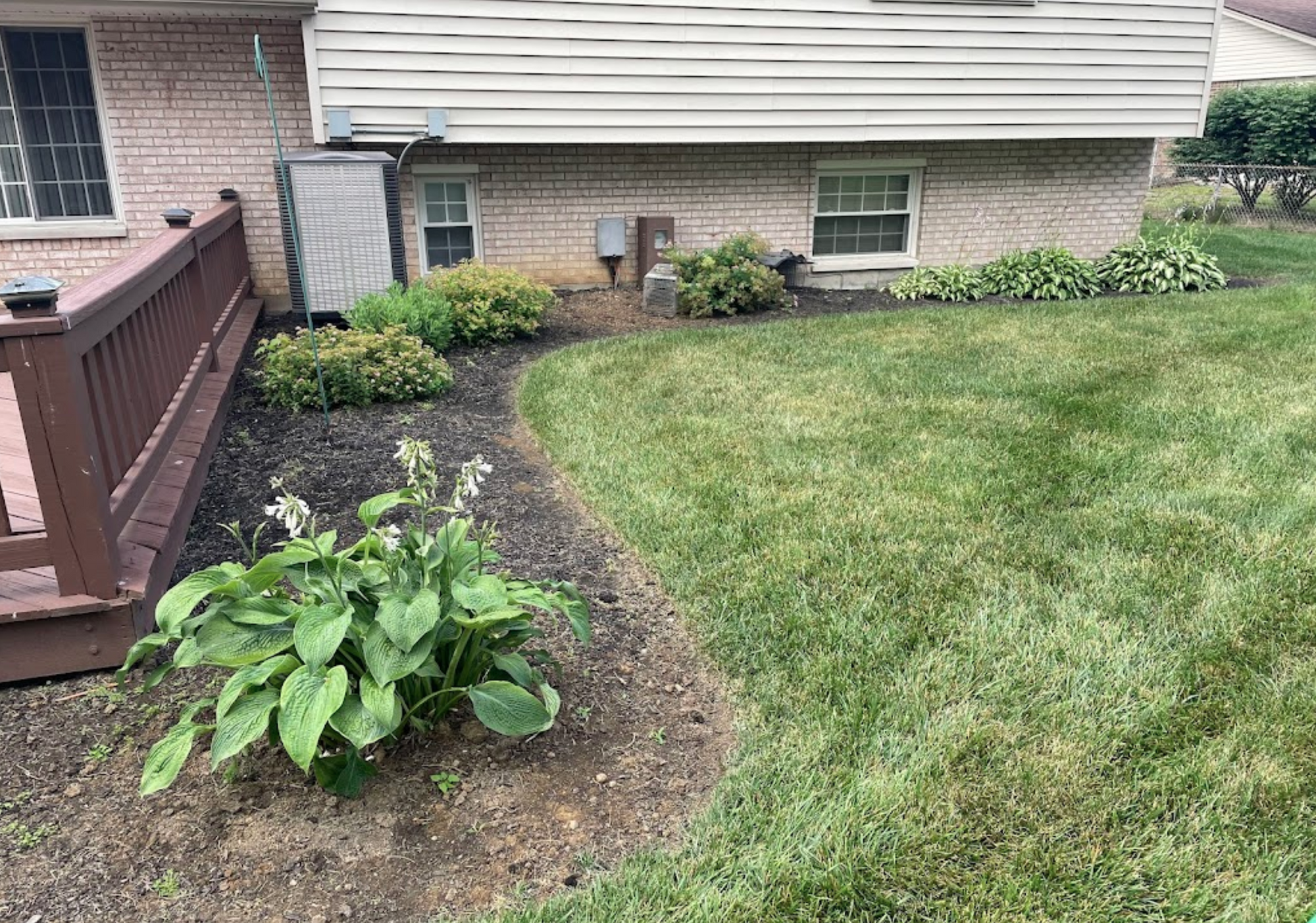
North Ridgeville gets about 38 inches of rain a year plus consistent lake effect humidity, which speeds up microbial activity and breaks natural hardwood mulch down within a single season. Dyed and non natural mulches hold their look longer because the coloring and processing slow that decomposition. The tradeoff is that natural mulch feeds the soil as it goes, while dyed mulch mostly stays put and stays pretty.

Before image
After image
Slider handle
Before
After

Complete Your Outdoor Mulch Project

Pair your mulch with a few yards of screened topsoil or compost to build up tired beds before spreading, and add decorative stone for downspout splash zones and drip lines where mulch would keep washing away.

Mulch Mound Pro Tip

Edge before you mulch, not after. Cut a clean four inch deep trench along the bed line with a spade so the mulch has a shoulder to sit against. On North Ridgeville's flat lots, that trench also catches the sheet flow that runs across the lawn during heavy spring rain, which keeps mulch from floating out onto the sidewalk every time we get a two inch downpour.

Mulch Mound Pro Tip

Water the beds thoroughly the day before you spread if the soil is dry. Silt loam that has baked in July sun develops a surface crust that sheds water, and dry mulch laid on top of it can actually shed the next rainfall too. Moist soil under fresh mulch lets the layer knit down and start working immediately instead of sitting there like a shingle.

Mulch Mound Pro Tip

Skip the volcano. Piling mulch against a maple or pear trunk is the fastest way to rot the bark, and it is everywhere in local neighborhoods. Spread the ring wide and flat instead, out to the drip line if you can, and leave the trunk flare visible. Wide and shallow beats tall and narrow every time, especially through our freeze and thaw winters.

Frequently Asked Questions

Click a question to see the answer

Answer

When should I mulch my beds in North Ridgeville?

Wait until the soil warms, generally the last week of April through mid May, right around our average last frost of April 30. Mulching too early over cold, saturated silt loam traps the chill and slows down perennials and shrubs that are trying to break dormancy.

Answer

How fast does mulch break down here with all our rain?

With about 38 inches of annual rainfall and warm, humid Julys, hardwood mulch in North Ridgeville typically thins out noticeably by the end of one season. Most homeowners top dress an inch or so each spring rather than starting over, which keeps the decomposed layer feeding the silt loam underneath.

Answer

Will mulch help with the standing water in my backyard?

Mulch will not fix drainage on its own, since North Ridgeville's silt loam holds water and many lots here are nearly flat at around 725 feet of elevation. What mulch does is keep the surface from sealing over so rain infiltrates instead of pooling, and it protects roots from the crusting that follows a wet spell.

Answer

How much mulch do I need for a typical front bed?

A cubic yard covers about 108 square feet at three inches deep. A common North Ridgeville foundation bed running 30 feet along the house at 5 feet deep is roughly 150 square feet, so figure a yard and a half.

Answer

Does dyed mulch fade in our summers?

Some fading happens by August, though North Ridgeville's frequent cloud cover off the lake means dyed black and brown mulch tends to hold color better here than in sunnier, drier regions. A light refresh in late spring the following year usually brings it right back.

Answer

Should I pull last year's mulch out first?

Usually not. Old mulch is already breaking into organic matter that our silt loam badly needs. Just rake the crusted top layer loose to break up any matting, then add one to two fresh inches. Only strip it out if total depth has climbed past four inches against your foundation.

Answer

Will mulch attract termites or mice near my foundation?

Keep mulch pulled back three to four inches from siding and foundation walls and you will avoid the moisture bridge that causes trouble. Around here the bigger nuisance is voles tunneling under deep winter mulch, so keep it shallow around the crowns of shrubs and young trees.

The Unique Landscape of North Ridgeville

North Ridgeville sits on heavy silt loam left behind by old Lake Erie beach ridges, and that soil crusts over hard after a driving spring rain. With roughly 38 inches of precipitation a year, a lot of it arriving in gray March and April stretches, bare beds along Center Ridge Road and Lorain Road wash out and pack down fast. A steady mulch layer takes the impact of that rain, keeps the silt particles from sealing shut, and lets water soak in instead of running toward the street. In Zone 6b, mulch also buffers the freeze and thaw cycles that heave shallow rooted perennials right out of the ground between December and March. From the last frost around April 30 to first frost near October 22, that same layer holds summer moisture through the dry August stretch when city water bills climb.