About this stone

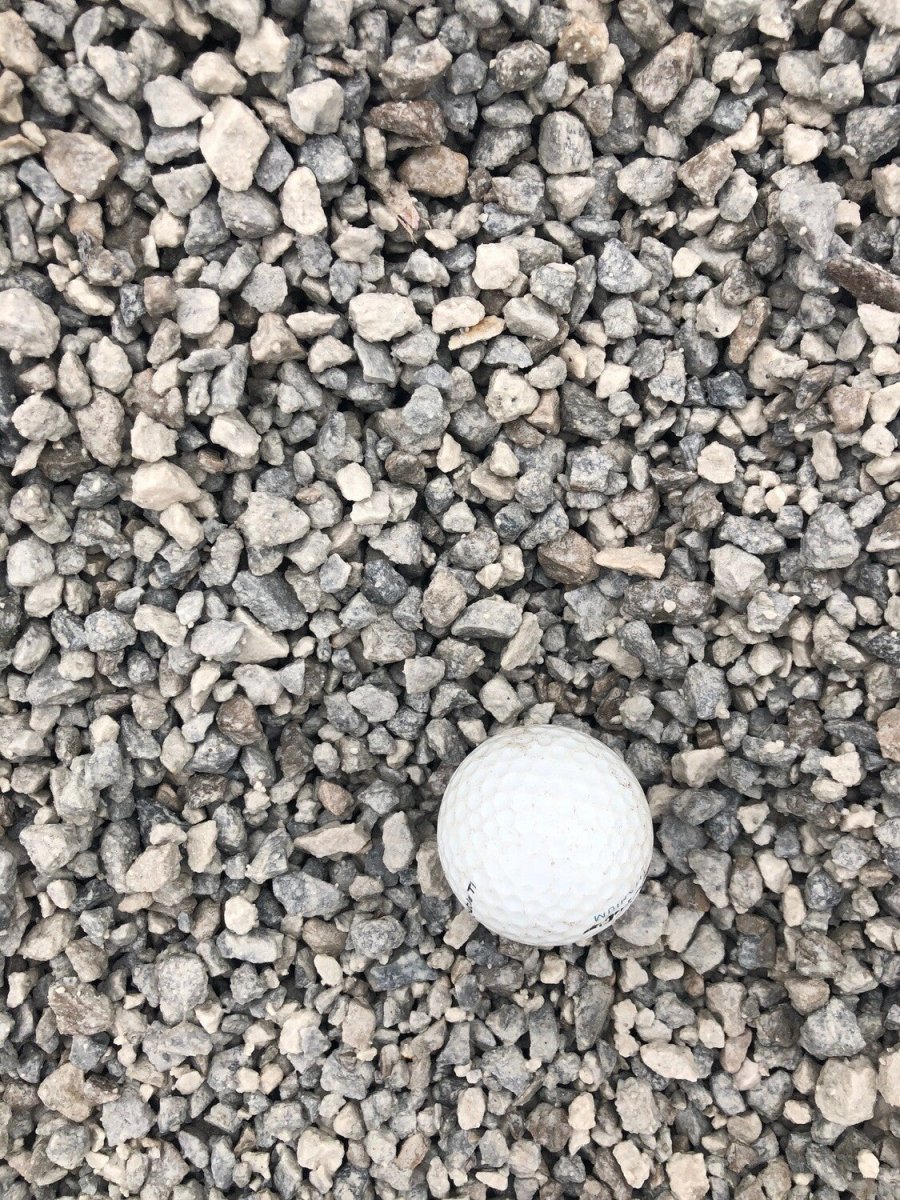
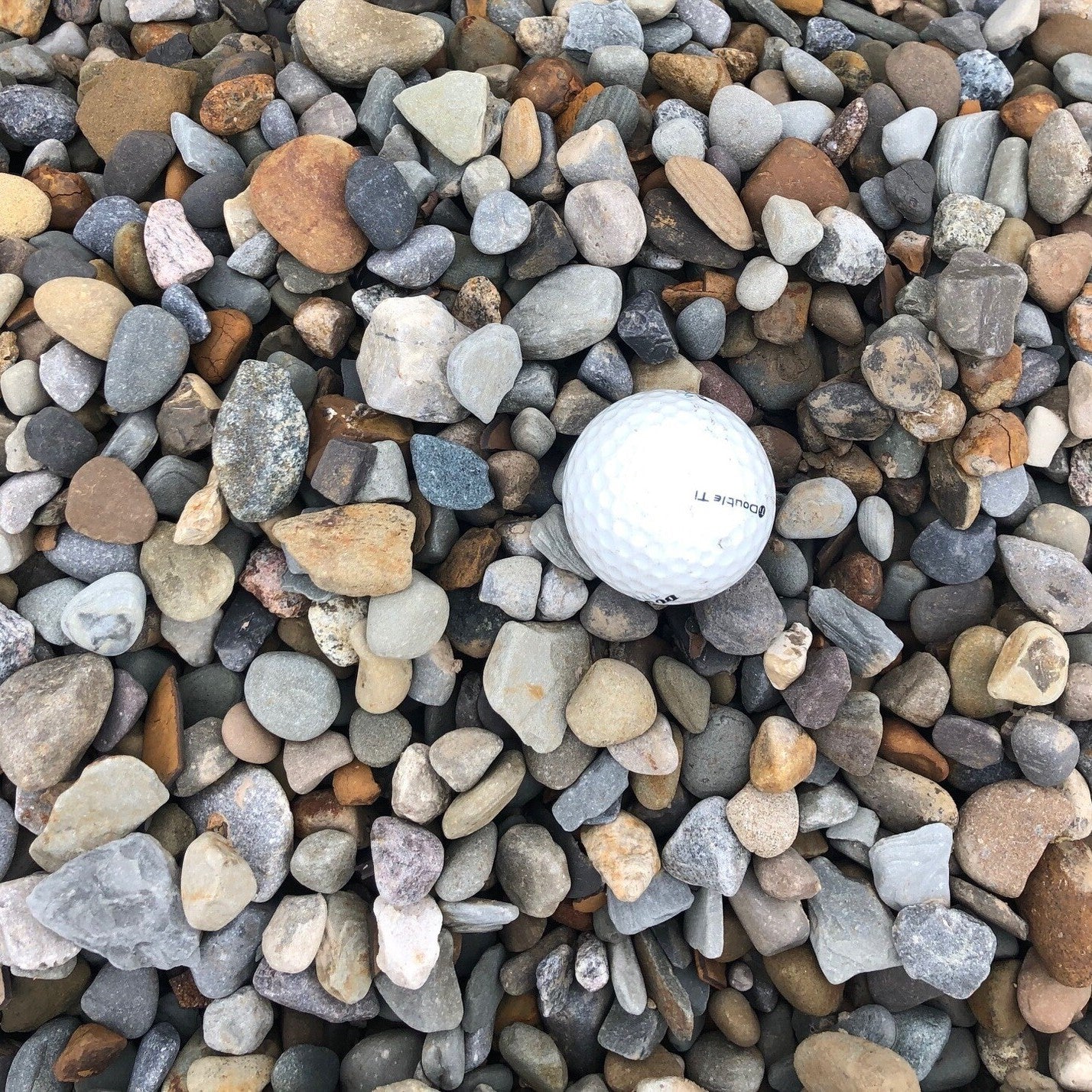
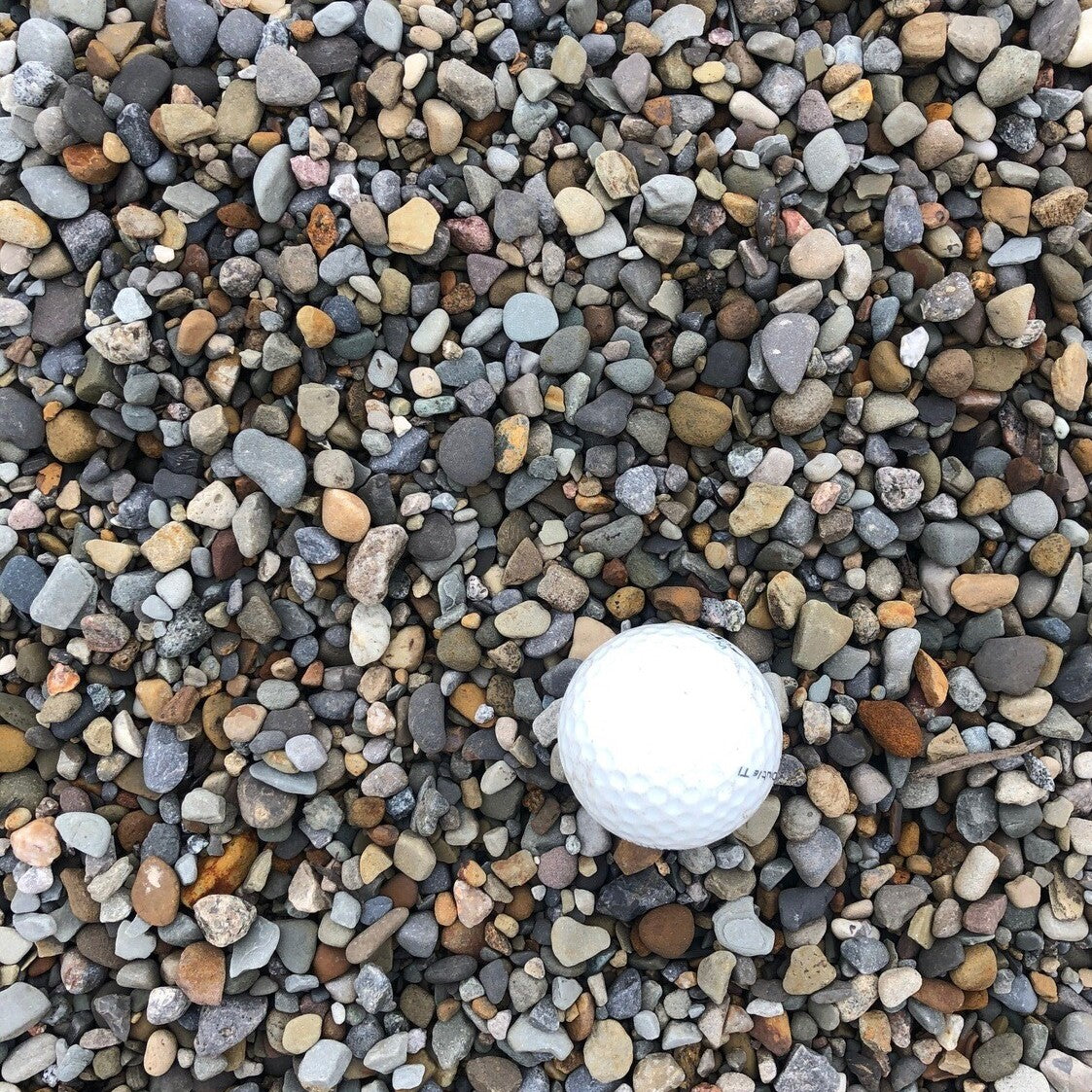
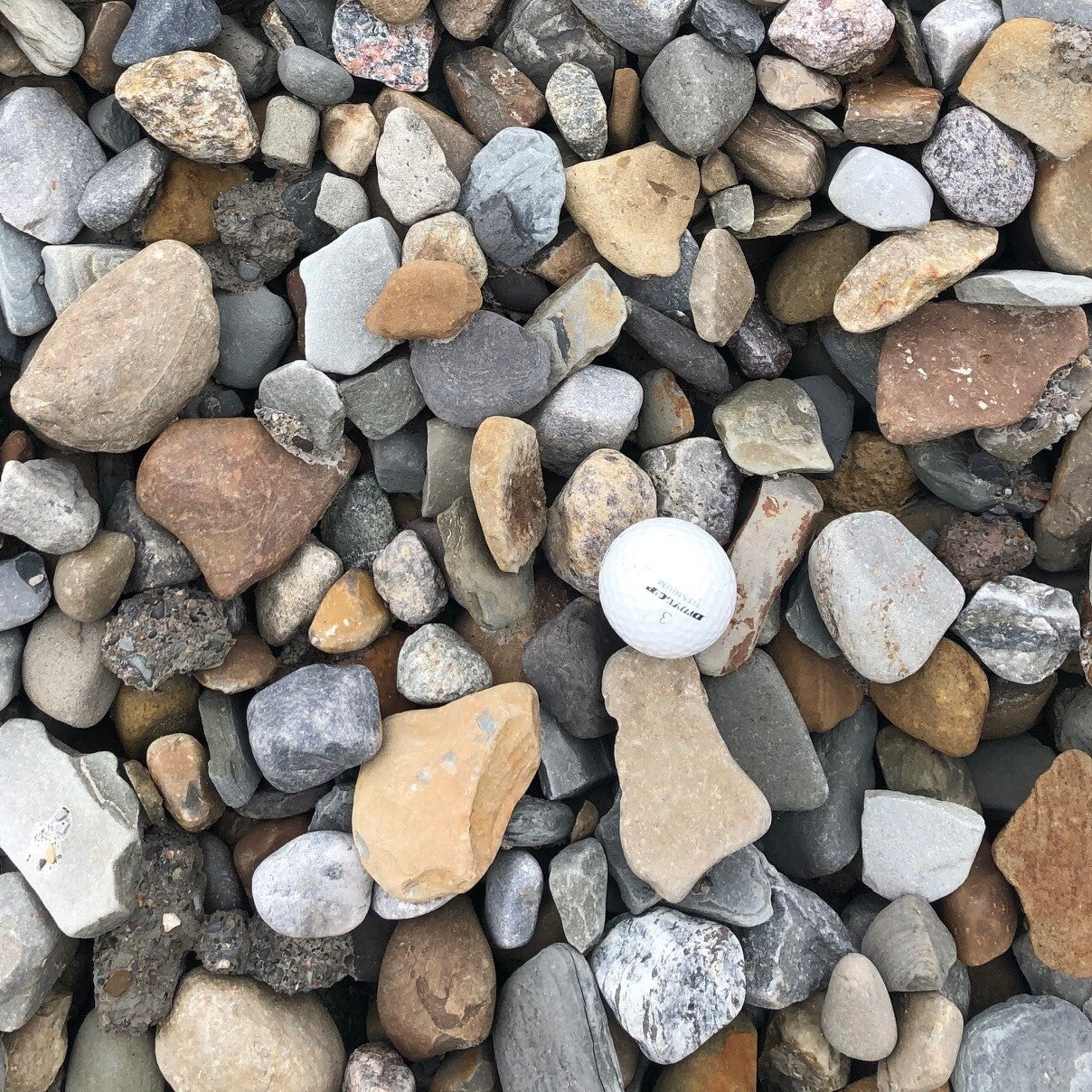
#8 washed gravel: small angular crushed stone perfect for drainage, French drains, and concrete bases.

My experience with Mulch Mound was great and super easy. I ordered two yards of screened topsoil and was able to get it delivered within 2 days. They came in my requested time frame (afternoon) and dropped it off where I asked on my driveway. The topsoil was exactly what was a...

Two to three inches covers decorative stone beds and drip lines. Anything structural, like a driveway, walkway base, or parking pad on North Ridgeville's soft silt loam, needs four to six inches of compacted base aggregate underneath.
Use our free stone calculator

A yard is approximately 27 cubic feet. As a general guideline, one yard of material can cover an area of about 100-160 square feet at a 2-3 inch depth.

North Ridgeville Stone Delivery

North Ridgeville Stone Delivery

4.7
137 reviews
Regular price $87.00 per Yard
Regular price Sale price $87.00
Sale Sold out
Shipping calculated at checkout.
Type
Size
Hand-picked local yards
4,000+ regional deliveries
Dedicated support
Why order through Mulch Mound

The best local , without the guesswork.

We hand-pick and partner with the best yards in your region, keep only the ones our buyers rate well, and back each load with our guarantee.

Mulch Mound Guarantee

If your isn't the quantity or quality you ordered, we'll make it right.

About this stone

#8 washed gravel: small angular crushed stone perfect for drainage, French drains, and concrete bases.

My experience with Mulch Mound was great and super easy. I ordered two yards of screened topsoil and was able to get it delivered within 2 days. They came in my requested time frame (afternoon) and dropped it off where I asked on my driveway. The topsoil was exactly what was a...

Two to three inches covers decorative stone beds and drip lines. Anything structural, like a driveway, walkway base, or parking pad on North Ridgeville's soft silt loam, needs four to six inches of compacted base aggregate underneath.
Use our free stone calculator

A yard is approximately 27 cubic feet. As a general guideline, one yard of material can cover an area of about 100-160 square feet at a 2-3 inch depth.

View full details

How It Works

Getting started is easy — just follow these simple steps

1

Choose your stone

Make sure you adjust the quantity to your home's needs. You can use our calculator to estimate how much you'll need.

2

Select your delivery date

Select a delivery date you'd like for the product to be dropped off at your home

3

Sit back and wait

Sit back, wait, and let us work our magic to make sure the highest quality product is delivered to your driveway.

From The Mouths of North Ridgeville Folks

4.7
out of 5 based on 137 reviews
Google Reviews

Need Help Calculating How Much Stone & Gravel You Need?

Use our NEW Trace from Satellite tool to get an estimate for your project based on an aerial view of your property

Try Our Calculator
📍

Measure the length and width of the area and settle on your depth before calculating, remembering that stone is usually spread shallower than mulch. For a dry creek bed or swale, measure the top width rather than the bottom and average the depth across the channel. Our calculator handles the conversion to cubic yards and tons.

Complete Your Outdoor Stone Project

Add woven landscape fabric to keep stone from disappearing into the soil, plus steel or aluminum edging to hold clean lines where a stone bed meets lawn.

Mulch Mound Pro Tip

Match the stone shape to the job. Rounded river rock looks great but rolls underfoot and never locks together, so keep it in decorative beds and drainage channels. Angular crushed limestone knits tight under compaction, which is what you want for paths, patio bases, and parking areas. Using the wrong one is the most common mistake we see on North Ridgeville projects, and it shows up the first winter.

Mulch Mound Pro Tip

Build a real dry creek bed instead of a stone stripe. Dig a shallow channel eight to twelve inches deep with sloped sides, line it with fabric, set larger stones along the edges, and fill the center with smaller washed rock. On flat North Ridgeville lots this moves a surprising amount of spring runoff, and it looks intentional year round rather than like a pile of rocks in the grass.

Mulch Mound Pro Tip

Compact in layers, not all at once. Spread base aggregate two to three inches at a time and run a plate compactor over each lift with a light mist of water. Trying to compact six inches in one pass leaves a soft middle that settles unevenly through our freeze and thaw winters. The extra half hour of work is what keeps a walkway flat five years from now.

The Unique Landscape of North Ridgeville

Stone earns its keep in North Ridgeville because water is the constant problem, not the exception. With 38 inches of rain a year falling on dense silt loam and lots that sit nearly level at 725 feet, downspout outfalls, side yards, and bed edges stay soggy for days. Gravel and river rock give that water somewhere to go, and unlike mulch they do not float away when a July thunderstorm dumps an inch in twenty minutes. Stone also holds up through Zone 6b freeze and thaw, so a rock bed or gravel path looks the same in April as it did in October. For driveways, walkway bases, and drip lines against the house, a properly sized aggregate is the difference between a project that lasts one winter and one that lasts fifteen.

Frequently Asked Questions

Click a question to see the answer

Answer

What stone works best for my downspout runoff?

Washed river rock in the one to two inch range handles North Ridgeville downspout outfalls well, since it is heavy enough to stay put and open enough to let water spread and soak in. Set it over landscape fabric in a shallow swale so the runoff moves away from the foundation instead of pooling on our slow draining silt loam.

Answer

Is stone better than mulch for my beds here?

It depends on the bed. Stone is excellent along drip lines, downspouts, and narrow side yards where North Ridgeville rain keeps washing mulch out. For plant beds it is less ideal, because stone does not add the organic matter that our compacted silt loam needs and it radiates heat onto shallow rooted shrubs in August.

Answer

How much stone do I need for a gravel driveway?

Figure a four inch base of number 304 limestone with a one to two inch topping of number 8 or number 57. A cubic yard covers about 80 square feet at four inches, so a typical 12 by 40 foot North Ridgeville driveway apron needs roughly six yards for the base alone.

Answer

Will stone sink into my soft ground over the winter?

Without a barrier it will. North Ridgeville's freeze and thaw cycles pump stone down into soft silt loam over a season or two. Lay a woven geotextile fabric underneath, not the thin plastic kind, and use angular limestone rather than rounded rock in any area that carries weight.

Answer

Can I use limestone next to acid loving plants?

Be careful. Limestone slowly raises pH as it weathers, which most North Ridgeville plants tolerate fine, but azaleas, blueberries, and rhododendrons will yellow out. Use washed river rock or granite based gravel near those plantings instead.

Answer

How do I keep weeds out of a stone bed?

Fabric underneath helps for the first few years, but the real issue here is that windblown silt and leaf litter build a thin soil layer on top of the stone, and weeds germinate in that. Blow debris out each fall before our first frost near October 22 and the bed stays clean far longer.

Answer

How much does a yard of stone weigh compared to mulch?

Roughly 2,700 pounds per cubic yard for limestone versus about 800 for mulch. That is why we ask about driveway access and pile placement before delivery, and why most homeowners spread stone in stages rather than trying to knock out five yards in one Saturday.