


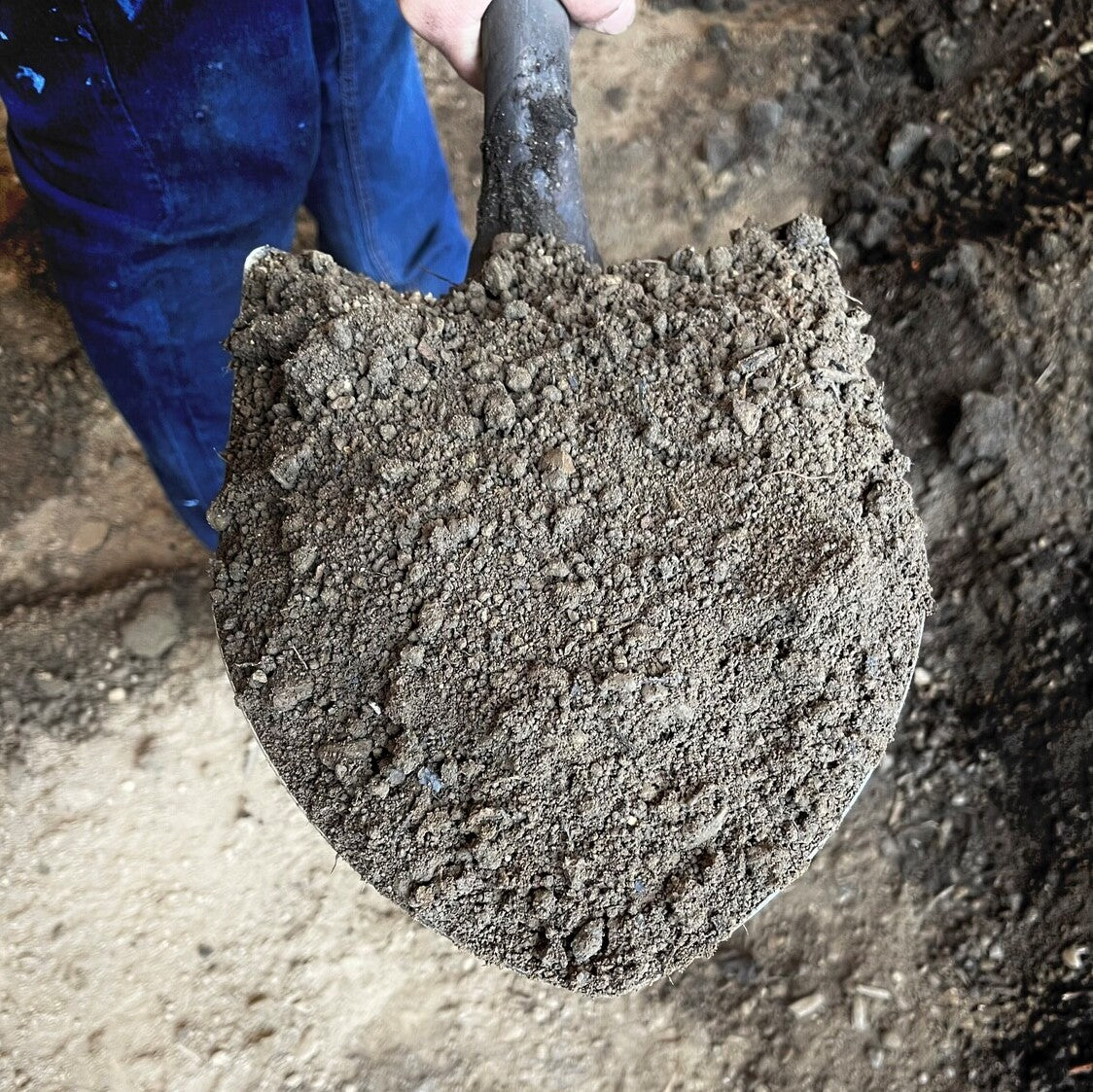


I needed 3 yards of top soil and that's what I got! Right on time and right where I asked it to be placed (Order# 2041).
About this soil
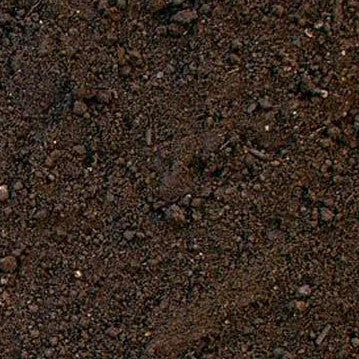
Screened topsoil with a fine, even texture. Ideal for new lawns, sod prep, and raised garden beds.
I needed 3 yards of top soil and that's what I got! Right on time and right where I asked it to be placed (Order# 2041).
Tell us what you're looking for
Thanks! We received your request.
Something went wrong. Please try again.
How Much Material Do I Need?
How Much Material Do I Need?
For new raised beds in Oakland, fill to a depth of 12 inches to give vegetable and flower roots full range of movement above the native clay layer. For topdressing established beds or lawns, a 1 to 2 inch application worked lightly into the surface is sufficient to improve texture and reintroduce organic matter after a long dry season.
Use our free soil calculator
What is a Yard?
What is a Yard?
FAQs
FAQs
Oakland Soil Delivery
Oakland Soil Delivery
Regular price
$83.00
per
Yard
Regular price
Sale price
$83.00
Unit price
per
Shipping calculated at checkout.
Minimum of 3 Yard
Couldn't load pickup availability
Not currently available
We can't take orders for this right now. Tell us what you need and we'll get back to you.
Hand-picked local yards
4,000+ regional deliveries
Dedicated support
Why order through Mulch Mound
The best local , without the guesswork.
We hand-pick and partner with the best yards in your region, keep only the ones our buyers rate well, and back each load with our guarantee.
Mulch Mound Guarantee
If your isn't the quantity or quality you ordered, we'll make it right.
About this soil
Screened topsoil with a fine, even texture. Ideal for new lawns, sod prep, and raised garden beds.
I needed 3 yards of top soil and that's what I got! Right on time and right where I asked it to be placed (Order# 2041).
How Much Material Do I Need?
How Much Material Do I Need?
For new raised beds in Oakland, fill to a depth of 12 inches to give vegetable and flower roots full range of movement above the native clay layer. For topdressing established beds or lawns, a 1 to 2 inch application worked lightly into the surface is sufficient to improve texture and reintroduce organic matter after a long dry season.
Use our free soil calculator
What is a Yard?
What is a Yard?
FAQs
FAQs
Tell us what you're looking for
Thanks! We received your request.
Something went wrong. Please try again.
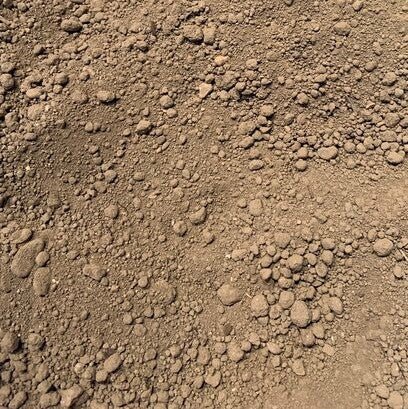
How It Works
Getting started is easy — just follow these simple steps
1
Choose your soil
Make sure you adjust the quantity to your home's needs. You can use our calculator to estimate how much you'll need.
2
Select your delivery date
Select a delivery date you'd like for the product to be dropped off at your home
3
Sit back and wait
Sit back, wait, and let us work our magic to make sure the highest quality product is delivered to your driveway.

Highest compliments. Great driver.
Website is easy to navigate. Just a seamless process. 5 stars!!

Need Help Calculating How Much Soil You Need?
Use our NEW Trace from Satellite tool to get an estimate for your project based on an aerial view of your property
Try Our CalculatorMeasure the length, width, and desired depth of your project area and plug those numbers into our calculator to get your cubic yard total. For raised beds, measure the interior dimensions, not the outside of the frame. If you are spreading soil over an existing garden bed as a topdressing, a 2-inch layer is usually enough to refresh nutrients and structure without burying existing plant crowns.
Complete Your Outdoor Soil Project
Add a bulk mulch order to top your newly filled beds, which will protect that fresh soil from crusting and evaporation through Oakland's summer dry season. A compost amendment mixed into the base layer before you add soil gives your planting medium an extra biological boost right from the start.
Service area
Areas we deliver soil in Oakland, California
- Alameda, California
- American Canyon, California
- Ashland, California
- Bay Point, California
- Belmont, California
- Benicia, California
- Berkeley, California
- Burlingame, California
- Castro Valley, California
- Concord, California
- Daly City, California
- Danville, California
- Dublin, California
- East Palo Alto, California
- El Cerrito, California
- Foster City, California
- Hayward, California
- Hercules, California
- Lafayette, California
- Livermore, California
- Los Altos, California
- Martinez, California
- Menlo Park, California
- Millbrae, California
- Mountain View, California
- Newark, California
- Novato, California
- Pacifica, California
- Palo Alto, California
- Pittsburg, California
- Pleasant Hill, California
- Pleasanton, California
- Redwood City, California
- Richmond, California
- San Bruno, California
- San Carlos, California
- San Leandro, California
- San Lorenzo, California
- San Mateo, California
- San Pablo, California
- San Rafael, California
- San Ramon, California
- South San Francisco, California
- Stanford, California
- Sunnyvale, California
- Union City, California
- Vallejo, California
- Walnut Creek, California
Mulch Mound Pro Tip
Oakland gardeners often underestimate how much soil settles after the first winter rains. A raised bed filled to the brim in October may look 2 to 3 inches short by February, once the material has been soaked and compressed. Order 10 to 15 percent more than your calculated volume if you want beds to look full and stay productive through the wet season without needing an emergency topdress.
Mulch Mound Pro Tip
If you are replacing lawn with a drought-tolerant planting in Oakland, resist the urge to skip the soil prep step. Sod removal often strips away most of the workable topsoil, leaving compacted clay subsoil that even native plants struggle to establish in. Bringing in several inches of quality amended soil across the entire conversion area, then mulching over it, gives your new plantings the structure they need to put down roots before the dry season arrives.
Mulch Mound Pro Tip
Oakland sits in a seismically active zone, and gardeners with hillside properties should think carefully about soil weight and slope stability when adding bulk material. On sloped sites, build level terraces or use retaining structures before adding heavy soil loads, and choose lighter-weight mixes that include perlite rather than dense, sand-heavy blends. A stable, well-planted slope with healthy soil resists erosion better than bare clay during Oakland's intense winter storm events.
The Unique Landscape of Oakland
Oakland sits on clay loam that presents real challenges for gardeners, from compaction to poor drainage to a tendency to dry into hard, cracked layers by midsummer. Importing quality amended soil lets you sidestep those limitations, whether you are building raised beds, filling low spots, or establishing new plantings. With growing season essentially running most of the year in Zone 10a, having biologically active, well-structured soil gives every plant you put in the ground a genuine advantage. Oakland's concentrated winter rainfall also means soil quality directly affects how well your yard handles those storms, since dense native clay repels water while amended soil absorbs and holds it. Whether you are growing vegetables in a backyard plot or installing a new drought-tolerant front yard, starting with the right soil foundation changes everything downstream.