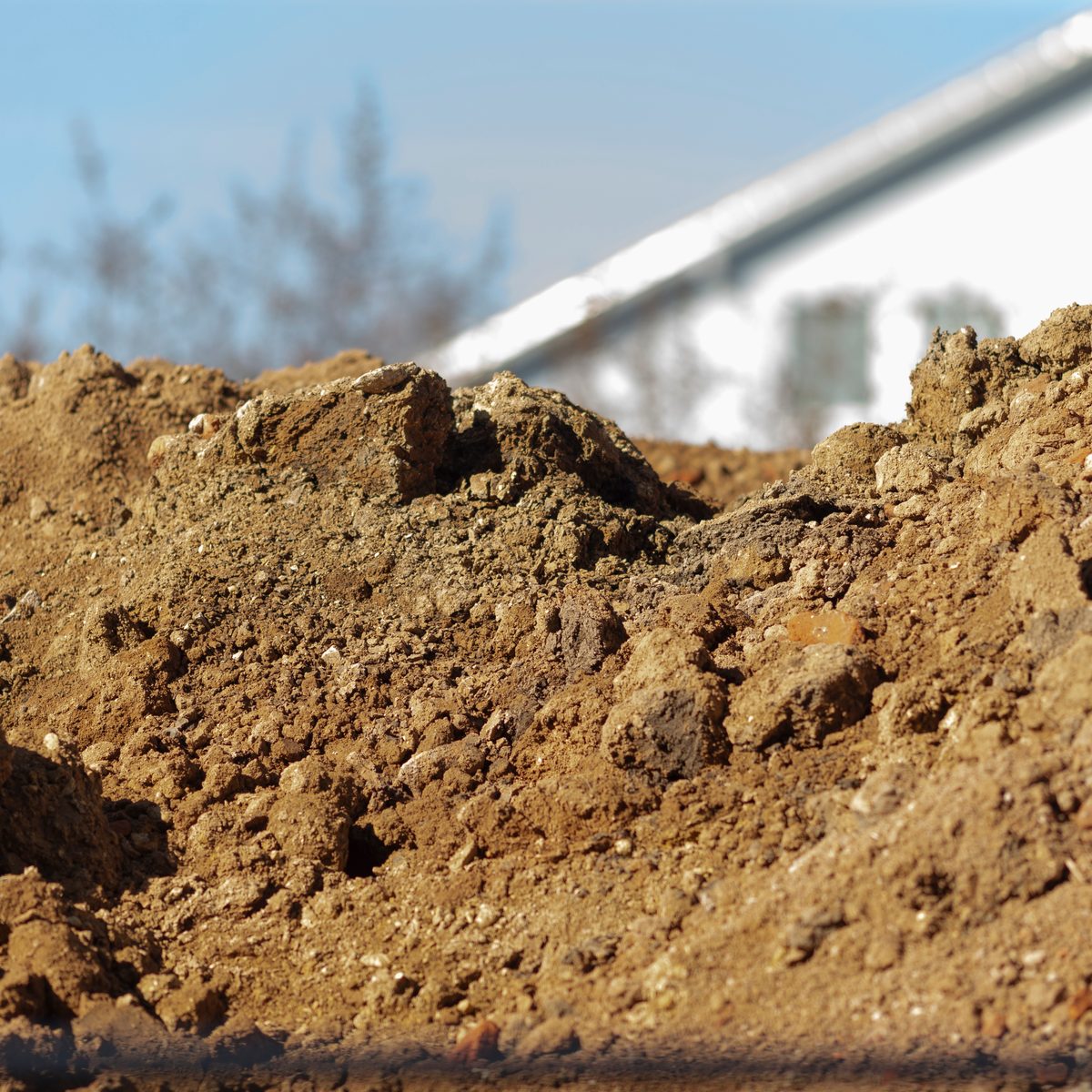
About this fill dirt

Screened fill dirt free of debris, for raising low ground and backfilling. Structural material, place it in lifts and compact as you go.

Wonderful experience! They put the mulch exactly where we wanted. This mulch spread very easily and didn’t have the usual “mulch smell.” We will definitely use again!

One cubic yard of fill dirt covers about 54 square feet at a 6 inch depth, so a 10 by 10 foot low spot needs roughly two yards to bring it level. For deeper fills, figure your total depth in inches, divide by 6, and multiply that by the yardage needed per 6 inch lift, since it should go down in compacted layers rather than one deep dump. At 1.3 tons per yard, this material is heavy, so get the total volume close before ordering.

A yard is approximately 27 cubic feet. As a general guideline, one yard of material can cover an area of about 100-160 square feet at a 2-3 inch depth.

Oakland Fill Dirt Delivery

Oakland Fill Dirt Delivery

4.7
137 reviews
Regular price $38.00 per Yard
Regular price Sale price $38.00
Sale Sold out
Shipping calculated at checkout.
Type
Size
Hand-picked local yards
4,000+ regional deliveries
Dedicated support
Why order through Mulch Mound

The best local fill dirt, without the guesswork.

We hand-pick and partner with the best yards in your region, keep only the ones our buyers rate well, and back each load with our guarantee.

Mulch Mound Guarantee

If your fill dirt isn't the quantity or quality you ordered, we'll make it right.

About this fill dirt

Screened fill dirt free of debris, for raising low ground and backfilling. Structural material, place it in lifts and compact as you go.

Wonderful experience! They put the mulch exactly where we wanted. This mulch spread very easily and didn’t have the usual “mulch smell.” We will definitely use again!

One cubic yard of fill dirt covers about 54 square feet at a 6 inch depth, so a 10 by 10 foot low spot needs roughly two yards to bring it level. For deeper fills, figure your total depth in inches, divide by 6, and multiply that by the yardage needed per 6 inch lift, since it should go down in compacted layers rather than one deep dump. At 1.3 tons per yard, this material is heavy, so get the total volume close before ordering.

A yard is approximately 27 cubic feet. As a general guideline, one yard of material can cover an area of about 100-160 square feet at a 2-3 inch depth.

View full details

How It Works

Getting started is easy — just follow these simple steps

1

Choose your quantity

Adjust the quantity to match your project. One cubic yard covers about 100 to 160 square feet at a 2 to 3 inch depth.

2

Select your delivery date

Select a delivery date you'd like for the product to be dropped off at your home

3

Sit back and wait

Sit back, wait, and let us work our magic to make sure the highest quality product is delivered to your driveway.

From The Mouths of Oakland Folks

4.7
out of 5 based on 137 reviews
Google Reviews

Complete Your Outdoor Project

Most fill jobs in Oakland finish with a few inches of topsoil capping the fill dirt wherever grass, garden beds, or landscaping will go on top, since fill dirt itself won't support root growth. If the area is heading toward a patio or paver base instead, a layer of crushed stone on top of the compacted fill gives you a stable base to build on.

Mulch Mound Pro Tip

Fill dirt has to go down in lifts, not one deep pour. Spread it in 6 to 8 inch layers and compact each one with a plate compactor or hand tamper before adding the next. Skip this step and the ground will keep settling for a year or more as it slowly compacts under its own weight, which shows up as a sunken patch right where you least want it, usually near a foundation or under a new patio.

Mulch Mound Pro Tip

A common mistake is treating fill dirt like topsoil and trying to plant directly into it. It's subsoil, stripped of the organic matter that makes topsoil workable, so grass and plants struggle in it. Always cap finished, compacted fill with 4 to 6 inches of actual topsoil before seeding, sodding, or planting anything, especially given Oakland's sandy loam base which already drains fast.

Mulch Mound Pro Tip

Order slightly more than your calculated volume, since compaction reduces the finished height by 10 to 20 percent once each lift is tamped down. It's more efficient to have a small surplus for touch ups than to place a partial order and wait on a second delivery mid project. Pair fill dirt with crushed stone if you're building toward a paver patio or shed pad, since stone gives the final compacted layer real load bearing strength.

Grading and Filling in Oakland

Oakland sits at 236 feet in a valley with a lot of sandy loam base soil, which drains fine on its own but doesn't hold a grade well when it's disturbed for construction or additions. That's exactly when fill dirt gets used here, backfilling around new foundations, leveling sunken spots left by old tree stumps or drainage work, and building up low areas before a patio or shed pad goes in. With first frost around October 9 and last frost around April 30, most fill projects happen in the long stretch between spring thaw and fall, when the ground is workable and compaction actually holds. This isn't topsoil and isn't meant to grow anything, it's the structural layer underneath.

What Clean Fill Is

Clean fill is screened subsoil free of debris, roots, and contaminants. It is made for volume and grade, and it compacts predictably, which is exactly what you want under slabs, in trenches, and behind walls.

Fill Dirt vs Topsoil

Fill dirt builds the shape of the ground, topsoil grows things on top of it. Bring the grade up with fill, then cap it with 4 to 6 inches of topsoil anywhere grass or plants are going in.

Compact in Lifts

Place fill in layers of 4 to 6 inches and compact each one before adding the next. Dumping the full depth at once leaves voids that settle later, and settling is the one problem fill is supposed to solve.

Frequently Asked Questions

Click a question to see the answer

Answer

Is fill dirt the same as topsoil?

No, fill dirt is subsoil screened of rocks and debris, meant purely as a structural base material for raising grade or backfilling. It doesn't have the organic content topsoil has, so it won't support planting on its own. Most Oakland projects use fill dirt to build up the grade, then cap it with a few inches of topsoil wherever grass or plants are going in.

Answer

How many cubic yards of fill dirt do I need for a low spot in my yard?

One cubic yard covers about 54 square feet at a 6 inch depth. Measure your low area's square footage, decide how many inches you need to raise it, and scale from there, a 200 square foot area needing 6 inches would run around 3.7 cubic yards. Round up slightly since compaction settles the material lower than it sits loose.

Answer

Do I need to compact fill dirt before building on it?

Yes, always. Fill dirt should be placed in 6 to 8 inch lifts and compacted after each layer, whether by hand tamper or plate compactor. Skipping compaction means the ground keeps settling for a year or more, which can crack patios, shift sheds, or pull away from foundations. This matters even more on sloped Oakland lots where uneven settling shows up fast.

Answer

Where can the delivery truck drop the fill dirt on my property?

The truck places the load wherever you specify, typically a driveway or a flat, accessible spot close to the work area, since fill dirt is heavy and moving it far by wheelbarrow is slow going. Make sure the access path is clear and has enough width and overhead clearance for a full size delivery truck before your scheduled date.

Answer

Should I use fill dirt or topsoil for backfilling around my foundation?

Fill dirt is the right choice for foundation backfill, it's a denser structural material meant to hold its shape and support weight once compacted. Topsoil is too loose and organic for that job and will settle unevenly over time. Use fill dirt for the structural backfill, then finish with topsoil only in the top few inches if grass needs to grow there.

More delivery around Oakland, New Jersey

All Oakland, New Jersey landscape supply