




Great service. We ordered topsoil from Mulch Mound and the best experience. Thank you so much!
About this soil
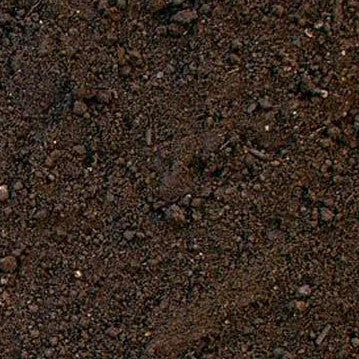
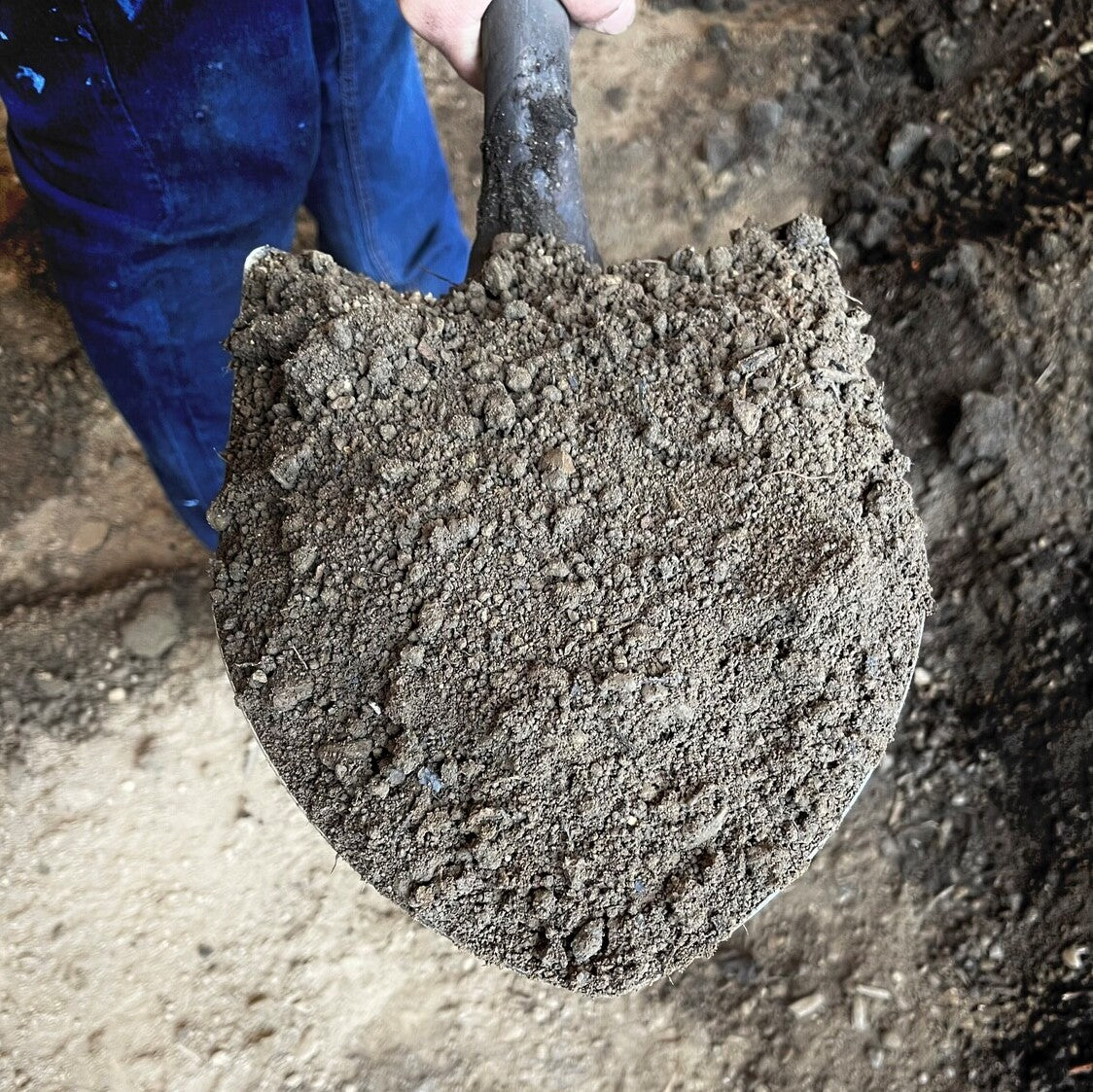
Screened topsoil with a fine, even texture. Ideal for new lawns, sod prep, and raised garden beds.
Great service. We ordered topsoil from Mulch Mound and the best experience. Thank you so much!
Tell us what you're looking for
Thanks! We received your request.
Something went wrong. Please try again.
How Much Material Do I Need?
How Much Material Do I Need?
For raised bed fills, plan on enough soil to fill the bed to within an inch of the top and then add 10 percent to your order to account for settling after the first few waterings. For ground-level bed improvement in Oceanside, a 4 inch topdress layer is a practical starting depth that makes a real difference without requiring excessive material.
Use our free soil calculator
What is a Yard?
What is a Yard?
FAQs
FAQs
Oceanside Soil Delivery
Oceanside Soil Delivery
Regular price
$83.00
per
Yard
Regular price
Sale price
$83.00
Unit price
per
Shipping calculated at checkout.
Minimum of 3 Yard
Couldn't load pickup availability
Not currently available
We can't take orders for this right now. Tell us what you need and we'll get back to you.
Hand-picked local yards
4,000+ regional deliveries
Dedicated support
Why order through Mulch Mound
The best local , without the guesswork.
We hand-pick and partner with the best yards in your region, keep only the ones our buyers rate well, and back each load with our guarantee.
Mulch Mound Guarantee
If your isn't the quantity or quality you ordered, we'll make it right.
About this soil
Screened topsoil with a fine, even texture. Ideal for new lawns, sod prep, and raised garden beds.
Great service. We ordered topsoil from Mulch Mound and the best experience. Thank you so much!
How Much Material Do I Need?
How Much Material Do I Need?
For raised bed fills, plan on enough soil to fill the bed to within an inch of the top and then add 10 percent to your order to account for settling after the first few waterings. For ground-level bed improvement in Oceanside, a 4 inch topdress layer is a practical starting depth that makes a real difference without requiring excessive material.
Use our free soil calculator
What is a Yard?
What is a Yard?
FAQs
FAQs
Tell us what you're looking for
Thanks! We received your request.
Something went wrong. Please try again.

How It Works
Getting started is easy — just follow these simple steps
1
Choose your soil
Make sure you adjust the quantity to your home's needs. You can use our calculator to estimate how much you'll need.
2
Select your delivery date
Select a delivery date you'd like for the product to be dropped off at your home
3
Sit back and wait
Sit back, wait, and let us work our magic to make sure the highest quality product is delivered to your driveway.

Placing an order online was so easy. Delivery was on time. When the driver realized we had a newly poured driveway they erred on the side of cautio...
Read full review
Placing an order online was so easy. Delivery was on time. When the driver realized we had a newly poured driveway they erred on the side of caution and opted not ti drive in it. The company even sent me a message explaining that call. Would recommend!

Online ordering was really simple and I liked the transparent pricing.
Need Help Calculating How Much Soil You Need?
Use our NEW Trace from Satellite tool to get an estimate for your project based on an aerial view of your property
Try Our CalculatorFor raised beds, multiply the length by the width by the desired depth in feet to get cubic feet, then divide by 27 to convert to cubic yards. For open ground areas you want to improve, measure the square footage of the area and plan for a 4 inch layer as your baseline, which works out to about 1.2 cubic yards per 100 square feet. Our calculator handles these conversions automatically so you can just enter your measurements.
Complete Your Outdoor Soil Project
Pairing a soil order with a bulk mulch delivery lets you build and protect your beds in one project, with the mulch going on top of the new soil to lock in moisture and moderate soil temperature. A gravel or decomposed granite border around your soil beds also helps contain material and gives the finished area a clean, defined edge.
Service area
Areas we deliver soil in Oceanside, California
Mulch Mound Pro Tip
Oceanside's year-round growing season is a genuine advantage, but it also means your soil never gets a cold-weather rest period that would naturally slow nutrient cycling. To keep raised bed and amended ground soil productive across continuous planting rotations, plan to incorporate a thin layer of fresh compost-rich soil or a soil amendment into the top few inches of your beds every 6 to 12 months. This practice keeps organic matter levels from declining and sustains the soil structure that supports healthy root growth.
Mulch Mound Pro Tip
When you receive a bulk soil delivery in Oceanside, try to schedule your project during a mild part of the year when temperatures are in the 60s and 70s rather than during peak summer heat. Working fresh soil into beds and planting into new soil when temperatures are moderate gives transplants a much easier time establishing before heat stress kicks in. The stretch from October through April is typically the most comfortable planting window in Oceanside and aligns well with the city's short rainy season.
Mulch Mound Pro Tip
If you are improving your in-ground planting areas rather than building raised beds, do not just dump new topsoil on top of the native sandy loam and plant into it. Use a garden fork or tiller to work the new soil down into the top 6 to 8 inches of the existing ground so the two layers blend together. This prevents a hard interface between the imported soil and the native layer that can actually trap water right at the boundary and create drainage problems for plant roots.
The Unique Landscape of Oceanside
Oceanside's native sandy loam soil is workable and drains well, but its relatively low organic matter content and fast drainage can leave planting areas nutrient-poor without some soil improvement. With only 10 inches of annual rainfall concentrated in a short winter window, any nutrients in the soil have limited natural replenishment from precipitation, making quality imported soil or amendment blends an important tool for productive gardens. The coastal growing zone 10a allows Oceanside gardeners to grow an impressive range of plants year-round, but sustaining that productivity requires soil that can actually hold the fertility and moisture those plants demand. Raised beds in particular are extremely popular in Oceanside because they let homeowners build a controlled growing environment above the native sandy loam, and filling them with a quality topsoil blend makes an enormous difference in yield and plant health. Vegetable gardens, ornamental beds, and lawn areas all benefit from soil improvements that address the drainage and organic matter gaps in Oceanside's native ground. Investing in the right soil from the start reduces your long-term water use and fertilizer costs significantly.