


Great service. We ordered topsoil from Mulch Mound and the best experience. Thank you so much!
About this fill dirt
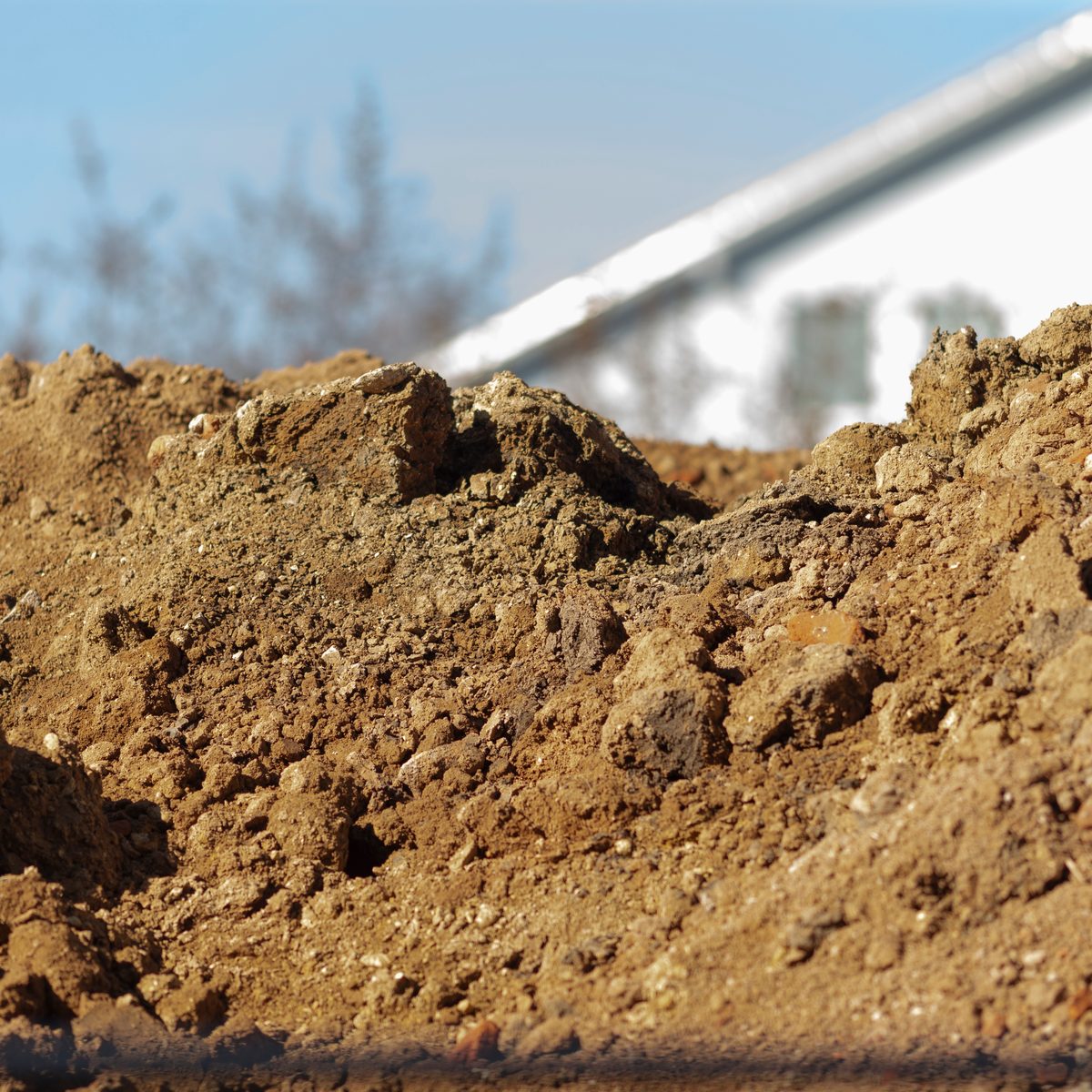
Inorganic subsoil for filling holes, raising low ground, and backfill. Small rocks and bits of stick or root are normal in the mix, this is structural material and not a growing medium. Do not use it to level a lawn surface or fill flower beds, put topsoil over it for anything you want to plant. Place it in lifts and compact as you go.
Great service. We ordered topsoil from Mulch Mound and the best experience. Thank you so much!
Tell us what you're looking for
Thanks! We received your request.
Something went wrong. Please try again.
How Much Fill Dirt Do I Need?
How Much Fill Dirt Do I Need?
One cubic yard covers about 54 square feet at a 6 inch depth, and most projects here run 6 to 12 inches depending on how much grade you're raising. Measure the low area in square feet, decide your depth, then order in cubic yards accordingly, rounding up rather than down since running short mid-project means a second delivery.
Estimate fill dirt with our free topsoil calculator
What is a Yard?
What is a Yard?
FAQs
FAQs
Oceanside Fill Dirt Delivery
Oceanside Fill Dirt Delivery
Regular price
$38.00
per
Yard
Regular price
Sale price
$38.00
Unit price
per
Shipping calculated at checkout.
Minimum of 3 Yard
Couldn't load pickup availability
Not currently available
We can't take orders for this right now. Tell us what you need and we'll get back to you.
Hand-picked local yards
4,000+ regional deliveries
Dedicated support
Why order through Mulch Mound
The best local fill dirt, without the guesswork.
We hand-pick and partner with the best yards in your region, keep only the ones our buyers rate well, and back each load with our guarantee.
Mulch Mound Guarantee
If your fill dirt isn't the quantity or quality you ordered, we'll make it right.
About this fill dirt
Inorganic subsoil for filling holes, raising low ground, and backfill. Small rocks and bits of stick or root are normal in the mix, this is structural material and not a growing medium. Do not use it to level a lawn surface or fill flower beds, put topsoil over it for anything you want to plant. Place it in lifts and compact as you go.
Great service. We ordered topsoil from Mulch Mound and the best experience. Thank you so much!
How Much Fill Dirt Do I Need?
How Much Fill Dirt Do I Need?
One cubic yard covers about 54 square feet at a 6 inch depth, and most projects here run 6 to 12 inches depending on how much grade you're raising. Measure the low area in square feet, decide your depth, then order in cubic yards accordingly, rounding up rather than down since running short mid-project means a second delivery.
Estimate fill dirt with our free topsoil calculator
What is a Yard?
What is a Yard?
FAQs
FAQs
Tell us what you're looking for
Thanks! We received your request.
Something went wrong. Please try again.
How It Works
Getting started is easy — just follow these simple steps
1
Choose your quantity
Adjust the quantity to match your project. One cubic yard covers about 100 to 160 square feet at a 2 to 3 inch depth.
2
Select your delivery date
Select a delivery date you'd like for the product to be dropped off at your home
3
Sit back and wait
Sit back, wait, and let us work our magic to make sure the highest quality product is delivered to your driveway.

One of the easiest customer service experiences I've had in a long time! Mulch Mound made it so simple. After putting it off for a while, I looked ...
Read full review
One of the easiest customer service experiences I've had in a long time! Mulch Mound made it so simple. After putting it off for a while, I looked at the weather and knew I needed to get to mulching ASAP before the rain came if I didn't want to wait another week. I put my order in for the next day online and they came right at 9 AM. The employee who dropped off the mulch did a great job, putting it right on the tarp I laid out, she even made sure none of it got on the yard and double checked the truck bed to make sure it all came out. The mulch was exactly what I needed and arrived right on time.

We have always spread our own mulch for the past 24 years. This was our first time with the Mulch Mound - things I liked: they have online ordering...
Read full review
We have always spread our own mulch for the past 24 years. This was our first time with the Mulch Mound - things I liked: they have online ordering and provide a digital receipt which means you can remember how much you ordered (I always forget for the next year!), they were on time, they were able to deliver in 48 hours, they were generous with the portion (we got 9 yards and it felt like a FULL nine yards!), the driver was polite! We have ordered from reputable places, and there is always a little trash in the mulch. The mulch we recv'd from Mulch Mound had barely any... we were pleasant surprised!!! Color was great! Not to mention - the price was competitive and LOWER than other mulch places around. We will use again !! Highly recommend! Thanks Mulch Mound!
Complete Your Outdoor Project
Most fill dirt jobs finish with a cap of topsoil once the fill is compacted, especially if lawn or planting beds go on top. If you're building up a large low spot, some jobs mix in a base layer of coarser fill before finishing with screened dirt on top. Compaction equipment, even a hand tamper for smaller jobs, is worth having on site before delivery.


Service area
Areas we deliver fill dirt in Oceanside, California
Mulch Mound Pro Tip
Sandy loam like Oceanside's compacts differently than clay based fill, it settles faster under moisture but can still leave voids if you dump it all at once. Place fill in 6 to 8 inch lifts and compact each one before adding the next. Skipping this step is the number one reason people call us back a year later asking why their yard sank near the pool deck or foundation they backfilled.
Mulch Mound Pro Tip
The most common mistake we see is treating fill dirt like topsoil and trying to plant directly into it. It has no nutrient value and compacts too tight for roots to push through. Always cap fill with 4 to 6 inches of real topsoil before seeding, sodding, or planting anything, even drought tolerant natives that do fine in Oceanside's zone 10a climate.
Mulch Mound Pro Tip
If your project needs both fill and topsoil, order them as separate deliveries rather than trying to blend them yourself on site, it saves time and keeps the structural fill layer distinct from the growing layer. For large regrading jobs, get a rough grade plan sketched out before the truck arrives so you're not guessing where each yard goes as it's dumped.
Grading and Filling in Oceanside
Oceanside sits at 65 feet with sandy loam soil that drains fast but doesn't hold shape well when you're trying to raise grade or backfill against a wall. Fill dirt gives you a structural base that compacts solid, something native sandy loam alone won't do reliably. A lot of the backfill work here is around pool decks and foundations near the coast, where the ground needs to be built up and stay put. This is not a growing medium, it's the structural layer that goes under one.
What Fill Dirt Is
Fill dirt is inorganic subsoil sold for volume and grade, not for growing. Small rocks and bits of stick or root are normal in the mix. It compacts predictably, which is exactly what you want under slabs, in trenches, and behind walls.
Fill Dirt vs Topsoil
Fill dirt builds the shape of the ground, topsoil grows things on top of it. Bring the grade up with fill, then cap it with 4 to 6 inches of topsoil anywhere grass or plants are going in.
Compact in Lifts
Place fill in layers of 4 to 6 inches and compact each one before adding the next. Dumping the full depth at once leaves voids that settle later, and settling is the one problem fill is supposed to solve.