




Ordered Dirt. Received Dirt. Would Buy Again.
About this soil
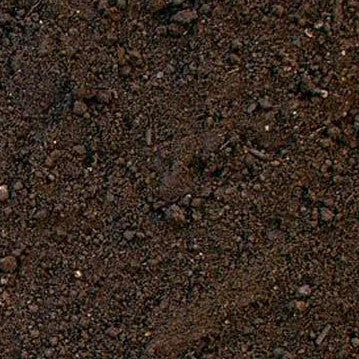
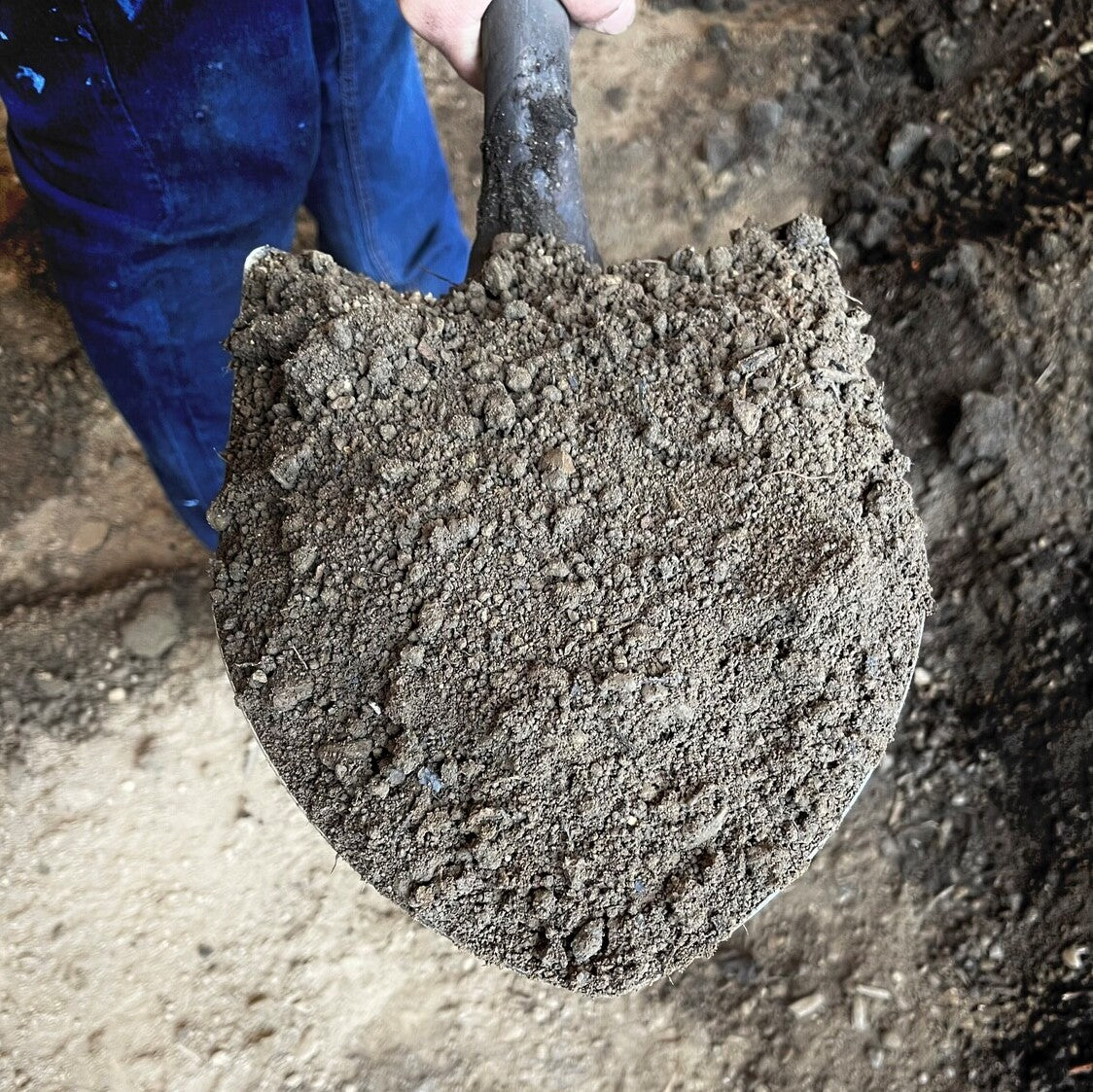
Screened topsoil with a fine, even texture. Ideal for new lawns, sod prep, and raised garden beds.
Ordered Dirt. Received Dirt. Would Buy Again.
Tell us what you're looking for
Thanks! We received your request.
Something went wrong. Please try again.
How Much Material Do I Need?
How Much Material Do I Need?
Most Palmdale planting beds benefit from 6 to 8 inches of quality soil worked into or laid over the native sandy loam for improved fertility and moisture retention. New lawn installations typically need 4 inches of topsoil as a base layer to give grass roots a nutrient-rich zone to establish before hitting the native soil below.
Use our free soil calculator
What is a Yard?
What is a Yard?
FAQs
FAQs
Palmdale Soil Delivery
Palmdale Soil Delivery
Regular price
$83.00
per
Yard
Regular price
Sale price
$83.00
Unit price
per
Shipping calculated at checkout.
Minimum of 3 Yard
Couldn't load pickup availability
Not currently available
We can't take orders for this right now. Tell us what you need and we'll get back to you.
Hand-picked local yards
4,000+ regional deliveries
Dedicated support
Why order through Mulch Mound
The best local , without the guesswork.
We hand-pick and partner with the best yards in your region, keep only the ones our buyers rate well, and back each load with our guarantee.
Mulch Mound Guarantee
If your isn't the quantity or quality you ordered, we'll make it right.
About this soil
Screened topsoil with a fine, even texture. Ideal for new lawns, sod prep, and raised garden beds.
Ordered Dirt. Received Dirt. Would Buy Again.
How Much Material Do I Need?
How Much Material Do I Need?
Most Palmdale planting beds benefit from 6 to 8 inches of quality soil worked into or laid over the native sandy loam for improved fertility and moisture retention. New lawn installations typically need 4 inches of topsoil as a base layer to give grass roots a nutrient-rich zone to establish before hitting the native soil below.
Use our free soil calculator
What is a Yard?
What is a Yard?
FAQs
FAQs
Tell us what you're looking for
Thanks! We received your request.
Something went wrong. Please try again.

How It Works
Getting started is easy — just follow these simple steps
1
Choose your soil
Make sure you adjust the quantity to your home's needs. You can use our calculator to estimate how much you'll need.
2
Select your delivery date
Select a delivery date you'd like for the product to be dropped off at your home
3
Sit back and wait
Sit back, wait, and let us work our magic to make sure the highest quality product is delivered to your driveway.


Placing an order online was so easy. Delivery was on time. When the driver realized we had a newly poured driveway they erred on the side of cautio...
Read full review
Placing an order online was so easy. Delivery was on time. When the driver realized we had a newly poured driveway they erred on the side of caution and opted not ti drive in it. The company even sent me a message explaining that call. Would recommend!
Need Help Calculating How Much Soil You Need?
Use our NEW Trace from Satellite tool to get an estimate for your project based on an aerial view of your property
Try Our CalculatorFor soil calculations, measure your bed or area in feet for both length and width, then decide on your fill depth in inches. Dividing the depth in inches by 12 converts it to feet, and multiplying all three dimensions together gives you cubic feet, which you then divide by 27 to reach cubic yards. Palmdale raised bed projects almost always benefit from ordering 10 to 15 percent extra since soil settles noticeably after the first several waterings in a dry climate.
Complete Your Outdoor Soil Project
After your soil delivery, consider adding bulk mulch to top your new beds and lock in the moisture that quality soil provides. A gravel or decomposed granite border around soil beds also gives your Palmdale landscape a clean, finished edge that holds up beautifully in desert conditions.
Service area
Areas we deliver soil in Palmdale, California
Mulch Mound Pro Tip
Palmdale's growing season runs roughly from mid-March through early November, which is shorter than many California cities at lower elevations. Prep your soil beds in late February while the ground is still slightly cool and moist from winter. Working compost-rich soil into beds a few weeks before planting allows the microbial life in the soil to activate as temperatures rise, giving your plants a biologically active root environment from day one rather than just raw fill material.
Mulch Mound Pro Tip
Because Palmdale receives only about 9 inches of rain per year, most of which falls in winter, summer irrigation is the primary way nutrients move through your soil. Consider mixing a slow-release granular fertilizer into your new soil at the time of installation rather than relying on liquid feeding alone. This gives plants a steady base of nutrition even during stretches when watering schedules are irregular and flush irrigation is not always moving nutrients down through the profile.
Mulch Mound Pro Tip
High desert soils in the Palmdale area tend to have naturally high calcium content, which can tie up other nutrients like iron and manganese and cause yellowing in plants even when they are well watered. When you order new soil for a project, ask about the pH of the blend and aim for something in the 6.5 range. A slightly lower starting pH gives you buffer room as Palmdale's alkaline irrigation water gradually nudges it upward over seasons of use.
The Unique Landscape of Palmdale
Palmdale's native sandy loam is excellent for drainage but falls short when it comes to holding nutrients and moisture for thirsty garden plants. At 2,657 feet in the Antelope Valley, the soil is also subjected to wide temperature swings that can compact and harden surface layers during dry stretches. Only 9 inches of annual rainfall means organic matter never naturally accumulates the way it does in wetter regions, leaving local soil lean and fast-draining. Raised beds, vegetable gardens, and new lawn installations in Palmdale almost always need a quality soil amendment or premium topsoil to perform well. Bringing in bulk soil lets you control the growing environment precisely, which is especially valuable given Palmdale's short growing season between the last frost on March 15 and the first frost on November 3. Quality soil is the foundation every Palmdale landscape project depends on before any seed, sod, or plant goes in.