The website was intuitive and easy to navigate. The material was delivered the date and time it was scheduled, it was dropped off in the area i had specified on top of my tarp with no issues.
I ordered soil, the Gardening Blend that I received had too many plastic and m...
Tell us what you're looking for
Thanks! We received your request.
Something went wrong. Please try again.
How Much Material Do I Need?
For new planting beds in Pasco, aim for at least 6 inches of quality soil depth to give roots room to establish before hitting the native sandy loam below. Lawn topdressing projects typically need only a quarter to half inch of material spread uniformly across the surface.
Use our free soil calculator
What is a Yard?
A yard is approximately 27 cubic feet. As a general guideline, one yard of material can cover an area of about 100-160 square feet at a 2-3 inch depth.
The website was intuitive and easy to navigate. The material was delivered the date and time it was scheduled, it was dropped off in the area i had specified on top of my tarp with no issues.
I ordered soil, the Gardening Blend that I received had too many plastic and m...
How Much Material Do I Need?
For new planting beds in Pasco, aim for at least 6 inches of quality soil depth to give roots room to establish before hitting the native sandy loam below. Lawn topdressing projects typically need only a quarter to half inch of material spread uniformly across the surface.
Use our free soil calculator
What is a Yard?
A yard is approximately 27 cubic feet. As a general guideline, one yard of material can cover an area of about 100-160 square feet at a 2-3 inch depth.
The website was intuitive and easy to navigate. The material was delivered the date and time it was scheduled, it was dropped off in the area i had...
Read full review
The website was intuitive and easy to navigate. The material was delivered the date and time it was scheduled, it was dropped off in the area i had specified on top of my tarp with no issues.
I ordered soil, the Gardening Blend that I received had too many plastic and metal pieces for my liking thus lowering the score from a perfect 5/5 to a 4/5
Really appreciate the care and follow thru that this company had with our order. A hiccup came up but they were quick to respond and address all co...
Read full review
Really appreciate the care and follow thru that this company had with our order. A hiccup came up but they were quick to respond and address all concerns, which made our garden day a success! Thank you for your prompt care.
Measure each area you plan to fill or amend in feet, recording both the length, width, and the depth of soil you intend to add. Use our online calculator to convert those measurements into cubic yards, which is how bulk soil is sold and delivered. Always add 10 percent to your calculated total to account for settling and any uneven spots you may not have measured precisely.
Complete Your Outdoor Soil Project
Layer a quality mulch over your newly placed soil to lock in moisture and protect your investment through Pasco's dry summer months. Adding a border of decorative stone around amended beds helps define the space and prevents foot traffic from compacting your fresh soil.
What is wrong with just using the native sandy soil in my Pasco yard for planting beds?
Native Pasco sandy loam is not bad soil, but it has low organic matter and poor water retention, which become serious problems when you only get 8 inches of rain per year. Plants that need consistent moisture at the root level will struggle without amendment. Blending quality topsoil or compost-rich soil into your existing beds dramatically improves plant performance without needing to completely replace what is already there.
Answer
How much soil do I need to raise my vegetable beds by 6 inches?
Multiply the length and width of your bed in feet to get square footage, then multiply by 0.5 to account for the 6-inch depth. Divide that number by 27 to convert to cubic yards. A 4 by 8 foot raised bed needs roughly 0.6 cubic yards for a 6-inch fill. If you are doing multiple beds, add all the individual totals before ordering so you can place a single efficient delivery.
Answer
Will imported topsoil mix well with my existing Pasco sandy loam or should I remove the old soil first?
In most cases you do not need to remove existing soil. Till or loosen your sandy loam to a depth of 6 to 8 inches and blend the new topsoil into it rather than simply layering it on top. Layering different soil textures can actually create drainage problems. Mixing the two creates a more uniform root environment and keeps water moving naturally through the profile.
Answer
When is the best time of year to add soil to my Pasco yard?
Spring, right after Pasco's last frost around April 2nd, is the ideal window for most soil projects. The soil is workable, temperatures are rising, and you have the full growing season ahead to establish new plants in the amended ground. Fall is a solid second choice, giving you time to prep beds before winter so they are ready to plant the moment spring arrives.
Answer
Can I use bulk soil to fill in low spots in my lawn where water pools?
Yes, but choose your soil blend carefully for that application. A sandy or loamy blend matches Pasco's existing soil texture best and avoids creating a clay-heavy layer that actually worsens drainage. Fill low spots gradually, adding no more than half an inch at a time over existing grass, and water it in so it settles naturally before the next layer. This approach fixes the grade without smothering the lawn.
Answer
How do I know if the soil I am buying has enough organic matter for Pasco conditions?
Look for a product described as compost-amended or with an organic matter percentage listed in the product details. For Pasco's dry, lean growing conditions, soil with at least 10 to 15 percent organic matter content is ideal for planting beds. Pure topsoil with minimal compost is better suited for grading and fill work rather than active planting areas where moisture retention matters.
Answer
My drip irrigation is already set up. Will adding new soil change how water moves to my plant roots?
It can. If you are adding a significantly richer, denser soil over existing sandy loam, water may pool at the layer boundary rather than moving straight down to the roots. The fix is to till the new soil into the existing layer rather than placing it on top. Also plan to run your drip system and observe how it performs after the addition so you can adjust emitter rates if needed.
Mulch Mound Pro Tip
Pasco's growing season runs roughly from early April through late October, which is long enough to squeeze in two rounds of vegetable crops if your soil is ready early. Use bulk soil delivery in March to build or refresh your raised beds before the last frost date so you can transplant warm-season starts the moment nighttime temperatures stabilize. Pre-building beds this way is much easier than scrambling to amend soil at the same time you are trying to plant.
Mulch Mound Pro Tip
Sandy loam in Pasco tends to compact in high-traffic areas like yard pathways or spots where kids play regularly. When using bulk soil to refresh these areas, blend in a portion of compost at a ratio of roughly one part compost to three parts soil. That organic matter creates a slightly spongier, more resilient surface that resists compaction better than pure sand-heavy mixes and needs less frequent renewal.
Mulch Mound Pro Tip
If you are establishing a new lawn in Pasco from seed, adding a 2 to 3 inch layer of quality topsoil before seeding makes a significant difference in germination rates and early root development. The native sandy loam dries out between waterings fast enough to kill germinating seed during warm weather. A richer topsoil layer holds just enough consistent moisture at the surface to carry seedlings through the critical first three weeks of establishment.
The Unique Landscape of Pasco
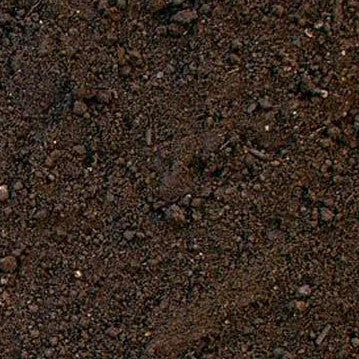
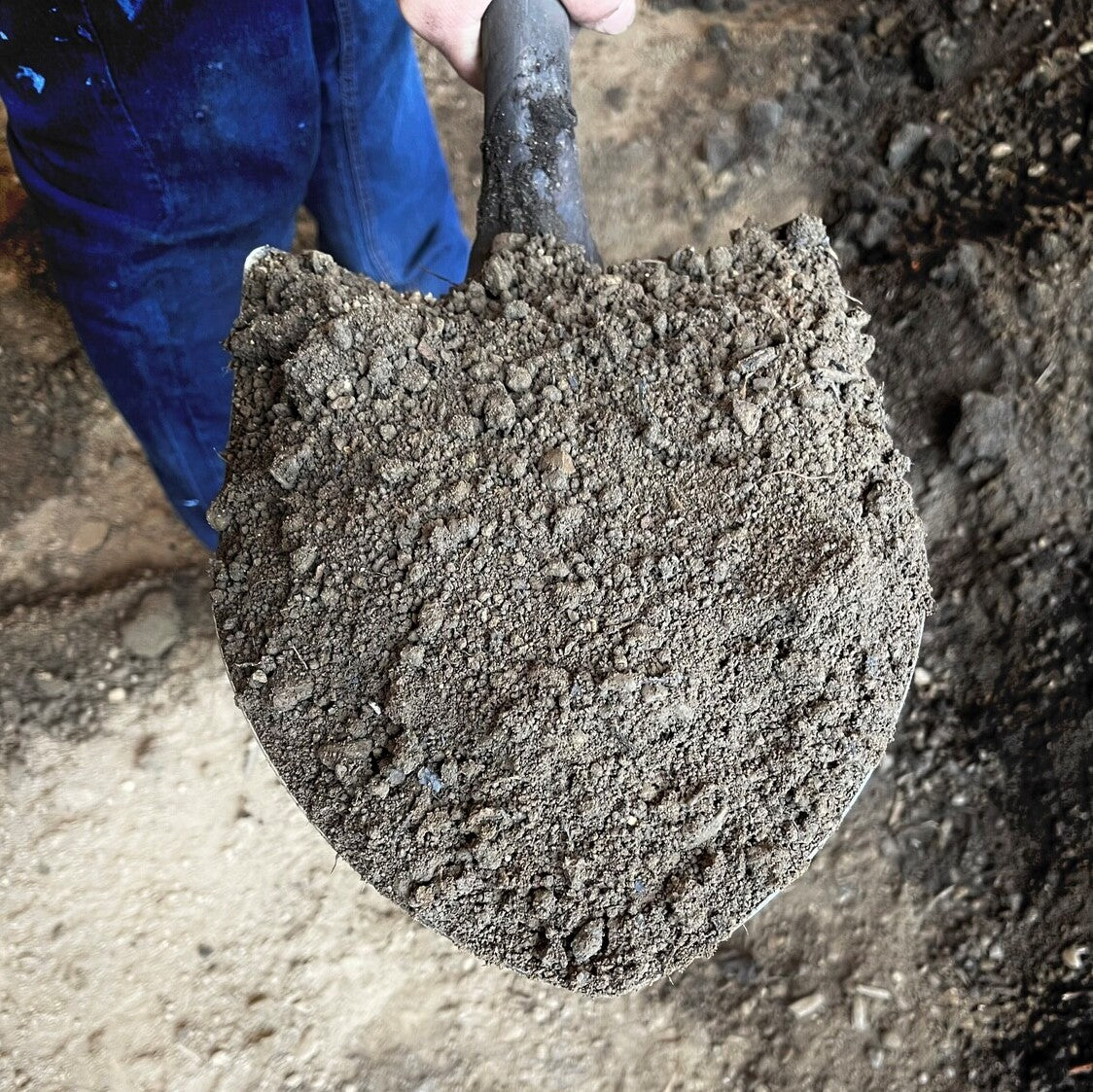
Pasco's native sandy loam is workable and warms up quickly in spring, but it has real limitations that challenge home gardeners and landscapers every season. Its low organic matter content means nutrients and water pass through the root zone quickly, requiring more frequent irrigation and fertilization than many homeowners expect. When you are starting a new lawn, building raised vegetable beds, or establishing a shrub border in Pasco, the native soil alone often falls short of what plants need to thrive through a summer with almost no rainfall. Bringing in quality amended soil or topsoil lets you create a foundation that holds moisture and nutrients where roots can actually use them. With only 8 inches of annual precipitation and a growing season bookended by a last frost around April 2nd and a first frost near October 25th, every inch of good soil counts toward plant survival. Bulk soil delivery allows you to amend large areas efficiently without the cost and hassle of hauling dozens of small bags from a garden center.