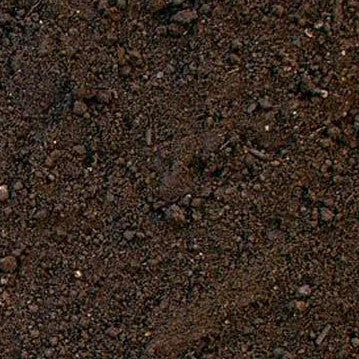
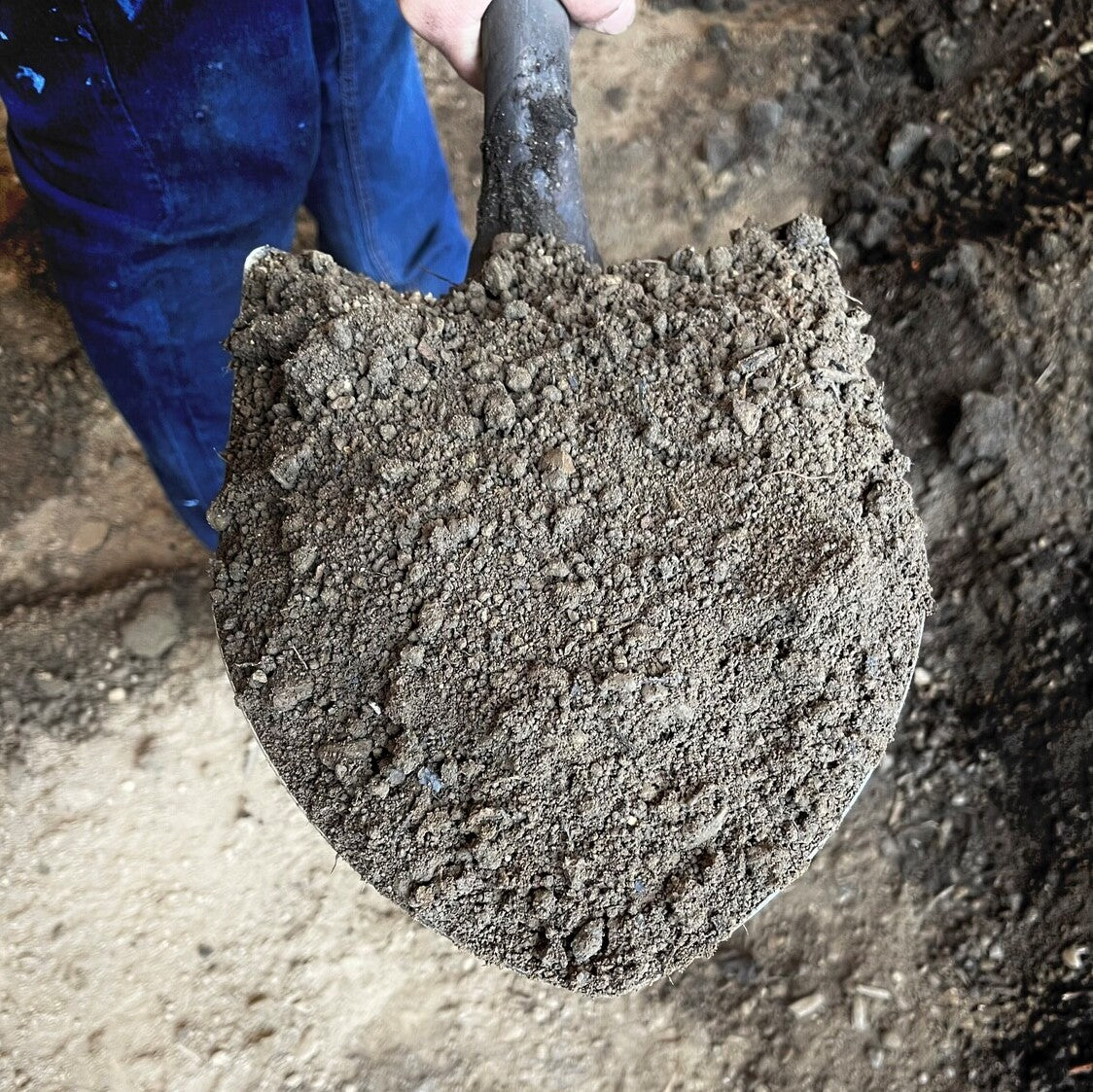
We ordered 3 yards of the garden soil, delivered mext day. We used in raised beds 6x3x2. It was more than needed for both but the soil looked good! I added some perlite to add some drainage since this is a little dense.
Tell us what you're looking for
Thanks! We received your request.
Something went wrong. Please try again.
How Much Material Do I Need?
Plan on 12 inches of soil for raised vegetable beds and 6 to 8 inches for in ground planting areas built over decomposed granite. One cubic yard fills roughly 27 square feet at 12 inches or 41 square feet at 8 inches.
Use our free soil calculator
What is a Yard?
A yard is approximately 27 cubic feet. As a general guideline, one yard of material can cover an area of about 100-160 square feet at a 2-3 inch depth.
We ordered 3 yards of the garden soil, delivered mext day. We used in raised beds 6x3x2. It was more than needed for both but the soil looked good! I added some perlite to add some drainage since this is a little dense.
How Much Material Do I Need?
Plan on 12 inches of soil for raised vegetable beds and 6 to 8 inches for in ground planting areas built over decomposed granite. One cubic yard fills roughly 27 square feet at 12 inches or 41 square feet at 8 inches.
Use our free soil calculator
What is a Yard?
A yard is approximately 27 cubic feet. As a general guideline, one yard of material can cover an area of about 100-160 square feet at a 2-3 inch depth.
We ordered 3 yards of the garden soil, delivered mext day. We used in raised beds 6x3x2. It was more than needed for both but the soil looked good!...
Read full review
We ordered 3 yards of the garden soil, delivered mext day. We used in raised beds 6x3x2. It was more than needed for both but the soil looked good! I added some perlite to add some drainage since this is a little dense.
For raised beds, multiply length by width by depth in feet and divide by 27 to get cubic yards. For in ground beds on Placerville DG, measure the area and plan on 6 to 8 inches of new soil worked into the top of the existing granite. Add 10 percent, because fresh soil settles noticeably after the first few waterings.
Complete Your Outdoor Soil Project
Top your finished beds with 2 to 3 inches of shredded hardwood mulch to slow evaporation through the dry Placerville summer. Crushed stone or cobble edging keeps imported soil from washing off during the winter rain season.
Can I just amend my decomposed granite instead of buying soil?
For shrubs and native plants, amending works fine. Till 3 to 4 inches of compost into the top 8 inches of DG and you will get real improvement. For vegetables, annuals, or a new lawn, most Placerville homeowners get better results building a fresh layer of imported soil on top, because DG simply does not hold enough water through a foothill August.
Answer
How deep should soil be in a raised bed here?
Twelve inches is the sweet spot for Placerville raised beds. That gives tomatoes, peppers, and squash room to root deep enough to survive the 95 to 105 degree stretches in July and August. Anything shallower than 8 inches dries out too fast in our summer heat, no matter how often you water.
Answer
When can I start planting vegetables in Placerville?
Our last frost falls around April 5, so most gardeners set out warm season transplants in mid to late April once the soil warms into the 60s. Cool season crops like lettuce, peas, and brassicas go in as early as February. Get your soil delivered in March so beds are ready and settled when the planting window opens.
Answer
Will imported soil drain well on my sloped lot?
Yes, if you pick the right blend. A sandy loam topsoil layered over decomposed granite drains readily, which matters during December and January storms. On steeper Placerville lots we recommend terracing or edging so the soil stays put, since 40 inches of annual rain will move loose material downhill fast.
Answer
What is the difference between topsoil and garden mix?
Screened topsoil is mineral soil with some organic content, best for filling low spots, leveling, and repairing lawn areas. Garden mix has a much higher compost fraction and is built for planting beds and vegetables. In Placerville, where the native DG is so nutrient poor, most homeowners doing planting projects want garden mix rather than plain topsoil.
Answer
How much soil do I need for a 4 by 8 raised bed?
A 4 by 8 foot bed filled 12 inches deep needs 32 cubic feet, which is just under 1.2 cubic yards. Order 1.25 yards to account for settling. Two of those beds put you right at 2.5 yards, which is a comfortable single delivery.
Answer
Should I test my soil before ordering?
It helps. Placerville decomposed granite often runs slightly acidic and low in nitrogen and phosphorus. A simple test kit or a sample sent through the El Dorado County Master Gardeners will tell you whether you need lime, extra compost, or a balanced amendment mixed into the delivered soil before you plant.
Mulch Mound Pro Tip
Do not lay imported soil directly on undisturbed decomposed granite. That sharp boundary between loose topsoil and compacted DG creates an interface where roots stop and water perches. Break up the top 4 inches of granite with a pick or tiller first, then blend a shovel or two of your new soil into that loosened layer. Roots will follow the transition down instead of circling in a shallow pan.
Mulch Mound Pro Tip
Time your soil delivery to Placerville's rain calendar. Working wet soil in January compacts it and destroys structure, and hauling wheelbarrows across saturated DG makes a mess of your yard. Late September through October is an underrated window. The soil is dry, temperatures are mild, and beds prepped in fall have all winter to settle and integrate before the April planting rush begins.
Mulch Mound Pro Tip
Feed the soil biology, not just the plants. Decomposed granite starts with very little microbial life, so a new bed in Placerville is essentially sterile ground. Mix in a few inches of quality compost at delivery and keep the surface mulched year round. Within two seasons you will see earthworms, better water infiltration, and noticeably less need for bagged fertilizer to keep the same plants happy.
The Unique Landscape of Placerville
Almost every Placerville property sits on decomposed granite, which is a fine choice for a driveway base and a poor one for growing tomatoes. DG is low in nitrogen, low in organic matter, and drains so quickly that nutrients leach out before plants can use them. Imported topsoil and compost blends give roots something to actually work with, especially in raised beds and new plantings where you are starting from scratch. With a Zone 9b season running from about April 5 to November 9, Placerville gardeners have a long window to grow, but only if the root zone can hold water and feed. Winter rains totaling around 40 inches also mean your soil needs enough structure to drain without washing away. Building 8 to 12 inches of good soil on top of the granite is the single highest return investment on most foothill lots.