




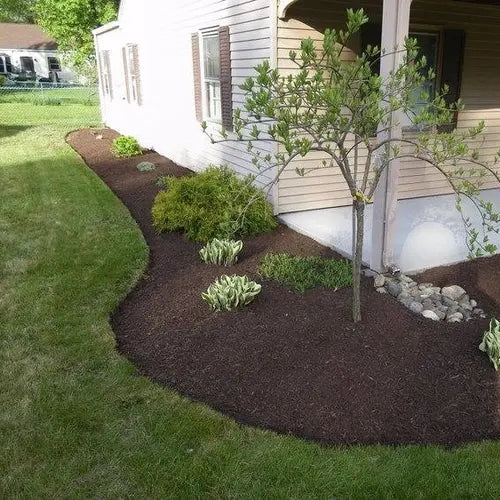



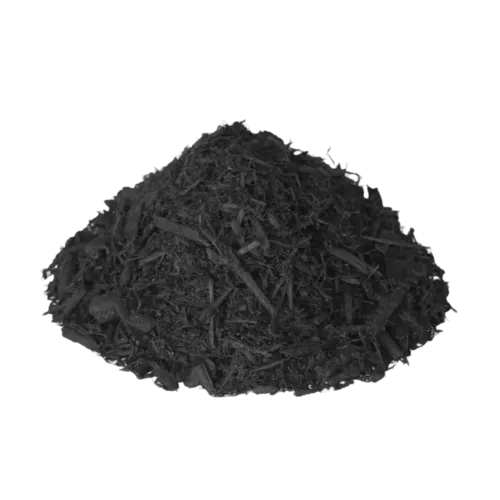

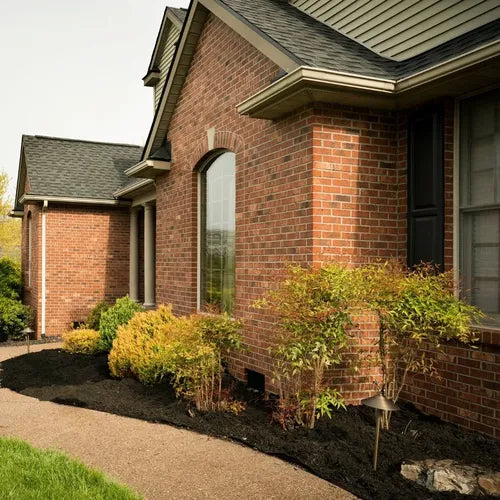

Our delivery was delayed but the new brown color mulch is a nice upgrade to our landscaping.
About this mulch
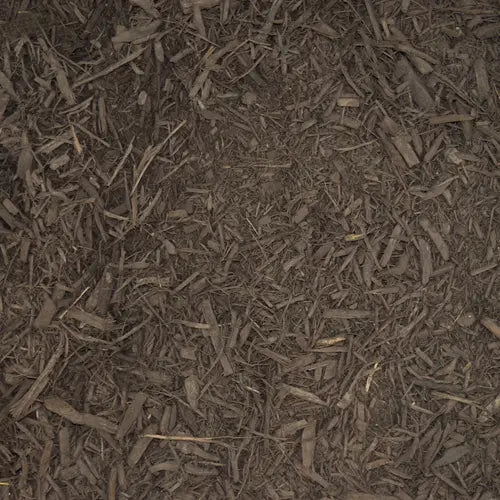
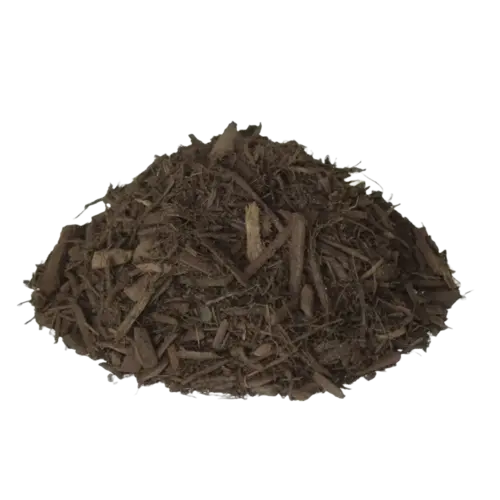
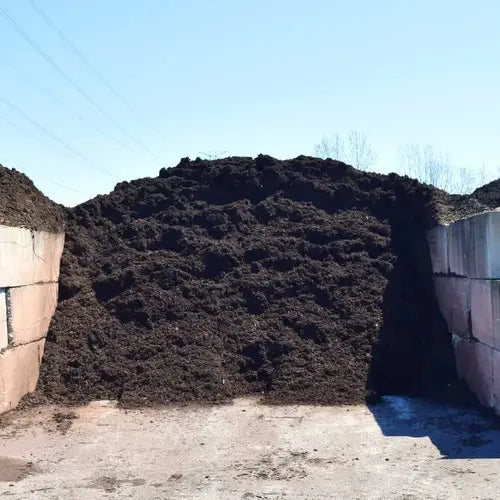
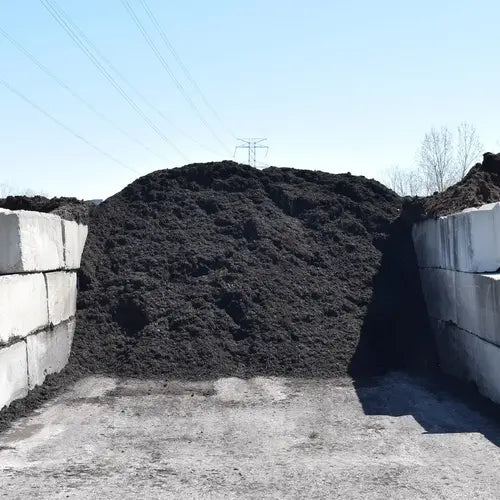
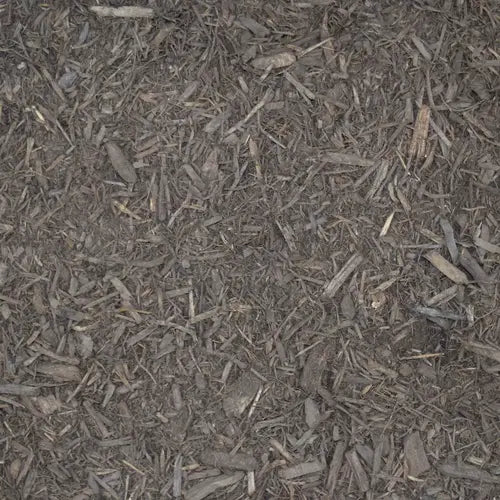
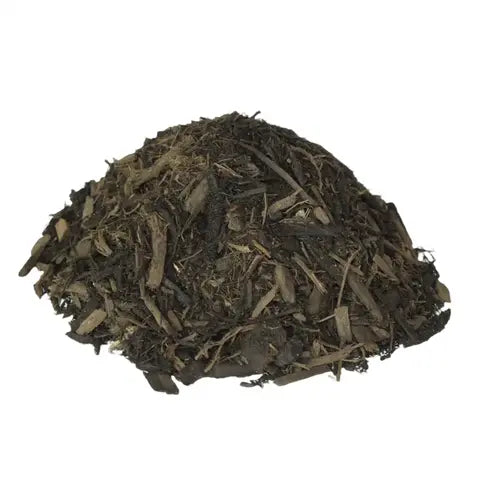
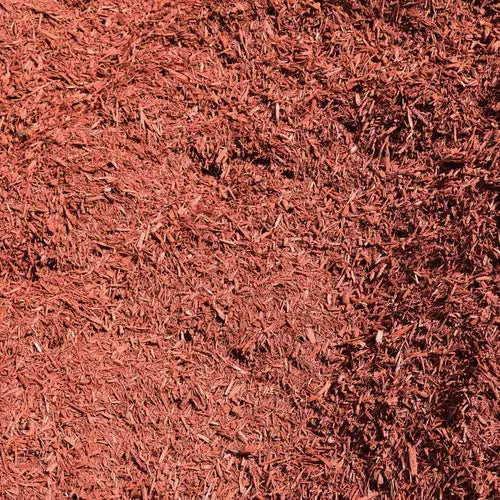
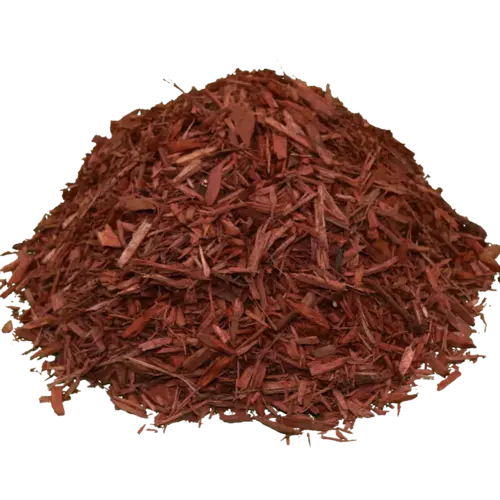
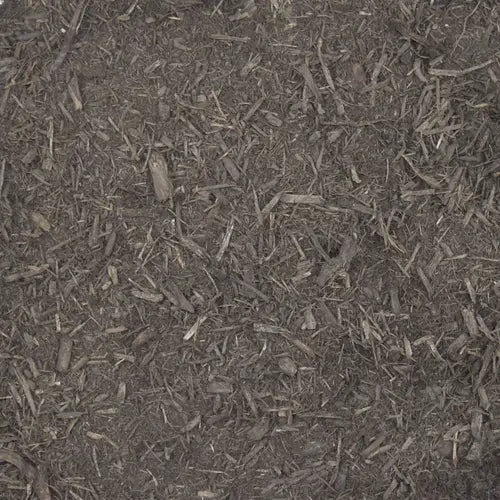
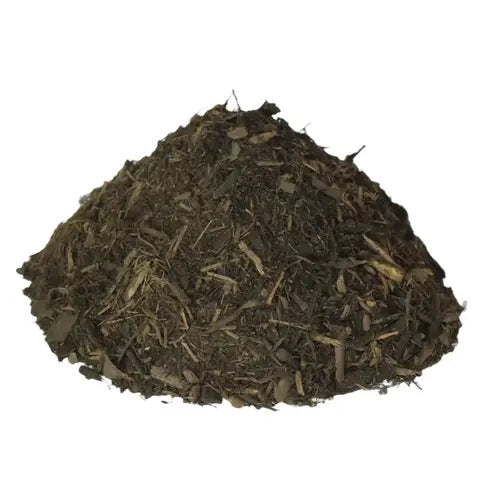
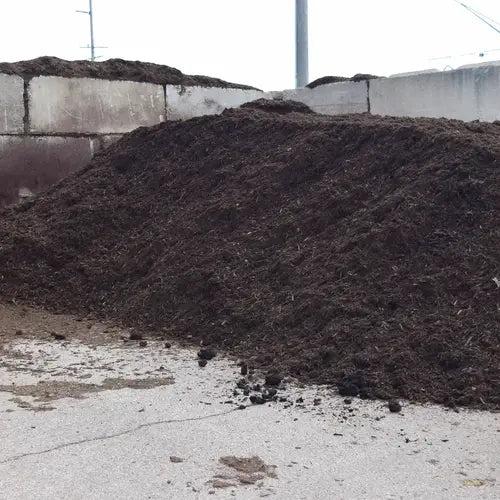
Double-shredded mulch dyed a rich, even brown that holds its color through the season.
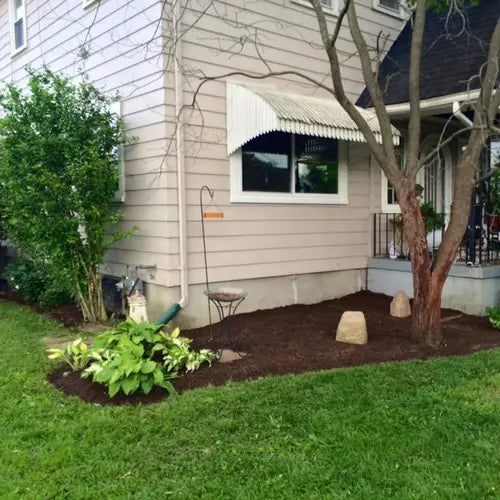
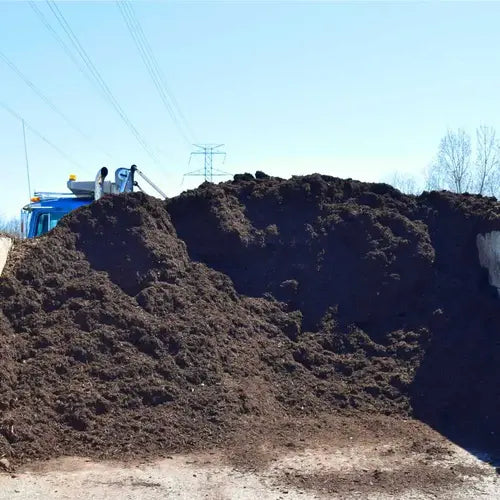
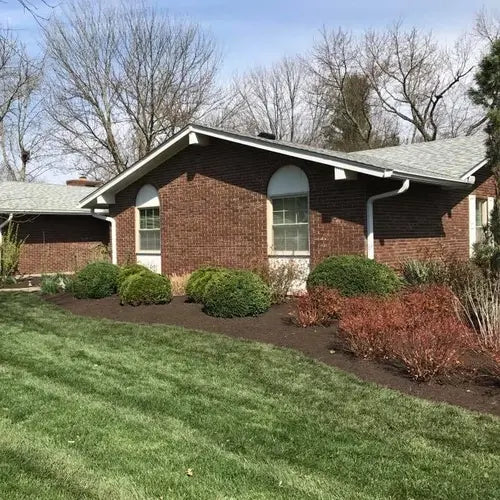
Our delivery was delayed but the new brown color mulch is a nice upgrade to our landscaping.
Tell us what you're looking for
Thanks! We received your request.
Something went wrong. Please try again.
How Much Material Do I Need?
How Much Material Do I Need?
Three inches is the sweet spot for Plainfield beds, deep enough to hold moisture through the dry late summer stretch but shallow enough to let spring rain reach the roots. One cubic yard covers about 108 square feet at that depth.
Use our free mulch calculator
What is a yard?
What is a yard?
FAQs
FAQs
Plainfield Mulch Delivery
Plainfield Mulch Delivery
Regular price
$55.00
per
Yard
Regular price
Sale price
$55.00
Unit price
per
Shipping calculated at checkout.
Minimum of 3 Yard
Couldn't load pickup availability
Not currently available
We can't take orders for this right now. Tell us what you need and we'll get back to you.
Hand-picked local yards
4,000+ regional deliveries
Dedicated support
Why order through Mulch Mound
The best local , without the guesswork.
We hand-pick and partner with the best yards in your region, keep only the ones our buyers rate well, and back each load with our guarantee.
Mulch Mound Guarantee
If your isn't the quantity or quality you ordered, we'll make it right.
About this mulch
Double-shredded mulch dyed a rich, even brown that holds its color through the season.
Our delivery was delayed but the new brown color mulch is a nice upgrade to our landscaping.
How Much Material Do I Need?
How Much Material Do I Need?
Three inches is the sweet spot for Plainfield beds, deep enough to hold moisture through the dry late summer stretch but shallow enough to let spring rain reach the roots. One cubic yard covers about 108 square feet at that depth.
Use our free mulch calculator
What is a yard?
What is a yard?
FAQs
FAQs
Tell us what you're looking for
Thanks! We received your request.
Something went wrong. Please try again.

How It Works
Getting started is easy — just follow these simple steps
1
Choose your Mulch
Make sure you adjust the quantity to your home's needs. You can use our calculator to estimate how much you'll need.
2
Select your delivery date
Select a delivery date you'd like for the product to be dropped off at your home
3
Sit back and wait
Sit back, wait, and let us work our magic to make sure the highest quality product is delivered to your driveway.

Mulch Mound made it so easy! So happy with the pricing, turn around time, delivery and product. I submitted my online order on a Thursday. The mu...
Read full review
Mulch Mound made it so easy! So happy with the pricing, turn around time, delivery and product. I submitted my online order on a Thursday. The mulch was delivered to the designated location by a local landscape company at 8:30 a.m. the following Saturday morning. We had the job completed by that afternoon. We chose the natural brown mulch, and the plant beds are beautiful.

Good quality, great price, fast delivery. All online - no submitting forms and waiting for days for quotes.
Getting mulch should be this easy fr...
Read full review
Good quality, great price, fast delivery. All online - no submitting forms and waiting for days for quotes.
Getting mulch should be this easy from everyone. Only Mulch Mound is ACTUALLY this simple.
Calculate mulch for your Plainfield project
For Plainfield's type of soil, we recommend 2-3 inches for best weed suppression and moisture retention
Try Our CalculatorBreak your yard into simple rectangles and circles rather than trying to measure one odd shaped bed, then add the square footage together. Most Plainfield foundation beds are wider than people guess, often four to five feet deep from the siding out to the edge. Enter your total square footage and target depth and the calculator does the conversion to cubic yards.
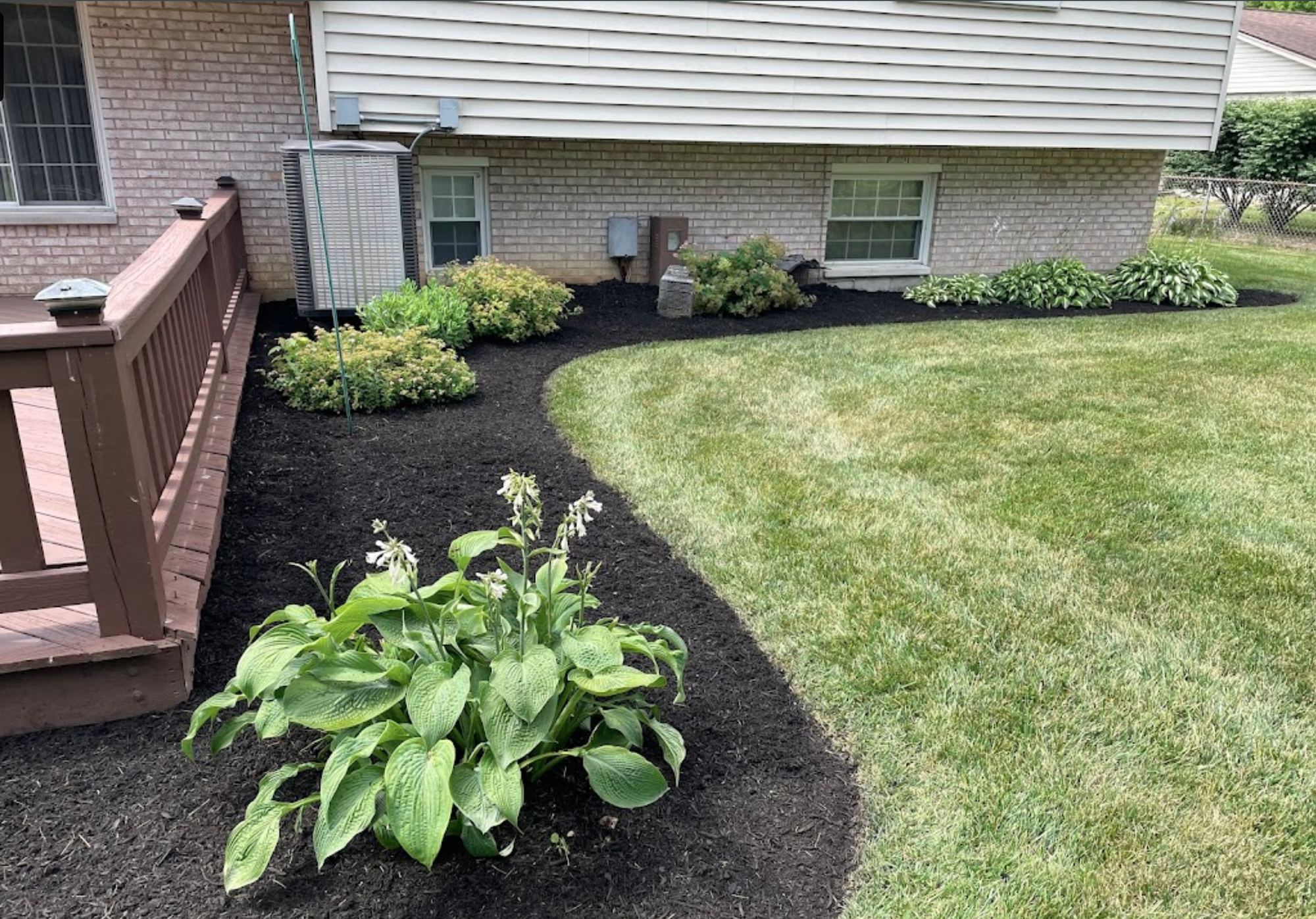
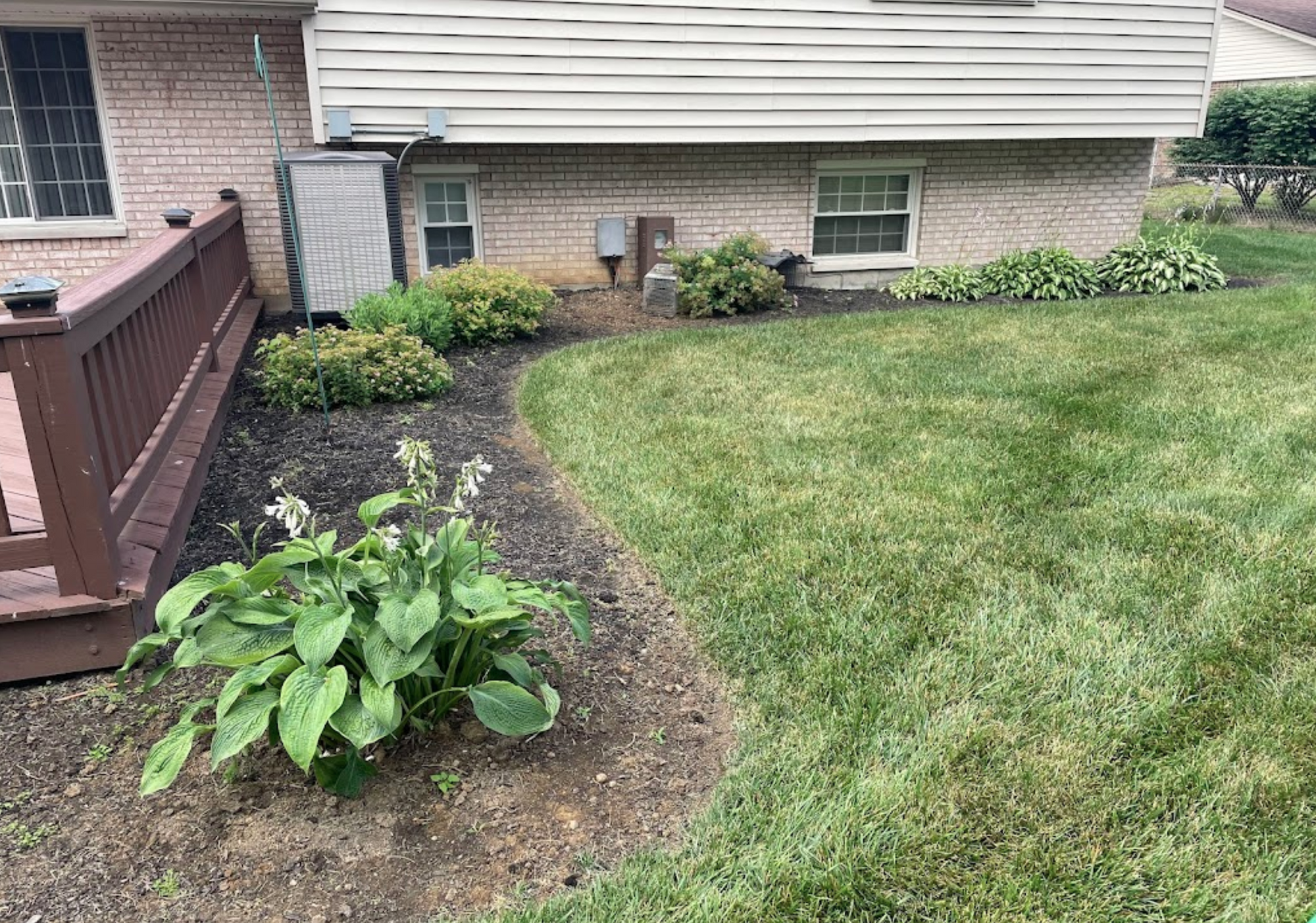

Best Mulch Choice for Plainfield Lawns
Most yards in the Plainfield area sit on type of soil. Plainfield's silt loam holds nutrients and moisture well, but its fine particles compact and crust over after the heavy spring downpours that hit Will County, which seals the surface and starves roots of oxygen.
Hardwood Mulch
Hardwood mulch solves both problems by cushioning the impact of rain so the silt loam surface never crusts, and as it decomposes it adds coarse organic matter that improves structure, feeds earthworms, and keeps Plainfield beds loose and workable year after year.
Complete Your Outdoor Mulch Project
Pair your mulch order with a few yards of garden mix or compost to build up thin builder grade topsoil, and add decorative stone for downspout splash zones where mulch tends to wash out. Landscape edging keeps everything crisp against Plainfield's fescue and bluegrass lawns.
Service area
Areas we deliver mulch in Plainfield, Illinois
Mulch Mound Pro Tip
Edge before you mulch, not after. Cut a clean four inch deep trench along the bed line with a spade or half moon edger, then let the mulch feather into that trench. In Plainfield's silt loam the trench holds its shape well through the season and creates a physical barrier against the bluegrass and creeping charlie that constantly try to march into beds. It also gives the finished job a sharp, professional line that lasts until fall.
Mulch Mound Pro Tip
Water your beds thoroughly the day before mulching. Plainfield gets only about 33 inches of rain a year and August routinely runs dry, so if you mulch over already parched soil you seal that dryness in. Pre soaking gets moisture down into the root zone first, and the mulch then locks it there. This one step makes a noticeable difference in how hydrangeas and newly planted perennials handle the stretch from July into September.
Mulch Mound Pro Tip
Never pile mulch against tree trunks. Mulch volcanoes are everywhere in Plainfield subdivisions, and they trap moisture against bark, invite rot and rodents, and encourage girdling roots that will kill a maple in ten years. Pull mulch back three to four inches from the trunk so the root flare is visible, and spread the ring wide and flat instead of tall. Wide and shallow beats tall and deep every single time.
The Unique Landscape of Plainfield
Plainfield sits in USDA Zone 5b at roughly 620 feet, where winter lows can dip well below zero and summer afternoons bake beds hard along Route 59 and the newer subdivisions off 127th Street. The village averages only about 33 inches of rain a year, and much of it arrives in heavy spring storms rather than steady summer soaking, so beds swing from saturated in May to bone dry in August. Mulch is the buffer that evens out those swings, holding moisture through the dry stretch between the last frost on April 28 and the first frost on October 9. Plainfield's silt loam is fertile but it crusts and seals after a hard rain, and a two to three inch mulch blanket absorbs that impact so water soaks in instead of running toward the DuPage River. Mulch also keeps soil temperatures steady through the freeze and thaw cycles that heave young perennials right out of the ground in a Will County February. Finally, it smothers the crabgrass and creeping charlie that thrive in Plainfield's open, sunny yards.