About this sand

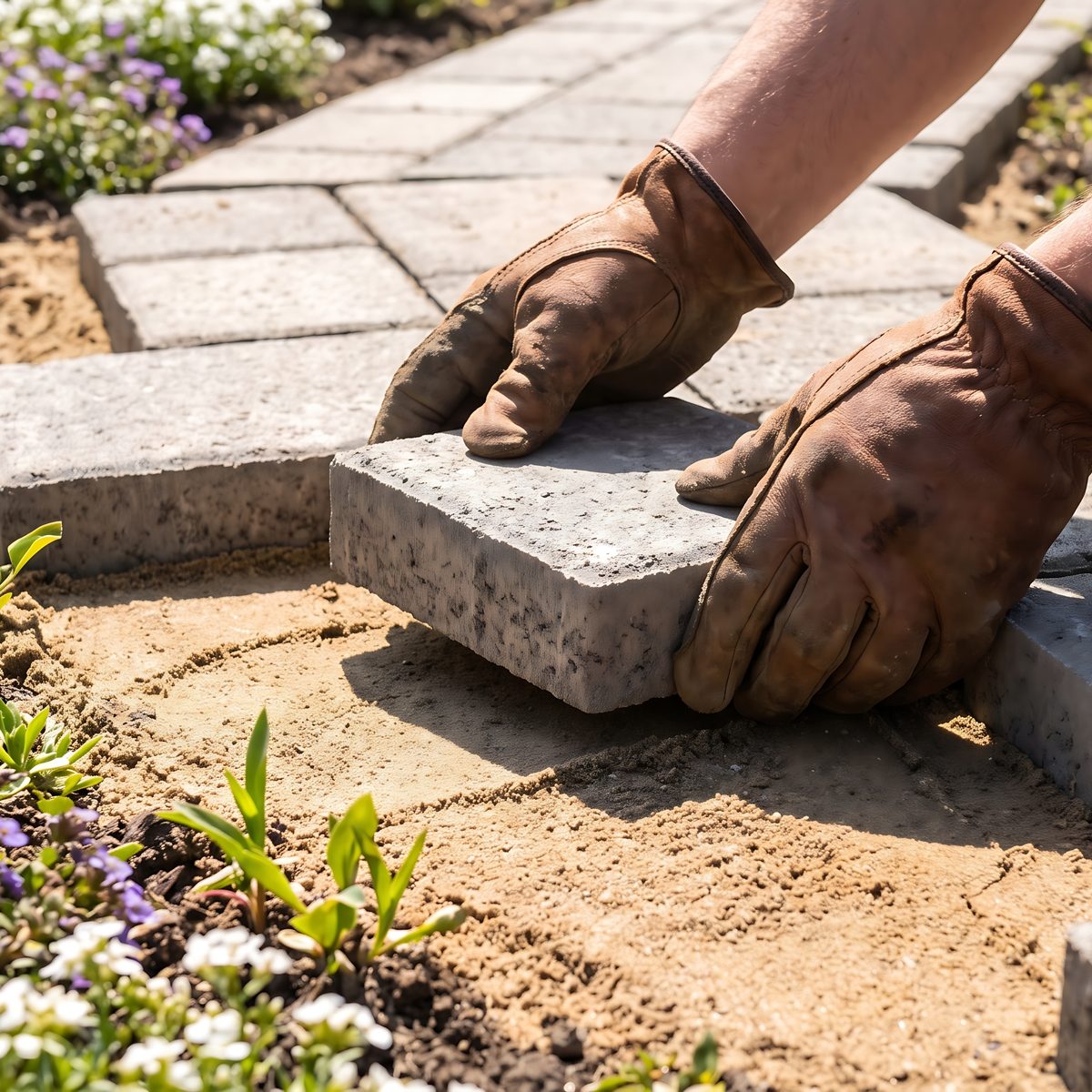
Washed and finely screened masonry sand for mortar, paver joints, and pool bases. Consistent grain, ready to screed.

Really appreciate the care and follow thru that this company had with our order. A hiccup came up but they were quick to respond and address all concerns, which made our garden day a success! Thank you for your prompt care.

One cubic yard covers roughly 324 square feet at a 1 inch depth, and most paver joint or bedding work only calls for 1 to 2 inches. For a typical patio or walkway project, measure your square footage first, then decide if you need the thinner 1 inch fill or the fuller 2 inch layer for pool base or mortar prep work. Sold strictly by the cubic yard, so partial loads are easy to size once you know your depth.

A yard is approximately 27 cubic feet. As a general guideline, one yard of material can cover an area of about 100-160 square feet at a 2-3 inch depth.

Pocatello Sand Delivery

Pocatello Sand Delivery

4.7
137 reviews
Regular price $74.00 per Yard
Regular price Sale price $74.00
Sale Sold out
Shipping calculated at checkout.
Type
Size
Minimum of 3 Yard
Hand-picked local yards
4,000+ regional deliveries
Dedicated support
Why order through Mulch Mound

The best local sand, without the guesswork.

We hand-pick and partner with the best yards in your region, keep only the ones our buyers rate well, and back each load with our guarantee.

Mulch Mound Guarantee

If your sand isn't the quantity or quality you ordered, we'll make it right.

About this sand

Washed and finely screened masonry sand for mortar, paver joints, and pool bases. Consistent grain, ready to screed.

Really appreciate the care and follow thru that this company had with our order. A hiccup came up but they were quick to respond and address all concerns, which made our garden day a success! Thank you for your prompt care.

One cubic yard covers roughly 324 square feet at a 1 inch depth, and most paver joint or bedding work only calls for 1 to 2 inches. For a typical patio or walkway project, measure your square footage first, then decide if you need the thinner 1 inch fill or the fuller 2 inch layer for pool base or mortar prep work. Sold strictly by the cubic yard, so partial loads are easy to size once you know your depth.

A yard is approximately 27 cubic feet. As a general guideline, one yard of material can cover an area of about 100-160 square feet at a 2-3 inch depth.

View full details

How It Works

Getting started is easy — just follow these simple steps

1

Choose your quantity

Adjust the quantity to match your project. One cubic yard covers about 100 to 160 square feet at a 2 to 3 inch depth.

2

Select your delivery date

Select a delivery date you'd like for the product to be dropped off at your home

3

Sit back and wait

Sit back, wait, and let us work our magic to make sure the highest quality product is delivered to your driveway.

From The Mouths of Pocatello Folks

4.7
out of 5 based on 137 reviews
Google Reviews

Complete Your Outdoor Project

Most hardscape jobs around Pocatello pair this sand with paver base gravel underneath and clean chip stone for the top bedding layer, since chip stone resists pumping better than sand alone under freeze thaw pressure. If you are doing mortar work, a separate load of masonry cement or a portland cement mix rounds out the order. Pool installers often add a compactable base material below the sand layer for extra stability.

Map of the sand delivery area around Pocatello, Idaho

Service area

Areas we deliver sand in Pocatello, Idaho

Mulch Mound Pro Tip

Mason sand dries out fast at this elevation, especially on a windy spring afternoon near the ISU campus. If you are mixing mortar on site, keep the pile lightly covered with a tarp between batches so it does not lose the moisture content that makes it workable. A sand pile that dries out unevenly gives you inconsistent mortar strength from batch to batch, which shows up later as cracking.

Mulch Mound Pro Tip

A common mistake on paver jobs here is using this mason grade sand as the bedding layer under the pavers themselves. It is too fine and uniform for that job, it pumps and washes out under freeze thaw cycling at our elevation. Save this sand for joint filling and mortar work, and use a coarser chip stone or concrete sand for the actual bedding layer beneath the pavers.

Mulch Mound Pro Tip

If your project needs both bedding material and mason sand for joints, order them as separate loads rather than trying to make one material do both jobs. It costs a little more in delivery coordination but saves you from redoing joint work or bedding failures within a season or two, which costs far more in labor than the second delivery ever would.

Working With Sand in Pocatello

Pocatello sits on sandy loam already, so this sand is not fighting your native soil, it is a construction material for a specific job, not a soil amendment. Around Idaho State University and the older brick neighborhoods nearby, a lot of the masonry work still calls for a true mason sand for tuckpointing and small mortar batches. At 4462 feet the freeze thaw cycle here is real, so pool bases and paver joints packed with this sand need to be compacted well before the first frost sets in. Elevation and dry air also mean sand dries out fast on site, so plan your mixing accordingly.

Masonry vs Fill Sand

Masonry sand is washed and finely screened, the right choice for mortar work, paver joints, and sandboxes. Fill sand is coarser and less processed, better suited to leveling, bedding pipe, and filling low spots.

Bedding and Leveling

For pavers, screed a 1 inch sand bed over a compacted base rather than using sand to fix deep grade problems. A thin, even bed locks pavers in place. A thick one shifts underfoot.

Working With Moisture

Slightly damp sand spreads, screeds, and compacts far more easily than bone dry sand, which just flows back into your screed lines. Lightly wetting the pile before you work it saves real effort.

Frequently Asked Questions

Click a question to see the answer

Answer

Is this the same as mason sand for mortar work?

Yes, this is washed and finely screened natural sand, the same grade commonly called mason sand for mortar mixing. It is finer and more uniform than concrete sand, which is what gives mortar its workability. If you are tuckpointing brick around an older building or mixing mortar batches for a wall, this is the right material.

Answer

How many cubic yards do I need for a small patio?

One cubic yard covers about 324 square feet at a 1 inch depth. For a typical 200 square foot patio using it as joint fill at that depth, you would need well under a full yard, so figure your square footage and depth first, then round up slightly to cover compaction loss.

Answer

When is the best time to schedule a sand delivery in Pocatello?

Hardscape work here runs spring through fall, generally after the last frost around May 17 and before the ground starts hardening toward the October 8 first frost. Working outside that window means fighting cold, wet ground that makes compaction and mortar mixing much harder to get right.

Answer

Where will the sand be placed on my property?

Our driver places the load wherever you direct on a clear, accessible spot, usually a driveway or a wide spot near your work area. Make sure there is enough clearance for a delivery truck and that the drop spot is close enough to your project to avoid excessive wheelbarrowing.

Answer

Should I use this sand or chip stone under my pavers?

For paver bedding, chip stone has largely replaced mason sand because it does not pump or wash out under freeze thaw stress the way sand can. This sand is still the right choice for the paver joints themselves, mortar mixing, and pool base work, just not as the primary bedding layer under the pavers.

More delivery around Pocatello, Idaho

All Pocatello, Idaho landscape supply