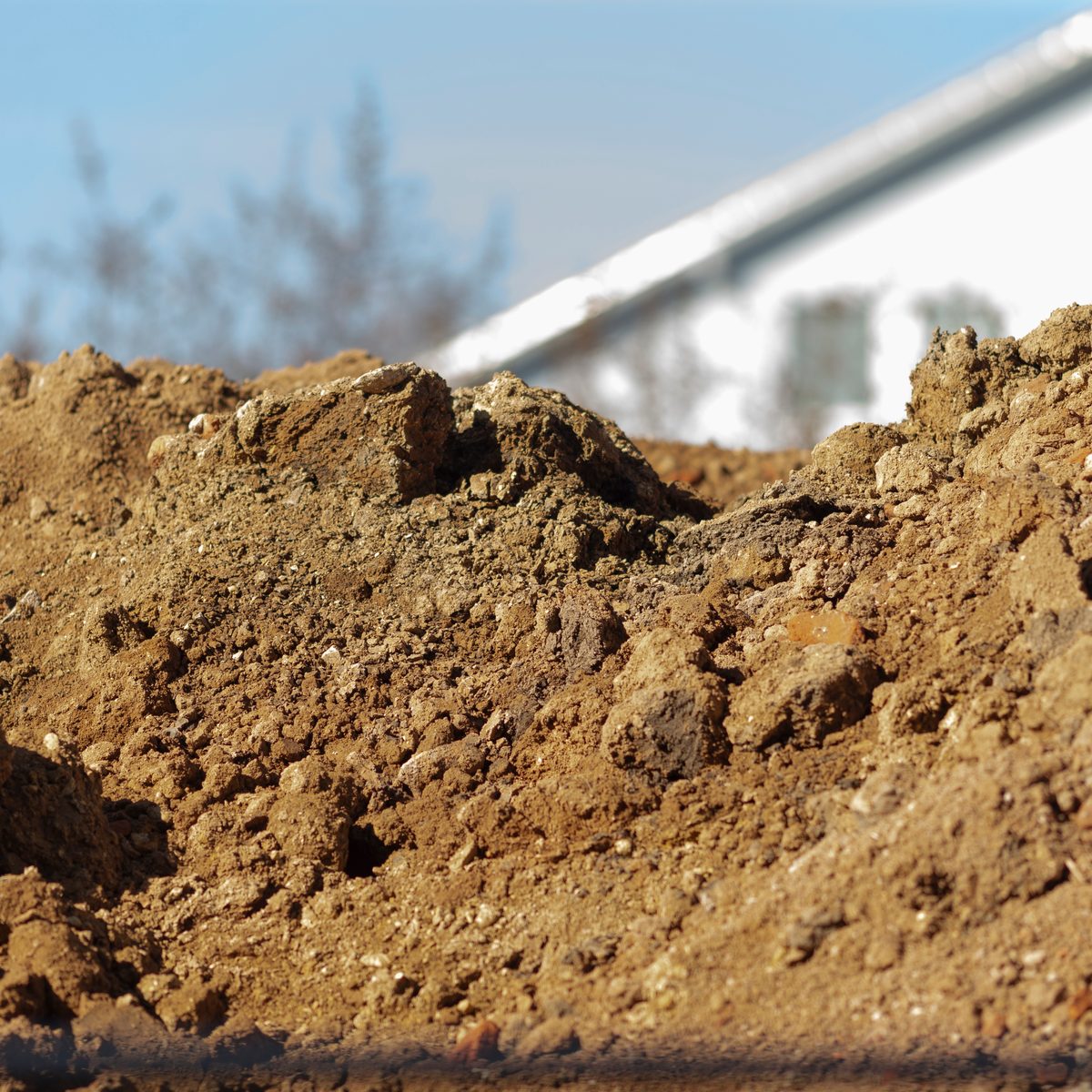
Inorganic subsoil for filling holes, raising low ground, and backfill. Small rocks and bits of stick or root are normal in the mix, this is structural material and not a growing medium. Do not use it to level a lawn surface or fill flower beds, put topsoil over it for anything you want to plant. Place it in lifts and compact as you go.
Really appreciate the care and follow thru that this company had with our order. A hiccup came up but they were quick to respond and address all concerns, which made our garden day a success! Thank you for your prompt care.
Tell us what you're looking for
Thanks! We received your request.
Something went wrong. Please try again.
How Much Fill Dirt Do I Need?
One cubic yard of fill dirt covers about 54 square feet at a 6 inch depth, so a small foundation backfill might only need 2 to 3 yards while raising a low corner of a yard 8 to 10 inches could run 6 yards or more. Measure the length and width of the low or excavated area, decide your target depth between 6 and 12 inches, and size the order from there. It is sold by the cubic yard, so round up rather than short the job, since a second delivery costs more in time than material. Estimate fill dirt with our free topsoil calculator
What is a Yard?
A yard is approximately 27 cubic feet. As a general guideline, one yard of material can cover an area of about 100-160 square feet at a 2-3 inch depth.
We can't take orders for this right now. Tell us what you need and we'll get back to you.
What do you need?
Thanks! We received your request.
Something went wrong. Please try again.
Hand-picked local yards
4,000+ regional deliveries
Dedicated support
Why order through Mulch Mound
The best local fill dirt, without the guesswork.
We hand-pick and partner with the best yards in your region, keep only the ones our buyers rate well, and back each load with our guarantee.
Mulch Mound Guarantee
If your fill dirt isn't the quantity or quality you ordered, we'll make it right.
About this fill dirt
Inorganic subsoil for filling holes, raising low ground, and backfill. Small rocks and bits of stick or root are normal in the mix, this is structural material and not a growing medium. Do not use it to level a lawn surface or fill flower beds, put topsoil over it for anything you want to plant. Place it in lifts and compact as you go.
Really appreciate the care and follow thru that this company had with our order. A hiccup came up but they were quick to respond and address all concerns, which made our garden day a success! Thank you for your prompt care.
How Much Fill Dirt Do I Need?
One cubic yard of fill dirt covers about 54 square feet at a 6 inch depth, so a small foundation backfill might only need 2 to 3 yards while raising a low corner of a yard 8 to 10 inches could run 6 yards or more. Measure the length and width of the low or excavated area, decide your target depth between 6 and 12 inches, and size the order from there. It is sold by the cubic yard, so round up rather than short the job, since a second delivery costs more in time than material. Estimate fill dirt with our free topsoil calculator
What is a Yard?
A yard is approximately 27 cubic feet. As a general guideline, one yard of material can cover an area of about 100-160 square feet at a 2-3 inch depth.
Really appreciate the care and follow thru that this company had with our order. A hiccup came up but they were quick to respond and address all co...
Read full review
Really appreciate the care and follow thru that this company had with our order. A hiccup came up but they were quick to respond and address all concerns, which made our garden day a success! Thank you for your prompt care.
Most fill dirt jobs finish with a few inches of topsoil capping the surface, since fill alone will not support grass or plants. If the final grade needs to shed water toward a drain or away from a foundation, some crews also order a bit of crushed base material for the top lift where extra load bearing matters, like under a patio or shed pad.
Place fill dirt in lifts of 6 to 8 inches and compact each lift before adding the next, especially on Provo's silty loam where uncompacted fill will keep settling for a year or more as freeze thaw cycles work through it each winter down to spring. Skipping compaction is the number one reason people end up with a sunken patch six months later near a foundation or walkway they thought was finished.
Mulch Mound Pro Tip
Fill dirt is not a growing medium, so do not skip the topsoil cap if anything needs to root there, even drought tolerant groundcover. A common mistake in Provo yards is grading fill right up to finish height and seeding straight into it, which fails because the subsoil is too dense and low in organic matter for roots to establish before the first frost around September 27.
Mulch Mound Pro Tip
If you are backfilling around a foundation or pool wall, order slightly more than your calculated volume since compaction reduces the finished depth by 10 to 15 percent. Pairing a fill dirt order with a smaller topsoil order for the final few inches is usually more efficient than one large delivery of blended material, since you control the compaction of the structural base separately from the growing layer on top.
Grading and Filling in Provo
Provo sits at 4549 feet on silty loam that drains fine on the surface but can shift and settle once you dig into it, especially near older foundations and on the benches above the valley floor. Fill dirt gives you a dense, stable base for those regrades, pool backfills, and low spots that silty loam alone will not hold. Because the growing season here is short, from late April to late September, most fill projects happen in spring and fall shoulder windows when the ground is workable but not frozen. Cap it with topsoil before planting, since fill dirt on its own will not support turf or garden beds.
What Fill Dirt Is
Fill dirt is inorganic subsoil sold for volume and grade, not for growing. Small rocks and bits of stick or root are normal in the mix. It compacts predictably, which is exactly what you want under slabs, in trenches, and behind walls.
Fill Dirt vs Topsoil
Fill dirt builds the shape of the ground, topsoil grows things on top of it. Bring the grade up with fill, then cap it with 4 to 6 inches of topsoil anywhere grass or plants are going in.
Compact in Lifts
Place fill in layers of 4 to 6 inches and compact each one before adding the next. Dumping the full depth at once leaves voids that settle later, and settling is the one problem fill is supposed to solve.
Frequently Asked Questions
Click a question to see the answer
Answer
Can I use fill dirt to level my whole backyard in Provo?
Yes, fill dirt works well for raising low spots and general regrading, but it needs to be placed in 6 to 8 inch lifts and compacted as you go, not just dumped and leveled. If the finished area will have grass or plants, cap the fill with a few inches of topsoil once you reach your target grade.
Answer
How many cubic yards do I need to raise a 200 square foot low spot by 8 inches?
At 6 inches, one cubic yard covers about 54 square feet, so for 8 inches you would need roughly 5 to 6 cubic yards to cover 200 square feet, accounting for some compaction settling. Ordering 6 yards gives you a small buffer without leaving excess material on site.
Answer
What time of year is best to bring in fill dirt in Provo?
Fill dirt jobs are driven by the project, not the season, but spring after the last frost around April 30 and fall before the first frost around September 27 are easiest for compacting since the ground is workable and not frozen or saturated. Winter fill work is possible but compaction is harder when the ground is cold.
Answer
Where will the truck put the fill dirt when it delivers?
The driver places the load at the closest safe access point to your work area, typically the driveway or curb, since trucks generally cannot cross lawns or tight side yards. Clear a path and mark your preferred drop zone before delivery, and let us know at checkout if access is tight.
Answer
Should I get fill dirt or topsoil for my project?
Use fill dirt for the structural base, raising grade, or backfilling around foundations and pools, since it compacts densely and resists settling. Use topsoil only for the top few inches where grass, plants, or gardens will actually grow, since fill dirt lacks the organic content needed to support root growth on its own.