
About this mulch

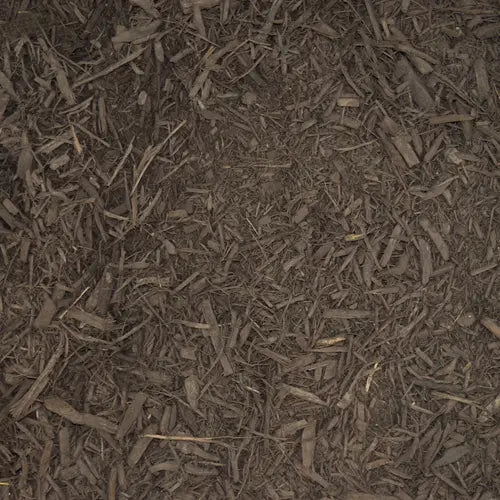
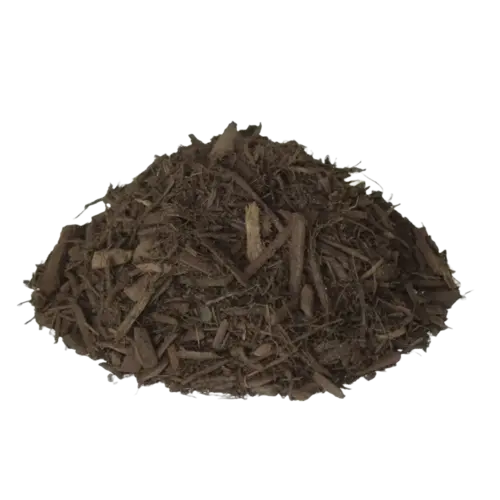
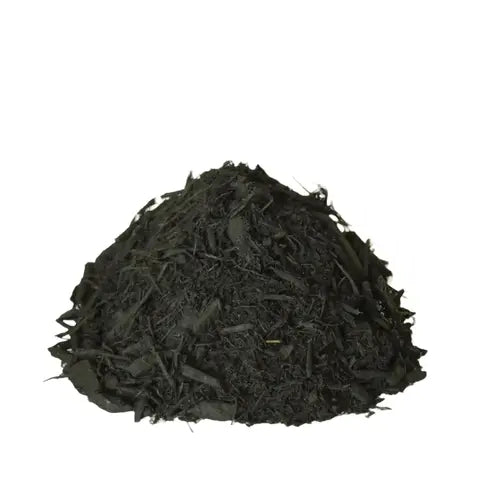
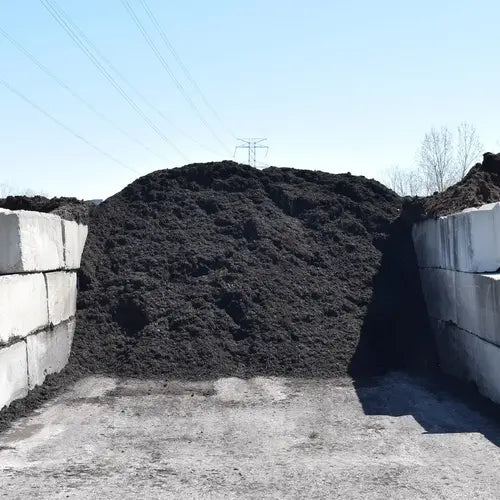
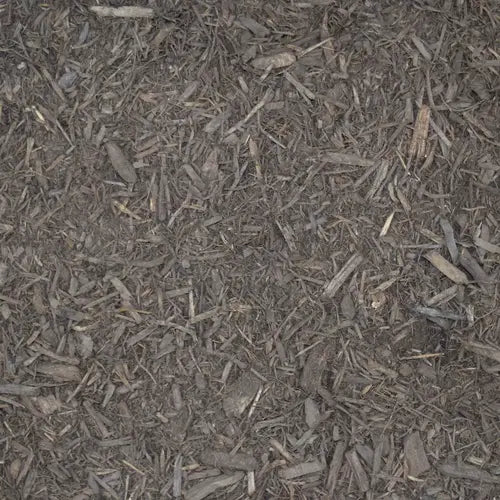
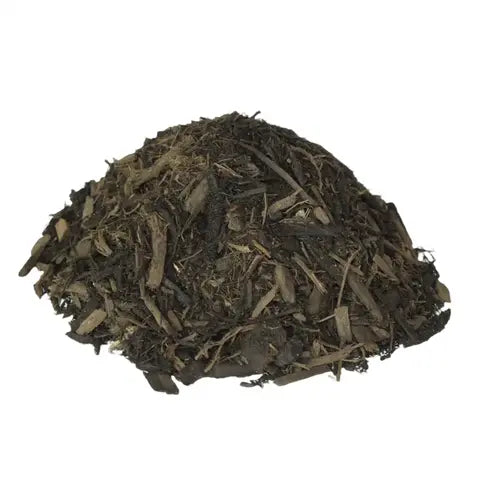
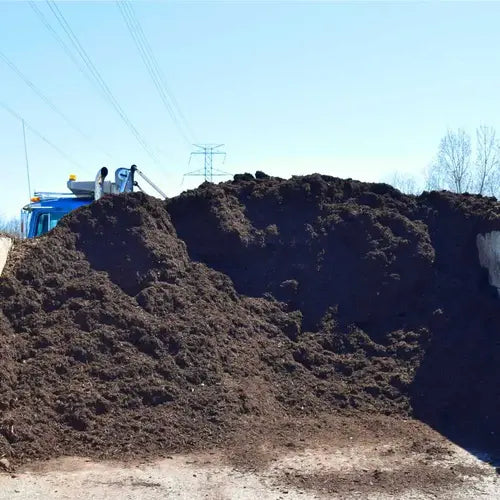
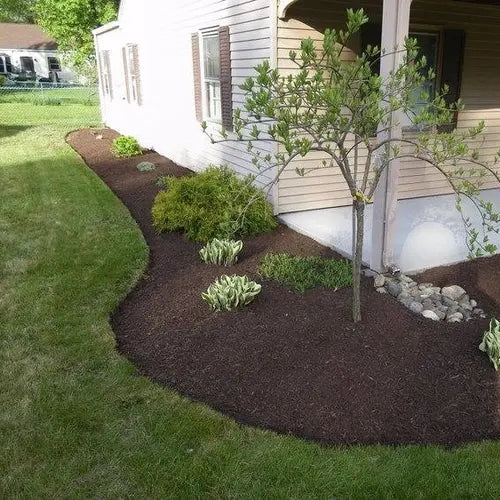
Double-shredded mulch dyed a rich, even brown that holds its color through the season.

UPDATE!

I can’t say enough good things about Mulch Mound! If you read my review below you will see I had a problem with my order. Mulch Mound was quick to respond and solved the issue with my delivery. Will definitely be a customer next year.

First time purchase...

Three inches is the standard depth for Pullman beds, which is enough to hold summer moisture without smothering roots. One cubic yard covers roughly 100 square feet at that depth.
Use our free mulch calculator

A yard is approximately 27 cubic feet. As a general guideline, one yard of material can cover an area of about 100-160 square feet at a 2-3 inch depth.

Pullman Mulch Delivery

Pullman Mulch Delivery

4.7
137 reviews
Regular price $64.00 per Yard
Regular price Sale price $64.00
Sale Sold out
Shipping calculated at checkout.
Color
Style
Hand-picked local yards
4,000+ regional deliveries
Dedicated support
Why order through Mulch Mound

The best local , without the guesswork.

We hand-pick and partner with the best yards in your region, keep only the ones our buyers rate well, and back each load with our guarantee.

Mulch Mound Guarantee

If your isn't the quantity or quality you ordered, we'll make it right.

About this mulch

Double-shredded mulch dyed a rich, even brown that holds its color through the season.

UPDATE!

I can’t say enough good things about Mulch Mound! If you read my review below you will see I had a problem with my order. Mulch Mound was quick to respond and solved the issue with my delivery. Will definitely be a customer next year.

First time purchase...

Three inches is the standard depth for Pullman beds, which is enough to hold summer moisture without smothering roots. One cubic yard covers roughly 100 square feet at that depth.
Use our free mulch calculator

A yard is approximately 27 cubic feet. As a general guideline, one yard of material can cover an area of about 100-160 square feet at a 2-3 inch depth.

View full details

How It Works

Getting started is easy — just follow these simple steps

1

Choose your Mulch

Make sure you adjust the quantity to your home's needs. You can use our calculator to estimate how much you'll need.

2

Select your delivery date

Select a delivery date you'd like for the product to be dropped off at your home

3

Sit back and wait

Sit back, wait, and let us work our magic to make sure the highest quality product is delivered to your driveway.

What Pullman Customers Are Saying

4.7
out of 5 based on 137 reviews
Google Reviews

Calculate mulch for your Pullman project

For Pullman's type of soil, we recommend 2-3 inches for best weed suppression and moisture retention

Try Our Calculator
📍

Measure each Pullman bed separately rather than guessing at one big number, since most yards here are a mix of narrow foundation strips and wide island beds. Length times width gives you square footage, and our calculator converts that to cubic yards at your chosen depth. If your beds sit on a slope, add about ten percent because material settles downhill and thins at the top.

Mulch vs. No Mulch: The Difference

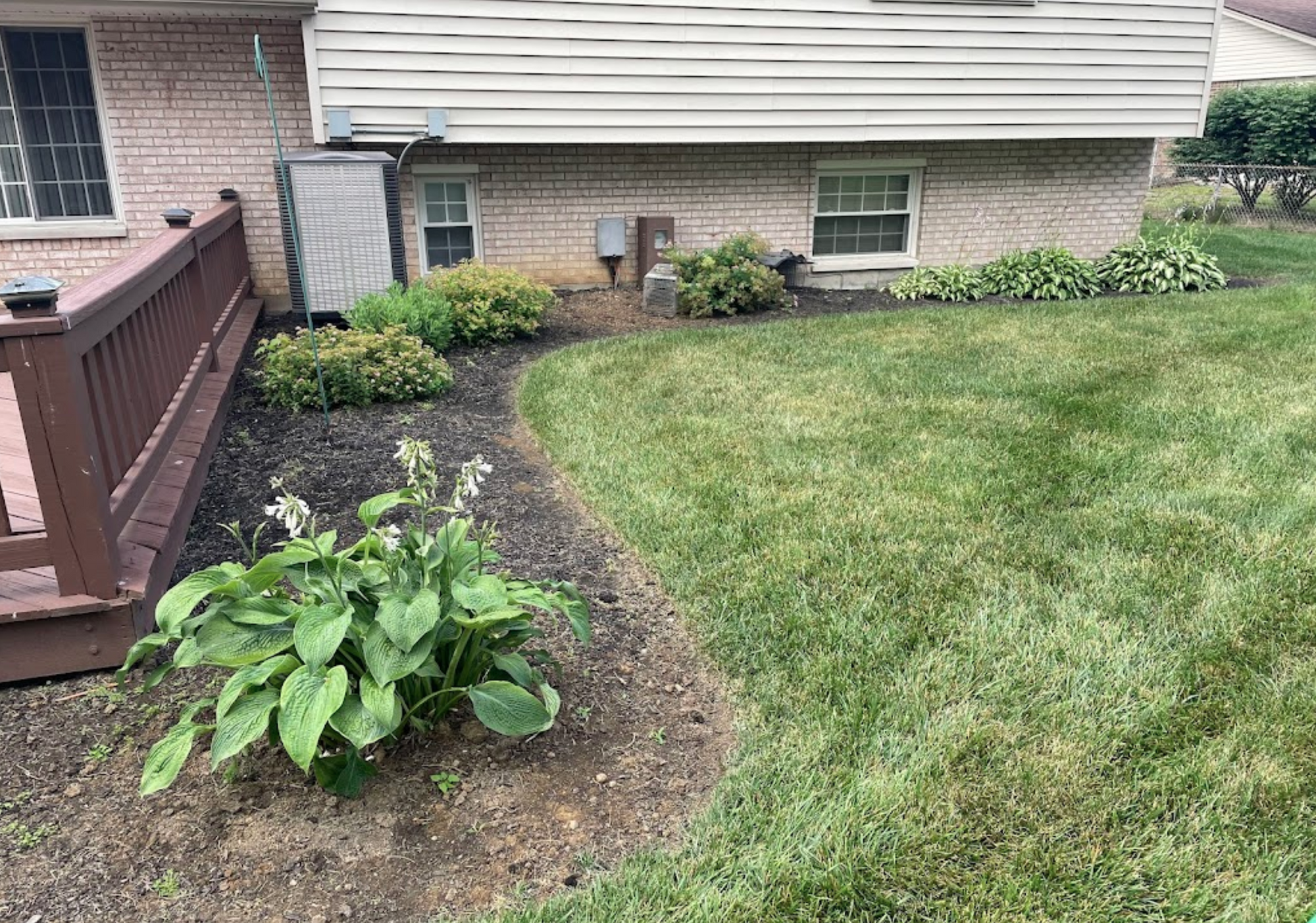
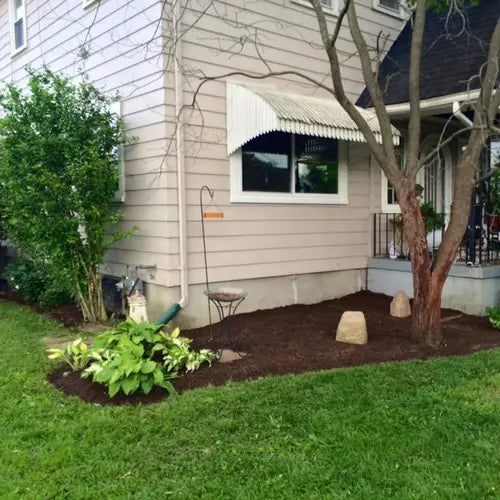
Pullman sits in a strange middle ground for mulch breakdown. Wet winters and spring snowmelt push decomposition along, but the bone dry stretch from late June through September essentially shuts down soil microbes, so organic mulch here lasts longer than it would in a wetter climate. That means a hardwood layer in Pullman typically holds its structure for two seasons before it needs a real refresh rather than the annual replacement common west of the Cascades.

Before image
After image
Slider handle
Before
After

Complete Your Outdoor Mulch Project

Pair your mulch with a few yards of compost or garden soil worked in first, since Palouse silt loam benefits from added organic matter. Steel or stone edging keeps mulch from washing downhill on sloped Pullman lots.

Mulch Mound Pro Tip

Water your beds thoroughly the day before mulch goes down. Pullman silt loam develops a surface crust once it dries out in summer, and dry mulch spread over dry soil will actually shed the first few irrigation cycles instead of letting water through. Pre wetting the soil means the moisture you trap under the mulch is already there, and the mulch simply holds it in place through the hot dry stretch from July into September.

Mulch Mound Pro Tip

Build a shallow saucer instead of a volcano around trees. Mulch mounded against a trunk holds moisture on the bark and invites rot and vole damage through the long Pullman winter. Instead, keep a bare collar three to four inches wide around the trunk flare, then extend mulch outward to the drip line at three inches deep. On sloped lots, form a slight berm on the downhill side to catch runoff before it leaves the root zone.

Mulch Mound Pro Tip

Refresh mulch on the sloped side of your property before the flat side. Snowmelt and spring runoff on the Palouse consistently thin the uphill portion of a bed while the downhill edge builds up. Each spring, rake the accumulated material back upslope, then add new mulch only where the layer has dropped below two inches. This saves a yard or two of material every year and keeps the whole bed at a consistent depth.

Frequently Asked Questions

Click a question to see the answer

Answer

When is the best time to mulch beds in Pullman?

Mid to late April is the sweet spot in Pullman. Wait until the soil has warmed after the last frost around May 5 but get the mulch down before the dry stretch begins in late June. Mulching too early on cold Palouse soil keeps root zones chilly and slows spring growth, and mulching too late means you have already lost the spring moisture you were trying to trap.

Answer

Will mulch blow off my beds in Pullman wind?

Fine bark nuggets and light chips can absolutely migrate in the wind that sweeps across the Palouse ridges. Shredded hardwood is the better choice here because the fibers knit together into a mat that resists both wind and the runoff that comes off Pullman slopes. Watering the mulch in after installation helps it settle and lock together faster.

Answer

How much mulch do I need for a typical Pullman yard?

Most Pullman homes with foundation beds and a few tree rings land somewhere between three and six cubic yards. One cubic yard covers about 100 square feet at three inches deep. Measure your beds, multiply length by width, and use our calculator to be sure before ordering.

Answer

Does mulch help with the erosion on my sloped lot?

Yes, and it matters more here than in flatter towns. Pullman lots frequently sit on grades of ten percent or more, and silt loam is very easy to move once water gets going. Shredded hardwood applied three inches deep absorbs the impact of rain and snowmelt and holds soil in place through the spring runoff.

Answer

Should I pull last year's mulch out before adding new mulch?

Usually not. In Pullman, mulch decomposes fairly slowly because the summers are so dry and microbial activity stalls without moisture. Rake the old layer to break up any crust, then top dress with one to two inches of fresh mulch to bring the total back to about three inches. Only remove old material if the total depth already exceeds four inches.

Answer

Will mulch attract voles or other pests through a Palouse winter?

Voles are a real issue in Pullman, especially where beds meet the grassy field edges common on the outskirts of town. The fix is simple. Keep mulch pulled back three to four inches from tree trunks and shrub crowns so rodents have no covered runway against the bark, and avoid piling mulch deeper than four inches anywhere.

Answer

Is dyed mulch safe to use around my vegetable garden here?

Quality dyed mulch uses iron oxide or carbon based colorants that are safe around plants, but we generally steer Pullman gardeners toward undyed shredded hardwood or straw for vegetable beds. Natural hardwood breaks down into organic matter that silt loam soil genuinely benefits from, and it will not fade to gray under the intense high elevation sun we get at 2513 feet.

The Unique Landscape of Pullman

Pullman gets roughly 21 inches of moisture a year, and most of it arrives as winter rain and snow rather than summer rainfall. That leaves Palouse landscapes bone dry from late June through September, when hot afternoons and steady ridge wind pull water straight out of the top few inches of soil. A layer of mulch is the cheapest insurance a Pullman homeowner can buy, because it slows evaporation from silt loam that would otherwise crust over and shed irrigation water. Mulch also buffers Zone 6b temperature swings, keeping roots from heaving during the freeze and thaw cycles that hit the Palouse between the October 5 first frost and the May 5 last frost. On sloped Pullman lots, and almost every lot here has some slope, mulch takes the impact out of snowmelt and spring runoff that would otherwise carve channels through bare beds. Beds mulched properly in April hold moisture far longer through a dry Whitman County August.