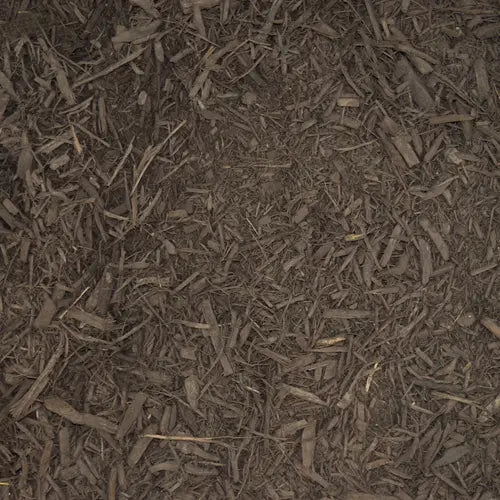
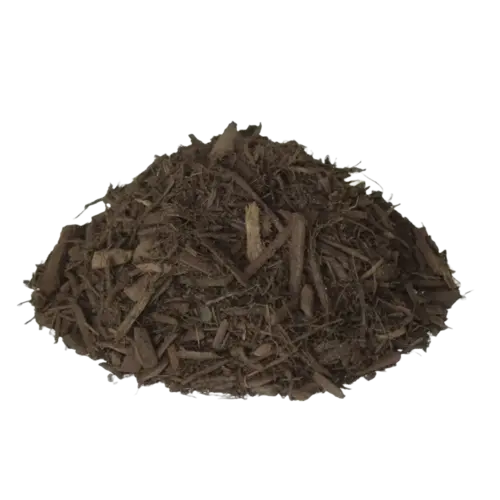
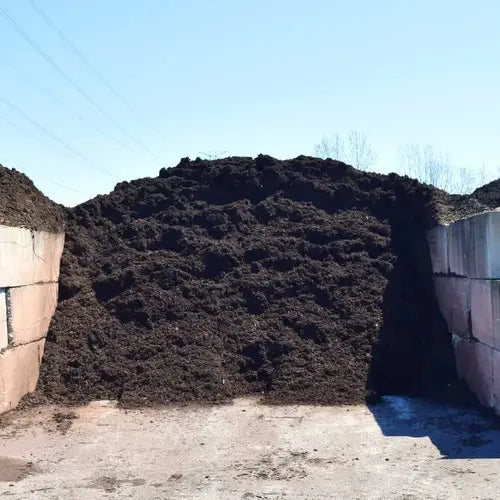
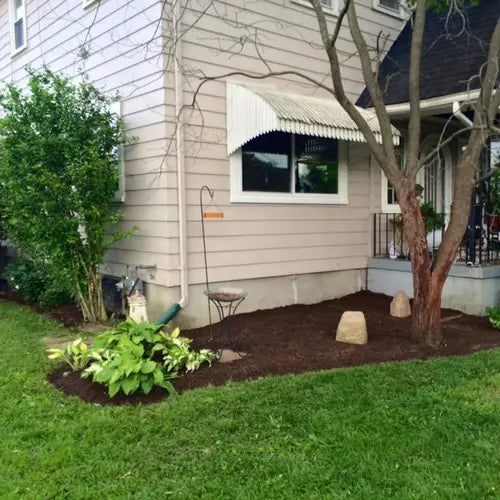
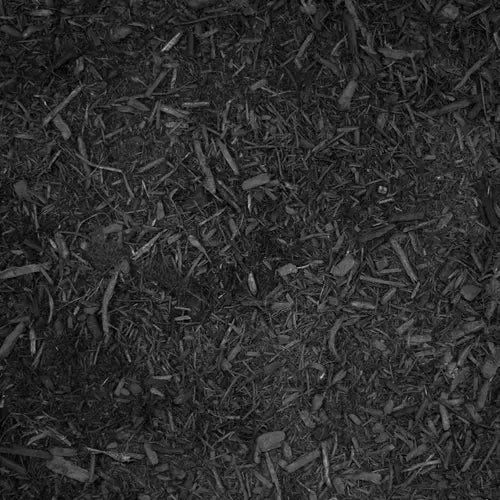
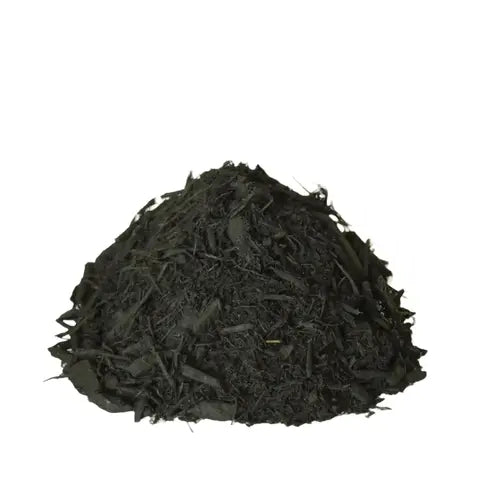
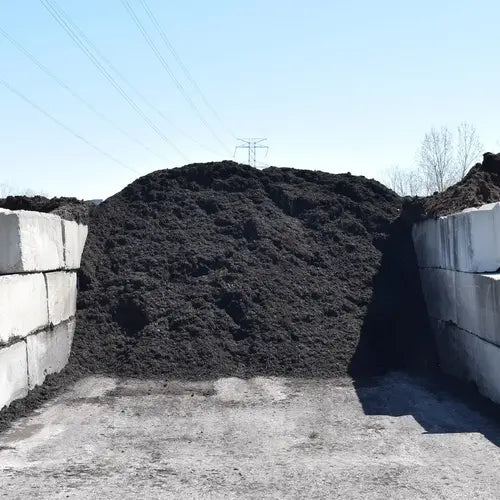
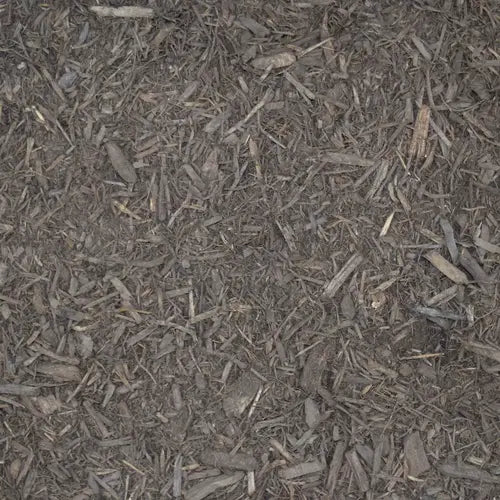
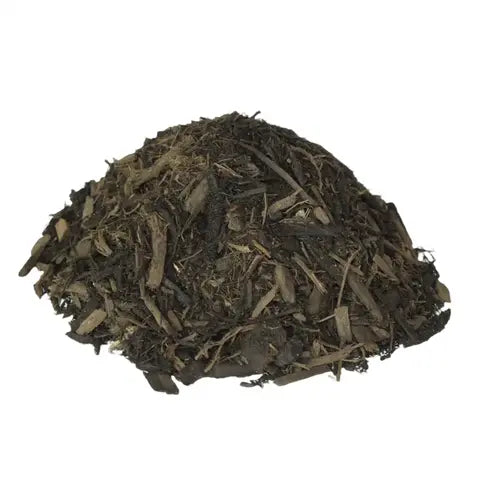
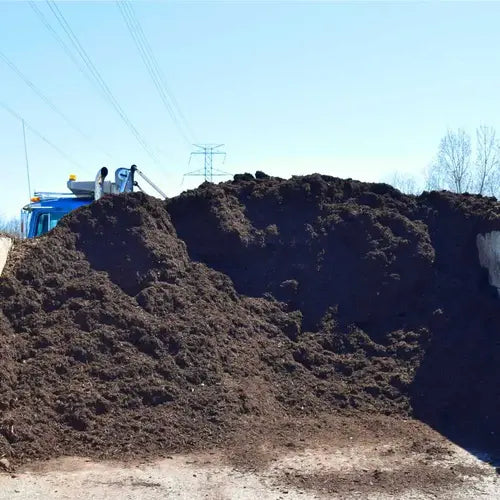
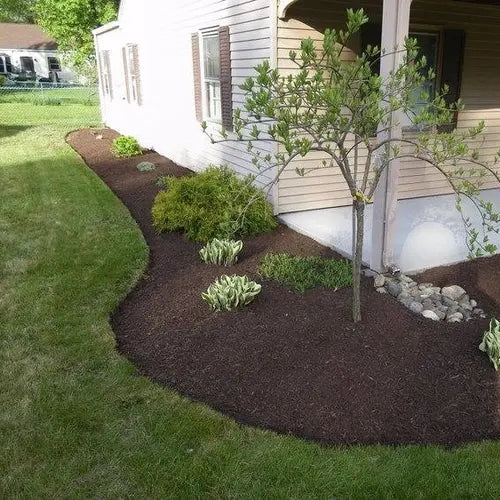
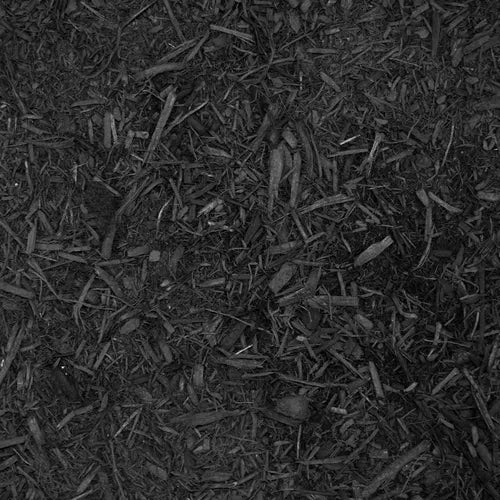
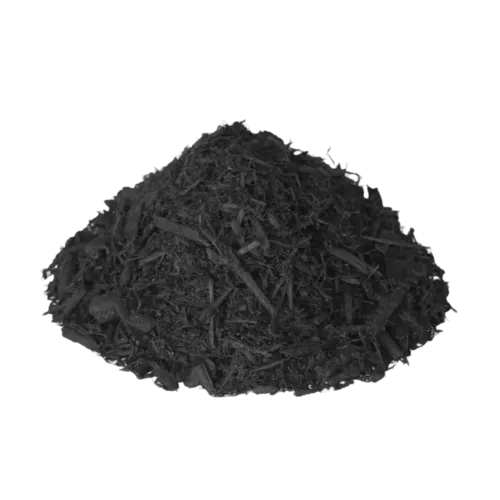
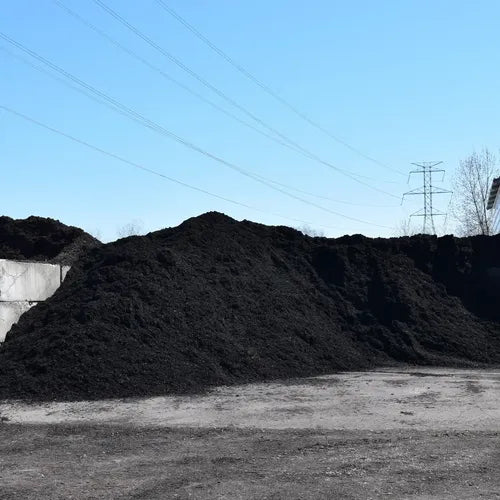
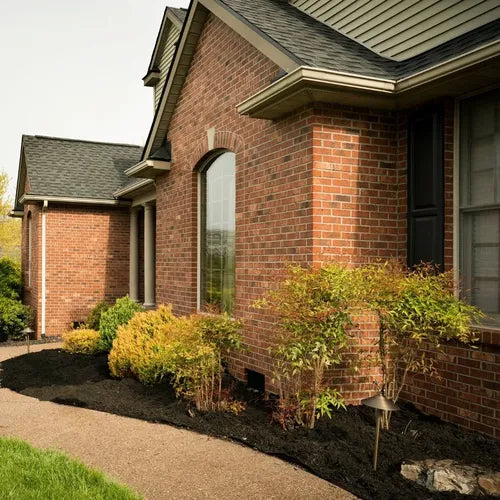
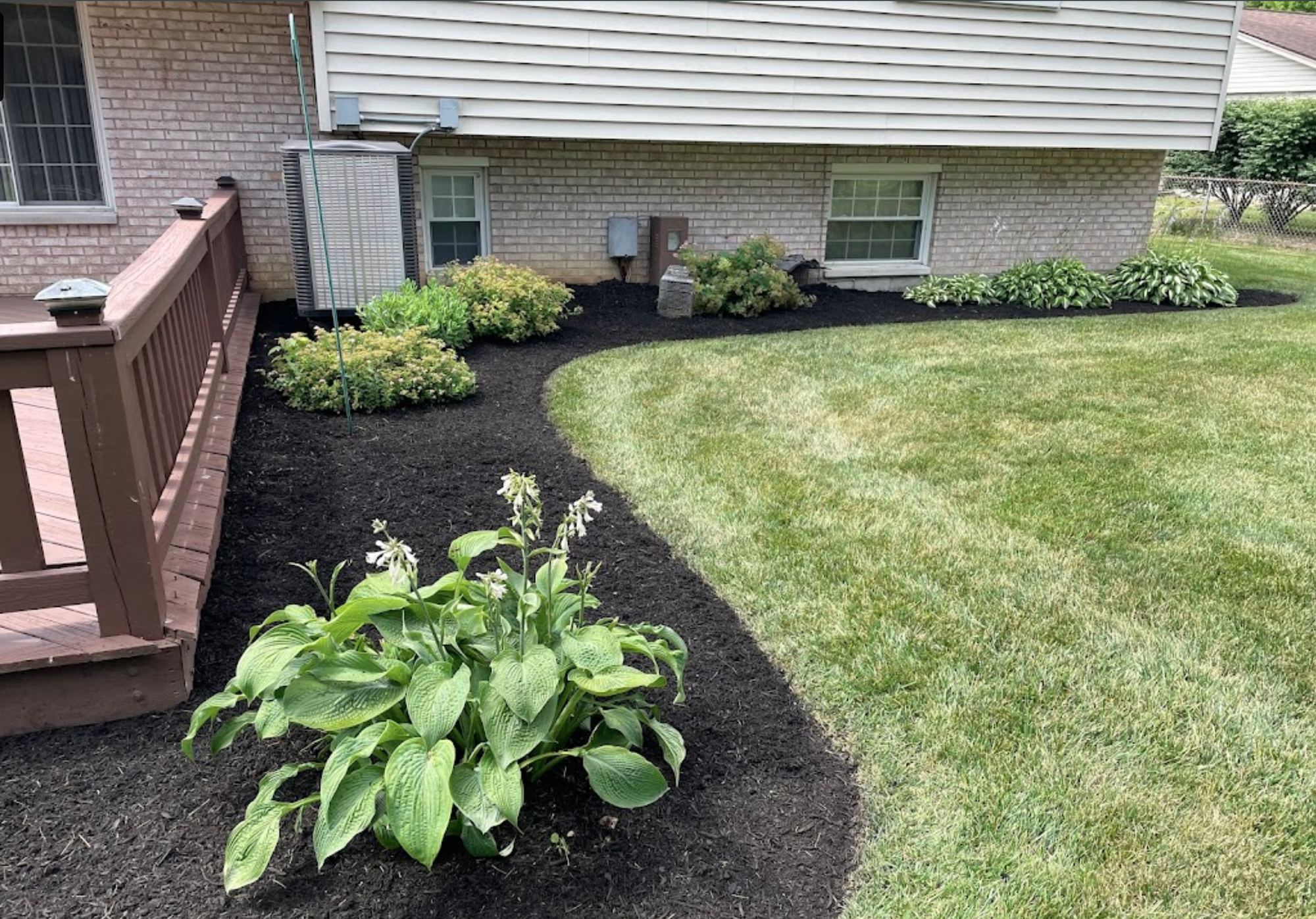
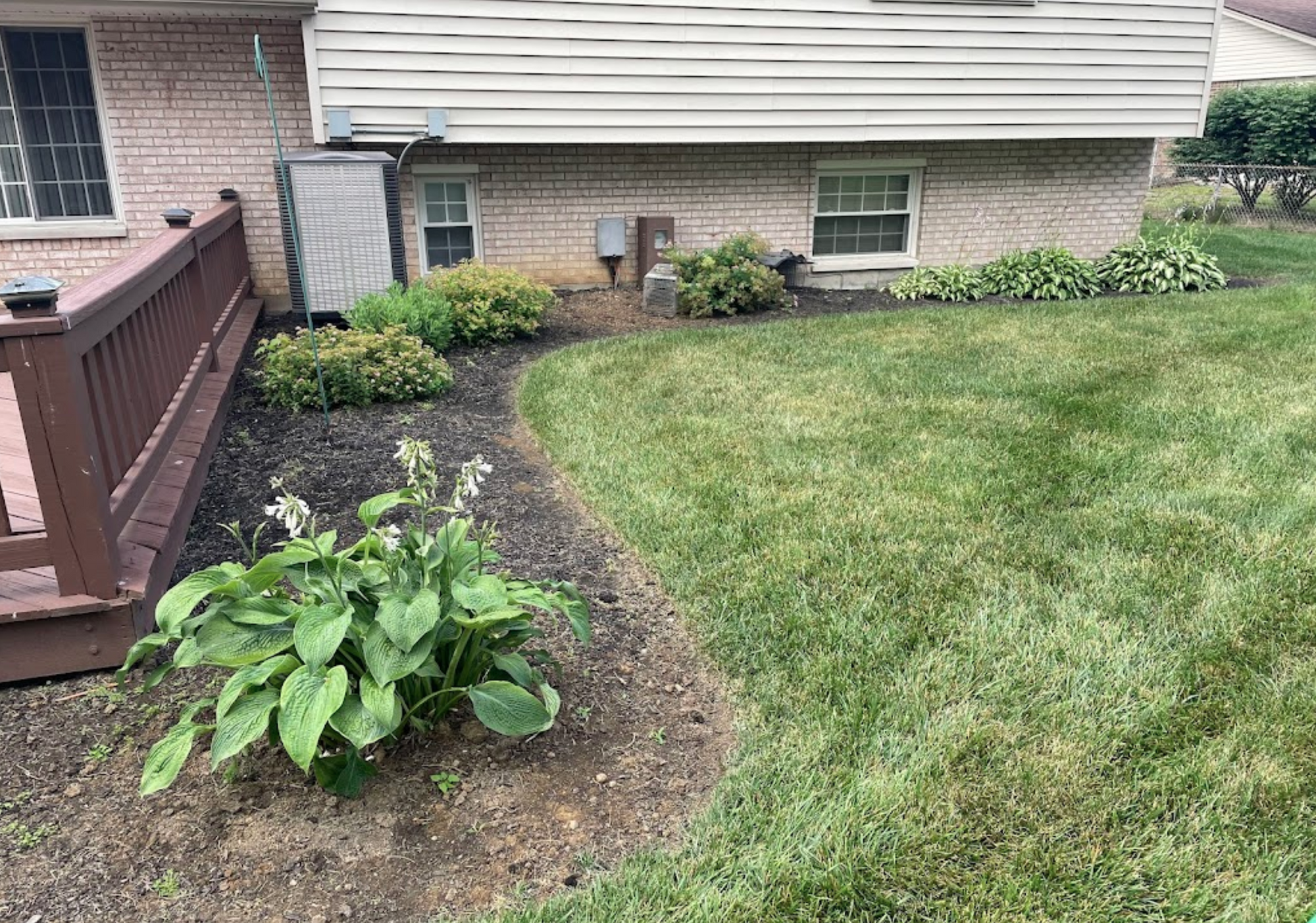
Bold black double shredded mulch that transforms beds instantly. The rich color holds strong through sun and rain, and the smooth texture spreads effortlessly.
Delivery was on time and great quality Mulch. Got it done in a reasonable time and yard looks great. Couldn’t be happier!!! Thank you and will use again!!
Tell us what you're looking for
Thanks! We received your request.
Something went wrong. Please try again.
How Much Material Do I Need?
Three inches is the working depth for Round Rock beds, deep enough to shade the clay and slow evaporation without smothering roots. One cubic yard covers about 108 square feet at that depth.
Use our free mulch calculator
What is a yard?
A yard is approximately 27 cubic feet. As a general guideline, one yard of material can cover an area of about 10 feet by 10 feet at a few inches deep.
We can't take orders for this right now. Tell us what you need and we'll get back to you.
What do you need?
Thanks! We received your request.
Something went wrong. Please try again.
Hand-picked local yards
4,000+ regional deliveries
Dedicated support
Why order through Mulch Mound
The best local , without the guesswork.
We hand-pick and partner with the best yards in your region, keep only the ones our buyers rate well, and back each load with our guarantee.
Mulch Mound Guarantee
If your isn't the quantity or quality you ordered, we'll make it right.
About this mulch
Bold black double shredded mulch that transforms beds instantly. The rich color holds strong through sun and rain, and the smooth texture spreads effortlessly.
Delivery was on time and great quality Mulch. Got it done in a reasonable time and yard looks great. Couldn’t be happier!!! Thank you and will use again!!
How Much Material Do I Need?
Three inches is the working depth for Round Rock beds, deep enough to shade the clay and slow evaporation without smothering roots. One cubic yard covers about 108 square feet at that depth.
Use our free mulch calculator
What is a yard?
A yard is approximately 27 cubic feet. As a general guideline, one yard of material can cover an area of about 10 feet by 10 feet at a few inches deep.
Delivery was on time and great quality Mulch. Got it done in a reasonable time and yard looks great. Couldn’t be happier!!! Thank you and will us...
Read full review
Delivery was on time and great quality Mulch. Got it done in a reasonable time and yard looks great. Couldn’t be happier!!! Thank you and will use again!!
Mulch Mound delivered a yard of pea gravel to us. Delivery was on time, driver was friendly and hit a bullseye on the “tarp target”. We used the ...
Read full review
Mulch Mound delivered a yard of pea gravel to us. Delivery was on time, driver was friendly and hit a bullseye on the “tarp target”. We used the pea gravel (which was diameter as specified) to fill several muskrat holes around our pond. I would definitely recommend Mulch Mound to a friend!
I can’t say enough good things about Mulch Mound! If you read my review below you will see I had a problem with my order. Mulch Mou...
Read full review
UPDATE!
I can’t say enough good things about Mulch Mound! If you read my review below you will see I had a problem with my order. Mulch Mound was quick to respond and solved the issue with my delivery. Will definitely be a customer next year.
First time purchase from Mulch Mound!! First what I liked! Easy to order online and straight forward pricing and delivery. The driver was on time and courteous and delivered my Mulch exactly where I requested! The product is of good quality and comparable to others I have purchased from before. Now what I DID’NT LIKE! I have been mulching the same house and yard for almost 20 years. I always order the same amount and don’t have any issues with covering the same area but this year I fell about a yard short. I was home when the mulch was delivered and when the driver dumped it I noticed that it seemed a bit less than I was used to. I didn’t apply it any thicker than usual and probably a bit thinner than usual because I was worried about running out.
Break irregular Round Rock beds into rectangles and half circles, measure each in feet, then add them together for total square footage. Curved builder bed lines almost always measure larger than they look, so trust the tape and not your eye. Enter that total with your target depth and the calculator handles the yardage.
Mulch vs. No Mulch: The Difference
Round Rock's combination of long 100 degree stretches, high UV, and roughly 36 inches of rain arriving in concentrated bursts breaks mulch down faster than most of the country. Undyed natural mulch decomposes into the black clay within about a year, which is a benefit if you want the soil improved. Dyed mulch holds its color and structure noticeably longer through our summers, which is why it dominates front yards in newer subdivisions here.
Before
After
Best Mulch Choice for Round Rock Lawns
Most yards in the Round Rock area sit on type of soil. Round Rock's black clay is dense, alkaline, and slow draining, so plant roots struggle to spread and beds hold water after a storm then turn to concrete two weeks later.
Hardwood Mulch
Hardwood mulch is the fix because as it decomposes it feeds organic matter into the top layer of the clay, which loosens structure, improves infiltration, and moderates that swell and shrink cycle season after season.
Complete Your Outdoor Mulch Project
Pair your mulch with a few yards of compost worked into the top of the clay before you spread, and add steel or stone edging to keep mulch from floating out of beds during our heavy October downpours.
Water your beds thoroughly the day before mulch arrives. Round Rock clay is nearly waterproof once it dries and crusts over, and spreading mulch on top of bone dry clay just locks that condition in for months. Pre wetting lets moisture penetrate several inches, and the mulch then holds it there. Do this in late February and your beds will enter June with real subsoil moisture instead of a dry hardpan.
Mulch Mound Pro Tip
Do not build volcanoes around your live oaks and red oaks. Round Rock has a lot of mature oaks and piling mulch against the trunk traps moisture on the bark, which invites decay and gives borers an easy entry. Keep mulch two to three inches away from the flare and extend the ring out toward the drip line instead. The feeder roots are out there, not at the trunk.
Mulch Mound Pro Tip
Rake and fluff last year's mulch before adding new material. Round Rock beds develop a matted crust on the surface where fine particles bind together, and rainwater from our short intense storms runs straight off it into the street. Ten minutes with a hard rake breaks that crust, and then you only need an inch or two of fresh mulch to hit three inches total instead of buying a full new load.
Frequently Asked Questions
Click a question to see the answer
Answer
How often do I need to re-mulch in Round Rock?
Plan on a full top up every spring and a light one inch touch up in early fall. Round Rock heat and the intense UV at this elevation break down the surface inch of hardwood faster than in cooler parts of Texas, and the big October rain events wash fines out of beds that slope toward the street. Most homeowners here land on about two and a half yards per year for an average front bed set.
Answer
Will mulch keep my black clay from cracking in August?
It will dramatically reduce it. The cracks form when clay dries and shrinks, so anything that slows evaporation slows the cracking. Three inches of hardwood over a bed will keep the top several inches of clay from drying to the point that it separates from root balls, which is the real damage. Nothing stops cracking in open turf, but in mulched beds you will see a fraction of what your neighbors get.
Answer
Is dyed mulch safe around my vegetable beds off Sam Bass Road?
We recommend keeping dyed mulch in ornamental beds and using native or double ground hardwood around edibles. The colorants themselves are iron and carbon based, but the wood feedstock in dyed products is less predictable. For vegetable rows in Round Rock, undyed hardwood or a compost mulch also feeds the clay as it breaks down, which is what those beds need anyway.
Answer
How much mulch do I need for a typical Round Rock front yard?
Most homes in Round Rock neighborhoods like Forest Creek or Teravista run between 300 and 600 square feet of front bed. At three inches deep, that is roughly three to five and a half cubic yards. Measure your actual bed outlines rather than guessing, because the curved bed lines builders use here hold more square footage than people expect.
Answer
When is the best time to mulch here?
Late February through mid March, right around the March 10 last frost, is ideal. The clay still holds winter moisture and you are trapping it before the heat arrives. A second best window is late October, after the first fall rains and before the November 27 first frost, which insulates roots through the short cold snaps we get in January.
Answer
Does mulch really help with our water bill during summer restrictions?
Yes, and it is the cheapest way to comply with Round Rock watering schedules without losing plants. Three inches of mulch cuts evaporation loss from bed soil substantially, so beds that needed water twice a week can often go once. On a Zone 9a summer with 100 degree stretches, that difference is what keeps shrubs alive between allowed watering days.
Answer
Will mulch bring termites close to my house?
Mulch does not attract termites, but any consistently damp material against wood siding or a slab weep line is a bad idea. Keep mulch pulled back about six inches from the foundation, which also matters here because our clay slabs need that drying zone at the perimeter. Coarse hardwood dries faster on the surface than fine shredded product, so it is the safer choice next to the house.
The Unique Landscape of Round Rock
Round Rock sits on heavy black clay over the Edwards Plateau edge at roughly 735 feet, and that clay swells when the spring rains come and cracks wide open by the third week of August. Mulch is the buffer that keeps those cracks from opening around your root balls and pulling moisture straight out of the bed. With only about 36 inches of rain a year, most of it dumped in a handful of May and October storms, bare clay beds bake into a crust that sheds water instead of absorbing it. A steady three inch mulch layer lowers soil temperature in beds along south facing Round Rock driveways by fifteen to twenty degrees during a July afternoon. It also protects tender crape myrtles and salvias through the short cold snaps that follow the November 27 first frost. For most homeowners here, mulch does more real work than any other single material they buy.