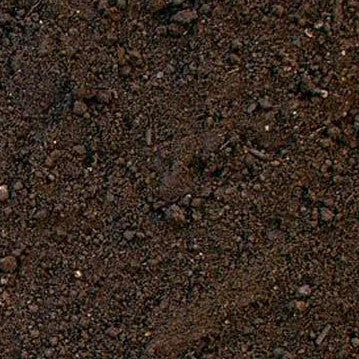
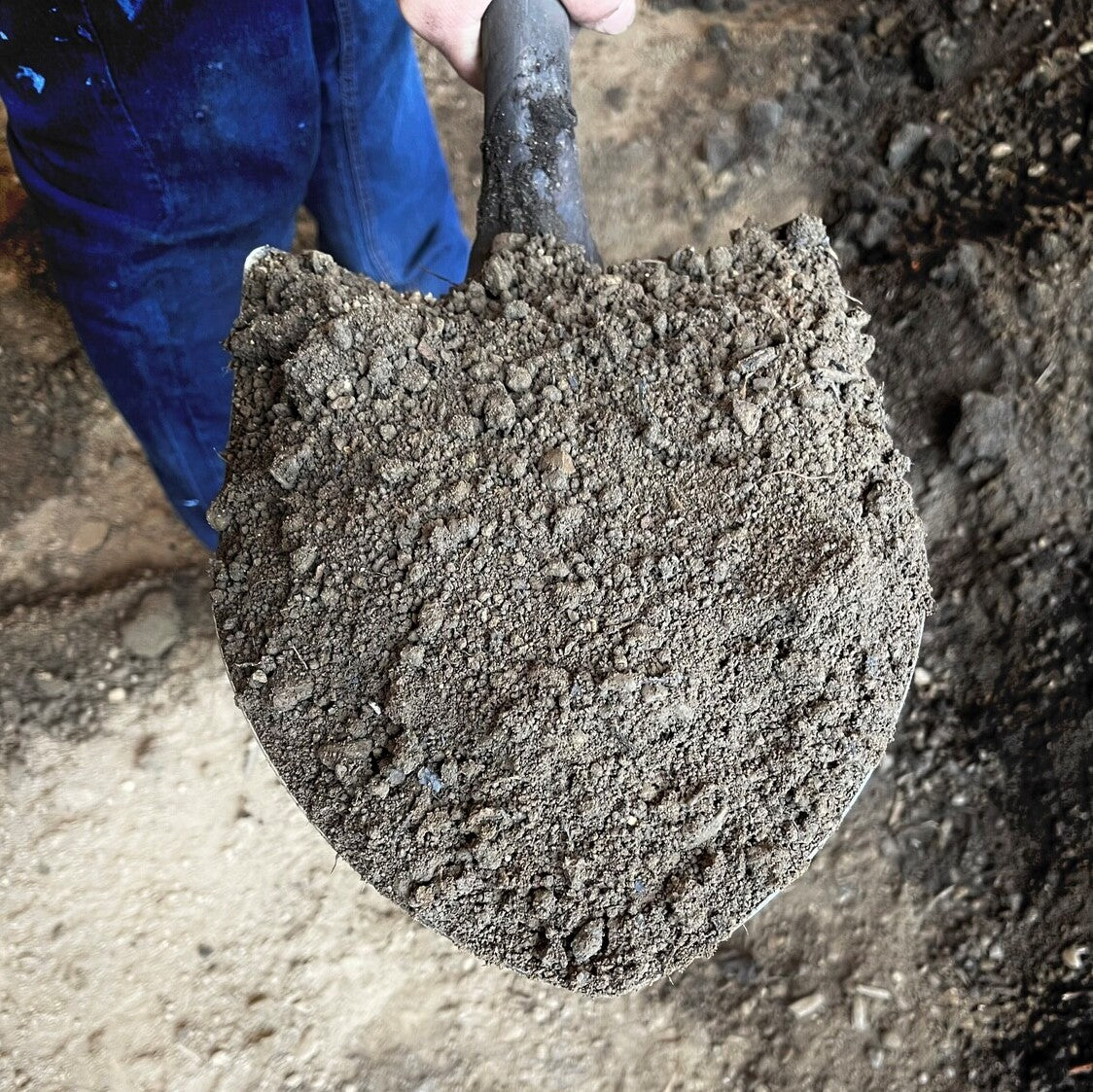
Sandy loam is exactly what it sounds like—a balanced mixture of sand, silt, and a little bit of clay. It will feel gritty and crumbly. Unlike the Garden Mix, it won't have chunks of wood, bark, or perlite in it. It's unscreened so it will be clumpy.
The website was intuitive and easy to navigate. The material was delivered the date and time it was scheduled, it was dropped off in the area i had specified on top of my tarp with no issues.
I ordered soil, the Gardening Blend that I received had too many plastic and m...
Tell us what you're looking for
Thanks! We received your request.
Something went wrong. Please try again.
How Much Material Do I Need?
Plan on eight to twelve inches for raised beds and four to six inches for new planting beds worked into ripped clay. One cubic yard covers about 100 square feet at three inches deep.
Use our free soil calculator
What is a Yard?
A yard is approximately 27 cubic feet. As a general guideline, one yard of material can cover an area of about 100-160 square feet at a 2-3 inch depth.
We can't take orders for this right now. Tell us what you need and we'll get back to you.
What do you need?
Thanks! We received your request.
Something went wrong. Please try again.
Hand-picked local yards
4,000+ regional deliveries
Dedicated support
Why order through Mulch Mound
The best local , without the guesswork.
We hand-pick and partner with the best yards in your region, keep only the ones our buyers rate well, and back each load with our guarantee.
Mulch Mound Guarantee
If your isn't the quantity or quality you ordered, we'll make it right.
About this soil
Sandy loam is exactly what it sounds like—a balanced mixture of sand, silt, and a little bit of clay. It will feel gritty and crumbly. Unlike the Garden Mix, it won't have chunks of wood, bark, or perlite in it. It's unscreened so it will be clumpy.
The website was intuitive and easy to navigate. The material was delivered the date and time it was scheduled, it was dropped off in the area i had specified on top of my tarp with no issues.
I ordered soil, the Gardening Blend that I received had too many plastic and m...
How Much Material Do I Need?
Plan on eight to twelve inches for raised beds and four to six inches for new planting beds worked into ripped clay. One cubic yard covers about 100 square feet at three inches deep.
Use our free soil calculator
What is a Yard?
A yard is approximately 27 cubic feet. As a general guideline, one yard of material can cover an area of about 100-160 square feet at a 2-3 inch depth.
The website was intuitive and easy to navigate. The material was delivered the date and time it was scheduled, it was dropped off in the area i had...
Read full review
The website was intuitive and easy to navigate. The material was delivered the date and time it was scheduled, it was dropped off in the area i had specified on top of my tarp with no issues.
I ordered soil, the Gardening Blend that I received had too many plastic and metal pieces for my liking thus lowering the score from a perfect 5/5 to a 4/5
Really appreciate the care and follow thru that this company had with our order. A hiccup came up but they were quick to respond and address all co...
Read full review
Really appreciate the care and follow thru that this company had with our order. A hiccup came up but they were quick to respond and address all concerns, which made our garden day a success! Thank you for your prompt care.
Measure the length and width of the bed in feet, then decide your fill depth in inches, remembering that new soil settles roughly fifteen percent in the first season. Add that settling allowance in before you order. For odd shaped berms, break the area into simple rectangles and average the depths.
Complete Your Outdoor Soil Project
Add compost and expanded shale to blend into the native clay at the base, then finish with three inches of hardwood mulch to protect all that new soil from Round Rock sun and summer evaporation.
What kind of soil should I use to fill in around my foundation?
Use a clay heavy fill or a screened native topsoil, not a loose garden mix. Round Rock slabs sit on expansive black clay, and you want the perimeter to shed water away from the slab rather than soak it up. Grade a gentle slope of about one inch per foot for the first several feet out and keep the fill a few inches below the slab edge. Loose organic soil there acts like a sponge against your foundation.
Answer
Can I just amend my existing black clay instead of buying soil?
You can for large planting beds, and it works well if you use expanded shale and compost together. Compost alone gets consumed by the clay within a couple of Round Rock summers. Expanded shale physically holds pore space open long term. For raised beds or anywhere you want to plant right now, importing a ready blended soil is faster and gives you consistent results.
Answer
How deep should soil be for a raised vegetable bed in Round Rock?
Twelve inches of good soil above the native clay is the sweet spot for tomatoes, peppers, and okra here. Eight inches works for greens and herbs. Because our summers push soil temperatures very high, deeper beds also stay cooler at the root zone, which is why shallow six inch beds struggle to hold plants through July and August in Round Rock.
Answer
Will imported soil drain properly on top of my clay?
Only if you break the interface. If you dump loose soil directly on compacted clay you create a perched water table where roots sit in water after a big rain. Rip or till the top few inches of clay first so the two layers mix, or build tall enough beds that the root zone stays above the wet layer. This matters most on the flatter lots in east Round Rock where water has nowhere to go.
Answer
How much soil do I need to level low spots in my lawn?
Figure your low areas in square feet, then a half inch top dressing across 1,000 square feet takes about one and a half cubic yards. Round Rock lawns settle unevenly because clay shrinks over old trench lines and irrigation runs. Never bury Bermuda or St. Augustine more than a half inch at a time, and repeat every few months instead of trying to fix it in one pass.
Answer
Is our soil too alkaline for what I want to plant?
Round Rock soils typically run pH 7.5 to 8.2 because of the limestone underneath, and you will not permanently change that. Azaleas, blueberries, and gardenias will chlorose and struggle unless you grow them in containers with acid mix. Choose plants adapted to alkaline conditions such as Texas sage, salvia greggii, yaupon, and rosemary, and you will spend far less on iron supplements.
Answer
When is the best time to bring in soil and start beds?
October and February are the two best windows. October gives you cool soil and fall rains so beds settle and biology gets active before the November 27 first frost. February lets you build and plant right at the March 10 last frost date. Avoid June through August, since freshly built beds dry out faster than established ones and require constant watering in Round Rock heat.
Mulch Mound Pro Tip
Rip the clay before you fill. Run a garden fork or a tiller through the top three or four inches of native black clay where your new soil will go. It takes an extra hour and it prevents the hard interface layer that causes root circling and perched water after our May storms. Roots that can move down into the clay find real moisture reserves in August when the surface soil is bone dry.
Mulch Mound Pro Tip
Build slightly high and slightly crowned. Round Rock gets its 36 inches of rain in a small number of intense events, and flat beds sitting level with the surrounding clay will pond every time. Mounding new beds three or four inches above grade with a gentle crown gets water moving off the crown instead of standing on the root zone. This one habit saves more rosemary, lantana, and Mediterranean herbs than any other in this soil.
Mulch Mound Pro Tip
Get a soil test before you buy amendments. Round Rock clay is already high in calcium and often high in phosphorus, so the all purpose fertilizers most people grab add nutrients your soil does not need while missing the nitrogen and iron it does. The Texas A and M AgriLife lab will run a basic test cheaply, and the results will change what you order for the next several years.
The Unique Landscape of Round Rock
Most Round Rock lots were scraped flat during construction, leaving homeowners with a few inches of builder fill sitting on compacted black clay. That clay is naturally fertile and alkaline but it is also dense enough that roots stall out and water perches instead of draining. Bringing in quality garden soil and compost blends is how you build a workable root zone above the clay rather than fighting it. With a long Zone 9a growing season stretching from the March 10 last frost to November 27, plants here have the time to grow big if the root zone will let them. Raised beds and berms built with imported soil also solve the drainage problem that kills so many rosemary, lavender, and salvia plantings in Round Rock. Good soil is the one investment that pays off every single season.