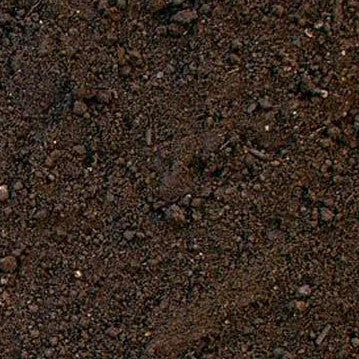
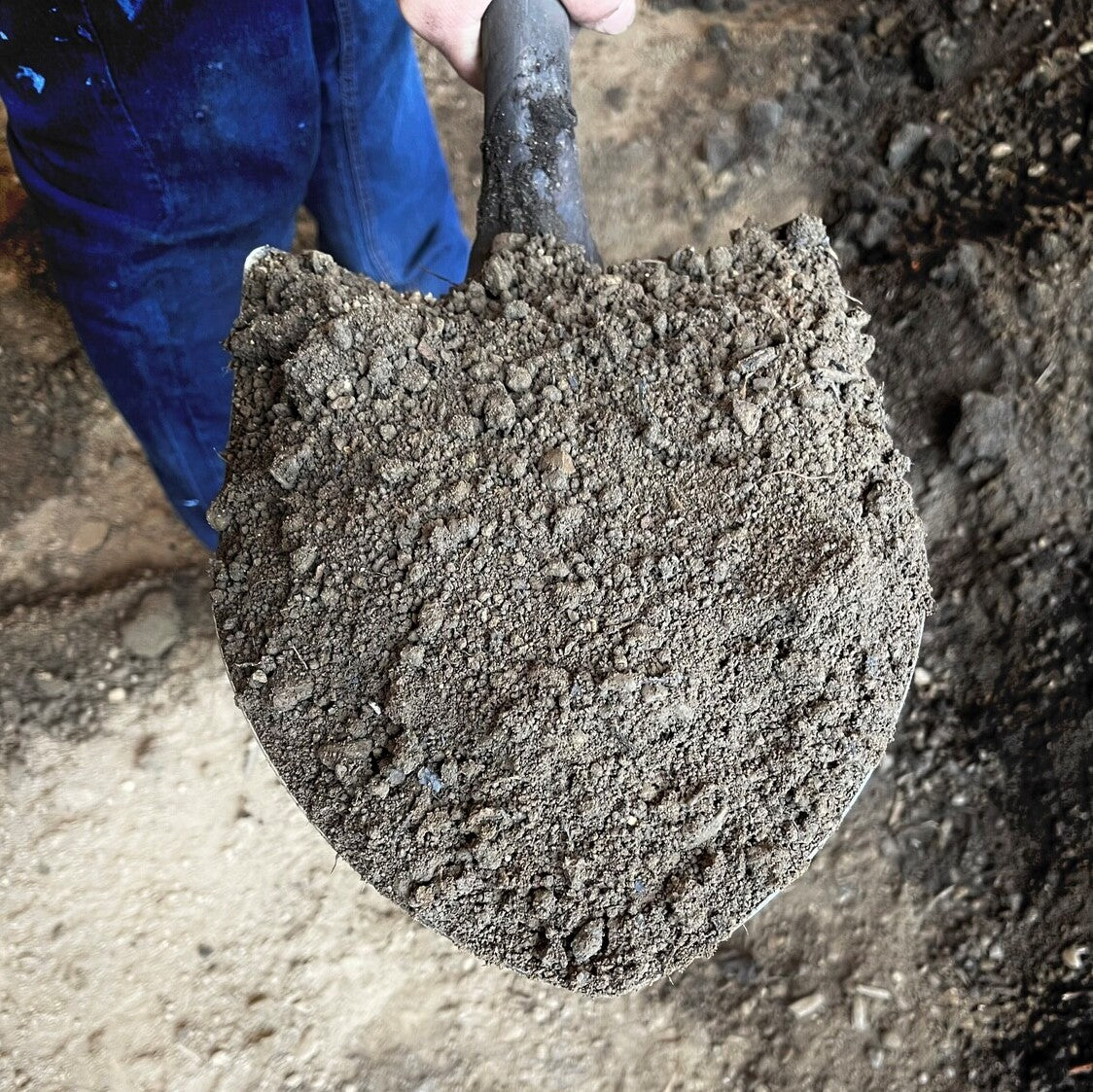
We got 3 yards of the gardening top soil. It was great quality, not many chunks and seems good for growing, just waiting for all my plants to love it.
We had more than enough soil to fill a raised bed we made and landscaped around a patio. I do wish we could do less tha...
Tell us what you're looking for
Thanks! We received your request.
Something went wrong. Please try again.
How Much Material Do I Need?
One cubic yard fills roughly a four foot by eight foot raised bed to about ten inches deep, or covers one hundred square feet at three inches for a lawn top dress. For new planting beds, aim for six to eight inches of workable soil above the native sandy loam.
Use our free soil calculator
What is a Yard?
A yard is approximately 27 cubic feet. As a general guideline, one yard of material can cover an area of about 100-160 square feet at a 2-3 inch depth.
We got 3 yards of the gardening top soil. It was great quality, not many chunks and seems good for growing, just waiting for all my plants to love it.
We had more than enough soil to fill a raised bed we made and landscaped around a patio. I do wish we could do less tha...
How Much Material Do I Need?
One cubic yard fills roughly a four foot by eight foot raised bed to about ten inches deep, or covers one hundred square feet at three inches for a lawn top dress. For new planting beds, aim for six to eight inches of workable soil above the native sandy loam.
Use our free soil calculator
What is a Yard?
A yard is approximately 27 cubic feet. As a general guideline, one yard of material can cover an area of about 100-160 square feet at a 2-3 inch depth.
We got 3 yards of the gardening top soil. It was great quality, not many chunks and seems good for growing, just waiting for all my plants to love ...
Read full review
We got 3 yards of the gardening top soil. It was great quality, not many chunks and seems good for growing, just waiting for all my plants to love it.
We had more than enough soil to fill a raised bed we made and landscaped around a patio. I do wish we could do less than 3 yds delivered but I understand the limitations.
My only concern was we requested it on the top left of our driveway since we had mulch on the other side, they ended up pouring it on top of the mulch (it was covered with a tarp so not ruined) making it difficult to complete our landscaping in a timely fashion.
Measure length and width of each bed and multiply by the fill depth in feet, then divide by twenty seven to get cubic yards. For raised beds, measure the inside dimensions rather than the outside frame or you will overbuy by the width of the lumber. Round up slightly since compost rich soil settles noticeably in the first season.
Complete Your Outdoor Soil Project
Add compost to blend into the native soil at the base of new beds, and finish the surface with three inches of mulch so your new soil does not dry out in the first week of Santa Barbara sun. Decomposed granite is a good companion for the paths between beds.
Service area
Areas we deliver soil in Santa Barbara, California
Can I just amend my existing sandy loam instead of buying soil?
For ornamental beds and native plantings, amending is usually the better and cheaper route. Work two to three inches of compost into the top eight inches and you will improve water holding without disrupting drainage. Bring in blended soil when you are building raised beds, filling behind a new wall, or working on a graded lot where the topsoil was scraped off entirely.
Answer
What soil mix works best for a vegetable garden here?
A blend running roughly half screened topsoil and half compost performs well in Santa Barbara because our long season means heavy feeders like tomatoes and squash draw on the bed for many months. The added organic matter compensates for the low water holding capacity of the local sandy loam. Plan on refreshing the top three inches with compost between plantings.
Answer
How deep should soil be in a raised bed on top of our native ground?
Twelve inches of good mix is a solid target for most vegetables, and eighteen inches if you want to grow root crops or tomatoes without constant watering. Because the sandy loam underneath drains freely, you do not need gravel at the bottom. Simply loosen the native soil so roots can travel down into it.
Answer
Does our irrigation water cause salt buildup in imported soil?
It can, especially on properties running on harder well or blended sources during the long dry season with no rain to flush the profile. Watch for white crusting on the soil surface and leaf tip burn on sensitive plants. A deep leaching irrigation every couple of months in summer, plus a compost rich soil that improves structure, keeps most Santa Barbara gardens in good shape.
Answer
When is the best time to bring in soil and start a new bed?
Fall, roughly late September through November, is the sweet spot. You get soil in place before the winter rains, which settle and integrate it naturally, and the mild Zone 10b winter lets cool season crops and new perennials establish without heat stress. Spring works too, but you will be irrigating a great deal more to get roots down before summer.
Answer
Will imported soil settle much?
Expect a fresh compost blended mix to settle roughly fifteen to twenty percent over the first few months, and faster here because our soil biology stays active all winter without a freeze. Fill raised beds an inch or two above the rail and plan on topping off after the first rainy season. Screened topsoil with less organic content settles less.
Answer
How much soil will fit in my truck versus needing delivery?
A half ton pickup safely carries about half a yard of moist soil, and most homeowners underestimate the weight, which runs well over two thousand pounds per cubic yard. For anything past a yard, delivery is faster and easier on your suspension. It also spares you multiple trips through Santa Barbara traffic on a loaded truck.
Mulch Mound Pro Tip
Do not layer soil onto native ground without breaking the interface first. A distinct boundary between fine imported mix and coarse sandy loam creates a perched water table that stalls roots at the transition. Run a digging fork or broadfork through the top four to six inches of native soil, then place your new mix on top and blend the seam. Roots will move down freely and the whole profile will drain as one unit.
Mulch Mound Pro Tip
Build your soil depth around Santa Barbara water rules rather than around plant labels. A deeper root zone lets you water less often but longer, which suits the tiered rate structures most South Coast households face. Twelve to eighteen inches of good mix lets a tomato pull from a large reservoir and go three or four days between irrigations in July, whereas six inches of mix over sand will demand daily attention all summer.
Mulch Mound Pro Tip
Check your new soil for pH before you plant citrus or blueberries. Santa Barbara area soils and irrigation water tend to run neutral to slightly alkaline, and imported blends can be similar. Citrus tolerates that fine, but acid lovers will yellow between the leaf veins within a season. Use a cheap probe or a mail in test, and if you plan on blueberries, build a dedicated bed with an acidified mix instead of fighting the whole yard.
The Unique Landscape of Santa Barbara
Most Santa Barbara properties sit on sandy loam that drains fast and holds almost nothing, which is fine for drought tolerant natives but frustrating for vegetable beds, lawns, and hungry ornamentals. Bringing in quality topsoil or a blended garden mix is often the difference between a raised bed that produces for eight months and one that stalls out by June. With only about 18 inches of annual rain and a Zone 10b growing season that never truly stops, soil here is worked hard year round and organic matter burns off quickly. Sites near the coast can also carry salt accumulation from irrigation water and ocean influence, and adding compost rich soil helps buffer that. Hillside lots throughout the Riviera and Mission Canyon frequently lack usable topsoil at all after grading, leaving builders sand and decomposed rock. Importing good soil gives you a real root zone to plant into rather than fighting the native profile every season.