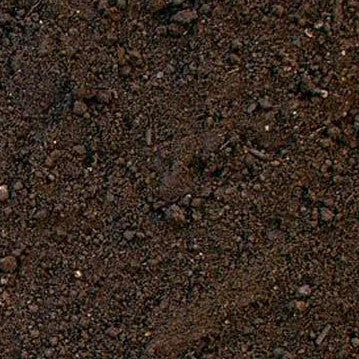
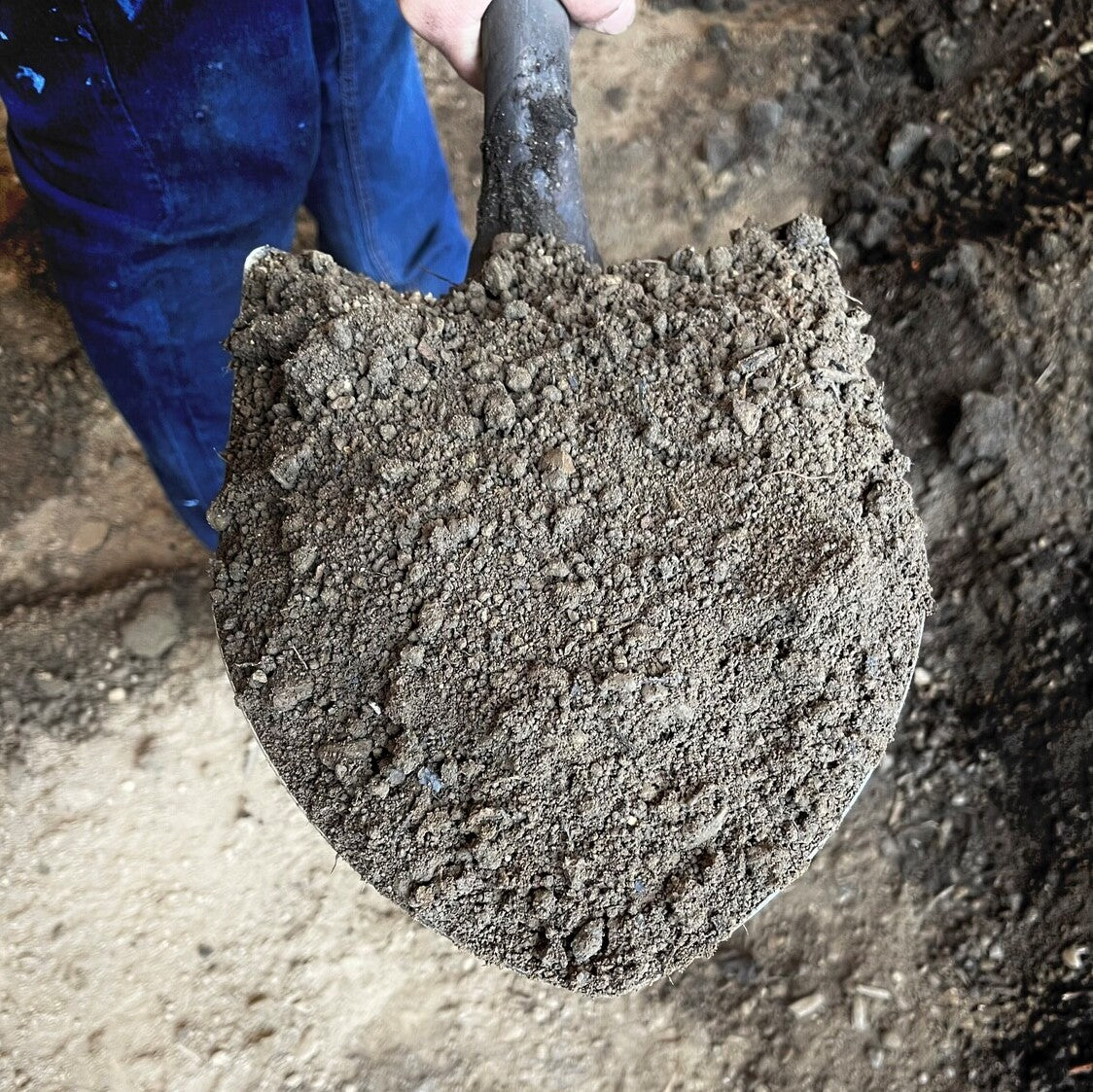
My experience with Mulch Mound was great and super easy. I ordered two yards of screened topsoil and was able to get it delivered within 2 days. They came in my requested time frame (afternoon) and dropped it off where I asked on my driveway. The topsoil was exactly what was a...
Tell us what you're looking for
Thanks! We received your request.
Something went wrong. Please try again.
How Much Material Do I Need?
Plan four to six inches of topsoil for new lawns, twelve inches or more for raised vegetable beds, and a half inch per pass for lawn topdressing. One cubic yard covers roughly 55 square feet at six inches deep.
Use our free soil calculator
What is a Yard?
A yard is approximately 27 cubic feet. As a general guideline, one yard of material can cover an area of about 100-160 square feet at a 2-3 inch depth.
My experience with Mulch Mound was great and super easy. I ordered two yards of screened topsoil and was able to get it delivered within 2 days. They came in my requested time frame (afternoon) and dropped it off where I asked on my driveway. The topsoil was exactly what was a...
How Much Material Do I Need?
Plan four to six inches of topsoil for new lawns, twelve inches or more for raised vegetable beds, and a half inch per pass for lawn topdressing. One cubic yard covers roughly 55 square feet at six inches deep.
Use our free soil calculator
What is a Yard?
A yard is approximately 27 cubic feet. As a general guideline, one yard of material can cover an area of about 100-160 square feet at a 2-3 inch depth.
My experience with Mulch Mound was great and super easy. I ordered two yards of screened topsoil and was able to get it delivered within 2 days. Th...
Read full review
My experience with Mulch Mound was great and super easy. I ordered two yards of screened topsoil and was able to get it delivered within 2 days. They came in my requested time frame (afternoon) and dropped it off where I asked on my driveway. The topsoil was exactly what was advertised, clean with no rocks or other debris. The price was reasonable. I plan to use them again in a couple weeks to order compost for my garden beds.
For beds and lawn areas, measure length and width in feet, multiply by your depth in feet, then divide by 27 for cubic yards. Remember that six inches is 0.5 feet and four inches is 0.33 feet. Add about fifteen percent for any soil you are using to fill or level, because loose material always compacts once it is watered in.
Complete Your Outdoor Soil Project
Add compost to blend into your soil and a few yards of mulch to cap the finished beds, which is what keeps Smithfield silt loam from crusting once the summer sun hits. Edging keeps your new soil where you put it on sloped bench lots.
My builder left nothing but hardpan. How much topsoil do I need for a new Smithfield lawn?
Aim for four to six inches of quality topsoil over broken up subsoil. That is enough for turf roots to establish and for the lawn to survive a Cache Valley August without daily watering. Rip or till the compacted layer first, because laying good soil directly on hardpan just creates a shallow bathtub that holds water and roots.
Answer
Is Smithfield's native silt loam good enough on its own for a garden?
It has good texture and water holding ability, which is why the valley farms so well, but most residential silt loam here is short on organic matter and runs alkaline. Blending in two to three inches of compost each season loosens the structure, improves nutrient availability, and stops the surface crusting that makes seeds struggle to emerge.
Answer
When can I actually start moving soil in the spring?
Wait until the soil crumbles instead of smearing when you squeeze a handful. In Smithfield that is usually mid to late April, once snowmelt has drained off. Working silt loam while it is saturated destroys the structure and creates concrete like clods that stay hard all season, so patience here pays off for years.
Answer
How much soil does a raised bed take?
A 4 by 8 foot bed at 12 inches deep needs about 1.2 cubic yards. Two of those beds put you right around 2.5 yards, which is a very common Smithfield order. Fill beds slightly proud of the top rail, because a compost rich blend will settle an inch or two after the first few waterings.
Answer
Should I use topsoil or a garden blend for my vegetable beds?
Use a garden blend. Straight topsoil is fine for grading and lawn base, but a vegetable bed in Smithfield needs the extra organic matter and drainage that a compost blend delivers. With only about a five month frost free window here, you want soil that warms quickly in May and stays loose all season.
Answer
Will new topsoil bring weed seed into my yard?
Any screened natural soil carries some weed seed, that is unavoidable. What helps in Smithfield is timing. Spread and water your soil, let the first flush of weeds germinate over ten to fourteen days, then hoe or lightly cultivate before you seed or plant. That one step removes most of the surface seed bank.
Answer
Can I fix low spots in my lawn with a soil topdressing?
Yes, and it works well here. Apply no more than a half inch of screened soil or compost blend at a time so you do not smother the turf, and repeat in a few weeks if the low spot is still there. Late August into September is ideal in Smithfield, since cool season grasses recover fast then and you still have weeks before the October 5 frost.
Mulch Mound Pro Tip
Break up the interface between old and new soil. Dumping fresh topsoil straight onto compacted Smithfield subsoil creates a hard boundary that roots refuse to cross and water pools above. Rip, till, or at minimum score the existing ground four to six inches deep, then blend the first inch or two of new soil into it. That single step is the difference between a lawn that roots deep and one that browns out every July.
Mulch Mound Pro Tip
Test your pH before you invest in amendments. Cache Valley soils commonly run from 7.5 to 8.2 with free lime present, which locks up iron and causes the yellow leaves you see on maples and raspberries all over Smithfield. Knowing your number tells you whether to add sulfur, use chelated iron, or simply choose plants suited to alkaline ground rather than fighting the chemistry every year.
Mulch Mound Pro Tip
Build organic matter every single season instead of all at once. Smithfield's dry air and short warm window mean organic matter burns off slowly but also builds slowly. One inch of compost worked in each spring, plus mulch left to break down on top, will steadily take silt loam from tight and crusty to dark and crumbly within three to four years. There is no shortcut, but the improvement compounds.
The Unique Landscape of Smithfield
Smithfield's native silt loam is fertile ground, which is why Cache Valley grew into farm country, but the soil in a newer subdivision is often nothing like the farm ground next door. Builders scrape the topsoil off and leave behind compacted subsoil that drains poorly and grows a thin, struggling lawn. Even undisturbed Smithfield silt loam runs alkaline and low in organic matter, so it tightens up and crusts after every irrigation cycle. Bringing in quality screened topsoil, garden blend, or compost rebuilds the layer that plant roots actually need. With a Zone 6a growing window running only from about May 5 to October 5, plants here do not have time to fight bad soil. Getting the soil right up front is what turns a five month season into a productive one.