Mulch Mound delivered a yard of pea gravel to us. Delivery was on time, driver was friendly and hit a bullseye on the “tarp target”. We used the pea gravel (which was diameter as specified) to fill several muskrat holes around our pond. I would definitely recommend Mulch Mo...
Tell us what you're looking for
Thanks! We received your request.
Something went wrong. Please try again.
How Much Material Do I Need?
One cubic yard covers roughly 108 square feet at three inches deep, which is the depth we recommend for Somerset's rainfall and weed pressure. For a bed you are mulching for the first time over bare silt loam, bump to a full three and a half inches to account for settling.
Use our free mulch calculator
What is a yard?
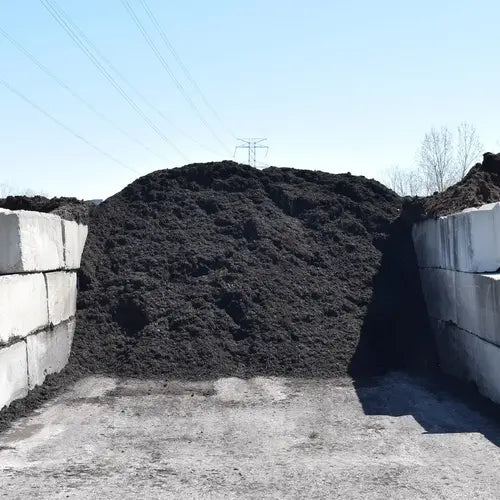
A yard is approximately 27 cubic feet. As a general guideline, one yard of material can cover an area of about 100-160 square feet at a 2-3 inch depth.
Mulch Mound delivered a yard of pea gravel to us. Delivery was on time, driver was friendly and hit a bullseye on the “tarp target”. We used the pea gravel (which was diameter as specified) to fill several muskrat holes around our pond. I would definitely recommend Mulch Mo...
How Much Material Do I Need?
One cubic yard covers roughly 108 square feet at three inches deep, which is the depth we recommend for Somerset's rainfall and weed pressure. For a bed you are mulching for the first time over bare silt loam, bump to a full three and a half inches to account for settling.
Use our free mulch calculator
What is a yard?
A yard is approximately 27 cubic feet. As a general guideline, one yard of material can cover an area of about 100-160 square feet at a 2-3 inch depth.
Mulch Mound delivered a yard of pea gravel to us. Delivery was on time, driver was friendly and hit a bullseye on the “tarp target”. We used the ...
Read full review
Mulch Mound delivered a yard of pea gravel to us. Delivery was on time, driver was friendly and hit a bullseye on the “tarp target”. We used the pea gravel (which was diameter as specified) to fill several muskrat holes around our pond. I would definitely recommend Mulch Mound to a friend!
I can’t say enough good things about Mulch Mound! If you read my review below you will see I had a problem with my order. Mulch Mou...
Read full review
UPDATE!
I can’t say enough good things about Mulch Mound! If you read my review below you will see I had a problem with my order. Mulch Mound was quick to respond and solved the issue with my delivery. Will definitely be a customer next year.
First time purchase from Mulch Mound!! First what I liked! Easy to order online and straight forward pricing and delivery. The driver was on time and courteous and delivered my Mulch exactly where I requested! The product is of good quality and comparable to others I have purchased from before. Now what I DID’NT LIKE! I have been mulching the same house and yard for almost 20 years. I always order the same amount and don’t have any issues with covering the same area but this year I fell about a yard short. I was home when the mulch was delivered and when the driver dumped it I noticed that it seemed a bit less than I was used to. I didn’t apply it any thicker than usual and probably a bit thinner than usual because I was worried about running out.
Measure each bed separately with a tape rather than eyeballing the whole yard, since curved island beds in Somerset neighborhoods almost always hold more than people guess. Multiply length by width for square feet, then use the calculator to convert to cubic yards at three inches. Order about ten percent extra for settling and for the low spots that silt loam beds tend to develop.
Mulch vs. No Mulch: The Difference
Somerset's combination of 53 inches of annual rain, high summer humidity, and a long warm season from mid April through late October creates near perfect conditions for microbial activity. That means organic mulch here breaks down noticeably faster than it would in a drier climate, often losing an inch of depth in a single season. The upside is that all of that decomposition is feeding your silt loam, and the tradeoff is an annual refresh instead of a set it and forget it layer.
Before
After
Best Mulch Choice for Somerset Lawns
Most yards in the Somerset area sit on type of soil. Silt loam is the dominant soil around Somerset, and while it holds nutrients and moisture well, its fine particles compact easily and crust over after hard rain. That crust blocks water infiltration and starves roots of oxygen in the very beds you are trying to keep lush.
Hardwood Mulch
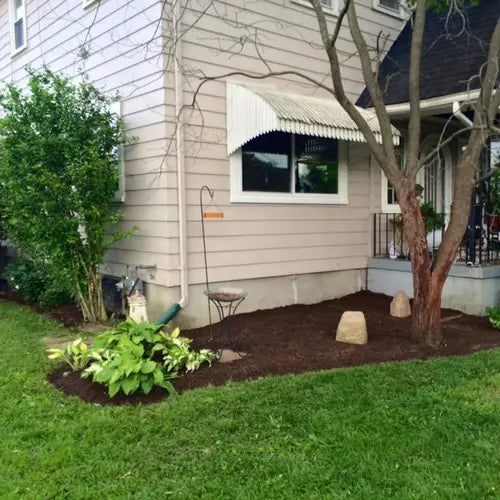
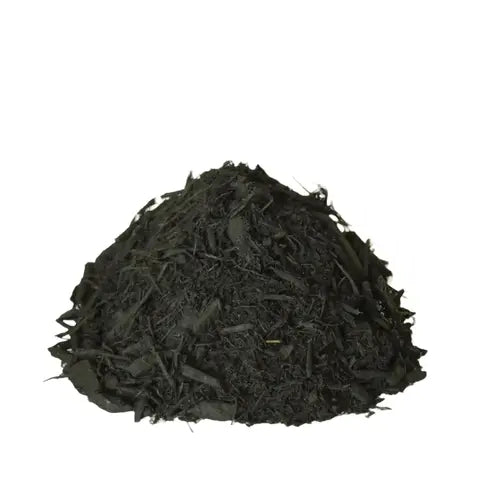
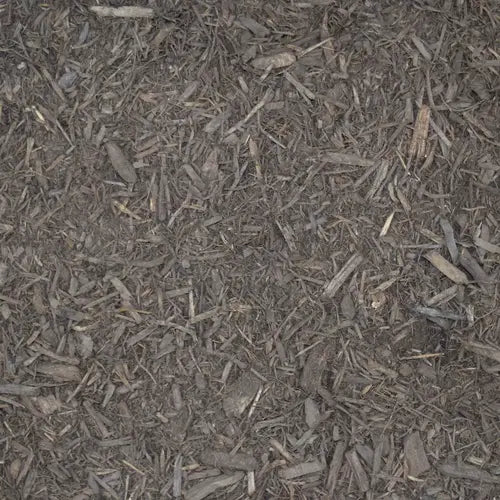
Double ground hardwood mulch is the best answer for silt loam because it cushions raindrop impact so the surface never crusts, and as it decomposes it feeds earthworms and fungi that open channels through the compacted layer. Over two or three seasons of annual mulching, Somerset gardeners see silt loam beds go from tight and slick to crumbly and easy to dig.
Complete Your Outdoor Mulch Project
Pair your mulch with a few yards of screened topsoil or compost to build up tired silt loam beds before you spread, and add river rock or crushed stone for the drip line and downspout areas where mulch would just float away.
Before you spread a single shovelful, edge your beds with a spade cut about four inches deep. Somerset's silt loam cuts clean when it is slightly moist, usually a day or two after rain, and that trench gives the mulch a place to sit so it does not creep into your fescue. A crisp edge also stops bermudagrass runners from sneaking into beds, which is the number one way local beds get overtaken by midsummer.
Mulch Mound Pro Tip
Water the bed thoroughly before you mulch, not after. Dry silt loam develops a hard crust that repels water, and three inches of fresh mulch on top of that crust will keep a light half inch shower from ever reaching the roots. Soak the soil until it is damp four inches down, spread your mulch, then give the mulch a quick rinse to settle it and knock down the dust.
Mulch Mound Pro Tip
If you are using dyed black or brown mulch, spread it on a dry day with rain at least twenty four hours out. Somerset gets frequent pop up afternoon storms from June through August, and the colorant needs time to cure. Rain on freshly spread dyed mulch can bleed onto concrete driveways and sidewalks. Lay a tarp along any hardscape edge while you work and you will save yourself a scrubbing job.
Frequently Asked Questions
Click a question to see the answer
Answer
How many inches of mulch should I put down in Somerset?
Three inches is the sweet spot for Somerset beds. With 53 inches of annual rain, anything deeper than four inches stays soggy against stems and invites rot, and anything under two inches lets summer sun bake the silt loam and lets weed seed germinate. Pull mulch back two to three inches from trunks and crowns.
Answer
When is the best time to mulch here, spring or fall?
Mid April, right around the April 15 last frost, is ideal because the soil has warmed and you are getting ahead of weed germination. A lighter top up in late October after the October 20 first frost is also smart, since it insulates roots through the freeze thaw cycles that are common on our winter nights.
Answer
Will mulch wash out of my sloped bed during a heavy rain?
It can, and slopes are common on Somerset lots. Use shredded double ground hardwood rather than nuggets or bark chunks, because the shredded fibers knit together and grip. On steeper runs, a small stone or steel edge at the downhill side and a shallow trench at the top will keep material in place through a two inch downpour.
Answer
How much mulch do I need for a typical Somerset front yard bed?
A common front foundation bed here runs about 300 square feet, which takes roughly 3 cubic yards at three inches deep. A single yard covers about 108 square feet at that depth. Measure length times width for each bed, add them together, and divide by 108.
Answer
Does mulch attract termites around my foundation?
Mulch itself does not draw termites in, but the damp conditions that build under a too deep layer against siding can. Keep mulch at three inches, hold it six inches away from your foundation and siding, and never let it bridge over the brick weep holes. That is good practice in our humid Cumberland River valley air.
Answer
How often will I need to replace mulch in Pulaski County?
Plan on refreshing every year to eighteen months. Our warm wet summers speed microbial breakdown, so a hardwood layer typically loses about an inch of depth per season. Rather than piling new mulch on old, rake and fluff what is there, then add just enough to get back to three inches.
Answer
Can I put mulch right over the weeds I already have?
Not over established perennial weeds like nutsedge, bermudagrass, or wild violet, which are all common in Somerset yards and will push right through. Pull or spot treat those first, wait about ten days, then mulch. Annual weeds such as chickweed and henbit will smother under three inches with no problem.
The Unique Landscape of Somerset
Somerset sits in Zone 7a on the Cumberland Plateau rim at about 974 feet, and the 53 inches of rain that fall on Pulaski County every year hit silt loam hard. Bare silt loam crusts over after a heavy Lake Cumberland thunderstorm, then sheds the next inch of rain straight down the slope toward the street. A three inch mulch blanket absorbs that impact, keeps the fines in your beds instead of in the gutter, and holds moisture through the muggy August stretch when afternoon highs sit in the upper 80s. Mulch also buffers root zones through Somerset's freeze thaw swings between the October 20 first frost and the April 15 last frost, when soil heaving can shove shallow rooted azaleas and heucheras right out of the ground. Because our growing season runs roughly six months, weed pressure from chickweed, henbit, and nutsedge is relentless, and a maintained mulch layer is the cheapest control you will ever buy.